- All persons in the U.S. possess core constitutional protections during immigration enforcement encounters regardless of citizenship status.
- Operation Metro Surge in Minnesota faced intense criticism from former President Obama regarding alleged coercive tactics.
- Understanding the difference between judicial and administrative warrants is crucial for exercising rights during home encounters.
(MINNESOTA) — Everyone in the United States—U.S. citizens and noncitizens alike—has core constitutional protections during immigration enforcement encounters, including the right to refuse consent to certain searches, the right to remain silent in many situations, and the right to speak with an attorney before signing important documents.
These rights have taken on renewed urgency in Minnesota after former President Barack Obama criticized federal immigration operations in the state, alleging tactics that he likened to conduct seen in authoritarian countries and dictatorships. His remarks, delivered in a podcast interview, focused on Operation Metro Surge and raised concerns about how enforcement actions are carried out, not about whether immigration laws exist.
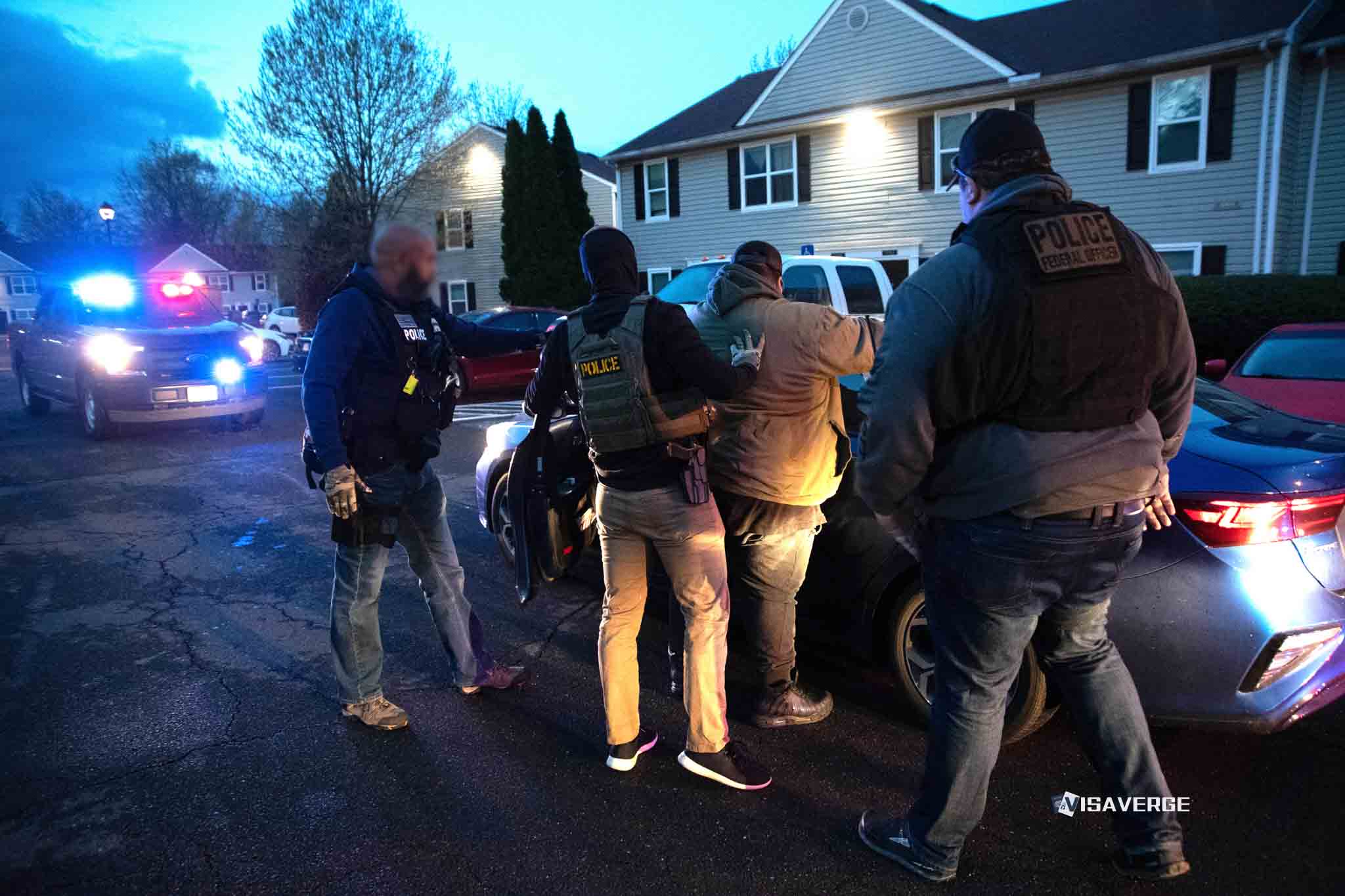
This guide explains what is alleged, what is confirmed, and why verification matters. It also lays out practical steps for exercising your rights during home encounters, street stops, workplace contacts, and protests—while noting that immigration rules can vary by jurisdiction and facts.
1) Overview: the right at issue, and why Minnesota’s operation matters
Right being explained: The right to be free from unreasonable searches and seizures, and the right against compelled self-incrimination—protections rooted in the Fourth Amendment and Fifth Amendment. These rights generally apply to all persons in the United States, including undocumented people. The First Amendment also protects peaceful protest and speech, subject to time, place, and manner limits.
Obama alleged that agents involved in Operation Metro Surge acted “rogue” and used coercive methods, including pulling people from homes, using children to draw parents out, and deploying tear gas at crowds said to be peacefully protesting. These are allegations. They are not court findings.
Why this matters in immigration: ICE has civil enforcement authority, but civil authority does not erase constitutional limits. When operations scale up quickly, more encounters occur in homes, at workplaces, and in public. That can increase the risk that people “consent” under pressure, sign papers they do not understand, or miss rapid deadlines.
Legal baseline: Federal regulations limit enforcement conduct. For example, 8 C.F.R. § 287.8 sets standards for immigration officer arrests and uses of force. Constitutional protections may also be enforced through suppression motions in immigration court in limited circumstances, depending on the facts and circuit law.
2) Operation Metro Surge: deployment, “surge” concepts, and due process pressure points
Operation Metro Surge was described as a major enforcement deployment into Minnesota. “Surge” operations typically mean a temporary concentration of personnel, accelerated arrest planning, and coordination across field offices. Agencies often frame these as “public safety” actions, meaning arrests are said to focus on people with certain criminal histories or active warrants.
Large deployments can change daily life even for people not targeted. In many communities, residents may avoid school, work, clinics, or houses of worship due to fear of an encounter. That, in turn, can affect children and family stability.
From a legal-process perspective, surge enforcement can strain due process access in several ways:
- Harder to find counsel quickly. Immigration court is adversarial. There is a right to counsel at no expense to the government. See INA § 240(b)(4)(A).
- Faster timelines. Some people may be placed into expedited removal (INA § 235), where deadlines are very short and access to counsel is limited in practice.
- Detention and transfers. Rapid transfers can separate people from family support and local attorneys, making it harder to prepare bond or relief applications.
For government legitimacy and public trust, stated goals (“public safety”) are not the end of the analysis. Transparency about outcomes, safeguards, and complaint processes is often what determines whether a community views enforcement as lawful and accountable.
Helpful official references include ICE’s public materials on enforcement and detention and EOIR’s court information. See EOIR immigration courts for court basics.
3) Tactics and actions under scrutiny: consent, warrants, protest policing, and children
The most consequential rights questions in many immigration encounters arise at the front door.
Home encounters: consent vs. warrants (high-level)
ICE may carry different documents. A key distinction is between:
- A judicial warrant signed by a judge (stronger authority to enter), and
- An administrative immigration warrant (often on DHS forms), which may authorize arrest under immigration law but does not automatically authorize forced entry into a home in the same way a judicial warrant might.
As a practical matter, many home entries happen because someone opens the door and allows officers inside. Consent can be disputed later, but it is often difficult to unwind.
How to exercise the right in practice:
- You may ask officers to identify themselves.
- You may ask them to slide paperwork under the door or hold it up to a window.
- You may say, calmly: “I do not consent to entry.”
- If they enter anyway, do not physically resist. Resistance can lead to criminal charges.
Protests and crowd control
Peaceful protest is protected by the First Amendment. Use-of-force allegations—like tear gas at crowds described as peaceful—often draw civil rights scrutiny. Investigations may involve internal agency review, DOJ civil rights review in some circumstances, state prosecutors, or civil litigation. Outcomes vary.
Children and family dynamics
Allegations that officers used children to “bait” parents raise heightened concern because children can be placed at risk and because parents may feel compelled to act against their own legal interests. In any enforcement climate, families should plan for emergencies and avoid making on-the-spot decisions under panic.
Warning: Do not sign documents you do not understand. Some papers may waive your right to see an immigration judge, accept removal, or give up an appeal. Ask to speak with a lawyer before signing.
4) The reported fatal incidents: what is known, what is alleged, and why deaths prompt review
Reports tied the operation to two fatal shootings that killed Renee Good and Alex Pretti. These deaths intensified scrutiny of the operation and calls for accountability. Public reporting may evolve as investigations proceed.
When deaths occur in connection with law enforcement activity, several accountability pathways may come into play:
- Internal agency review, including use-of-force review.
- Independent investigation by prosecutors or separate investigative bodies, depending on jurisdiction and the actors involved.
- Civil litigation under federal or state law, which can lead to discovery and public records.
- Public records requests and oversight inquiries by elected officials.
None of these processes guarantees a particular result. They can, however, influence whether agencies change tactics, improve training, revise operational plans, or adjust public communications. In some cases, operations are paused or drawn down while leadership assesses risk and public confidence.
5) Official response and drawdown: what to look for in “review” language
Border Czar Tom Homan publicly announced that Operation Metro Surge was concluding and that officers were being reduced after a “review of public safety arrests” and reduced need for quick-response teams. That framing is common in enforcement messaging, but it can mean different things in practice.
A meaningful “review” may include:
- What categories of arrests occurred (criminal vs. civil-only).
- Whether officers followed policies on home entry, identification, and use of force.
- How many complaints were filed, and how they were resolved.
- Whether any discipline or retraining occurred.
- Whether leadership changed written guidance or field instructions.
Policy statements can differ from how actions unfold on the ground. Documentation matters. If you or a family member had an encounter, keep a written timeline and preserve evidence.
To monitor official updates, start with DHS and DOJ sources, including EOIR guidance.
Tip for records: Write down badge numbers, names, vehicle plates, and the time and location. If safe, get contact information for witnesses.
6) Community resistance: mutual aid, accompaniment, and lawful boundaries
Community groups reportedly responded with mutual aid, school accompaniment, grocery support, and peaceful protest. These efforts can reduce harm by ensuring families are not isolated during high-stress enforcement periods.
At a practical level, communities often support each other through:
- Accompaniment to school drop-offs or required appointments.
- Know-your-rights education (without coaching anyone to lie or obstruct).
- Legal observer programs at protests to document events.
- Mutual aid for childcare, transportation, and food.
Boundaries matter. People generally may lawfully observe and record officers performing duties in public, subject to not interfering. Do not obstruct, threaten, or physically block officers. Those actions can lead to arrest and can complicate immigration cases.
If you attend protests and you are not a U.S. citizen, ask an attorney about risk. Even some minor criminal allegations can create immigration consequences, depending on the charge and disposition.
7) Political and funding context: what shutdowns and appropriations can (and cannot) change
The operation unfolded against a backdrop of federal funding conflict, including a partial government shutdown tied to DHS funding demands and calls for changes in ICE operations. Funding disputes can constrain or redirect operations, but they do not automatically rewrite immigration statutes.
Key distinctions:
- Congress controls appropriations and can change laws through legislation.
- The Executive Branch (DHS/ICE/USCIS/EOIR) sets enforcement priorities and policies within statutory bounds.
- Courts interpret constitutional and statutory limits.
What readers can monitor, without guessing outcomes:
- DHS and DOJ budget actions and public notices.
- Congressional oversight hearings and published reports.
- Agency policy memos and training changes.
- Litigation filings that challenge enforcement practices.
Practical “Know Your Rights” Steps During ICE Encounters
A) If ICE comes to your home
- Do not open the door unless you choose to. Speak through the door.
- Ask: “Do you have a judicial warrant signed by a judge?”
- Ask to see paperwork through a window or under the door.
- If they do not have a judicial warrant, state: “I do not consent to entry.”
- If an arrest occurs, say: “I will remain silent. I want to speak to a lawyer.”
B) If you are stopped in public
- You may ask: “Am I free to leave?”
- If not free to leave, you can state you will remain silent.
- Do not present false documents or lie about status. That can create serious consequences.
C) If you are detained
- You generally have a right to a lawyer at your own expense. INA § 240(b)(4)(A).
- Ask for an attorney list and a phone call.
- Ask where you are and request your A-number if you have one.
Deadline Warning: Immigration paperwork can carry very short deadlines. Missing a hearing can trigger an in-absentia removal order under INA § 240(b)(5). Get legal help immediately if you receive a Notice to Appear or hearing notice.
If your rights were violated: what to do next
- Document immediately: write a detailed account while memories are fresh. Preserve texts, photos, and videos.
- Request records: keep copies of all paperwork officers gave you or served on you.
- Get legal advice quickly: remedies depend on location, the type of proceeding, and whether you are in custody.
- Consider complaints: complaints may be filed with DHS Office for Civil Rights and Civil Liberties and DHS Office of Inspector General. (An attorney can advise what to submit and how to avoid harming your case.)
- Do not miss court: even if you plan to complain, your immigration court deadlines remain active.
Official entry points for court case information include EOIR case status.
Resources for legal help
- AILA Lawyer Referral: aila.org/find-a-lawyer
- Immigration Advocates Network: Immigration Advocates Network legal directory
- EOIR (Immigration Court): justice.gov/eoir
- USCIS (benefits and filing info): uscis.gov
⚖️ Legal Disclaimer: This article provides general information about immigration law and is not legal advice. Immigration cases are highly fact-specific, and laws vary by jurisdiction. Consult a qualified immigration attorney for advice about your specific situation.