- Georgia officials report no formal notice regarding several proposed ICE detention and processing facilities.
- A massive 1,000,000 square-foot facility in Social Circle strains local infrastructure and public safety resources.
- Lawmakers and advocacy groups urge federal transparency regarding site selection, utility needs, and community impact.
As Georgia communities grapple with reports of ICE detention facility plans, local officials push back or caution about notice, capacity, and infrastructure, while lawmakers urge federal engagement and scrutiny. Two places show how fast the public story can split: Oakwood, Georgia says it has received no formal notice at all, while Social Circle, Georgia faces a proposed project so large that basic utilities and public safety planning become immediate questions.
Section 1: Why Georgia communities are hearing about new ICE detention proposals
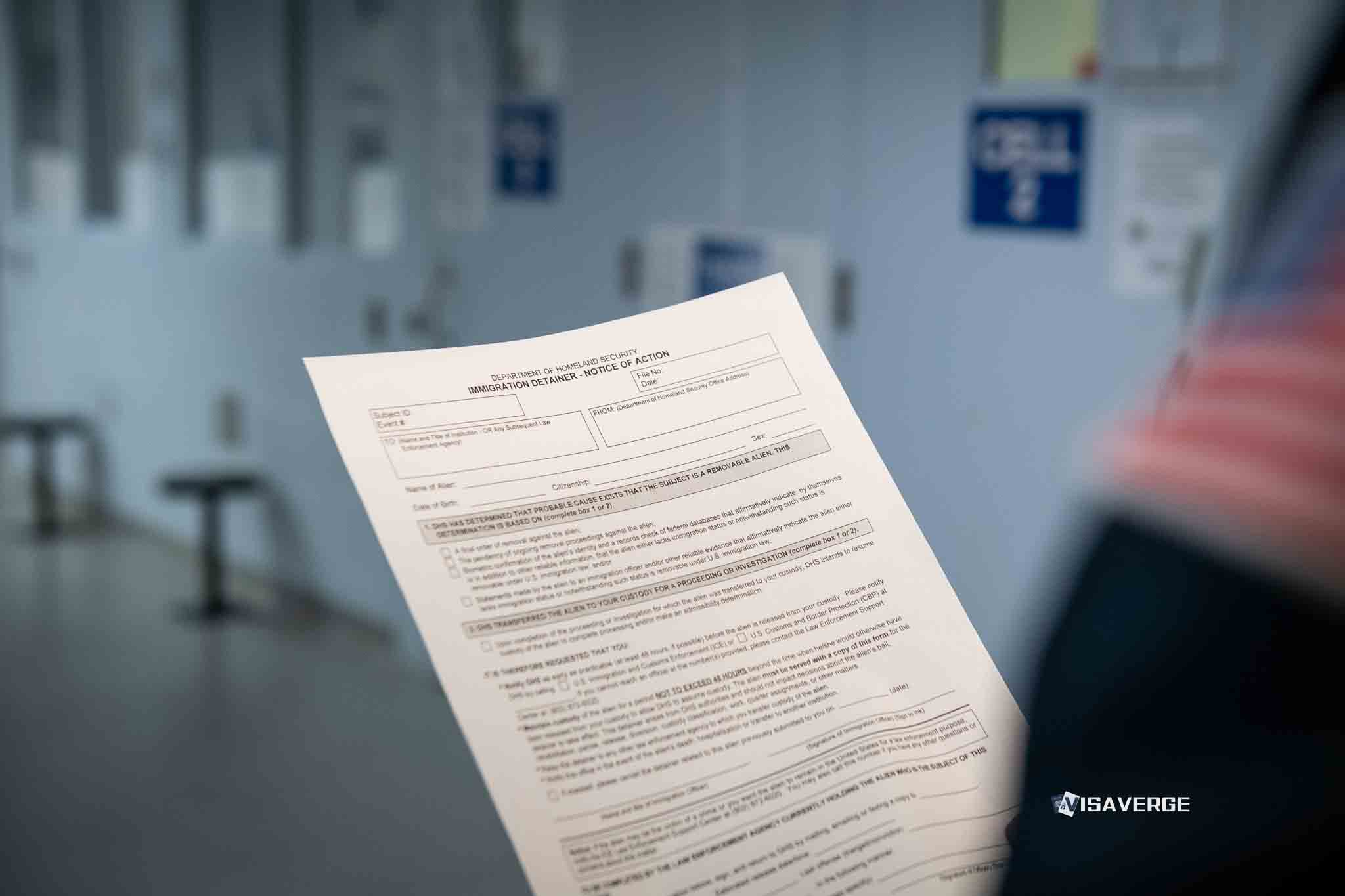
Start by separating three terms that often get mixed together:
- ICE processing facility
A processing site is generally used for intake steps like identification checks, paperwork, interviews, and short-term holding. Some processing locations are small. Some operate next to other federal functions. - ICE detention facility / ICE detention center
A detention site is used for longer custody. Length of stay can vary, but detention facilities are typically designed for sustained housing, medical care, transport operations, and staffing needs. - Other DHS uses of industrial sites
The Department of Homeland Security (DHS) can use industrial properties for logistics, staging, storage, or contractor operations. Those uses may not look like a jail on day one, yet they can still affect traffic, utilities, and emergency response.
Conflicting narratives often happen in early stages because federal interest can surface through real estate and procurement channels before local government gets a formal request. A warehouse owner or broker may talk to a federal contractor first. A member of Congress may receive a briefing. Meanwhile, a city may only see rumors until someone asks for hookups, permits, or inspections. Security constraints can also limit what agencies share publicly at first.
This guide is meant to help you do three things without assuming any final decision has been made:
- Sort claims by what can be verified
- Track what counts as confirmation (and what does not)
- Evaluate local impacts tied to infrastructure and governance
⚠️ Be cautious of conflated or unverified site lists; official confirmations may lag behind media reports.
Section 2: Oakwood: city denies receiving notice and flags infrastructure impacts
Oakwood, Georgia officials have publicly stated they have not received formal notice from DHS, ICE, or any federal agency about a proposed facility listed within city limits. City leaders also said they would notify the public immediately if a formal approach occurs. That promise matters, because it frames what residents should watch for next.
“No notice” can mean different things in municipal practice. A city can truthfully have no formal notice even if federal planning is underway elsewhere. Here’s what a formal approach to a city typically looks like, compared with informal contact:
- Zoning and land-use actions (when applicable)
Some projects require zoning approvals, special-use permits, or planning commission reviews. Federal projects can follow different paths, but local land-use steps often become visible when the owner or operator needs permission to change the site’s use. - Utilities coordination
Large facilities usually trigger meetings or written requests about water, sewer, fire flow, and capacity. Those discussions can involve the city, a county authority, or a regional utility provider. - Building, fire, and health inspections
Even when federal agencies have special procedures, contractors often need inspections or compliance checks tied to occupancy, life safety systems, and access routes. - Intergovernmental service requests
A key marker is a request tied to policing support, traffic control, road work, or EMS planning. These can show up as letters, MOUs, or budget discussions.
By contrast, informal inquiries can happen quietly. A broker might ask about available sewer capacity. A contractor may seek pricing for road access. None of that guarantees a facility will open.
Infrastructure is usually the first municipal concern because it is the first hard constraint. Water and sewer capacity can take years to expand. Roads cannot absorb sudden traffic without upgrades. Police and EMS staffing cannot be doubled overnight.
Section 3: Conflicting statements from elected officials: how to confirm what’s real
Rep. Andrew Clyde has said he received confirmation that DHS is advancing plans to convert a warehouse in or near Oakwood into a small ICE processing facility. Oakwood officials, at the same time, have said they have received no formal notice from DHS/ICE or other federal agencies.
Both statements can exist at once. Congressional offices may receive briefings through oversight relationships, constituent channels, or direct agency communications that do not include a city. A city, in turn, may not be looped in until a project reaches utility coordination, inspections, or service planning.
Use a simple framework to confirm what is real:
- Look for a direct DHS/ICE statement
Public confirmation from DHS or ICE is the cleanest signal. It may be limited, but it typically clarifies whether a site is being pursued. - Check procurement and lease activity
Major federal projects often leave a paper trail in contracting actions, lease negotiations, or vendor work that becomes discoverable through official postings or filings. - Watch for environmental review steps
Large construction or conversion projects commonly require some form of environmental review or related documentation. - Track intergovernmental requests
Requests for water/sewer assessments, road improvements, traffic studies, or EMS coordination can confirm that planning has moved beyond talk. - Separate “preferred” from “final”
A site can be described as “preferred” while still being subject to review, financing, and operational planning.
Table 2: Verifiable markers for claims
| Claim/Assertion | Potential Source (Official) | Notes on Verification |
|---|---|---|
| DHS is planning a facility in a specific city | DHS/ICE public statement; formal letter to local government | Statements may be limited at early stages |
| A warehouse is being converted for federal custody use | Procurement/lease filings; property transaction records; contractor awards | Look for matching addresses and scope language |
| A facility has a target operational date (e.g., April 2026) | DHS/ICE briefing notes; official correspondence; procurement timelines | Dates can shift with utilities, staffing, or build-out |
| A city has been asked to support services | Intergovernmental service requests; meeting agendas; utility authority correspondence | Service requests often signal advanced planning |
| Environmental impacts have been assessed | Environmental review documents; agency notices | Large projects often trigger review steps |
✅ Readers should monitor official DHS/ICE statements and procurement filings for confirmation of plans; check local government notices and environmental reviews for timing and scope.
Section 4: Social Circle warehouse proposal: scale, utilities, and siting concerns
Social Circle, Georgia is confronting a reported plan with far larger scale. The proposal describes purchasing and converting a 1,000,000 square feet warehouse on Hightower Trail, owned by PNK Group, into a detention center. The reported capacity range is 5,000–10,000 detainees. Social Circle’s population is about 5,000. That comparison shapes nearly every city-level question.
A facility sized like that can strain core infrastructure:
- Water demand and fire flow
Detention operations require reliable water supply for daily use, food service, sanitation, and fire suppression systems. If water pressure or storage is insufficient, upgrades may be required. - Sewer capacity and treatment limits
Sewer load is not just a pipe question. Treatment capacity matters too. A water/sewer capacity review is often where a project meets physical limits. - Traffic and road safety
Staff shifts, service deliveries, and transportation movements can change traffic patterns. Road improvements may become necessary. - Emergency response planning
Large on-site populations change EMS call volume assumptions. Fire response planning can also shift, especially for warehouse conversions. - Policing and mutual aid
Even if the facility has federal security, the city and county often face spillover planning. That includes traffic incidents, medical calls, and coordination on major events.
Siting concerns can intensify scrutiny. Social Circle leaders have raised proximity issues, including that the site is less than 1 mile from Social Circle Elementary School. Nearby schools often trigger questions about traffic routing, incident planning, and communication protocols.
A reported operational target of April 2026 adds urgency because infrastructure upgrades, if needed, may not fit that timeline.
Table 1: Show scale and potential impact of proposed facilities
| Location | Projected Facility Type | Reported Size/Capacity | Key Infrastructure Questions |
|---|---|---|---|
| Oakwood, Georgia | Small ICE processing facility (described by Rep. Andrew Clyde) | Warehouse conversion (size not publicly matched in city notice) | Has DHS/ICE made utility or service requests; water/sewer availability; traffic and EMS coordination |
| Social Circle, Georgia | ICE detention facility / detention center | 1,000,000 square feet; 5,000–10,000 detainees; population about 5,000; April 2026 potential operational date | Water/sewer capacity; road upgrades; policing and EMS staffing; school-area traffic and safety planning |
Section 5: Political and official responses: requests to DHS/ICE and calls for evaluation
Rep. Mike Collins has confirmed the Social Circle site’s preferred status, while also agreeing with residents that Social Circle lacks resources to support a project of that size. He urged a DHS evaluation. That framing matters. “Evaluate” can mean reassessing infrastructure feasibility, cost, and the level of local support before proceeding.
Mayor David Keener and Sen. Jon Ossoff have urged DHS Secretary Kristi Noem and ICE Acting Director Todd Lyons to abandon the plans and engage the city. Engagement, in many cases, includes:
- Briefings with city leadership on scope, staffing, and timelines
- Mitigation commitments tied to roads, utilities, and emergency response
- Service agreements clarifying who pays for what, and who responds when things go wrong
- Ongoing communication channels so the city is not learning about changes secondhand
Official letters do not necessarily stop federal action by themselves. Still, they can affect timing and scope. Agencies may adjust plans to avoid utility bottlenecks, political backlash, or unresolved service questions.
Section 6: Public opposition, regional context, and what it may mean for immigrants and families
Advocacy groups, including Advancing Justice-Atlanta, have criticized the Social Circle proposal as a “mega-prison” advanced without transparency. Opponents have also raised concerns about conditions, oversight, and local strain. Safety comes up repeatedly, both inside and outside the fence line.
Public resistance can emerge in predictable ways:
- Packed public meetings and organized comment campaigns
- Letters and resolutions from local officials
- Threats of litigation tied to process, siting, or environmental review
- Cross-partisan coalitions focused on infrastructure, cost, and governance
Elsewhere in metro Atlanta, DeKalb County rejected an anti-ICE resolution. The stated rationale was concern it could attract federal scrutiny. That vote shows another local government posture: avoiding steps that leaders believe could provoke federal response, even when residents want a stronger statement.
For immigrant communities and families, the national context shapes how these proposals feel on the ground. One reported statistic is that 40% of recent ICE arrests nationwide involved no criminal record. That figure can influence community fear and family planning. It does not, by itself, describe who would be held at any specific Georgia facility. Local impact still depends on what DHS/ICE builds, how it is used, and what oversight applies.
If you live near a proposed site, focus on concrete actions you can take now: track city agendas, request public records where available, and compare statements against DHS/ICE confirmation, procurement activity, and utility or environmental review steps. Treat paperwork as the signal. Noise is easy.
This article provides information and context about federal planning processes and local governance implications. It is not legal advice.