(MINNEAPOLIS, MINNESOTA) — Minneapolis Public Schools introduced a district-wide remote learning option for all students beginning January 12, 2026, responding to rising tensions and safety concerns tied to a federal immigration enforcement surge in the city.
Minneapolis Public Schools canceled all classes on January 8 and 9, 2026, after two incidents on January 7 that officials and educators said triggered fear among families and staff and contributed to “dips in attendance.”
The remote learning plan, described as “pandemic-style,” will be available through February 12, 2026, allowing students to attend lessons virtually from home to avoid potential encounters with federal agents while remaining counted as present.
Federal enforcement surge and official statements
federal authorities have tied the minneapolis operations to a broader crackdown that they have described in sweeping terms, including what ICE Acting Director Todd Lyons called the agency’s “largest immigration operation ever.”
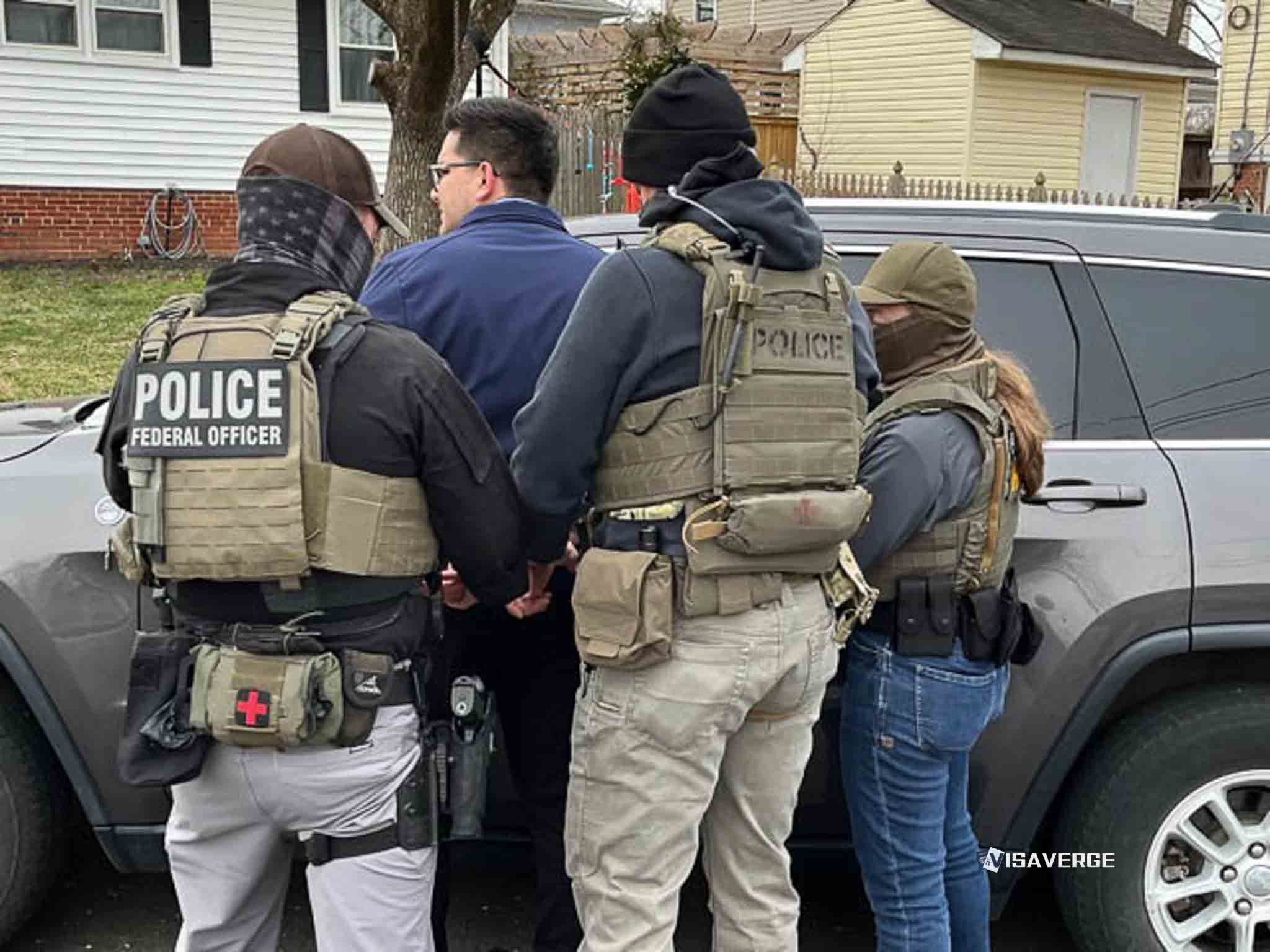
The Trump administration has dispatched roughly 2,000 federal agents to the Minneapolis-St. Paul area, including personnel from ice enforcement and Removal Operations (ERO), Homeland Security Investigations (HSI), and U.S. Customs and Border Protection (CBP).
DHS Secretary Kristi Noem said DHS has “surged law enforcement to minneapolis and has already arrested more than 1,500 crooks and creeps: murderers, rapists, pedophiles and gang members.” Noem also characterized a fatal shooting involving an ICE agent as an “act of domestic terrorism” carried out against federal officers.
Events on January 7 that sparked school disruptions
Two developments on January 7 drove the immediate school disruption in Minneapolis, according to the information provided by officials and local leaders.
One was the fatal shooting of Renee Nicole Good, a 37-year-old U.S. citizen and legal observer, by an ICE agent. The shooting is under exclusive investigation by the FBI, while Hennepin County Attorney Mary Moriarty has launched independent evidence collection efforts after being excluded from the federal investigation.
The second was a confrontation at Roosevelt High School, where federal agents (CBP/ICE) reportedly tackled individuals and used chemical deterrents on bystanders during school dismissal.
Federal officials have defended the actions around the school in the context of enforcement operations following the termination of “sensitive location” guidance, which previously restricted ICE/CBP actions on school campuses.
CBP Commander Gregory Bovino has defended the actions at Roosevelt High, saying agents were in pursuit of a suspect who “rammed” a federal vehicle. Minnesota Governor Tim Walz has demanded that federal agents “stay out of our schools.”
Operation PARRIS and USCIS actions
Alongside the enforcement surge, federal authorities have announced a separate initiative centered on reexamining refugee cases in Minnesota, presenting it as an integrity measure and fraud investigation.
A USCIS news release dated Jan. 9, 2026, titled “DHS Launches Landmark USCIS Fraud Investigation in Minnesota”, confirmed the launch of DHS Launches Landmark USCIS Fraud Investigation in Minnesota and described it as a “sweeping initiative reexamining thousands of refugee cases through new background checks and intensive verification of refugee claims,” according to the release published in the USCIS newsroom at USCIS news release on Operation PARRIS.
Operation PARRIS is short for Post-Admission Refugee Reverification and Integrity Strengthening and focuses on reexamining the background checks of approximately 5,600 refugees in Minnesota who have not yet obtained lawful permanent resident status (green cards). The operation target includes refugees from 39 “countries of concern.”
USCIS Spokesperson Matthew Tragesser framed the effort as a crackdown on fraud in a statement dated Jan. 7, 2026, saying, “Minnesota is ground zero for the war on fraud. USCIS’ show of force in Minnesota demonstrates that USCIS will not stand idly by as the U.S. immigration system is weaponized by those seeking to defraud the American people. American citizens and the rule of law come first, always.”
Impact on students, families, and communities
Educators have reported widespread fear among families as immigration enforcement activity has intensified, linking the remote learning decision to concerns about students encountering federal agents during commutes, at dismissal, or near campuses.
The district’s remote learning option was designed to keep students connected to classes and prevent dropouts during a period when families may avoid sending children to school, while ensuring attendance can still be recorded.
For refugee communities, the federal reexamination of cases has raised the prospect that status could be revoked if discrepancies are found in original applications, even for people who have been in the U.S. for years.
Investigations and parallel fact-gathering
The enforcement actions have also drawn scrutiny beyond schools, with the FBI leading the investigation into Good’s death and local prosecutors attempting to secure evidence independently, setting up parallel tracks of fact-gathering amid heightened political and community tension.
Federal updates on enforcement actions and detainee notifications have been posted through the ICE newsroom at ICE newsroom news releases.
State education response
Minnesota’s education leaders have also moved to address the immediate disruption to instruction, with the Minnesota Department of Education issuing an official statement on school flexibility for remote learning on Jan. 8, 2026, as districts respond to safety concerns linked to immigration enforcement activity.
In Minneapolis, the shift to remote learning placed a school district at the center of a fast-moving confrontation over immigration enforcement and public safety, with families weighing whether to send children into neighborhoods and routes where federal operations have surged and state leaders pressing Washington to “stay out of our schools.”
Minneapolis Public Schools introduced district-wide remote learning from January 12 to February 12, 2026, in response to a surge in federal immigration enforcement. The move follows two violent incidents on January 7, including the fatal shooting of a legal observer. Federal authorities are conducting Operation PARRIS to re-examine thousands of refugee cases, while state leaders demand that agents stay out of educational facilities to ensure student safety.