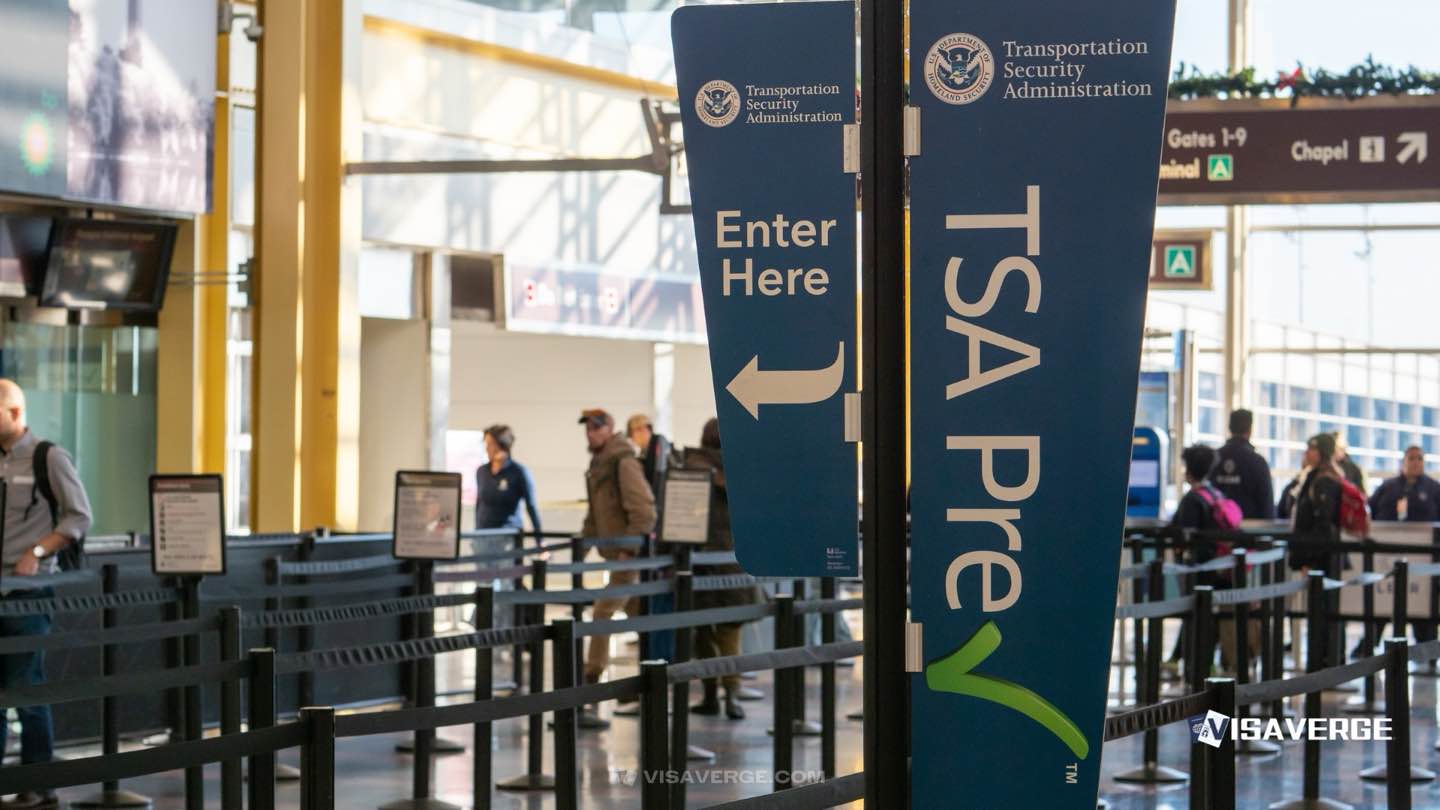
- Enforcement is shifting toward quieter, custody-based arrests rather than visible street-level patrols.
- Defense strategies should prioritize rapid bond requests and screening for long-term relief options.
- Vetting initiatives like Operation PARRIS utilize data-driven fraud leads to initiate removal proceedings.
Primary defense strategy: Custody-based arrest response, bond (or parole), and fast triage for relief
The most important “defense strategy” for people affected by federal immigration agents in Minneapolis during Operation Metro Surge is a three-part approach: (1) assume enforcement may shift into custody-based arrests rather than visible street activity, (2) prepare for rapid action on release options (immigration bond or parole, where available), and (3) immediately screen for long-term relief (asylum, cancellation, U visa, SIJS, adjustment, or other options).

This matters because officials are describing the Minneapolis drawdown as a tactical pivot, not an end to enforcement. Families may see fewer high-visibility patrols while enforcement continues through jails, databases, and targeted arrests.
1) Overview: Tactical shift in Operation Metro Surge
Operation Metro Surge is a plain-language term for an unusually large, coordinated federal immigration enforcement push. It used a heavy local presence and frequent encounters to identify and detain people for removal processing.
Officials are framing the Minneapolis change as a “tactical pivot” rather than a “withdrawal.” Operationally, that can mean:
- Less visibility: fewer uniformed agents and fewer conspicuous stops in public-facing areas.
- Different locations: more activity near booking facilities, detention transfers, and scheduled check-ins.
- Different encounter types: fewer broad, high-volume contacts and more targeted actions driven by records and investigative leads.
Residents may notice immediate changes in street-level presence. That does not necessarily mean fewer arrests. It may mean arrests happen in ways that are harder to observe and harder to contest in real time.
The exact withdrawal date and precise headcount change have been publicly described and are summarized in the publication’s quick-stat materials, rather than repeated here.
2) Official statements and framing: “custody-based” and “data-driven investigations”
At the Minneapolis press availability, Tom Homan described an intent to end the surge when conditions allow. He also stated that nationwide enforcement actions will continue daily.
The key phrase for defense planning is “quieter, custody-based enforcement.” In immigration practice, that usually signals:
- Arrests after a local booking and then placement into ICE custody.
- Jail or courthouse transfers based on database matches and detainers.
- Targeted arrests at known residences or workplaces, sometimes tied to prior orders, warrants, or check-in histories.
Officials also highlighted Operation PARRIS as an investigative posture. It is described as a USCIS-led initiative emphasizing vetting and fraud leads. Practically, that can create downstream referrals to ICE if USCIS develops adverse information.
Defense takeaway: when enforcement becomes less visible, “proof problems” can increase for detained individuals. It can be harder to locate someone quickly and harder to preserve evidence from the first hours.
Warning: If a person is taken into custody, time matters. A family’s first 24–72 hours often determine whether counsel can prevent missed hearings, preserve bond evidence, and stop avoidable admissions.
3) Key facts and statistics: what the staffing shift implies
Personnel changes affect how enforcement looks day to day. A smaller visible footprint can still support significant activity if the remaining staffing is deployed to:
- Booking pipelines rather than patrol-style operations.
- Target lists built from records, prior orders, and re-interview outcomes.
- Coordinated operations that use fewer agents per encounter.
Pre-surge staffing levels were described as low compared with surge-era staffing. That comparison matters because it shows Minneapolis is still operating with far more capacity than typical pre-surge conditions.
Operation PARRIS also matters because re-interviews and vetting can create new factual records. Those records may later appear in removal proceedings as alleged inconsistencies or fraud indicators. That does not mean fraud occurred. It means the government may litigate it.
Nationally, DHS has said staffing has increased compared with prior years. Even without relying on the exact percentage, the implication is straightforward. Enforcement can remain steady even if a single city’s surge is partially reduced.
4) Context: why the shift is happening now
High-profile incidents and protests often influence enforcement visibility and tactics. Agencies may attempt to reduce flashpoints while maintaining enforcement through less public-facing methods.
The “Fifty-State Free America Walkout” signals broader civic pressure. Large protests can change operational risk calculations. They can also change where agents decide to engage.
Parallel developments in other states have been reported as context for a broader strategy shift. That can indicate a preference for tactics that generate fewer public confrontations.
Litigation can also change tactics. A case like Fridley Public School District v. DHS raises issues that commonly appear in enforcement challenges, including allegations of sweeps and questioning based on perceived race or ethnicity near schools. Without predicting outcomes, such lawsuits can affect guidance, training, and operational choices.
For defense planning, this context matters because it explains why enforcement can continue while becoming harder to observe.
Warning: School-adjacent enforcement allegations often raise constitutional and evidentiary issues. These are complex and fact-specific. They require counsel familiar with suppression motions and local federal court practice.
5) Impact on individuals and communities: what families and employers may experience
When enforcement becomes unpredictable, fear often changes daily routines. Families may avoid schools, clinics, and public spaces. That can create real downstream harm, including missed medical care and interrupted education.
Workplaces may see disruptions from ICE activity, audits, or targeted arrests. In response, employers increasingly host “Know Your Rights” trainings. These typically cover:
- The difference between an administrative ICE warrant and a judicial warrant.
- What front-desk staff can say and do if agents arrive.
- Document retention, I-9 audit protocols, and who should speak for the employer.
- How to avoid retaliation or discriminatory practices against workers.
Refugees facing re-interviews may experience the process as accusatory even when it is framed as “reverification.” Outcomes can include additional questioning, delays, referrals for investigation, or in some cases the start of removal proceedings. The exact scale of re-interviews has been publicly described and is summarized in the quick-stat materials.
6) Where to verify information and avoid misinformation
During fast-moving enforcement actions, viral claims can spread faster than official confirmation. The safest verification path is to cross-check multiple primary sources and confirm domains.
Start with official channels:
- USCIS newsroom and fraud/investigation announcements: USCIS Newsroom
- EOIR immigration court information (hearing info and procedures): EOIR
Practical authenticity checks:
- Confirm the domain ends in .gov or is a known official government platform.
- Match the announcement to a press conference transcript or posted agency statement.
- Look for named officials, office titles, and dates that can be cross-checked.
- Treat screenshots as unverified until you find the primary source.
If a claim involves a specific arrest pattern, ask for details that can be verified. Useful details include the agency component (ICE, CBP, USCIS), the office involved, and whether a judicial warrant is claimed.
Deadline note: If a person receives a Notice to Appear (NTA) or a hearing notice, missing immigration court dates can trigger an in absentia removal order under INA § 240(b)(5). Confirm hearing information directly through EOIR channels.
Legal defense options: eligibility, evidence, strengths, weaknesses, and bars
A) Immigration bond (release from detention)
Most detained individuals focus first on release. Many noncitizens in ICE custody may request a bond hearing before an Immigration Judge under INA § 236(a). Some people are subject to mandatory detention under INA § 236(c), though litigation and classification disputes are common.
Key legal framework:
- Bond discretion factors are discussed in Matter of Guerra, 24 I&N Dec. 37 (BIA 2006).
- DHS may oppose release based on flight risk or danger.
Typical evidence:
- Proof of residence, lease, and long-term community ties.
- Family ties, caretaking responsibilities, and school records for children.
- Employment history and tax filings, if available.
- Criminal case dispositions showing nonviolent history or rehabilitation.
Strengtheners:
- Stable address, strong sponsor, consistent court appearance history.
- Clean criminal record or old, minor offenses with clear dispositions.
Weakeners:
- Prior removal orders, missed hearings, recent arrests, or open criminal charges.
B) Suppression or termination based on unlawful stops
If enforcement involved unlawful questioning, racial profiling allegations, or improper entry, counsel may litigate suppression or termination arguments. Immigration suppression standards are narrow but can apply in egregious circumstances.
A commonly cited framework appears in Matter of Barcenas, 19 I&N Dec. 609 (BIA 1988). Outcomes vary sharply by circuit and facts.
Evidence that matters:
- Body-camera footage if any exists, surveillance video, witness declarations.
- Precise timelines, locations, and what was said.
- Any documents shown to agents and the manner of the encounter.
C) Asylum, withholding, and CAT
People fearing return may seek asylum under INA § 208, withholding under INA § 241(b)(3), or CAT protection under 8 C.F.R. §§ 1208.16–1208.18.
Evidence typically needed:
- Detailed declaration and consistent prior statements.
- Country conditions reports and corroboration where reasonably available.
- Proof of identity and past harm when possible.
Bars and pitfalls:
- Criminal bars and persecutor/terrorism-related grounds can apply.
- One-year filing deadline issues exist for asylum, with limited exceptions.
D) Cancellation of removal for nonpermanent residents
Some may qualify under INA § 240A(b). Applicants must generally show 10 years of continuous presence, good moral character, no disqualifying offenses, and “exceptional and extremely unusual hardship” to a qualifying relative.
The hardship standard is demanding. See Matter of Monreal, 23 I&N Dec. 56 (BIA 2001).
Evidence:
- Medical and educational records for U.S. citizen or LPR family.
- Financial support proof and country conditions impacting hardship.
E) UK immigration note for mixed-status families
Some Minneapolis-area families also have UK ties. UK immigration and removal powers differ from the U.S. system. Do not assume U.S. defenses transfer to the UK. If a UK visa or status issue is involved, consult a UK-licensed immigration adviser or solicitor.
Realistic expectations
No single outcome can be promised. In many cases, the near-term goal is release and time to prepare relief. Some cases resolve through prosecutorial discretion or relief grants. Others proceed to contested litigation.
Given the shift toward custody-based enforcement, detained cases may move quickly. Representation is often decisive for organizing evidence, meeting deadlines, and avoiding damaging admissions.
Strongly consider retaining an experienced immigration attorney immediately, especially if detention, prior removal orders, criminal charges, or refugee re-interviews are involved.
Resources (official and legal help)
- USCIS Newsroom: USCIS Newsroom
- EOIR: EOIR
- AILA Lawyer Referral: AILA Lawyer Referral
⚖️ Legal Disclaimer: This article provides general information about immigration law and is not legal advice. Immigration cases are highly fact-specific, and laws vary by jurisdiction. Consult a qualified immigration attorney for advice about your specific situation.