- Local police are sharing school camera data with ICE following federal guidance changes on protected areas.
- Law enforcement uses license plate reader networks to track vehicles near schools for immigration enforcement.
- A Minnesota lawsuit challenges the policy reversal that previously restricted enforcement at sensitive locations like schools.
Legal Update (Feb. 10, 2026): Reports highlight local police sharing school camera data with ICE after “Protected Areas” guidance change
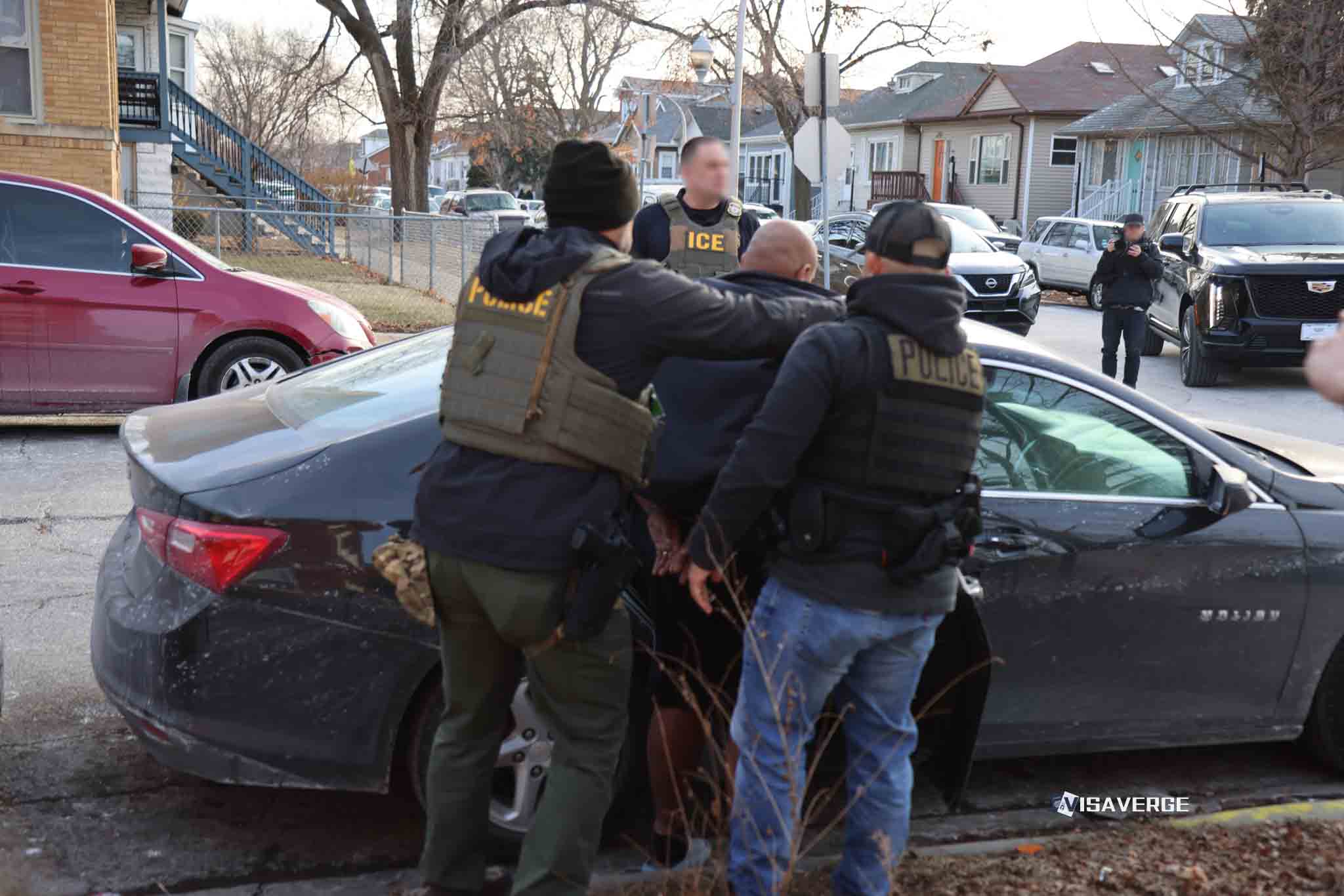
What changed—and when. As of February 10, 2026, investigative reporting and congressional testimony have put new public focus on a practice that appears to be expanding in some jurisdictions: Local police using access to school cameras and connected license plate reader (LPR) networks to identify vehicles near schools, and then sharing results with ICE for immigration enforcement. This development is occurring in the wake of the administration’s January 2025 rescission of the longstanding DHS guidance limiting enforcement activity at schools and other “sensitive” or “protected” sites.
Primary sources cited. The update draws from official statements and testimony from DHS leadership (including ICE, CBP, and USCIS) and from DHS/ICE public materials, plus the newly filed Minnesota federal lawsuit captioned Fridley Public School District v. DHS (D. Minn., filed Feb. 4, 2026). Readers can track agency statements through DHS’s newsroom and USCIS’s newsroom.
1) Overview: How local police access school cameras, and why it matters
In many districts, school security video is not a standalone system. It may connect to citywide real-time crime centers, contracted monitoring services, or police-access portals. That setup can allow police to view feeds, pull clips, or run searches based on time and location.
The reporting described two distinct pathways:
- Direct school-to-federal sharing: A school district provides video or logs in response to a request.
- Indirect sharing through police: Police access the school’s camera ecosystem or LPR network, run searches, and then provide information or “hits” to federal partners, including ICE.
The second pathway is drawing attention because it can occur without a school administrator transmitting video to ICE. It also places enforcement activity near schools under a brighter spotlight. School-adjacent areas are especially sensitive for families because drop-off, pick-up, and bus stops create predictable patterns.
2) Official statements and testimony: What agencies are saying
DHS and its components have recently addressed enforcement posture and technology use, including in school-related contexts.
- DHS’s role is policy direction and oversight across components.
- ICE is the primary interior enforcement agency for civil immigration arrests and detention.
- CBP focuses on border and ports-of-entry functions, but increasingly intersects with technology and information sharing.
- USCIS adjudicates immigration benefits and does not conduct arrests as a primary mission, but may be questioned about screening, fraud detection, and data use.
Recent DHS comments emphasized “common sense” enforcement and public-safety framing. Separately, an ICE internal memo reportedly instructed agents, following an Oregon injunction, to avoid arrests without an administrative warrant unless there is a “likelihood of escape” before a warrant can be obtained.
Congressional testimony can matter operationally. Hearings may drive appropriations, oversight letters, inspector general reviews, and new internal guidance.
3) Key facts, technology, and policy mechanics (and why “searches” matter)
LPR networks (including Flock Safety-style systems). LPR cameras typically capture a vehicle’s license plate number, a photo of the vehicle, time stamps, and location. Authorized users can run queries. Systems often maintain search logs and audit trails, which can show who searched and why.
School camera ecosystems. School video systems vary by district and vendor. Key variables include who “owns” the data, who has credentials, how long footage is retained, and whether there are audit logs for access. District contracts and board policies often determine whether police get live access, on-request access, or none.
Protected/sensitive locations guidance. DHS historically maintained guidance restricting enforcement at schools and similar locations without added approvals. The reported January 2025 rescission does not create a new statutory power by itself. It may, however, lower internal hurdles and expand discretion for operations near schools.
287(g) agreements. INA § 287(g) authorizes DHS to enter agreements with state or local agencies so designated officers may perform certain immigration enforcement functions under federal supervision. It is not automatic. It is not statewide “deputization” without an agreement and training.
Administrative vs. judicial warrants. ICE commonly uses administrative warrants in civil immigration enforcement. They are issued within the executive branch, not by a judge. A judicial warrant is signed by a judge and is generally required for certain entries into homes absent consent or exigent circumstances. The distinction often becomes central when enforcement occurs in community settings, including near schools.
Warning: Do not assume an ICE “warrant” is a court warrant. If officers seek entry to a home, families may want to ask whether a judge signed the warrant.
4) Context and significance: Why data-sharing is a force multiplier
Networked surveillance can act as a force multiplier. One school-linked LPR or camera network, accessed by multiple agencies, can allow broad searches across jurisdictions. That is part of why critics describe a “digital dragnet.”
Routine school activities generate consistent data trails. Drop-off lines, bus loops, and parking-lot entrances are predictable. Even if enforcement is not “at the school,” operations near bus routes or adjacent streets can affect students.
This also creates tension with local non-cooperation policies. A city may restrict jail holds or limit direct communications with ICE. Yet data platforms can enable indirect cooperation, where local police share camera-derived information.
Common misunderstandings persist. Standard school cameras are not necessarily facial recognition systems. LPR hits are not GPS trackers. They are still powerful because they can place a vehicle at a place and time.
5) Practical impact on families: Attendance, bus routes, and litigation
Reported community impacts include short-term attendance declines and parent reluctance to use school transportation or attend school events. Reports in Minnesota described heightened fear after sightings of agents near bus routes and stops.
The Minnesota lawsuit. The case Fridley Public School District v. DHS (D. Minn., filed Feb. 4, 2026) reportedly challenges the protected-areas guidance change under the Administrative Procedure Act, and seeks court-ordered relief that typically includes injunctions and declarations. Early-stage litigation often features motions for temporary restraining orders or preliminary injunctions, followed by appeals.
Families and districts documenting concerns often strengthen the record by keeping contemporaneous notes. Useful items may include dates, times, locations, screenshots of official school messages, and incident reports.
Deadline watch: If a court issues a temporary restraining order or preliminary injunction, the rules can change quickly. Check the docket for new orders before relying on older guidance.
6) Official sources to verify details and track updates
For primary documentation and updates:
- DHS newsroom (policy statements and releases)
- USCIS newsroom (agency updates and operational changes)
- ICE 287(g) program page (agreements and program scope)
- House Homeland Security Committee hearing materials (testimony, transcripts when posted)
- Federal court filings (Minnesota litigation): Search the U.S. District Court for the District of Minnesota docket for Fridley Public School District v. DHS and review the complaint, motions, and orders.
Action step (next 7–14 days): School districts should review vendor contracts, access-control lists, retention periods, and audit logs for school cameras and LPR tools. Families facing risk should speak with counsel promptly.
Recommended actions and timeline
- Immediately: If approached by ICE or local police, consider asking for identification and whether any warrant is judicial. Document the interaction if safe and lawful.
- This month: School boards and administrators may want to confirm who can access school cameras, whether police have credentials, and what audit logs show.
- Ongoing: Watch for court orders in the Minnesota case and for DHS/ICE guidance updates following congressional oversight. Individuals in removal proceedings should consult counsel about how local enforcement patterns may affect bond, check-ins, or risk assessments under INA provisions governing removability and detention.
⚖️ Legal Disclaimer: This article provides general information about immigration law and is not legal advice. Consult a qualified immigration attorney for advice about your specific situation.
Resources: – AILA Lawyer Referral