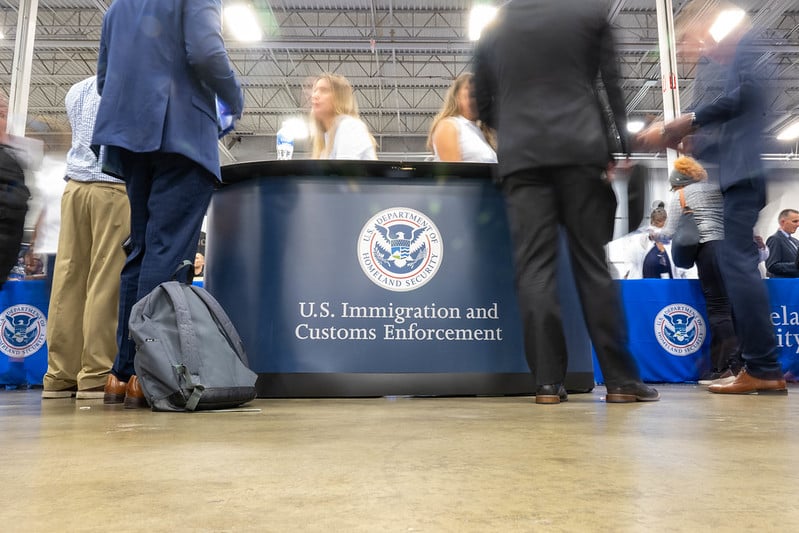
- USCIS streamlined H-2A processing allows filings to begin before full labor certification approval.
- New modernization rules enable worker portability between employers immediately upon filing a new petition.
- Operation PARRIS increases fraud and integrity screening for refugees and agricultural labor pipelines.
Agricultural employers are operating under a materially changed federal posture: USCIS has sped up parts of the H-2A process effective October 2, 2025, while the Department of Homeland Security (DHS) has simultaneously expanded integrity and fraud-screening initiatives, including Operation PARRIS launched January 9, 2026. The combined effect is a wider set of legal pathways for agricultural labor—paired with greater scrutiny and enforcement pressure.
The main sources are USCIS news releases on H-2A streamlining and Operation PARRIS, plus related public statements by DHS leadership. See USCIS’s announcement on H-2A streamlining and its release on Operation PARRIS.
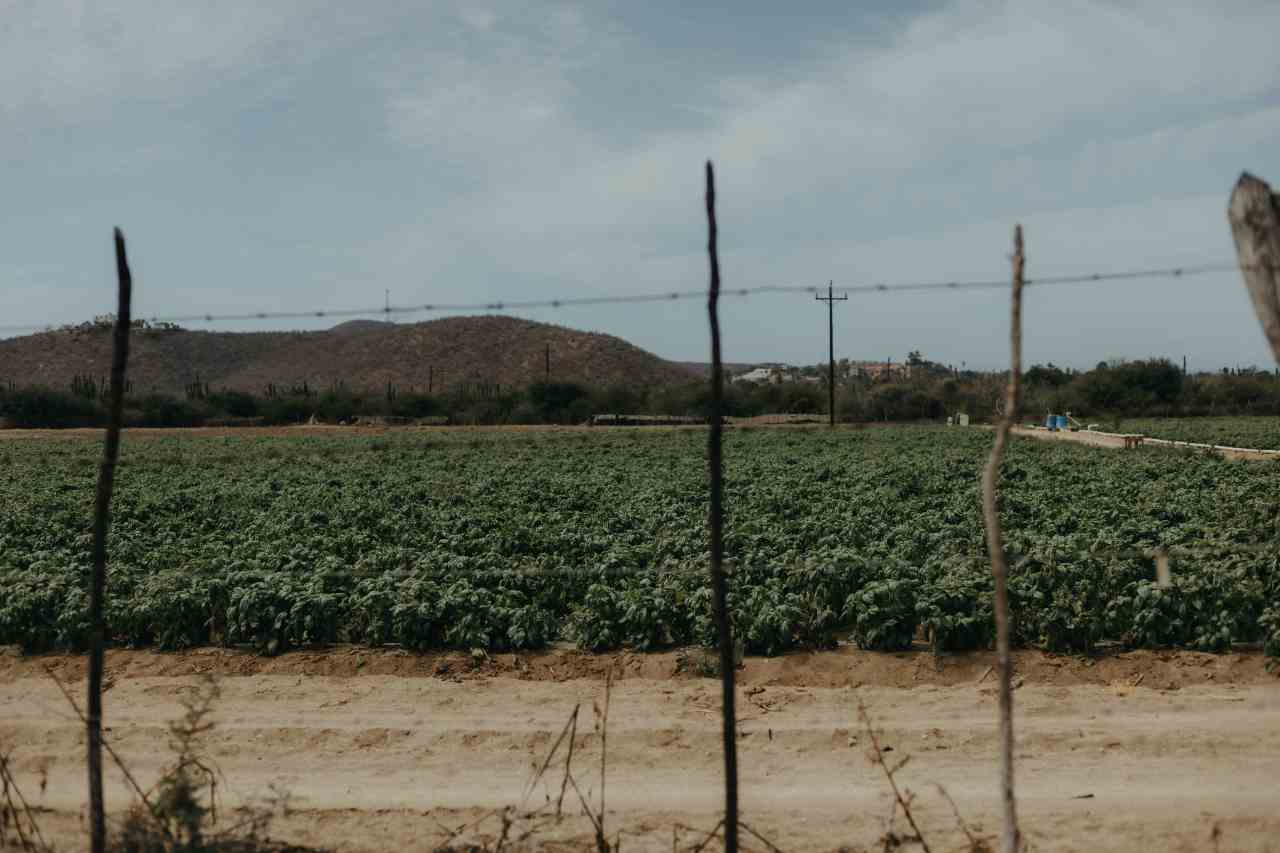
Agriculture is uniquely exposed because seasonal labor planning is time-sensitive, rural worksites can be disrupted by enforcement activity, and employers often rely on third-party recruiters, housing, and transportation arrangements that create additional compliance risk.
In plain terms, the initiatives discussed below include: (1) H-2A streamlining, which changes when USCIS can start processing certain petitions; (2) H-2A modernization, including worker “portability” and broader country participation; and (3) integrity screening (including “PARRIS”), which can mean more rechecks, interviews, and requests for evidence.
Key policy details and dates employers should plan around
H-2A streamlining (effective Oct. 2, 2025). USCIS now may begin processing certain H-2A petitions for unnamed beneficiaries once the Department of Labor accepts the labor certification application, rather than waiting for full DOL approval.
H-2A is authorized under INA § 101(a)(15)(H)(ii)(a) and petition procedures flow through INA § 214 and implementing regulations, including 8 C.F.R. § 214.2(h). Practically, this can shift internal timelines for when employers prepare petition packets, coordinate consular steps, and set start dates.
It does not remove core requirements, including the underlying labor certification and job terms.
H-2A modernization (January 2025 rules). Two concepts matter operationally:
- Portability. An H-2A worker may move to a new employer immediately upon the filing of a new H-2A petition. This can reduce downtime for workers and may help farms fill gaps quickly, but it can also increase mid-season turnover. Employers should expect more “handoff” situations where onboarding must be fast, consistent, and well documented.
- Eligible countries list removed. DHS eliminated a fixed list and permits recruitment from any nation if security standards are met. This is not a promise of approval for any given worker or country. Consular processing, vetting, and admissibility screening still control outcomes.
Operation PARRIS and expanded vetting (launched Jan. 9, 2026). DHS/USCIS described Operation PARRIS—“Post-Admission Refugee Reverification and Integrity Strengthening”—as a reinvestigation initiative. It is reexamining 5,600 refugee cases in Minnesota involving refugees who do not yet have green cards.
USCIS also announced a specialized vetting unit the same day to bolster screening for security threats and fraud. For agricultural employers, the key point is indirect but real: in regions with refugee hiring pipelines (including food processing and farm-adjacent work), reverification activity can increase document questions, interview notices, and processing delays that affect staffing stability.
Deadline Watch (Jan. 30, 2026): A potential federal government shutdown has been flagged as a near-term risk. Shutdowns can disrupt visa processing and related staffing timelines. Build contingency time into spring-season plans.
What agencies are signaling through their statements
USCIS has framed the H-2A filing change as supporting farmers while insisting on “thoroughly screened and vetted” workers, linking legal pathways to public confidence in the rule of law. That framing often corresponds to tighter documentary expectations and less tolerance for inconsistent filings.
DHS messaging around Operation PARRIS has emphasized fraud detection and deterrence. In practice, that posture can translate into more site visits, more Requests for Evidence, and closer review of patterns involving recruiters, related corporate entities, or repeated filings.
Separately, DHS leadership comments about deploying additional agents and encouraging local cooperation are best read as an enforcement priority statement—not as a change to the legal eligibility standards for H-2A or refugee benefits.
Why this matters in the fields: easier mechanics can still mean more scrutiny
Agriculture can face disproportionate disruption because a missed start date can collapse an entire planting or harvest window. Even short delays may ripple into supply chains, overtime costs, and worker housing contracts.
The current “perfect storm” dynamic is that more flexible program mechanics (earlier USCIS processing and portability) can coexist with more audits and integrity checks. Employers should be ready for both at once.
Operational watchpoints include: consistent Form I-9 practices under 8 C.F.R. § 274a.2, recruiter oversight and contract documentation, and accurate housing and transportation records. Portability also raises practical questions about how quickly payroll, onboarding, and injury reporting can be done correctly when workers transfer mid-season.
Compliance Warning: Portability can increase rapid turnover. If onboarding is rushed, I-9 errors and wage/hour inconsistencies become more likely and can surface during audits.
Impacts on workers, farms, and related healthcare and community stability
Reports from elected officials and farm leaders describe worker fear when enforcement activity is visible near rural worksites. Even lawfully present workers may skip shifts, avoid travel to job sites, or miss medical appointments if they believe checkpoints or stops are likely.
That can affect farm continuity and worker health outcomes. Legal challenges are also part of the environment. A lawsuit supported by the ACLU and United Farm Workers was reported filed on January 13, 2026, alleging unlawful stops and warrantless arrests.
Litigation does not automatically change DHS authority nationwide, but it can shift employer risk posture. Employers often respond by tightening record retention, updating protocols for responding to agents, and coordinating communications strategies.
Continuity planning is increasingly a business necessity: identify backup labor sources, set escalation points with counsel, and standardize what supervisors should do if enforcement activity occurs near housing or work sites.
Action Alert: If your operation uses labor contractors, confirm who is responsible for document retention, pay records, and worker transport logs—and verify you can access copies quickly if audited.
Transition rules, open questions, and what to do next
No “grandfathering” change was announced for the integrity initiatives described. However, the H-2A streamlining change is essentially a timing rule that applies going forward to qualifying filings.
Portability similarly turns on filing a new petition; employers should confirm start-date assumptions and payroll transitions with counsel. Pending litigation and political developments may alter enforcement practices by region.
Employers should assume that audit readiness remains a constant, even if processing becomes faster in some lanes. Recommended actions for the next 7–30 days: review spring H-2A calendars, confirm DOL/USCIS filing sequencing, refresh I-9 training, and run a recruiter and housing compliance check.
If you employ refugees or other humanitarian entrants, consider confidential check-ins with employees about notices received and encourage prompt legal consultation.
Official verification should come from the USCIS newsroom and DHS announcements. Save PDFs or screenshots of the guidance you rely on, along with the date accessed, to preserve an audit trail.
This article provides general information about immigration law and is not legal advice. Consult a qualified immigration attorney for advice about your specific situation.