- Judge Sunshine Sykes vacated a BIA precedent that allowed for the mass detention of immigrants without bond hearings.
- The ruling challenges DHS efforts to classify long-term interior residents as applicants for admission subject to mandatory detention.
- A jurisdictional conflict exists between this California-based ruling and a recent opposing decision from the Fifth Circuit Court.
(CENTRAL DISTRICT OF CALIFORNIA) — In a February 18, 2026 decision, U.S. District Judge Sunshine Sykes vacated the BIA’s mass-detention framework tied to INA detention provisions, signaling a major shift in how detainees arrested inside the U.S. can access bond hearings and challenging DHS’s latest reinterpretation of who counts as an “applicant for admission.”
Section 1: Overview of the ruling and case context
Judge Sunshine Sykes’s order in Maldonado Bautista v. Noem reset a central fight in immigration detention law: when DHS can hold someone without a bond hearing, and when an immigration judge must be allowed to assess release conditions case by case. The practical effect is straightforward. A key Board of Immigration Appeals precedent had been used to shut the courthouse door on bond hearings for many people arrested inside the United States. Sykes vacated that precedent.
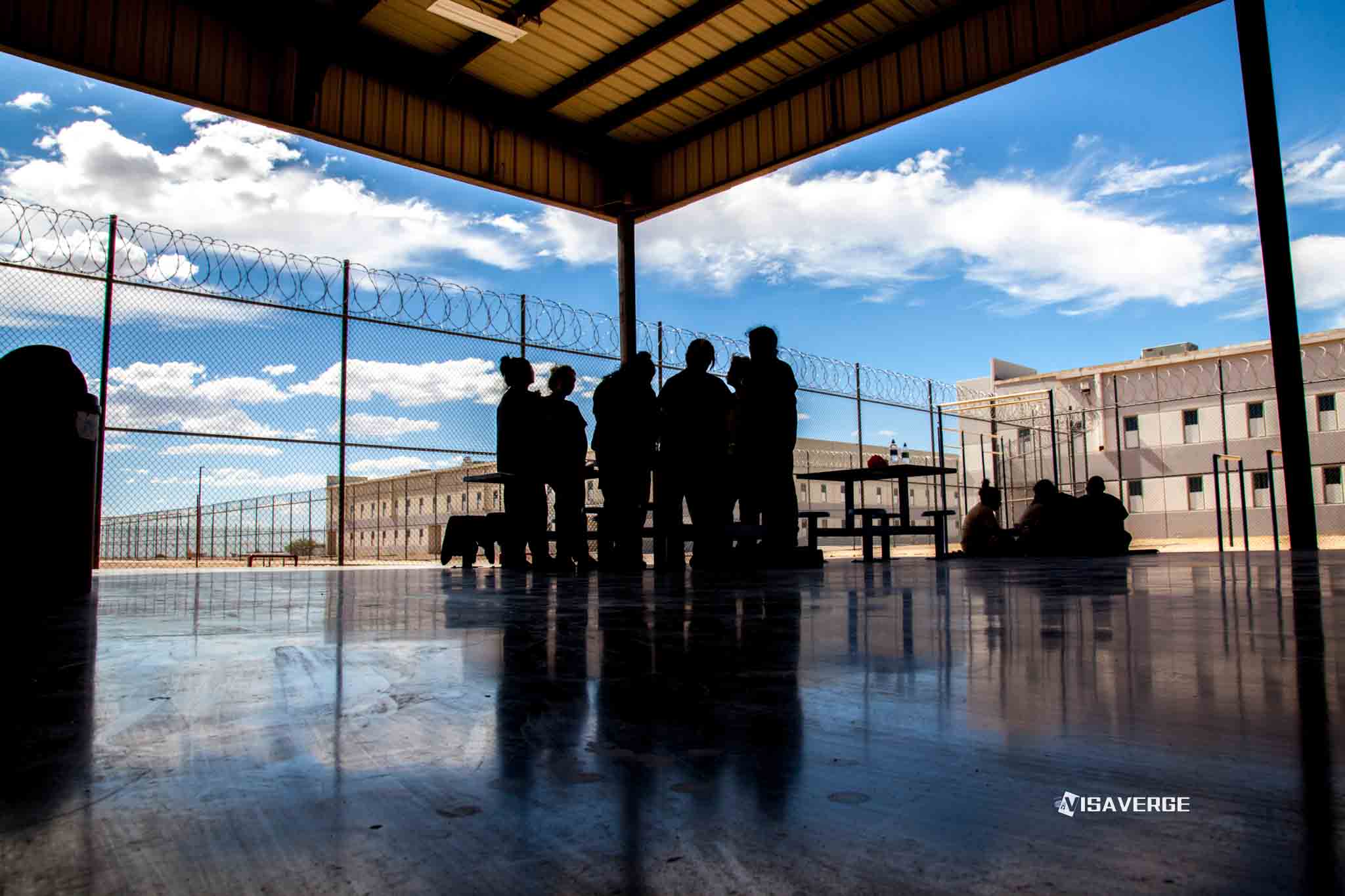
Bond hearings matter because they are often the only forum where a detained person can ask an immigration judge to weigh individualized facts. Risk of flight. Risk to public safety. Family ties and stable address. Medical issues. Without that hearing, detention can become automatic and prolonged, even for people with deep roots in the country.
Federal immigration detention rules are shaped by more than one institution at once. DHS sets enforcement posture and issues legal interpretations for its officers. The Board of Immigration Appeals (BIA), housed in the Department of Justice (DOJ), issues precedents that bind immigration judges nationwide. Federal courts then decide whether those agency moves fit the statute and the Constitution. Sykes’s ruling is the latest example of that push and pull, and it arrives amid active circuit-level disagreement.
Section 2: Key facts and policy details
At the center of the dispute sits a Trump-era mass detention policy that DHS revived through a newer legal theory. Under that approach, DHS treated many people arrested during interior enforcement actions as subject to mandatory detention. The government’s argument hinged on a classification label: “applicant for admission.”
Ordinarily, “applicant for admission” fits cleanly at the border. A person presents at a port of entry, or is apprehended soon after crossing, and DHS processes them for admission decisions. Interior arrests look different. Many detainees in these cases were living in the United States for years, sometimes decades, before being taken into ICE custody during workplace or community enforcement operations.
A July 2025 DHS memo reframed that distinction. Conceptually, it asserted that a person who entered without inspection could be treated as an “applicant for admission” later, even after long-term residence. That classification mattered because DHS paired it with mandatory detention under INA § 235(b)(2)(A). If § 235(b)(2)(A) applies, DHS argued, immigration judges lack authority to conduct bond hearings for those detainees.
The BIA then endorsed that framework in Matter of Yajure Hurtado (29 I&N Dec. 216), issued September 5, 2025. Immigration judges, bound by BIA precedent, could cite Yajure Hurtado to deny bond hearing jurisdiction. That is the mechanism the government relied on in many cases.
Judge Sykes’s vacatur cuts the administrative link that made the policy easier to apply across the country. Instead of debating bond eligibility one courtroom at a time, DHS could point to a single BIA precedent and argue the debate was over. After February 18, that shortcut is gone in Sykes’s court.
A separate pressure point comes from the U.S. Fifth Circuit Court of Appeals. On February 6, 2026, it upheld the same core interpretation within its jurisdiction. That jurisdiction includes Texas, Louisiana, and Mississippi. The result is a live conflict between a nationwide-oriented class ruling from California and a binding circuit ruling in the Fifth Circuit.
| Aspect | Pre-ruling posture | Post-ruling posture | Impact on bond hearings |
|---|---|---|---|
| Governing BIA precedent | Matter of Yajure Hurtado (29 I&N Dec. 216) treated certain interior arrestees as subject to mandatory detention | Yajure Hurtado vacated by Judge Sunshine Sykes in the class case | Immigration judges have a stronger basis to accept bond jurisdiction for covered detainees |
| DHS “applicant for admission” theory | July 2025 DHS memo broadened “applicant for admission” to include long-term interior entrants | Theory still asserted by DHS, but the BIA endorsement is removed in this case | Arguments shift back to statutory interpretation and court orders, not a single BIA cite |
| INA § 235(b)(2)(A) use | Applied as a mandatory detention hook to deny bond hearings | Application contested, with more room for individualized review depending on forum | More detainees may reach a bond hearing where flight risk and danger are weighed |
| Border vs. interior distinction | Blurred for detention purposes | Re-emphasized by the court’s criticism of the expanded classification | Interior arrests may not automatically trigger border-style mandatory detention rules |
| Circuit alignment | DHS could point to BIA precedent nationwide | Fifth Circuit remains a separate constraint in Texas, Louisiana, Mississippi | Outcomes may diverge by geography, at least temporarily |
Section 3: Judicial statements and government responses
December 2025 set the stage for the February ruling. Judge Sykes had already issued a declaratory judgment that undercut the government’s bond-denial approach in her case. The February 18 order reads as enforcement, not mere clarification. Her language signaled that she viewed the agencies as resisting a direct court instruction.
Sykes described the DHS and DOJ posture in blunt terms. She called the effort to keep denying bond hearings “shameless,” and she accused officials of a “campaign of illegal action.” Another line carried constitutional weight: “Respondents have far crossed the boundaries of constitutional conduct.” the judge framed the problem as a due process breakdown, not a technical paperwork dispute.
Public messaging after the ruling also mattered. DHS and DOJ spokespeople did not immediately comment on the specific February 18 decision. Silence can be strategic. It can also signal that the next steps will play out in filings first, including requests for a stay or an appeal on an accelerated schedule.
Attorney General Pam Bondi and DHS Secretary Kristi Noem had already previewed the government’s position after the Fifth Circuit win. Bondi praised the February 6, 2026 ruling on social media and framed it as support for detention “without bond,” while attacking “activist judges.” Noem echoed that theme on February 13, 2026, arguing judges had ordered releases based on what she called a “false claim” that DHS broke the law.
[warning] ⚠️ Note the ongoing jurisdictional tension: nationwide class scope vs. Fifth Circuit limitations within its jurisdiction; expect further appeals and stays
Section 4: Significance, scope, and impact
Restoring access to “individualized” bond hearings changes daily reality inside detention centers. Individualized means the immigration judge must evaluate a person, not a category. DHS can argue flight risk or danger. The detainee can submit evidence in response. The judge can set bond, impose conditions, or deny release based on the record.
Geography will still shape outcomes. A person detained in California and covered by the class ruling may be positioned differently from someone detained in Texas under controlling Fifth Circuit law. Lawyers and families should be prepared for fast-moving procedural disputes over venue, transfers, and which court order governs an individual case.
Class-wide relief also raises administration questions. Immigration courts run on dockets and calendars. When a category of cases shifts from “no jurisdiction for bond” to “bond hearing required,” the work does not disappear. It moves. Hearings must be scheduled, evidence reviewed, interpreters arranged, and decisions written quickly.
[warning] ⚠️ Note the ongoing jurisdictional tension: nationwide class scope vs. Fifth Circuit limitations within its jurisdiction; expect further appeals and stays
Section 5: Detention statistics and current context
Mid-February 2026 data placed more than 70,000 people in ICE detention. About 74% had no criminal convictions. That statistic often gets misread. “No criminal convictions” does not necessarily mean no arrests or no pending charges. It does mean many detained people have not been found guilty in criminal court.
Those numbers also hint at scale. If even a fraction of the detained population becomes newly eligible to request bond hearings, court capacity becomes the constraint. Bond calendars can grow quickly. Detention facilities face churn as custody decisions change. Legal services providers see spikes in emergency filings and hearing preparation.
Measurement can shift by methodology and timing, so any single snapshot should be treated cautiously. Still, the trend supports Sykes’s criticism of messaging that detention targets only the “worst of the worst.” Broad mandatory detention theories, by design, sweep wider than that slogan.
Section 6: Official sources and where to read more
Readers checking developments should separate agency policy statements from binding legal decisions. DHS press releases explain enforcement posture and how the Department of Homeland Security describes its authority. DOJ updates, including the Office of Public Affairs, can signal litigation steps and major court responses. USCIS materials may help confirm how DHS communicates immigration categories, though USCIS does not run ICE detention decisions.
BIA precedent decisions are published through DOJ channels. That is where Matter of Yajure Hurtado can be confirmed by citation, along with any later Attorney General certifications that could reshape immigration judge authority nationwide.
Court dockets remain the cleanest way to verify whether a stay has been requested or granted. Saving copies of key agency pages can also help, because web language can change after major rulings.
[action] ✅ Readers should monitor USCIS/DHS press releases and court dockets for updates on bond hearing eligibility and any stay orders
This article is intended to inform and not to provide legal advice.
Readers should consult qualified counsel for individualized guidance on detention and bond matters.