- A federal judge issued a restraining order limiting use of munitions near Portland’s ICE facility.
- Agents must prove an imminent threat of harm before deploying chemical irritants or projectiles.
- The current restrictions expire after 14 days unless extended during the March 2 hearing.
(PORTLAND, OREGON) — A federal court order issued February 3, 2026, immediately tightened limits on when federal agents may deploy tear gas and other crowd-control munitions near the ICE facility in Portland, as litigation over protest policing and press access moves into a fast, court-supervised schedule.
U.S. District Judge Michael H. Simon (District of Oregon) entered a temporary restraining order in the case challenging federal crowd-control tactics outside the Portland ICE facility. A TRO is emergency, short-term relief. It is not a final ruling on the merits.
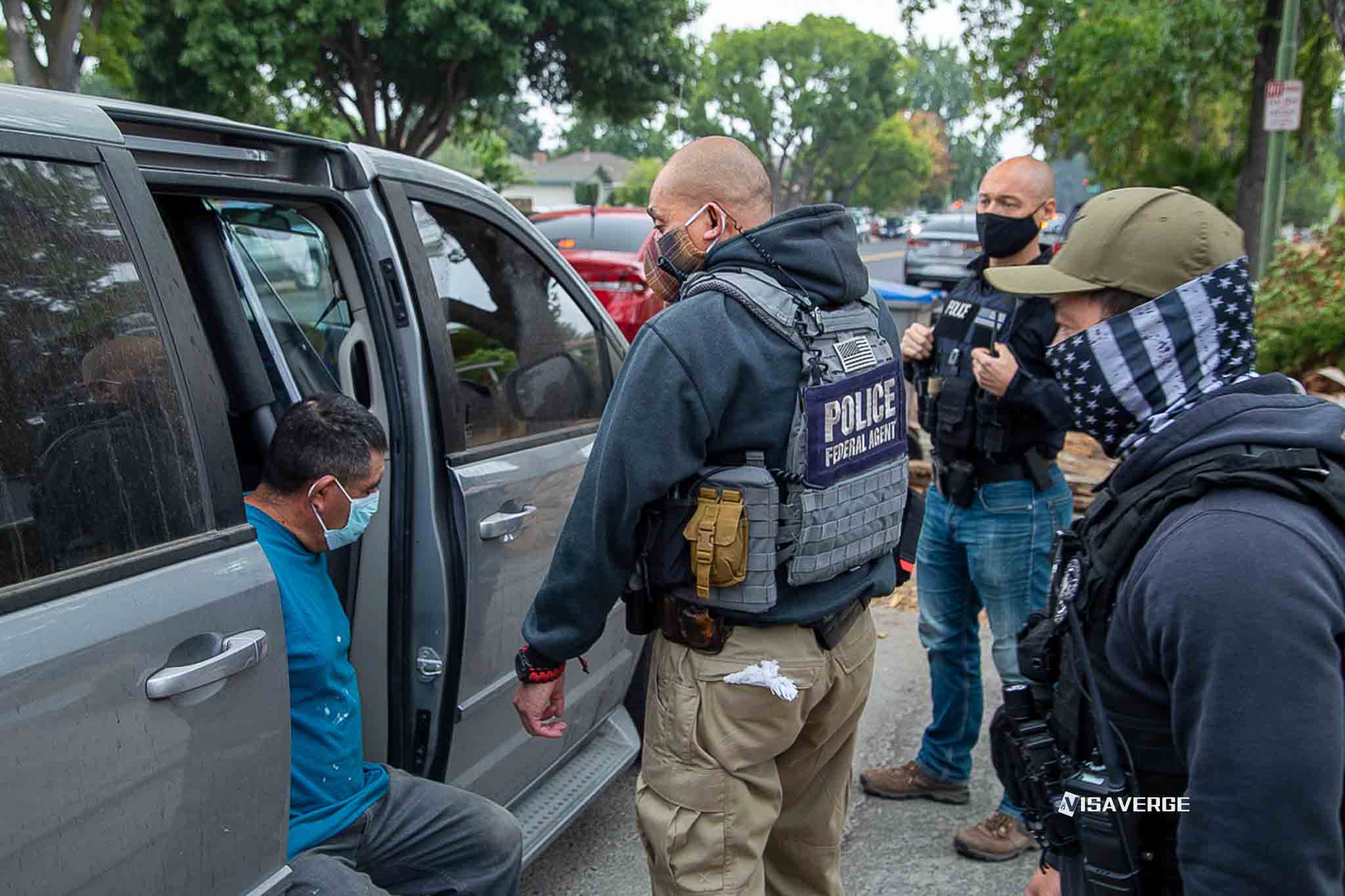
The order took effect upon issuance on February 3, 2026, and is set to run 14 days, with a follow-on court hearing currently scheduled for March 2, 2026 to consider longer-term relief.
Deadline (Court Schedule): The TRO is time-limited (14 days) and the next key court date is March 2, 2026. Court orders can be modified or replaced quickly.
1) Temporary Restraining Order (TRO): Court Action and Key Dates
A TRO typically preserves the status quo while the court evaluates whether a preliminary injunction should issue after fuller briefing. Here, the court restrained federal agents’ use of certain munitions in the covered protest context near the Portland ICE facility.
For readers tracking DHS- and ICE-related events, the dates matter because operational rules can shift immediately with emergency court relief, then shift again after the next hearing.
Procedurally, the next steps often include briefing, evidence submissions, and a hearing on whether to extend relief through a preliminary injunction. The federal government may also seek clarification, narrowing, or a stay pending appeal.
At this stage, the TRO is a court directive that binds covered federal personnel while it remains in effect.
2) Specific Restrictions on Use of Munitions
The central operational change is a higher threshold for deployment. Under the TRO, agents are barred from using chemical or projectile munitions unless the specific target presents an “imminent threat of physical harm” to an officer or another person.
The order covers a range of chemical irritants and projectile or launcher devices. It also addresses how those tools may be aimed and why they may be used. In practical terms, the court’s limits can affect crowd-control responses to trespass, non-violent civil disobedience, or refusal to disperse.
- Imminent-threat condition: Chemical irritants and projectile munitions may not be used absent an imminent threat of physical harm.
- Targeting limits: Agents may not fire at a person’s head, neck, or torso unless deadly force would be legally justified.
- Not for mere dispersal: Munitions may not be used solely to move a crowd based on trespassing or refusal to obey a dispersal order.
The TRO also addresses verbal warnings and restraint. In many court-ordered force policies, warnings mean clear announcements of what conduct is prohibited, what will happen next, and how to leave safely, when feasible.
De-escalation expectations usually mean choosing time, distance, and communication over immediate force when conditions allow.
The court described the operational change as high impact. People near the area should expect revised procedures and rapid updates after court hearings.
3) Official Statements and Framing from DHS
DHS issued multiple public statements in early February 2026 through Assistant Secretary for Public Affairs Tricia McLaughlin. On February 3, 2026, DHS defended its actions as constitutional measures aimed at protecting officers, the public, and federal property.
DHS also stated agents used the “minimum amount of force necessary.”
On February 4, 2026, DHS described the events as violent, alleging assaults, fireworks directed at law enforcement, tire slashing, and property damage. DHS contrasted “peaceful assembly” with “rioting” and asserted that enforcement actions were aimed at safety and the rule of law.
These competing descriptions can matter in court because judges often evaluate whether government actions were narrowly tailored to safety needs and whether alternatives existed, especially where speech and newsgathering are implicated. The TRO itself does not resolve those disputes. It sets interim limits while the case proceeds.
4) Context, Timeline, and National Flow of Protests
The Portland events arose amid a broader national protest wave following January 2026 fatal shootings of two U.S. citizens, Renée Good and Alex Pretti, by federal immigration agents in Minneapolis, as described in the litigation record summarized in reporting.
In Portland, the ICE facility area became a focal point. The weekend of January 31–February 1, 2026 saw heavy deployments of crowd-control munitions during a march described as including families and unionized workers. Judge Simon’s TRO language framed the dispute as implicating First Amendment values, including protest and newsgathering.
Courts assessing protest-policing claims typically balance public safety and property protection against the rights of speech, assembly, and press activity. A TRO can be issued when a judge finds emergency relief may be needed to prevent irreparable harm before full litigation.
5) Impact on Affected Individuals
The TRO’s immediate effects are most concrete for people likely to be near the ICE facility during demonstrations.
- Residents and bystanders: Sworn statements described exposure affecting children, elderly people, and individuals with mobility devices. The record also included allegations that tear gas entered nearby housing. Indoor exposure concerns can be heightened in dense apartment settings.
- Journalists: The filings described alleged injuries and equipment damage, including claims of pepper-ball impacts on a photojournalist. Courts frequently scrutinize claims that law enforcement actions burden newsgathering.
- Federal agents: Agents face tighter limits on when munitions may be used, where they may be aimed, and the need for warnings and restraint, when feasible.
Because this is a TRO, the rules may change. The court can clarify terms, narrow the covered area, extend relief, or replace it with a new order after the March 2 hearing.
If you attend protests as an immigrant, asylum applicant, or noncitizen visitor, consider the immigration consequences of any arrest or charge. Some outcomes can trigger detention or affect eligibility for relief under INA § 208, INA § 240A, or related provisions.
6) Official Government Sources and Where to Find More
To verify updates, distinguish between (1) binding court orders and (2) agency public statements.
- Court orders and hearing notices are best tracked through the District of Oregon’s official website and docket access tools.
- DHS statements are posted in the DHS newsroom.
- USCIS newsroom updates can matter for readers monitoring DHS-wide policy developments, even if the dispute concerns ICE operations: https://www.uscis.gov/newsroom
7) Data Snapshot and Key Figures
The court’s action on February 3, 2026 imposed a 14-day TRO restricting specified crowd-control munitions use near the Portland ICE facility. A key court date is March 2, 2026, when longer-term relief may be addressed.
Readers should re-check official sources for any extension, modification, or appeal activity.
8) Related Context: January–February 2026 Events
Large community and labor-related marches can draw families and observers near federal facilities, including ICE locations. That proximity can intensify conflict between facility security needs and First Amendment activity.
Court orders like this TRO can quickly change operational rules, even before any final merits decision.
What to watch next is the post-TRO schedule: briefing, evidentiary submissions, and whether the court issues a preliminary injunction or alters the restrictions. DHS may also issue revised guidance, and any appeal could affect timing depending on the circuit.
Check the court’s website for new orders before attending events, and review DHS statements for operational updates. If you were injured, arrested, or are a noncitizen facing charges, consult an immigration attorney promptly.
⚖️ Legal Disclaimer: This article provides general information about immigration law and is not legal advice. Immigration cases are highly fact-specific, and laws vary by jurisdiction. Consult a qualified immigration attorney for advice about your specific situation.
Resources:
- AILA Find a Lawyer