- A federal judge denied a preliminary injunction against the DHS policy restricting unannounced congressional site visits.
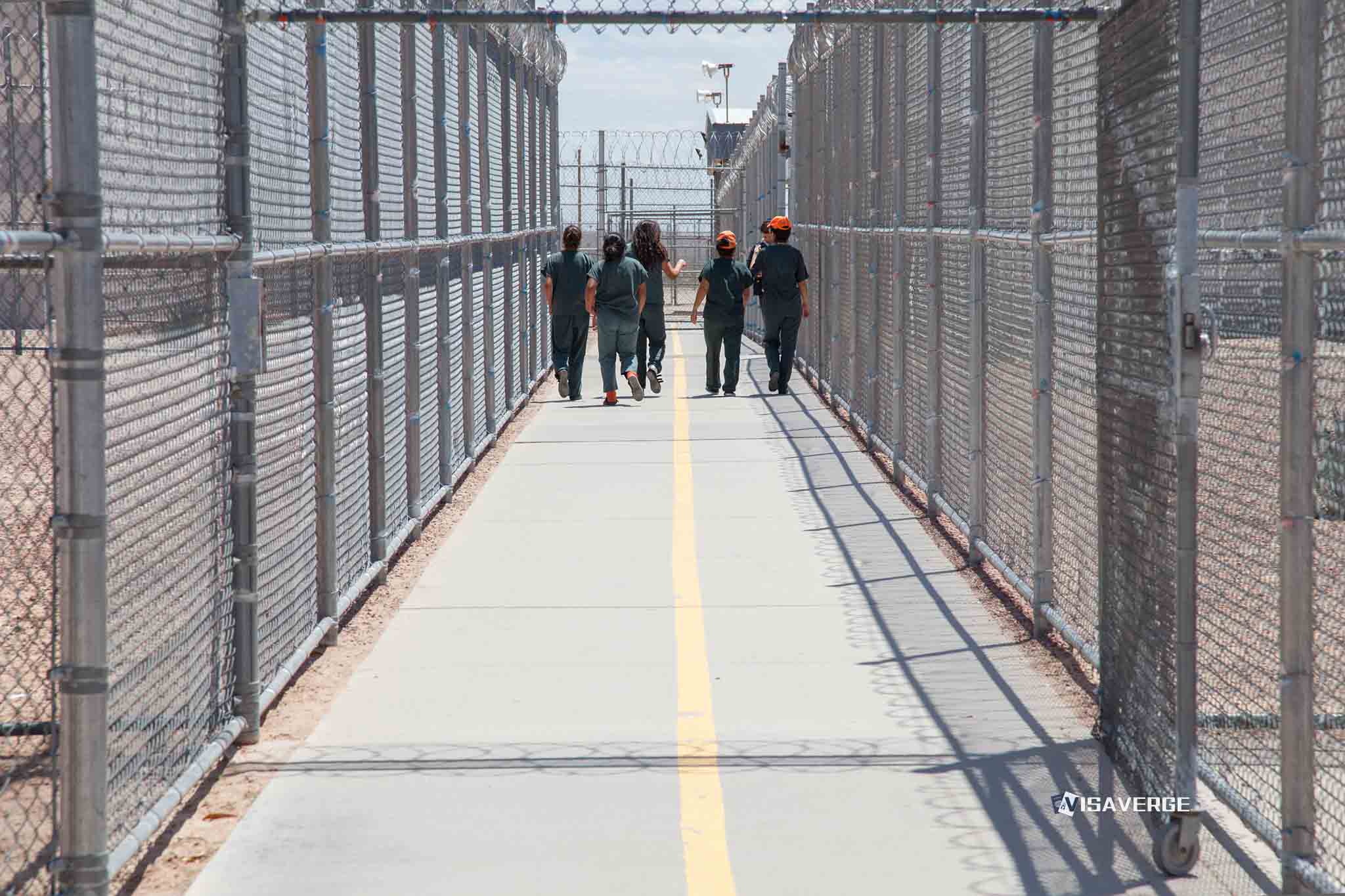
- Lawmakers must provide seven days’ advance notice before inspecting ICE detention facilities under the current directive.
- The legal dispute centers on funding authority from OBBBA versus traditional congressional oversight protections.
On January 19, 2026, U.S. District Judge Jia Cobb (D.D.C.) denied lawmakers’ request for a preliminary injunction, allowing the Department of Homeland Security (DHS) to keep enforcing a directive that restricts congressional entry without advance notice.
The immediate effect is procedural but significant: the notice policy remains in force while the case continues. The Order, U.S. District Court for the District of Columbia (Jan. 19, 2026), denied preliminary injunction sought by 12 Democratic Members of Congress challenging DHS/ICE enforcement of the new visitation directive.
The plaintiffs asked the court to halt the policy now, before a final merits decision. At this stage, courts typically require a strong showing of likely success, irreparable harm, and that equities favor emergency relief.
Judge Cobb declined to grant that relief, emphasizing that the January 8 directive functioned as a “new agency action”. That framing mattered because the court found the lawmakers used the wrong procedural vehicle to attack it at this time.
Practically, this means Congress does not gain broader access today. It also does not resolve whether the policy is ultimately lawful.
The ruling preserves a status quo in which DHS sets conditions on entry, pending further litigation steps.
Warning: A denial of a preliminary injunction is not a final ruling on the merits. The underlying legal questions may still be decided later, on a fuller record.
The seven-day advance notice rule: what it requires and how it works
Under the reinstated DHS guidance signed January 8, 2026, Members of Congress must provide at least seven days’ advance notice before conducting a tour or oversight visit at covered detention locations.
Notice must be given to ICE’s Office of Congressional Relations, according to DHS’s described mechanics. The policy changes the timing and bargaining position for oversight.
A Member who appears at a facility without notice may be turned away or delayed. With notice, the agency can plan staffing, movement, and access points.
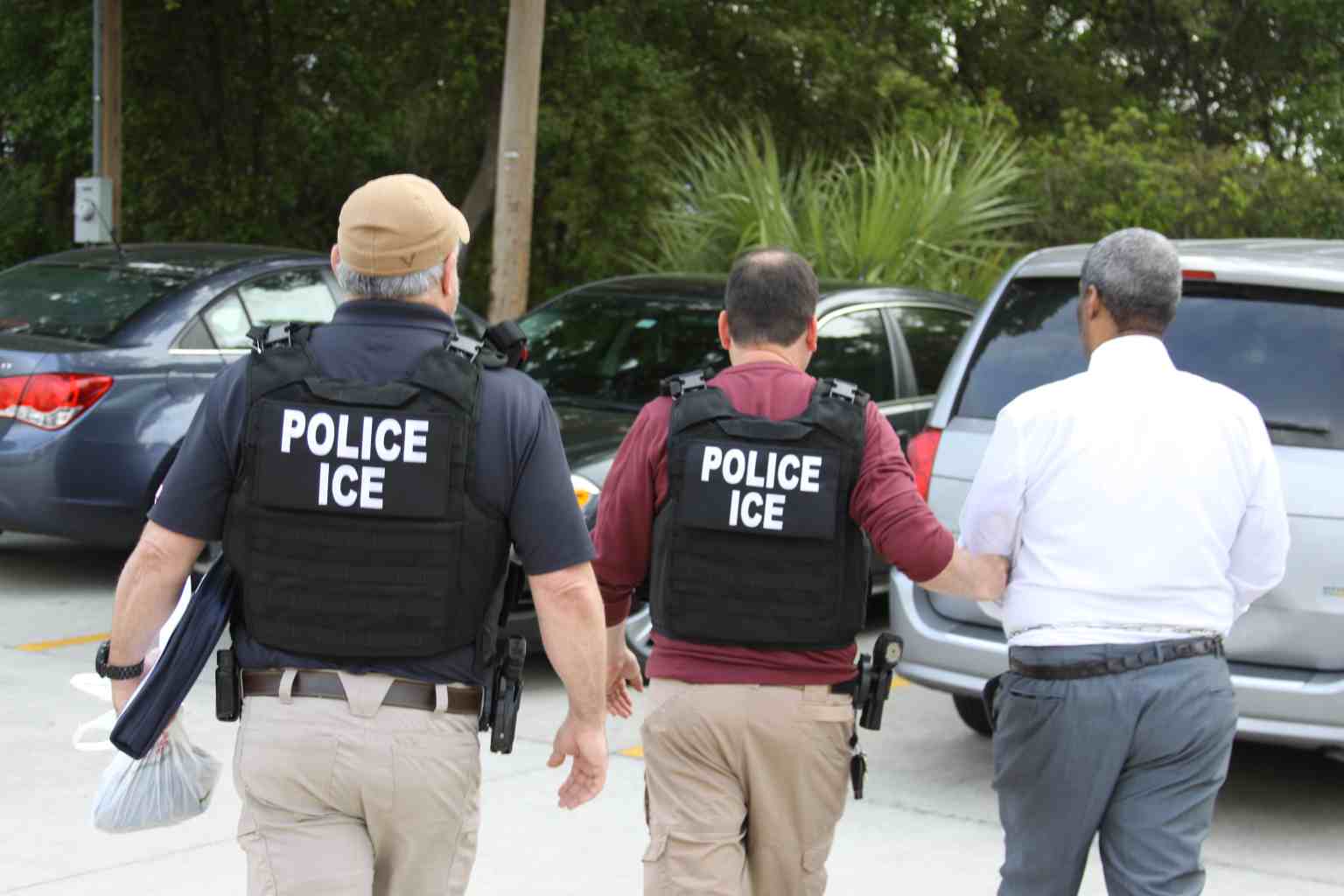
DHS has justified the directive partly as an operational measure. Secretary Kristi Noem wrote that unannounced inspections pull officers from duties and criticized what she called publicity-driven visits.
DHS officials also argue the policy aligns with existing court orders, depending on the funding source used. The biggest practical shift is evidentiary: unannounced entry can capture ordinary conditions, while a seven-day window can permit preparation, including cleaning, staffing changes, or moving detainees.
Whether preparation occurs in any given facility is a factual question. Disputes may still arise facility by facility, with common friction points including where interviews occur, what documents are produced, and whether all housing units are accessible.
Those details often drive the real oversight outcome more than the headline “notice” rule.
For DHS background materials, readers can track official updates in the DHS newsroom.
Funding and legal framework: Section 527, special funding, and “new agency action”
The legal fight centers on money and legal authority, not only separation-of-powers rhetoric. DHS argues the directive is permissible because detention operations are funded through the One Big Beautiful Bill Act (OBBBA), enacted in mid-2025.
DHS treats that funding as distinct from traditional annual appropriations limits. Lawmakers point to Section 527, which is commonly cited as restricting DHS from using appropriated funds to block congressional access or impose prior-notice conditions.
Readers can review statutory text via Cornell Law. A key procedural wrinkle is timing: Judge Cobb previously blocked a similar restriction on December 17, 2025, finding it likely unlawful under existing appropriations limits.
DHS then issued a new memo on January 8, tying the restriction to OBBBA funds. The court treated that as a potentially separate “agency action”, which can require a different legal challenge route.
This illustrates an often-overlooked feature of litigation: a change in funding rationale can reshape the court’s analysis, even if transparency and humane-treatment concerns remain.
Events driving scrutiny: Minneapolis, access disputes, and the appropriations calendar
Oversight pressure increased after a deadly enforcement incident and reported access conflicts. Secretary Noem signed the memo on January 8, 2026, one day after an ICE agent fatally shot Renee Nicole Good, a 23-year-old U.S. citizen, during an enforcement action in Minneapolis.
On January 10, 2026, Reps. Ilhan Omar, Kelly Morrison, and Angie Craig reportedly were denied entry to the Bishop Henry Whipple Federal Building while seeking information about conditions and the shooting.
These events fueled congressional urgency. They also arrived during budget negotiations ahead of a January 30, 2026 DHS appropriations deadline.
Oversight visits often intensify during appropriations talks because lawmakers seek firsthand information to support funding and policy decisions.
Deadline: The next major congressional pressure point cited in reports is January 30, 2026, tied to DHS annual appropriations.
Impact on detainees, lawmakers, and transparency (including healthcare oversight)
For detained individuals, oversight can affect health and safety in concrete ways. Surprise access may reveal gaps in medical screening, medication continuity, suicide watch practices, or crowding.
Advocates and lawmakers argue advance notice can reduce the chance of seeing urgent conditions as they exist day to day. The reporting cited 32 deaths in ICE custody in 2025. That figure is frequently referenced in debates about detention healthcare and accountability.
The litigation itself does not establish causation. Still, it frames why medical oversight remains central. For lawmakers, advance notice changes fact-finding and can affect spontaneous interviews and the ability to corroborate detainee reports.
For DHS, the policy can reduce operational disruption and improve security planning. At a systems level, the dispute tests how funding arguments can redefine oversight norms without amending the Immigration and Nationality Act.
Detention authority generally arises under INA § 236 (pre-removal detention) and INA § 241 (post-order detention). However, those statutes do not settle congressional facility-access mechanics.
Official documents to read and what to look for
Key materials include the January 8, 2026 DHS memorandum, the January 19, 2026 court order denying emergency relief, and DHS public statements defending legality and operational need.
When reviewing these documents, focus on which facilities are covered and whether subcomponents differ, any stated exceptions for emergencies or security events, the asserted funding authority, and implementation instructions to ICE field offices and Congressional Relations.
For immigration court context generally, EOIR’s structure and procedures are explained on EOIR’s site, though this case concerns detention oversight rather than removal hearings.
Warning: If a facility denies access or restricts interviews, preserving contemporaneous notes and written responses may matter later in litigation or oversight proceedings.
Recommended actions and timeline
- Members and staff planning visits should calendar the seven-day notice window and request written confirmation from ICE Congressional Relations.
- Advocacy and healthcare monitors should document medical access issues and seek facility-specific policies.
- Detainees and families should consult counsel if health care is delayed or if retaliation is alleged; evidence preservation is time-sensitive.
Pending appeals or renewed motions are possible. The denial of emergency relief suggests the dispute will move into merits briefing, record development, and potentially appellate review.
⚖️ Legal Disclaimer: This article provides general information about immigration law and is not legal advice. Immigration cases are highly fact-specific, and laws vary by jurisdiction. Consult a qualified immigration attorney for advice about your specific situation.