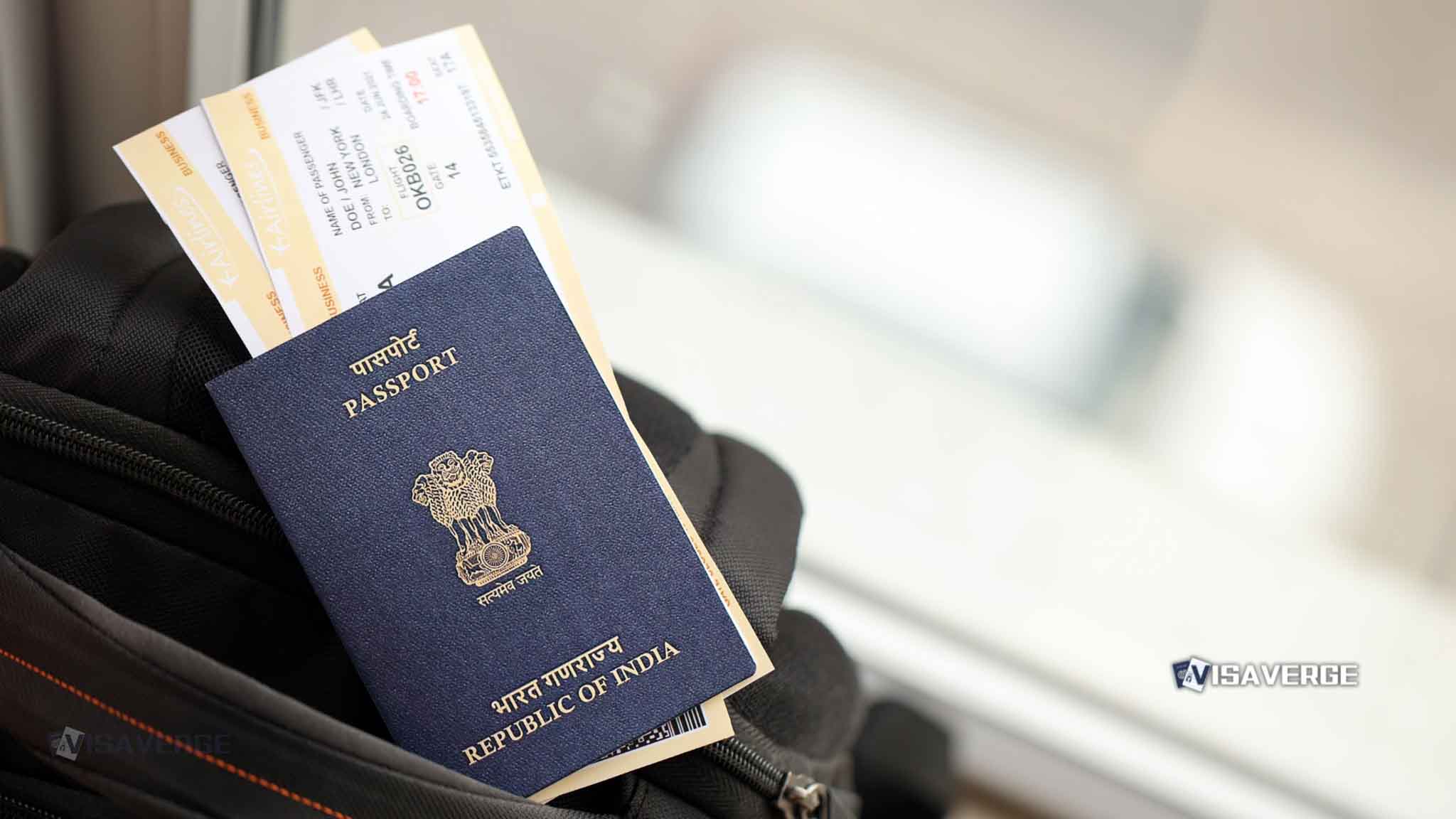
- OCI card holders should contact the Indian Embassy if stranded at Gulf airports during regional flight disruptions.
- Immigration status in India requires FRRO coordination only if passengers are physically located within Indian borders.
- Always maintain a folder of essential documents including OCI cards, passports, and proof of cancelled flight itineraries.
(UAE) OCI card holders caught in the travel disruption tied to the US–Israel–Iran conflict do not need to take any step with Indian immigration unless they are physically in India. If you’re in the Gulf, your case is mainly an airline and consular support issue triggered by airspace closure, not an immigration compliance problem.
That distinction matters because Overseas Citizen of India status doesn’t “expire” just because a flight is cancelled. What changes first is your ability to move, especially when carriers suspend routes or reroute around closed corridors. According to analysis by VisaVerge.com, the fastest help usually comes from your airline and Indian Embassy posts meant for stranded passengers, rather than from Indian immigration offices.
Gulf airports: what the Indian Embassy is doing and what you should do next
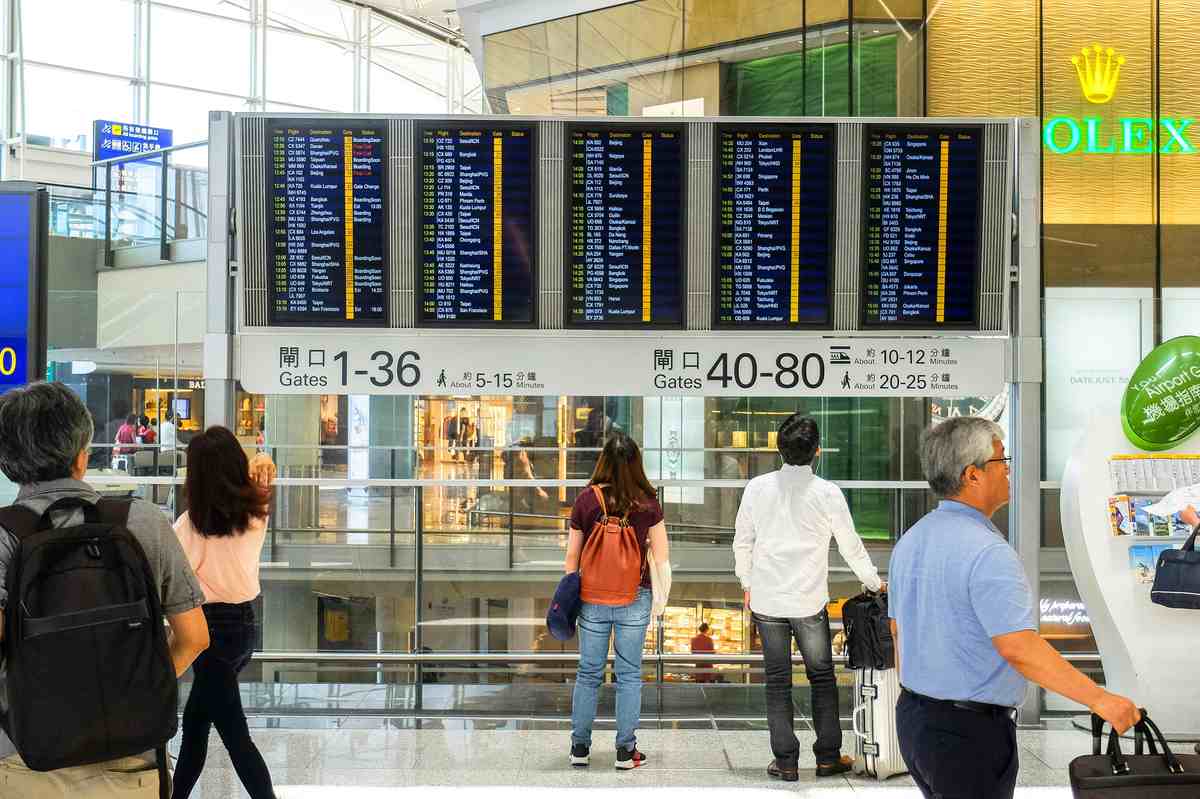
In the United Arab Emirates 🇦🇪, the Indian Embassy in Abu Dhabi said it is coordinating with local authorities and airlines. It said it is “in touch with UAE authorities and airlines for taking care of the Indian passengers stranded at the airports in UAE due to temporary and precautionary airspace closure.” The same type of coordination is expected across hubs where schedules have been disrupted, including Qatar and Bahrain.
Start with the basics and keep actions simple:
- Contact the Indian Embassy or your nearest Indian consulate as soon as you realize you can’t depart on the planned flight. Use the mission’s published helplines and email channels, and follow any request to register your details if required.
- Check directly with your airline for rebooking, refund options, and alternative routings. Ask whether the carrier will reissue tickets over a different hub, or place you on partner airlines.
- Monitor official embassy channels for updates on airport assistance, group arrangements, or changes in local entry rules for transit passengers.
- Keep documents in hand, not in checked baggage: passport, OCI card, old boarding passes, booking confirmations, and local ID if you live in the Gulf.
Expect airport-level realities. Counters get crowded and reroutes add long layovers. If you have a family member who needs medical support, or you are travelling with children, flag it early with the airline and consular staff so they can triage urgent cases.
What authorities and airlines will ask for during this disruption
When flights are interrupted by airspace closure, airport staff focus on identity, ticket ownership, and where you are allowed to enter. Keep answers consistent across check-in, transit desks, and any immigration counter you meet.
In the Gulf, consular teams usually ask for:
- your full name and date of birth as in your passport
- passport number and OCI card number
- flight number, booking reference, and current terminal
- a local phone number that works inside the airport
If you live in the UAE on a residence visa, carry your Emirates ID or residence permit copy, because hotels and airlines often request it during irregular operations.
In India, FRRO staff commonly want an address, a reachable Indian mobile number, and proof that you tried to depart on time. Bring printouts if your phone battery is unreliable.
A compact document set that prevents last-minute problems
Pack a small envelope with photocopies and digital scans of the following items:
- passport photo page
- OCI card front and back
- latest Indian entry stamp or e-visa page, if you travelled as a foreign passport holder in the past
- cancelled itinerary and airline disruption messages
This set speeds up rebooking, helps the Indian Embassy verify your details, and supports FRRO processing if your stay needs to be regularized.
If you ended up in India: the FRRO route for extensions and status fixes
OCI card holders who are now in India because they flew in earlier than planned, or could not depart on time, face a different set of rules. Inside India, the focus shifts from consular coordination to staying in status, especially if your intended itinerary assumed a short visit.
The Ministry of External Affairs issued a clear advisory for people stuck in India due to regional developments. It said: “All foreign nationals in India who need help with visa extensions or to regularize their stay due to the ongoing developments in the region are requested to contact the nearest Foreigners Regional Registration Office (FRRO). The FRRO concerned will assist with the necessary formalities.”
In practical terms, the FRRO is the office that handles immigration casework inside India. Contacting the FRRO is the correct move when your travel plans change and you need your stay recorded properly in the government system. The official directory and access point for FRRO services is the Bureau of Immigration site, boi.gov.in.
Plan for a short process, but not an instant one. You’ll usually need to explain why travel changed, show proof of attempted travel, and share your current address in India. Keep copies of cancelled tickets, airline emails, and any notice tied to airspace closure, because they help the FRRO see that the overstay risk came from events outside your control.
A separate OCI rule that helps many travelers
A useful reminder, even though it is unrelated to the current conflict: OCI card holders do not require old passports for travel to India. This regulatory change often reduces stress for long-term residents abroad who renewed passports and no longer carry older booklets.
That said, airlines and border officers still need to match identity details across documents. Carry the passport you used to book the ticket, and keep your OCI card ready for inspection. If your name has changed, carry the supporting document you used to update your records, such as a marriage certificate, so check-in does not turn into a document hunt.
A simple, time-based plan while you wait for flights to normalize
The goal is to stay reachable, stay documented, and avoid making your situation worse through missed messages or lost papers. Use this approach, and adapt it to the Gulf or to India.
- First 0–6 hours: confirm your flight status, save screenshots, and get in the airline’s rebooking queue. If the disruption stems from airspace closure, ask what routes are operating and what hubs the carrier will use.
- Next 6–24 hours: contact the Indian Embassy or consulate if you are stranded in the Gulf, or contact the FRRO if you are in India and your permitted stay needs action. Write down the reference number of any complaint or request.
- Day 2–3: secure accommodation, keep receipts, and track any airline commitment in writing. If you must cross a border to reposition, verify local entry rules before travelling to the airport.
- Until departure: carry a “ready folder” with passport, OCI card, tickets, and emergency contacts. Check embassy updates twice daily and keep your phone charged with roaming or a local SIM.
For employers, students, and families, the main risk is time. Missed connections can trigger job start delays, missed university reporting dates, and extra hotel costs. Share proof of disruption with your workplace or school, and keep your communication factual.
For many OCI card holders, the hardest part is the lack of control. The best response is structured patience: keep your documents close, use the Indian Embassy and airline channels, and, when you are in India, let the FRRO record the fix so future travel stays smooth.
Keep your travel timeline flexible, and don’t hand your passport to anyone except airline staff or immigration officers. For OCI card holders, the Indian Embassy is always the right first call during airspace closure, while FRRO action matters only inside India.