- Courts apply Matter of Barcenas to limit evidence suppression to egregious constitutional violations.
- Operation Metro Surge in Minneapolis faces intense congressional oversight following fatal enforcement shootings.
- Approaching DHS funding deadlines may mandate body-camera usage and stricter reporting for home entries.
Case analysis: Matter of Barcenas and why Minneapolis enforcement tactics matter in removal defense
The controlling takeaway for many removal cases arising from home raids is this: even when Immigration officials obtain evidence after a questionable entry, the evidence is not automatically excluded in immigration court. Under Board of Immigration Appeals (BIA) precedent, suppression is generally limited to “egregious” constitutional violations or situations where the evidence is unreliable. That rule—often decisive when arrests flow from operations like Operation Metro Surge—comes from Matter of Barcenas, 19 I&N Dec. 609 (BIA 1988).
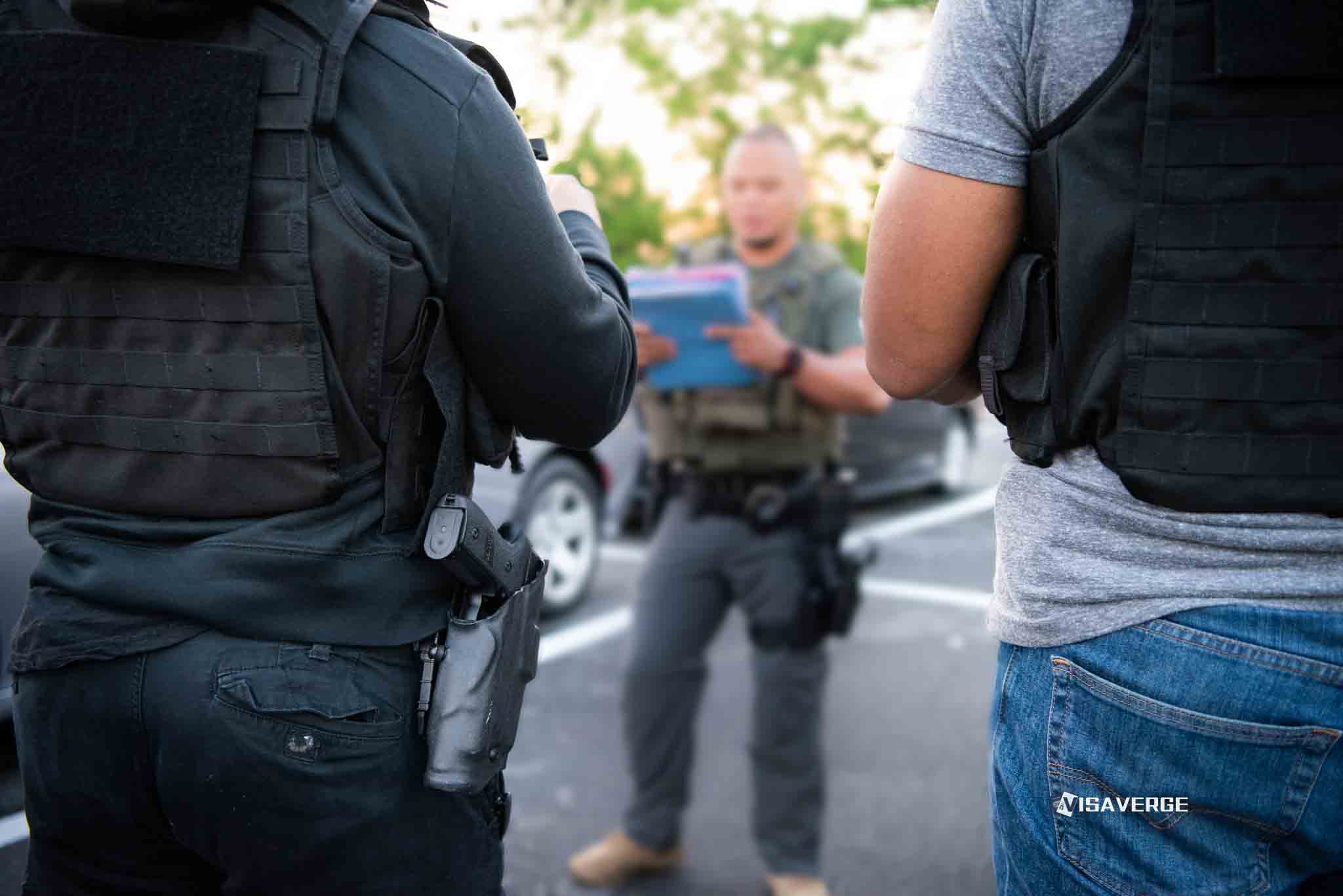
Practically, Barcenas raises the bar for respondents who argue that alleged warrantless entries, coerced consent, or heavy-handed tactics in places like Minneapolis should lead to termination or suppression. It does not foreclose such arguments. But it makes the factual record and corroboration critical.
1) Overview and context
The February 10, 2026 House Homeland Security hearing followed the fatal shootings of two U.S. citizens in Minneapolis during federal immigration operations. The deaths became a flashpoint in oversight debates about force, transparency, and accountability in immigration enforcement.
Lawmakers repeatedly returned to Operation Metro Surge, which has been described as a coordinated enforcement push in major cities. The program’s scale—and allegations about masked agents, sweeping detentions, and home entries—arrived as Congress approached a key appropriations moment.
A looming Department of Homeland Security (DHS) funding deadline on February 13, 2026 added leverage. Appropriations bills can carry “riders” that shape enforcement practices, including body-camera requirements and reporting mandates. This is where immigration enforcement choices intersect with constitutional law, civil-rights claims, and immigration court litigation.
Although USCIS does not run ICE or CBP operations, the legal consequences of arrests often land in EOIR removal proceedings. That is where Barcenas frequently becomes the blueprint for suppression motions.
Deadline watch (Feb. 13, 2026): DHS funding negotiations can attach conditions to enforcement practices, including body-camera mandates and reporting requirements.
2) Key facts and statistics (and why oversight cites them)
The timeline described in official statements and congressional materials is roughly:
- December 2025: Operation Metro Surge reportedly begins.
- January 2026: Two Minneapolis shootings occur during federal operations.
- February 10, 2026: ICE, CBP, and DHS leaders testify.
- February 13, 2026: DHS funding deadline approaches.
In testimony, Acting ICE Director Todd Lyons cited removals and arrests since the administration’s second term began, presenting scale as evidence of execution of an enforcement mandate. DHS also described partial body-camera deployment across ICE and Border Patrol, including a pilot in Minneapolis.
These numbers matter in oversight for two reasons. First, they frame how much street-level contact is occurring, which affects risk of errors and constitutional violations. Second, body-camera coverage is often treated as a proxy for verifiable accountability.
Still, readers should treat enforcement totals cautiously. Without shared definitions (for example, how “arrest,” “detention,” or “removal” is counted), the metrics do not prove whether conduct was lawful in specific encounters. They also do not resolve disputed facts about consent, entry, or use of force.
You can review primary materials through the short-link sources, including the **hearing record** and DHS releases on **DHS news**.
3) Policy details and changes: what’s known, what’s alleged, and the legal standards
Leadership and oversight signals. Following the Alex Pretti shooting, Border Patrol commander Gregory Bovino was reassigned, and “ground operations” leadership in Minneapolis was shifted. In federal agencies, reassignments can signal internal review, accountability measures, or a change in operational posture. They do not, by themselves, establish wrongdoing.
Body-camera pathway: pilot to mandate. A pilot program typically means limited deployment, discretionary funding, and evolving policies. A statutory mandate—if Congress codifies it—can change litigation dynamics. It can create enforceable requirements, reporting obligations, and clearer remedies for noncompliance.
Warrantless entry allegations and why they are legally volatile. The most legally significant allegation discussed at the hearing was a reportedly controversial 2025 memo about home entry without a judicial warrant. The Fourth Amendment framework is well-developed:
- A judicial warrant (signed by a judge) is the traditional basis for forced entry into a home.
- An administrative warrant in immigration practice (often on forms such as I-200/I-205) is not issued by a judge. On its own, it is typically not treated as authority to enter a home without consent.
- Consent must be voluntary. Coercion, deception, or overwhelming show of force can undermine consent.
- Exigent circumstances (rare) can permit entry without a warrant when there is an urgent need, such as imminent harm.
In removal proceedings, these Fourth Amendment disputes often get filtered through Barcenas and its “egregiousness” focus.
Warning: If agents request entry, what is said and done at the doorway can later control whether evidence is suppressed. If you can do so safely, document names, agencies, times, and witnesses.
Readers can best verify official guidance by checking agency postings and policy statements on DHS and component websites, and by tracking court rulings where disputes are litigated.
4) Official statements and testimony: messaging versus oversight
At the February 10 hearing, officials emphasized three themes:
- Enforcement mandate. Acting ICE Director Lyons framed ICE’s posture as fulfilling a presidential directive. He declined to discuss ongoing investigations into the Minneapolis deaths.
- Transparency and body cameras. Lyons and CBP Commissioner Rodney Scott endorsed body cameras in principle, and Scott argued funding is essential for transparency and officer safety.
- Public safety narrative. DHS Secretary Kristi Noem’s January 19 press release framed arrests as targeting “criminal illegal aliens,” while also criticizing state and local leaders.
Congressional testimony functions differently than press releases. Press releases are curated public messaging. Oversight hearings are meant to pin down the policy basis, compliance checks, training, discipline, and metrics. Lawmakers commonly press for the legal authority behind tactics, the scope of any memos, and whether accountability tools are mandatory or discretionary.
5) Context, significance, and public reaction: why appropriations can reshape enforcement
High-profile deaths during enforcement operations often accelerate demands for transparency. Public trust can shift quickly. Lawmakers also cite polling to support policy proposals, although polls cannot resolve disputed incident facts.
The DHS funding deadline matters because appropriations negotiations can yield a wide range of outcomes. Congress may do nothing beyond funding. It may also add targeted conditions, such as minimum body-camera coverage, restrictions on face coverings, or reporting on home entries.
Appropriations reality check: Even strong hearing rhetoric may not translate into statutory changes. Final outcomes depend on negotiations, committee drafting, and floor votes.
6) Impact on affected individuals and communities: legal exposure and accountability paths
Families of those killed testified and demanded accountability. In practice, accountability typically unfolds through several channels at once:
- Internal agency review (use-of-force boards, misconduct investigations).
- DHS Office of Inspector General inquiries, where appropriate.
- DOJ investigations in limited circumstances.
- Civil litigation (often framed as constitutional tort claims), though outcomes vary and immunity defenses can be significant.
- Congressional oversight via subpoenas, document requests, and follow-up hearings.
Separate from shootings, reports of detaining U.S. citizens or residents during raids raise due-process and civil-rights concerns. Allegations of targeting based on perceived ethnicity can prompt equal protection or statutory civil-rights claims, depending on facts. Claims of retaliation for filming, if proven, can also implicate First Amendment principles. None of these theories guarantees relief in immigration court, but they may support suppression, bond arguments, or requests for prosecutorial discretion.
Local government responses in Minneapolis—calls for agents to leave and disputes about access to scenes—illustrate the friction that can arise between federal enforcement and local accountability demands.
7) The precedent: Matter of Barcenas and how it shapes suppression fights
Holding and practical impact
In Matter of Barcenas, 19 I&N Dec. 609 (BIA 1988), the BIA addressed when evidence should be suppressed in removal proceedings based on alleged constitutional violations. The decision is widely cited for the principle that immigration courts do not apply the exclusionary rule as broadly as criminal courts. Suppression is generally reserved for egregious violations or where evidence reliability is undermined.
Key facts that drove the decision
Barcenas involved a suppression claim where the respondent challenged how evidence was obtained. The BIA focused on whether the respondent produced sufficient, specific support for the alleged violation and whether the alleged conduct met the high threshold for suppression in the civil removal context.
Effects on future cases (including home-raid scenarios)
For respondents arrested during large-scale operations like Operation Metro Surge, Barcenas means:
- Generic allegations are rarely enough. Declarations, witness statements, video, dispatch logs, or medical records may matter.
- The legal question often becomes whether the conduct was “egregious,” such as violent or coercive entry, threats, or clear disregard of constitutional limits.
- Even if suppression is denied, the same facts may still matter for other remedies, including bond, motions to continue, or requests that ICE exercise discretion.
Circuit splits and conflicting approaches
Suppression doctrine can vary by federal circuit. Some circuits have been more receptive to suppression where home entries are nonconsensual or coercive, while others apply a narrower “egregiousness” lens. Because EOIR is bound by circuit law in that circuit, the viability of a suppression motion can change depending on where proceedings are venued.
Dissenting opinions
Barcenas is generally cited without a major dissent driving later analysis. The real divides tend to appear between circuits, and in how immigration judges apply the “egregiousness” standard to specific facts.
Warning: If you are arrested after a home encounter, do not assume an administrative warrant permitted entry. The entry facts—consent, coercion, force, exigency—often control suppression arguments.
Practical takeaways
- Document the entry. The “doorway facts” are often the whole case in suppression litigation.
- Ask what warrant it is. Judicial versus administrative warrants carry different legal consequences.
- Body cameras may help—but only if required and preserved. Defense counsel often must act quickly to seek footage.
- Venue matters. Circuit law can shape suppression standards and outcomes.
- Get counsel early. Suppression motions are technical, fact-driven, and time-sensitive.
For individuals affected by enforcement activity in Minneapolis or elsewhere under Operation Metro Surge, consult a qualified immigration attorney promptly. A lawyer can assess suppression options under Matter of Barcenas, evaluate potential constitutional claims, and coordinate records requests and declarations before evidence goes stale.
Resources
- AILA Lawyer Referral
- Immigration Advocates Network
- DHS news
- Hearing record
- USCIS newsroom
⚖️ Legal Disclaimer: This article provides general information about immigration law and is not legal advice. Immigration cases are highly fact-specific, and laws vary by jurisdiction. Consult a qualified immigration attorney for advice about your specific situation.