- Wisconsin families are preparing for increased ICE activity following local jail partnership expansions.
- New 287(g) agreements in Kenosha and Sauk counties fast-track immigration enforcement during local bookings.
- Operation Metro Surge in Minnesota serves as a regional warning for Wisconsin communities and advocates.
(WISCONSIN) — A growing number of Wisconsin families are preparing for the possibility of more frequent ICE encounters, especially after new local jail partnerships and a high-profile regional enforcement push in nearby Minnesota.
This guide explains what “heightened ICE activity” typically means on the ground, who is most likely to be affected, and the concrete steps people in Wisconsin can take to reduce confusion and risk.
It is written for community members, employers, healthcare providers, and immigrant advocates who may be fielding questions and helping people make safety plans.
1) Overview: what an “ICE surge” can mean in Wisconsin—and what it doesn’t
When advocates warn of an ICE “surge,” they usually mean operational changes such as: more agents in the region, more coordination with local agencies, and more attempts to place immigration detainers or transfer people from county custody into ICE custody.
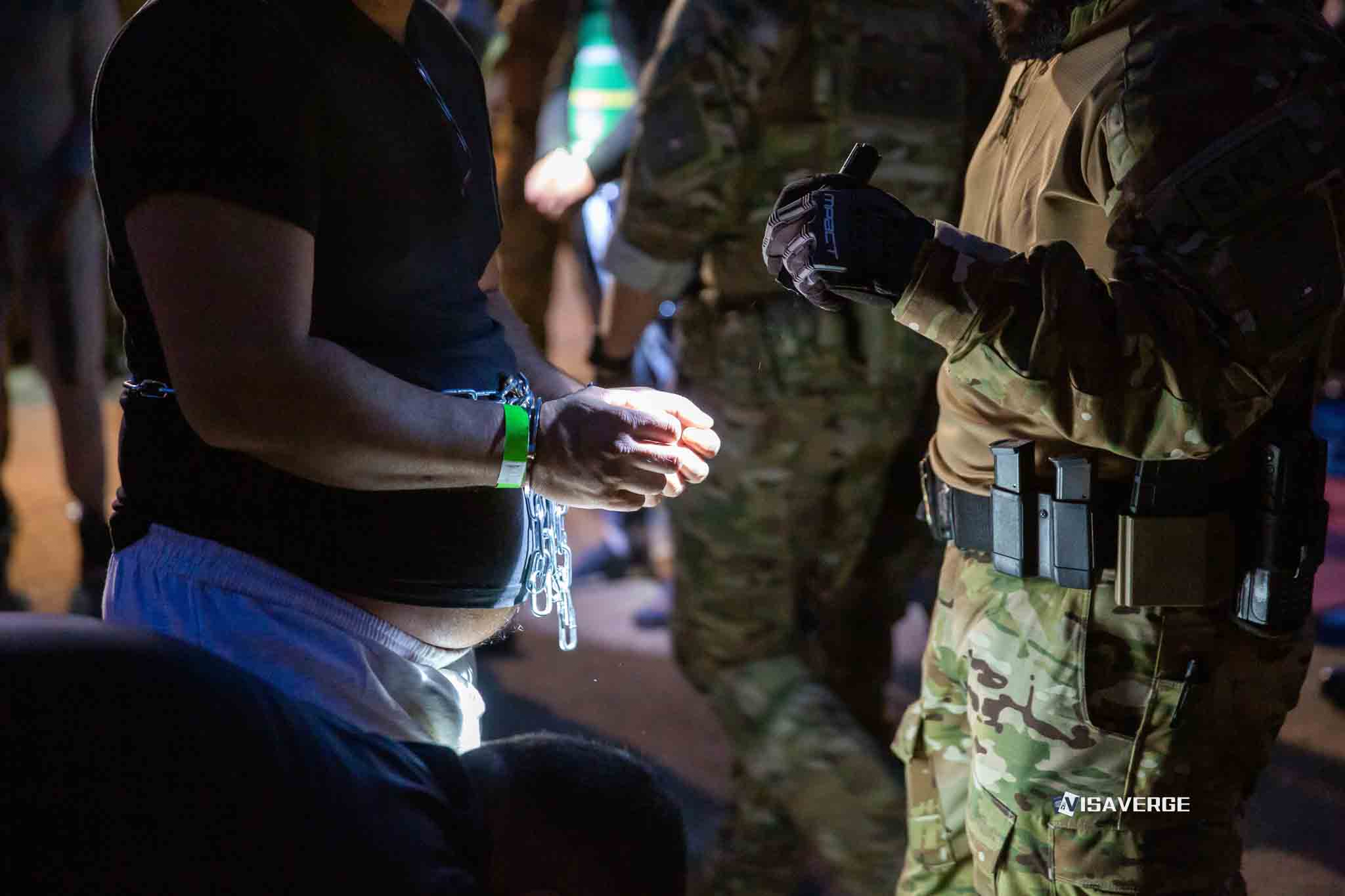
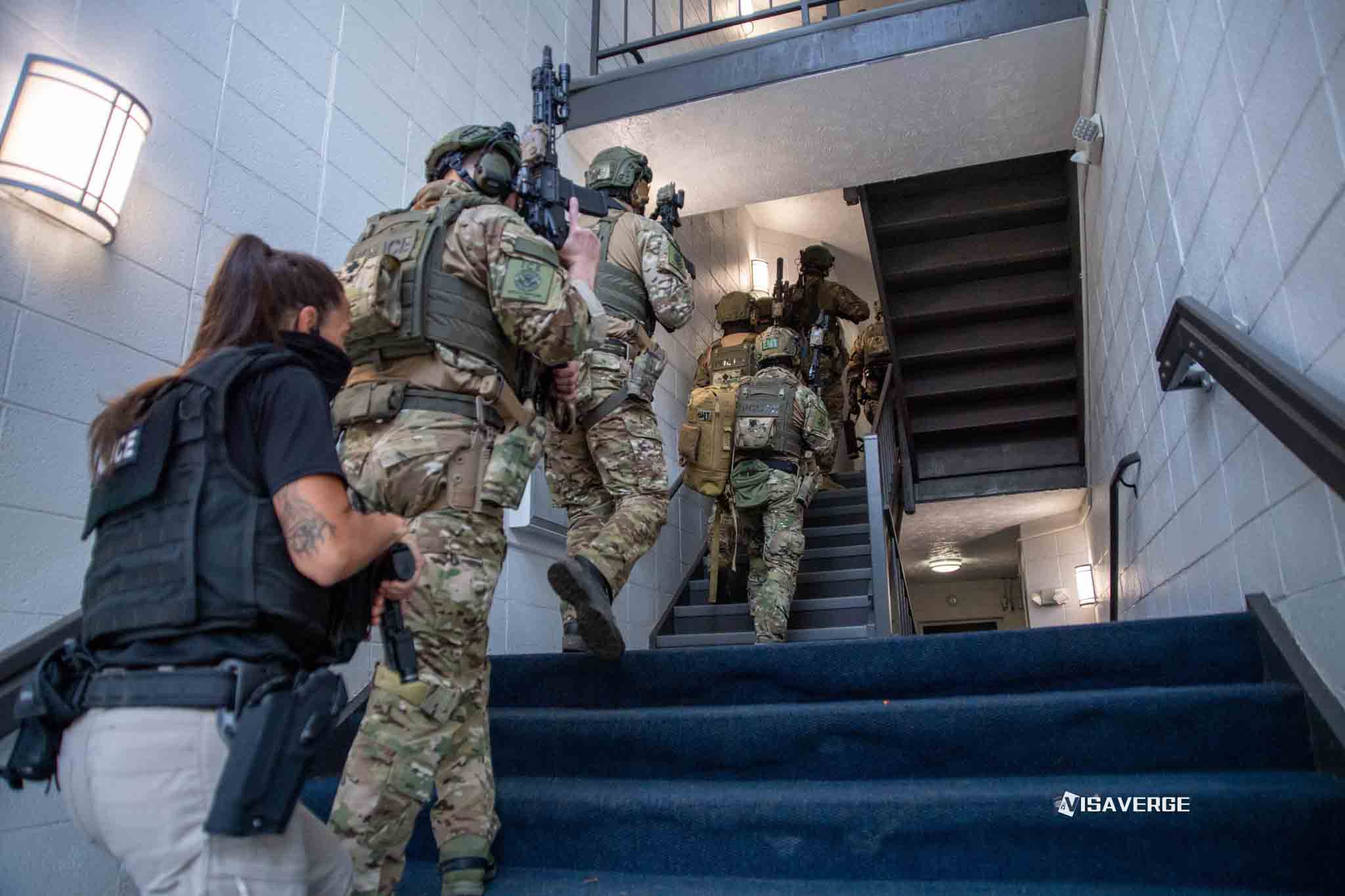
A surge can also show up as more targeted operations, including arrests at homes, probation check-ins, or workplaces.
It is important to separate rumor from verifiable indicators. Social media posts about “raids” may be wrong, recycled, or from another state. Verifiable indicators typically include official agency releases, documented courthouse or worksite enforcement with reliable witnesses, or a clear change in local jail policies.
Terminology matters:
- ICE enforcement actions generally refer to arrests, detention, and removal operations.
- Audits often refer to worksite compliance activity, including I‑9 employment eligibility audits, which may involve ICE Homeland Security Investigations.
- Jail screening and transfers often involve ICE Enforcement and Removal Operations (ERO) activity tied to local bookings.
- Targeted operations usually focus on named individuals and specific addresses.
- Workplace actions can involve subpoenas, audits, or arrests tied to criminal investigations.
Geography also matters in Wisconsin. Enforcement patterns can differ between metro areas, rural counties, and major travel corridors. Regional staffing decisions can affect where operations occur and how quickly people are transported after arrest.
2) Official statements: what DHS and ICE messaging can signal (and what it can’t)
Federal messaging in January has emphasized intensified enforcement, especially in jurisdictions criticized as “sanctuary” areas. DHS and ICE officials have publicly described a strategy of surging resources and expanding operations beyond one metro area.
Still, even strong national rhetoric does not confirm specific Wisconsin dates, addresses, or targets. Official statements can indicate priorities, such as a focus on fraud investigations or people with criminal histories, but they do not reliably predict where agents will appear next.
For confirmed updates, rely on official releases and reputable local reporting, not forwarded voice notes or screenshots. Key official channels include DHS News, ICE News, and USCIS Newsroom.
Warning: Do not assume a message about a “raid” is accurate unless it is confirmed by reliable sources. Unverified reports can cause panic and can put people in danger.
3) Local collaborations: what 287(g) changes in day-to-day encounters
A central Wisconsin development is the expansion of 287(g) agreements. Section 287(g) of the Immigration and Nationality Act allows DHS to delegate certain immigration enforcement functions to trained local officers under federal supervision. See INA § 287(g).
In practical terms, 287(g) can increase the likelihood that a local jail booking becomes an immigration case. It may also increase information sharing and speed up transfers to ICE after a person resolves the local criminal issue.
Two commonly discussed models include:
- Jail Enforcement Model (JEM): Trained local officers may question people in jail about immigration status and initiate paperwork that can lead to removal proceedings.
- Warrant Service Model (WSM): Trained local officers may serve certain administrative immigration warrants, which can facilitate ICE custody steps.
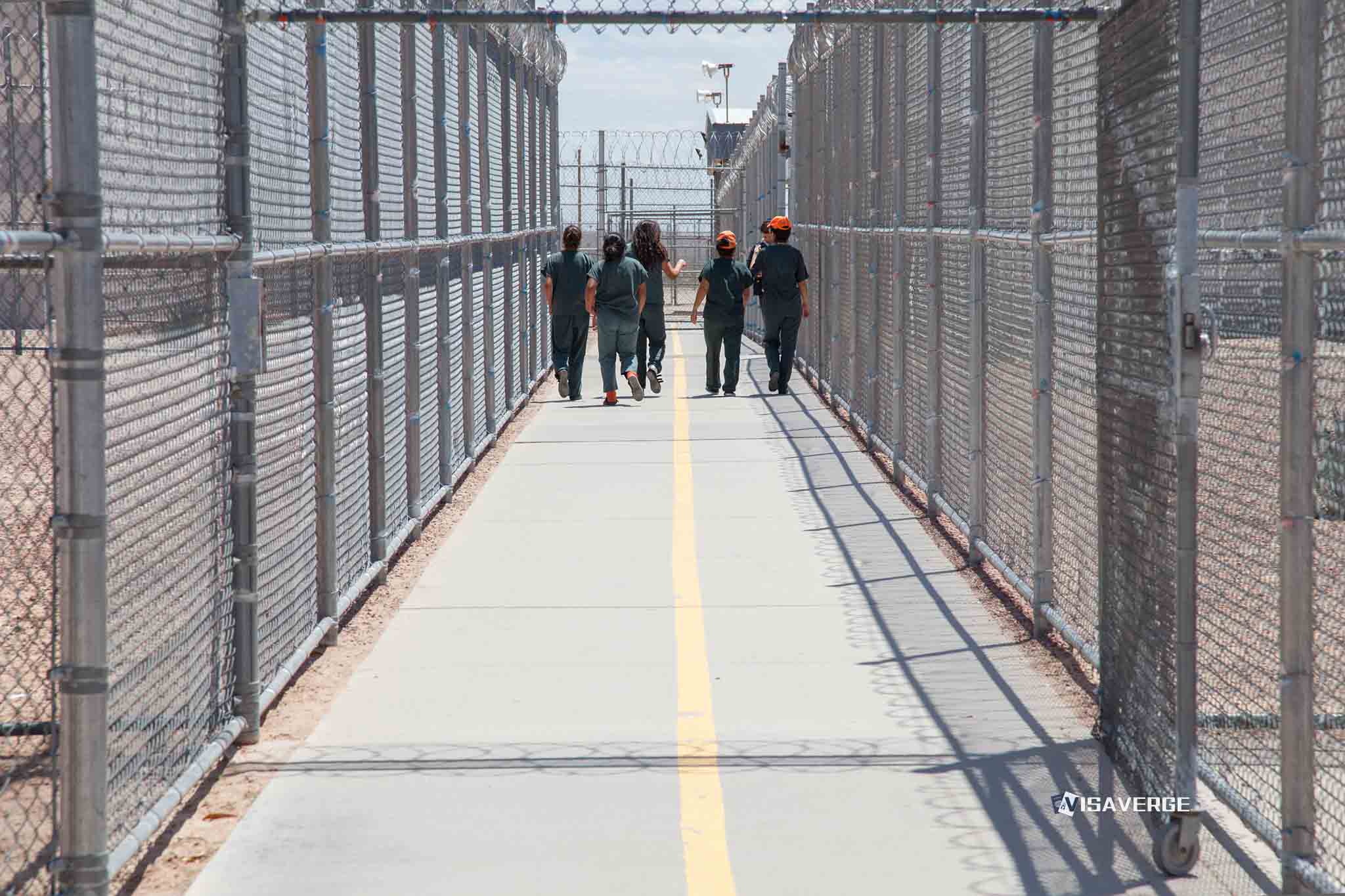
For a person booked into a county jail, the decision points often come quickly: identity checks, fingerprinting, database hits, possible ICE interest, and potential detention transfer planning.
Understanding local jail procedures and bond practices may matter as much as federal rules.
4) Operation Metro Surge: what it signals and what to watch for in Wisconsin
The Minnesota deployment branded as “Operation Metro Surge” has been described as a major multi-agency push. The reported scale is over 2,400 federal agents deployed to the Minneapolis area and over 1,000 arrests by mid-January.
A surge of that size typically involves short-term intensification, interagency coordination, and follow-on actions. In many past operations, follow-on activity has included additional arrests based on leads developed during the initial phase.
Why do immigrant advocates think Wisconsin could feel ripple effects? Federal agencies often shift resources across nearby jurisdictions. When staffing and detention transport capacity increases in one area, surrounding states may see more operations, especially along common travel routes or in cities with larger immigrant populations.
A practical “what to watch” framework in Wisconsin:
- Official DHS/ICE press releases that expand beyond Minnesota.
- Changes in county jail cooperation and booking-to-transfer patterns.
- Credible reports of increased courthouse or worksite activity.
- Higher verified hotline volume and community verifier confirmations.
5) Wisconsin statistics: what arrest composition can and cannot tell you
Some advocates cite Wisconsin arrest composition numbers, including reports that about 60% of immigrants arrested by ICE in Wisconsin had prior criminal convictions, while about 20% had no prior criminal history.
These categories often matter because ICE leadership frequently describes prioritizing “public safety” targets. But readers should treat the figures cautiously. Data definitions vary, numbers can lag, and “criminal history” can include old convictions or low-level offenses.
Also, someone without a conviction history may still be arrested due to status issues, past removal orders, or mistaken identity.
Exposure risk often rises with contact with the criminal legal system. Even a traffic stop can lead to arrest on a local matter. A local booking can create an information pathway to ICE. That is especially true in counties with stronger cooperation structures.
6) Planning guidance: practical steps without panic (including healthcare settings)
When advocates urge preparation, they typically mean “reduce uncertainty” steps. These steps are useful even if no surge occurs.
Key planning themes include:
- Identify emergency contacts and a childcare pickup plan.
- Keep important documents in a safe place.
- Arrange a legal consult if there is prior immigration history, past orders, or pending court.
Healthcare adds special urgency. Families often fear seeking care during enforcement periods. While schools, places of worship, and medical facilities have been treated as “sensitive” in past guidance, policies can change and are not absolute shields.
People should not assume ICE cannot appear near a hospital or clinic. Still, medical facilities can train staff on how to respond to agents calmly and lawfully, including asking for identification and reviewing paperwork.
Warning: Do not present false documents or lie about citizenship. Misrepresentation can create serious immigration consequences and criminal exposure. See INA § 212(a)(6)(C).
Documenting encounters can help, but do it safely. If you witness an enforcement event, write down the date, time, location, and agency identifiers. Do not interfere with an arrest.
7) Community resources in Wisconsin: town halls, verifier programs, and hotlines
Milwaukee Alderman Alex Brower is scheduled to host a Town Hall on February 2, 2026, at 6:15 p.m. at The Vivarium, 1818 N. Farwell Ave, focused on ICE activity and community response.
To use a town hall effectively, attendees should prepare:
- Questions about local jail policies and any county cooperation agreements.
- Any immigration paperwork they have received, including old Notices to Appear.
- Requests for interpretation or disability accommodations if needed.
Advocates also promote hotlines and “community verifier” programs. Verifier programs aim to confirm reports, reduce misinformation, and connect people to legal support.
Hotlines are not government lines. They typically cannot confirm someone’s custody location in real time and cannot make official case decisions. They may, however, help triage urgent situations and connect families to lawyers or nonprofit help.
8) Context and significance: why this moment feels different—and a step-by-step process
Advocates point to the political pressure and public messaging following the January 7, 2026, shooting of Renee Good in Minneapolis and the national protests that followed. High-profile events can influence federal priorities, local cooperation decisions, and community trust.
DHS has also framed recent efforts as tied to large investigations, including refugee-related fraud allegations. Investigations of that type can produce leads across state lines, which is one reason Wisconsin communities are watching for follow-on enforcement.
A step-by-step enforcement-preparedness process (what to do now)
- Screen your immigration posture. Gather any immigration documents, including prior orders, old case numbers, or USCIS receipts. Relevant forms may include a Notice to Appear (EOIR), I‑797 receipt notices, and prior removal paperwork.
- Confirm whether you have immigration court proceedings. If you have an A‑Number, check your EOIR case status and hearing dates through official EOIR channels (justice.gov/eoir). Missing court can lead to an in absentia order. See INA § 240(b)(5).
- Build a “rapid response” folder. Include ID documents, emergency contacts, medical needs, and copies of filings. If you have a pending USCIS benefit, include receipt notices and biometrics notices from uscis.gov.
- Plan for decision points after an arrest. After a local booking, timelines can move quickly. Families should know the county jail’s bond process and how to locate someone if transferred.
- Consult counsel for complex histories. A prior removal order, criminal convictions, or prior fraud findings can change options. Relief may include asylum (INA § 208), withholding (INA § 241(b)(3)), CAT protection, or cancellation of removal (INA § 240A), depending on facts.
- Avoid common mistakes that derail cases. Missing immigration court, signing papers without understanding them, and giving inconsistent biographic information can create long-term consequences.
Deadline: If you or a loved one has an upcoming immigration court date, confirm it early and plan transportation. A missed hearing can trigger severe consequences under INA § 240(b)(5).
When outcomes can vary, many decision points are fact-driven: whether ICE pursues detention, whether a person has a prior order, whether bond is available, and whether relief is legally possible.
Circuit law can also matter in contested cases, and Wisconsin falls under the Seventh Circuit for federal court review.
Attorney involvement is especially important when criminal convictions, prior removals, or pending investigations are involved. Those cases often require coordinated criminal-immigration analysis.
Resources
- DHS Newsroom
- ICE Newsroom
- USCIS Newsroom
- AILA Lawyer Referral: AILA “Find a Lawyer”
- Immigration Advocates Network
This article provides general information about immigration law and is not legal advice. Immigration cases are highly fact-specific, and laws vary by jurisdiction. Consult a qualified immigration attorney for advice about your specific situation.