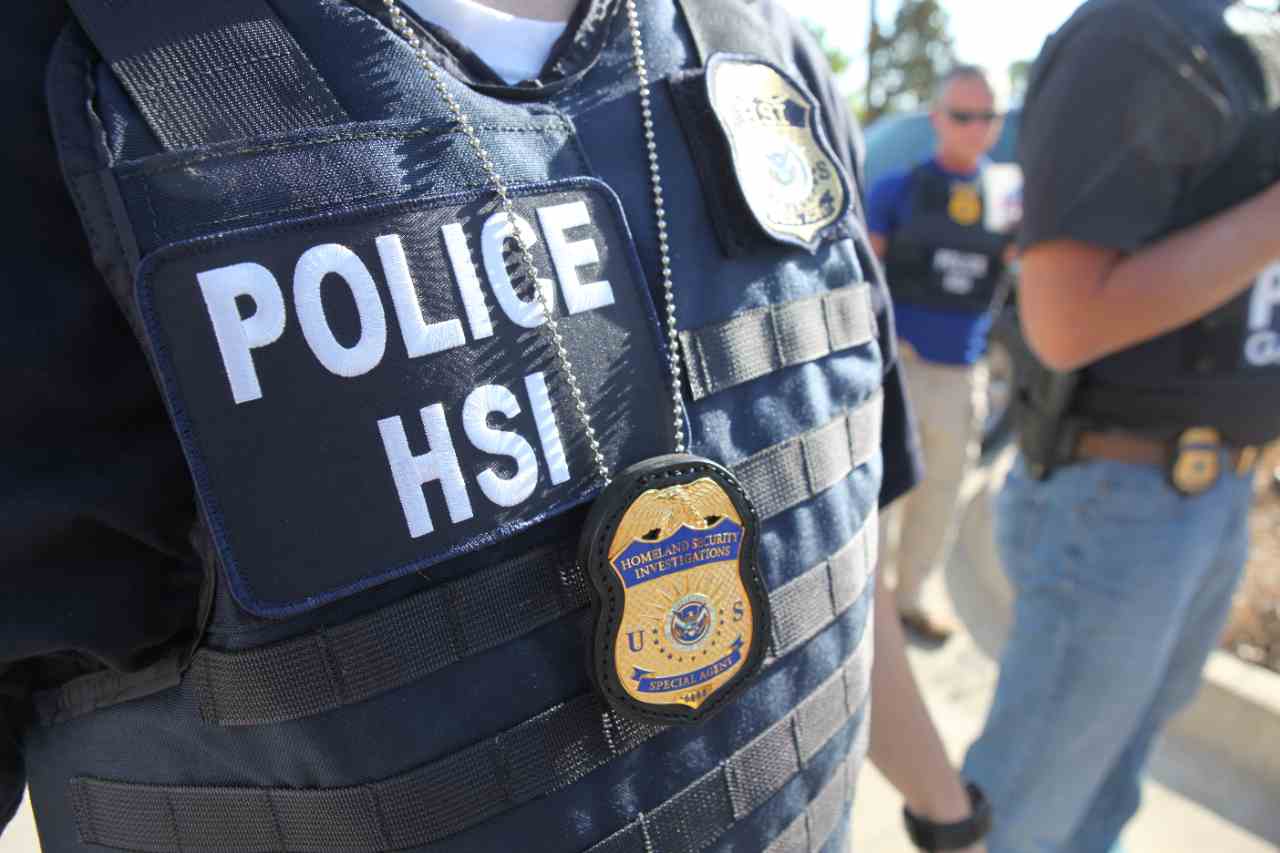
- Federal ICE agents have increased presence at Minneapolis hospitals following the rescission of sensitive location protections.
- Operation Metro Surge marks a significant deployment of federal personnel across the Twin Cities medical facilities.
- Local officials have filed a lawsuit against DHS alleging profiling and warrantless arrests during hospital operations.
(MINNEAPOLIS, MINNESOTA) — federal immigration enforcement activity reported at Twin Cities hospitals in early january 2026 marks a practical shift in where and how ICE operations may occur, following the January 20, 2025 rescission of prior “protected/sensitive locations” limits through Executive Order 14148.
While DHS and ICE say actions remain tied to specific objectives and proper procedure, clinicians and local officials report a more visible presence inside medical facilities—most prominently at Hennepin County Medical Center (HCMC)—raising urgent questions for immigrants, mixed-status families, and hospital staff about access to emergency care, patient privacy, and the limits of federal authority in clinical spaces.
This update separates confirmed policy changes from allegations about particular encounters. It also explains what the law generally permits, what it does not, and what practical steps families and healthcare workers can take now.
1) Overview: ICE presence at Twin Cities hospitals amid Operation Metro Surge
Reports from early 2026 describe ICE agents appearing at or within hospitals across the Twin Cities region. The reporting focus has centered on HCMC, a major safety-net facility with a busy emergency department.
Hospitals are uniquely sensitive settings. Patients arrive in medical crisis. Families expect to be present. Staff are required to treat patients regardless of immigration status under federal emergency-care rules.
When armed law enforcement is visible in patient-care areas, many patients may delay or avoid care. DHS leadership has defended the operational posture and described a broad enforcement push in Minnesota.
Local officials and healthcare workers have voiced concern that the setting itself magnifies harm, even when enforcement is otherwise lawful.
2) Operation Metro Surge: scope, timeline, and personnel
Operation Metro Surge has been described by federal officials as a major deployment of federal personnel to the Twin Cities area. On the ground, large-scale deployments typically mean more encounters, faster follow-up, and more visible enforcement near homes, workplaces, and public-facing facilities.
Community members may see more vehicle stops, more plainclothes activity, and more activity at places where people must go, including hospitals. Comparisons to local police staffing, when used, generally signal capacity and visibility.
They can also raise coordination questions between federal officers and local agencies. Readers should also recognize overlapping federal components. DHS includes ICE and other entities. The legal authorities, uniforms, and roles can differ.
That matters when assessing what occurred and what documentation exists.
3) HCMC incident details and immediate impacts
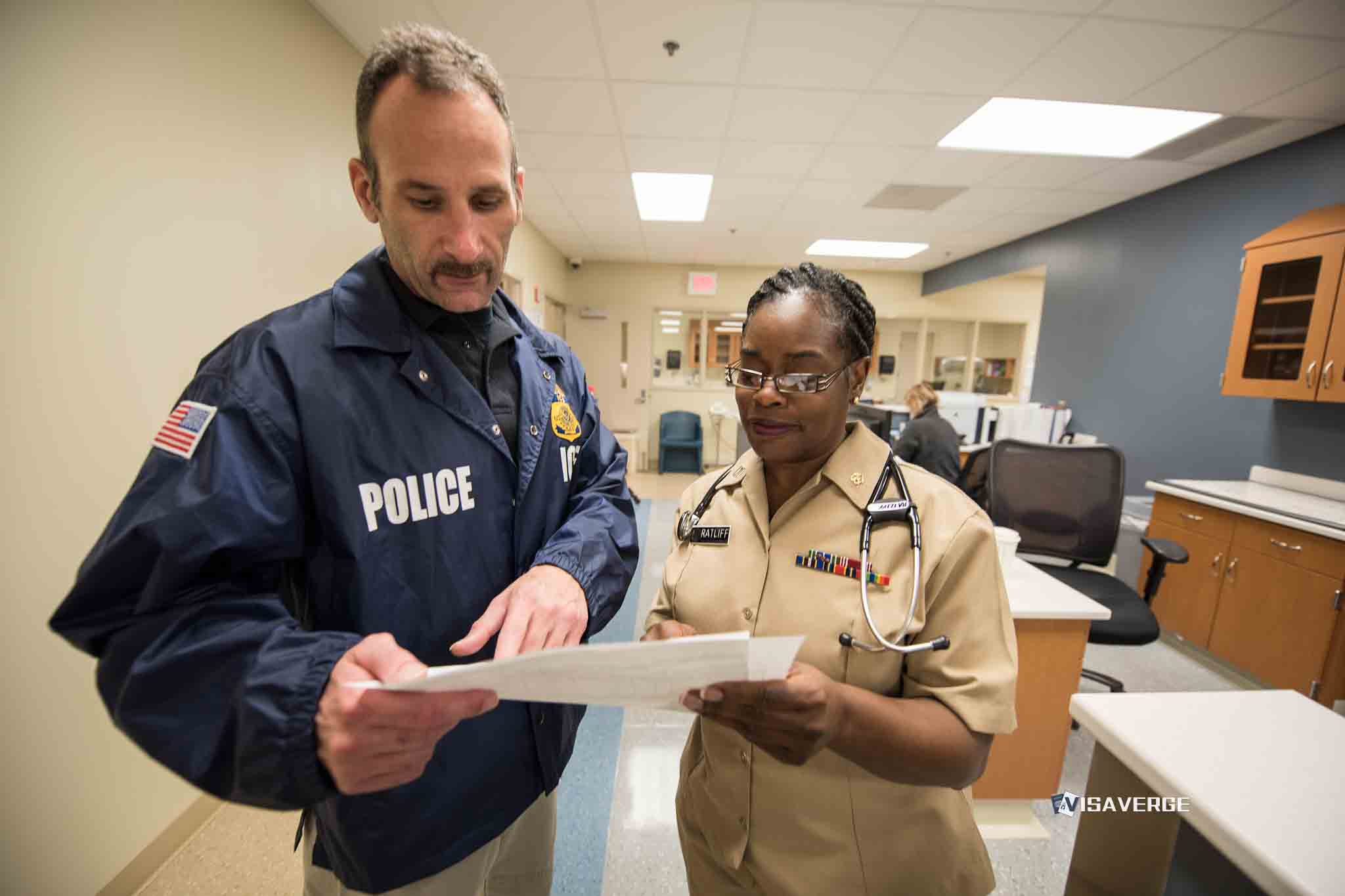
One of the most discussed reports involves ice agents entering the hcmc emergency department in early January 2026. The account states agents remained at a patient’s bedside for more than 24 hours. It also claims the patient was shackled and family visits were restricted.
Legally, details matter. A judicial warrant signed by a judge is different from an administrative ICE warrant. Administrative warrants are typically issued within DHS and do not automatically authorize entry into all nonpublic areas.
Separate from warrants, officers may also request cooperation or information. Hospitals may have policies limiting access to patient-care areas.
Immediate impacts are already visible. Staff report confusion about what they must do. Families report fear about going to the ER. Patients may skip appointments or leave before completing treatment.
If you witness an incident, focus on safety and accuracy. Note who was involved, the location, and the time. Avoid interfering with care or law enforcement activity.
Warning: Do not physically intervene in an enforcement action inside a medical facility. Interference can create safety risks and potential criminal exposure. Document and report concerns through appropriate channels.
4) Policy backdrop: Rescission of Protected Areas and enforcement implications
The key legal change is policy-based, not statutory. Historically, DHS “sensitive locations” guidance signaled restraint at hospitals, schools, and faith spaces. The January 20, 2025 Executive Order 14148 rescinded prior limits and replaced them with broader discretion.
Rescission generally means fewer categorical “no-go” zones. It can also mean more unpredictability. However, it does not erase the Constitution. The Fourth Amendment still governs seizures and many searches. Facility access rules still exist.
And hospitals still have obligations to provide emergency care and maintain safe operations. For patients and families, the practical effect is a changed risk calculation. It may affect decisions about where to seek care, who accompanies a patient, and what emergency contacts and documents to carry.
5) Enforcement scale and outcomes in the Minnesota surge
During surges, agencies often publicize operational metrics. Those can include “arrests,” “encounters,” “detainers,” or “removals.” These terms are not interchangeable. An arrest is not a conviction. An arrest is not a removal.
A “regional” figure may include activity outside a single city. Reported counts can rise quickly during targeted operations. That may reflect increased personnel, targeted priorities, or expanded location discretion. It may also reflect changes in how actions are categorized.
Healthcare access can be a secondary casualty. Communities often report missed prenatal visits, delayed dialysis appointments, and reluctance to use urgent care. These health consequences can occur regardless of anyone’s ultimate immigration outcome.
6) Legal challenges and responses from the medical community
On January 12, 2026, Minnesota’s attorney general, joined by Minneapolis and St. Paul, filed suit against DHS. The lawsuit, as described publicly, alleges profiling, warrantless arrests, and excessive force. These are claims, not findings.
Litigation typically moves first through requests for immediate relief, such as a temporary restraining order or preliminary injunction. Courts then assess evidence and legal standards.
Hospitals and clinicians often emphasize duty of care and de-escalation. Many facilities train staff to refer law enforcement requests to administration, limit access to treatment areas, and protect patient trust while maintaining safety.
What to watch next includes court hearing dates, any injunction rulings, and updated hospital protocols. Policy clarifications from DHS may also follow.
Deadline Watch: If an injunction is sought, early court hearings can occur quickly. Families and providers should monitor official court and agency updates weekly in January and February 2026.
7) Fatal incident and public reaction
Public concern escalated after reports that an ICE agent fatally shot Renee Good on January 7, 2026 during an enforcement operation. Fatal incidents typically trigger multiple layers of investigation. These can include internal reviews, criminal inquiries, and civil rights scrutiny.
Community reactions have included protests and calls for accountability. In fast-moving situations, misinformation spreads quickly. Rely on verified statements and documents where possible, and avoid sharing unconfirmed allegations about identities or motives.
People seeking help may consider contacting local legal aid, civil rights organizations, or a qualified immigration attorney, especially if they fear retaliation or have a pending immigration case.
8) Official government sources and how to verify information
To verify developments, prioritize primary sources. Look for DHS or ICE press releases with dates and named offices. For litigation, review court dockets and filed complaints where available. For state and city actions, use official government statements.
A credible update usually includes an issuing office, a timestamp, contact information, and details that can be corroborated elsewhere. Save official links and revisit them, since agencies sometimes update statements.
Action Steps (Next 7–14 days):
- If you or a family member has any ICE contact, consult an immigration attorney promptly.
- Ask your hospital for its law enforcement access policy.
- If you have a pending USCIS case, keep your address current (see 8 C.F.R. § 265.1).
Legal context readers ask about
Immigration enforcement authority generally flows from the Immigration and Nationality Act, including arrest and detention provisions in INA § 287 and inadmissibility and removability grounds in INA § 212 and INA § 237. Relief options, if someone is placed in proceedings, may include asylum (INA § 208), withholding of removal (INA § 241(b)(3)), CAT protection, or cancellation of removal (INA § 240A), depending on facts and jurisdiction.
For emergency travel or hospital visits, individuals should consider a safety plan and attorney guidance. Encounters at ports of entry and airports involve CBP, not ICE, and can follow different procedures.
Resources
- justice.gov/eoir (Immigration Court information)
- dhs.gov (DHS)
- ice.gov/news (ICE Newsroom)
- law.cornell.edu (Statutes and regulations)
⚖️ Legal Disclaimer: This article provides general information about immigration law and is not legal advice. Immigration cases are highly fact-specific, and laws vary by jurisdiction. Consult a qualified immigration attorney for advice about your specific situation.
Additional resources:
Recent policy changes have allowed ICE to operate within Twin Cities hospitals, specifically Hennepin County Medical Center. This move follows the rescission of protected status for medical facilities. The increased visibility of federal agents has sparked legal challenges from Minnesota officials and concerns from medical professionals regarding patient safety, constitutional rights, and the potential for immigrants to avoid necessary emergency healthcare due to fear.