- The DHS partial shutdown entered its third day with essential agencies like ICE and CBP remaining operational.
- USCIS continues processing cases because it is primarily funded by fees rather than annual congressional appropriations.
- E-Verify services are currently suspended, requiring employers to rely on manual Form I-9 compliance during the lapse.
(UNITED STATES) — A partial DHS shutdown entered its third day, with ICE and CBP continuing operations funded by a multi-year cushion while USCIS processes remain ongoing but tempered by broader funding constraints and operational pressures.
1) Overview of the DHS shutdown 2026
A “shutdown” is a funding lapse. In practice, it means some DHS activities pause or slow because Congress has not provided current appropriations for certain accounts. It does not mean all DHS functions stop at once.
Timing matters for planning. The current partial lapse began at 12:01 a.m. on February 14, 2026, and status reporting as of February 16, 2026 reflects operations after two full days of triage.
Expect uneven effects across immigration-facing services because DHS is not one single funding stream:
- Excepted (essential) work may continue even without current appropriations. Employees can be required to report, with pay typically delayed.
- Some components can keep operating through multi-year funding, carryover authorities, or other “available” funds.
- USCIS is largely fee-funded, so many case-processing functions can continue even during a DHS funding lapse.
That split is why you may see enforcement and border processing continue while other DHS administrative functions strain, and why USCIS can keep moving cases but still face bottlenecks tied to vendors, staffing, or interagency checks.
2) Official statements and positions
White House messaging on February 16, 2026 framed the impasse as a strategic standoff and emphasized urgency around restoring normal funding. Operationally, statements like this usually signal that agencies should prepare for a longer lapse and continue implementing contingency staffing plans.
DHS leadership has emphasized workforce strain. A DHS spokesperson said on February 14, 2026 that many employees will be forced to work without pay. In shutdown terms, that generally refers to excepted employees who must work even if payroll is delayed. Pay is commonly authorized later, but timing can still affect morale, staffing, and throughput.
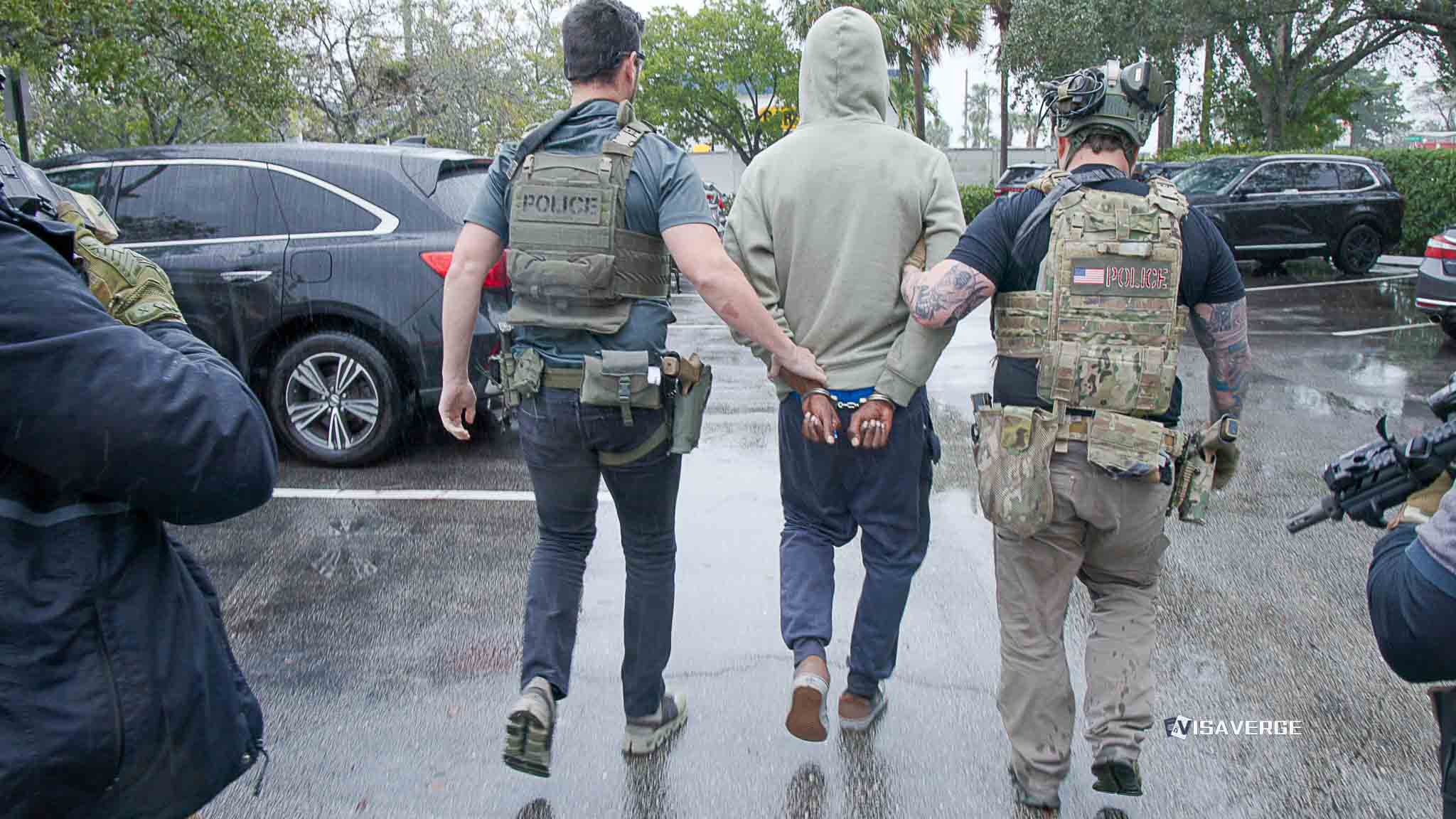
ICE’s position has focused on continuity. Todd Lyons, Acting ICE Director, told Congress on February 13, 2026 that the shutdown will not significantly affect immigration enforcement operations. Read that as a statement about frontline mission continuity (detention, removal operations, and field activity) rather than a promise that every support function will be untouched. Contracting, travel approvals, training, and administrative support can still tighten during a lapse, even when field operations continue.
[warning] ⚠️ Note that frontline workers may work without pay; employees and readers should monitor official agency notices for changes in status or guidance.
3) Key facts and policy details
A key concept in this DHS shutdown 2026 is the “funding loophole,” meaning some DHS missions can keep operating through multi-year funding, carryover funding, mandatory funding, or fee-funded operations even when annual appropriations lapse.
Two separate mechanics matter most for immigration-adjacent services:
- Multi-year operational continuity for enforcement components
- ICE and CBP are continuing operations under the One Big Beautiful Bill Act of 2025, which provided a $170 billion funding cushion, including $75 billion specifically for ICE.
- Practically, that kind of cushion can keep core enforcement activities staffed and supplied during a lapse. It does not guarantee that every internal support activity runs normally.
- Fee-funded USCIS processing
- USCIS relies heavily on filing fees rather than annual appropriations.
- That structure typically allows ongoing adjudications, including many green card and naturalization workflows, even when other DHS offices are constrained.
Negotiations are also tied to operational rules, not just spending levels. Senate Democrats have linked DHS funding to the Schumer 10 reforms, which would add or tighten requirements such as:
- Body cameras and unique ID numbers
- Limits on masks or face coverings during operations
- Warrant requirements before entering private property
- Limits on “roving patrols” in metropolitan areas
Those demands are being argued in the shadow of a specific event. The January 2026 Operation Metro Surge shootings in Minneapolis, which killed U.S. citizens Alex Pretti and Renee Good, are central to why enforcement conduct rules are part of the current bargaining.
Table 1: DHS agency status under the shutdown (as of Feb 16, 2026)
| Agency/Program | Current Status | Notes on Operations |
|---|---|---|
| ICE | Operational | Field enforcement continues under multi-year funding; some admin support may tighten. |
| CBP | Operational | Border processing and enforcement continue; indirect delays may arise from support constraints. |
| USCIS | Mostly operational | Fee-funded processing continues; some workflows may slow due to dependencies and staffing pressure. |
| TSA | Essential only | Screening continues; wait times may grow as the lapse continues and staffing strains build. |
| FEMA | Limited | Immediate disaster response continues; longer-cycle grants and reimbursements may slow. |
| E-Verify | Suspended | System offline due to appropriations lapse; employers may need interim hiring compliance planning. |
| Coast Guard | Partial | Search and rescue prioritized; non-essential missions and some inspections deferred. |
4) Agency status snapshot: what you should do right now (as of Feb 16, 2026)
Use the steps below to set expectations for travel, case processing, and hiring during this partial government shutdown.
Step 1: If you’re a USCIS applicant, assume “open but uneven”
USCIS is mostly operational because of its fee-funded structure. Still, specific workflows may slow when they rely on:
- Biometrics appointments (facility staffing and scheduling limits can create backlogs)
- Interviews (field office capacity may fluctuate)
- Mailing and printing vendors (contractor constraints can affect notices or card production)
- Interagency checks (dependencies can add friction even when USCIS adjudicators are working)
What you can do:
- Track your case through your online account at my.uscis.gov or status tools at egov.uscis.gov.
- Watch processing timelines on uscis.gov and compare them against your receipt date.
- Keep appointments unless USCIS cancels them. Bring the notice and required ID.
- Update your address promptly if you move, since mail disruptions can raise missed-notice risk.
- Escalate carefully if you have a time-sensitive need (for example, travel or employment). Outcomes vary, and USCIS discretion still applies.
Step 2: If you’re traveling, plan for TSA screening to continue with possible longer lines
TSA screening continues because it is treated as essential. Expect variability by airport and day. Budget extra time for:
- Check-in and bag drop if carriers face delays
- Security lines if staffing strain increases
- Customer-service issues that typically require back-office support
Step 3: If you’re an employer, treat E-Verify as unavailable
E-Verify is suspended during the lapse. Employers that normally rely on it for new hires should:
- Continue Form I-9 compliance on time, as required by law.
- Document your E-Verify attempt and keep internal notes on timing.
- Set expectations with new hires about timing for any later E-Verify submission, if and when it resumes.
- Consult counsel or a compliance professional for edge cases, such as tentative nonconfirmations or reverifications.
[action] ✅ Check USCIS updates for processing timelines and possible delays; for employers, monitor E-Verify status and any temporary feasibility changes.
5) Impact on individuals and communities
Most DHS employees are still reporting. Roughly 90–92% (over 230,000 workers) are designated excepted and may be required to work during the lapse, with pay delayed. That dynamic can create practical stressors that show up as slower callbacks, reduced appointment inventory, and longer internal queues.
Watch one date closely if the impasse drags on. The first missed paycheck is expected on March 3, 2026, which can intensify workforce strain and increase attrition risk in hard-to-staff roles.
Immigrants and travelers may see a split-screen experience:
- USCIS continuity for many filings and adjudications, especially where fee-funded operations cover staffing and facilities.
- Friction points around biometrics, interviews, printing, and interagency checks, which can create uneven timelines even when cases are still being worked.
Employers and workers face the clearest “stop” signal. With E-Verify offline, onboarding may slow for businesses that built hiring workflows around instant electronic confirmation. That can affect start dates, scheduling, and project staffing, even when a worker is otherwise authorized.
Local communities can also feel operational continuity on the enforcement side. Reports of ongoing ICE activity, including raids referenced in Pasadena and Minneapolis, raise planning and coordination questions for local stakeholders even when other DHS services are constrained.
6) Current outlook and next steps
Congress is on recess until February 23, 2026. That timing can slow negotiations, because in-person deal-making and rapid votes are harder when members are away.
A separate operational detail can create day-to-day volatility: lawmakers have indicated they would receive 24 hours’ notice to return if a breakthrough emerges. For the public, that means conditions may change quickly once a framework is announced.
What to monitor each day:
- Funding votes and public negotiating statements tied to DHS appropriations and operational conditions.
- DHS operational notices that affect staffing and public-facing services.
- USCIS updates on processing timelines, field office operations, and appointment handling.
- Employer guidance related to E-Verify downtime and restart procedures.
7) Official sources and where to follow updates
Stick to official, date-stamped postings, and treat screenshots without links cautiously. Start with:
- DHS newsroom updates on the DHS site
- USCIS newsroom and alerts on the USCIS site
- ICE press releases and statements on the ICE site
Subscriptions or alerts can help if offered on those pages. Social posts are most reliable when they link back to an official notice.
This article discusses policy and legal implications of a government shutdown and is not legal advice. Readers should consult official sources for personalized guidance.
If you must choose one practical checkpoint, circle March 3, 2026 and confirm your USCIS notices, travel timing, or hiring paperwork plans before that pay-impact date arrives.