- DHS rescinded prior sensitive locations guidance in early 2025, allowing enforcement near schools and churches.
- Protests erupted in Highland Park after Operation Metro Surge detentions targeted street vendors in early 2026.
- Legal experts warn that arrests are not convictions and individuals should seek immediate legal counsel.
(HIGHLAND PARK, CALIFORNIA) — A major immigration enforcement posture shift that took effect January 21, 2025 is shaping what residents are now seeing on the ground: DHS rescinded prior “sensitive locations” guidance that had generally discouraged immigration enforcement actions near places like schools, houses of worship, and hospitals.
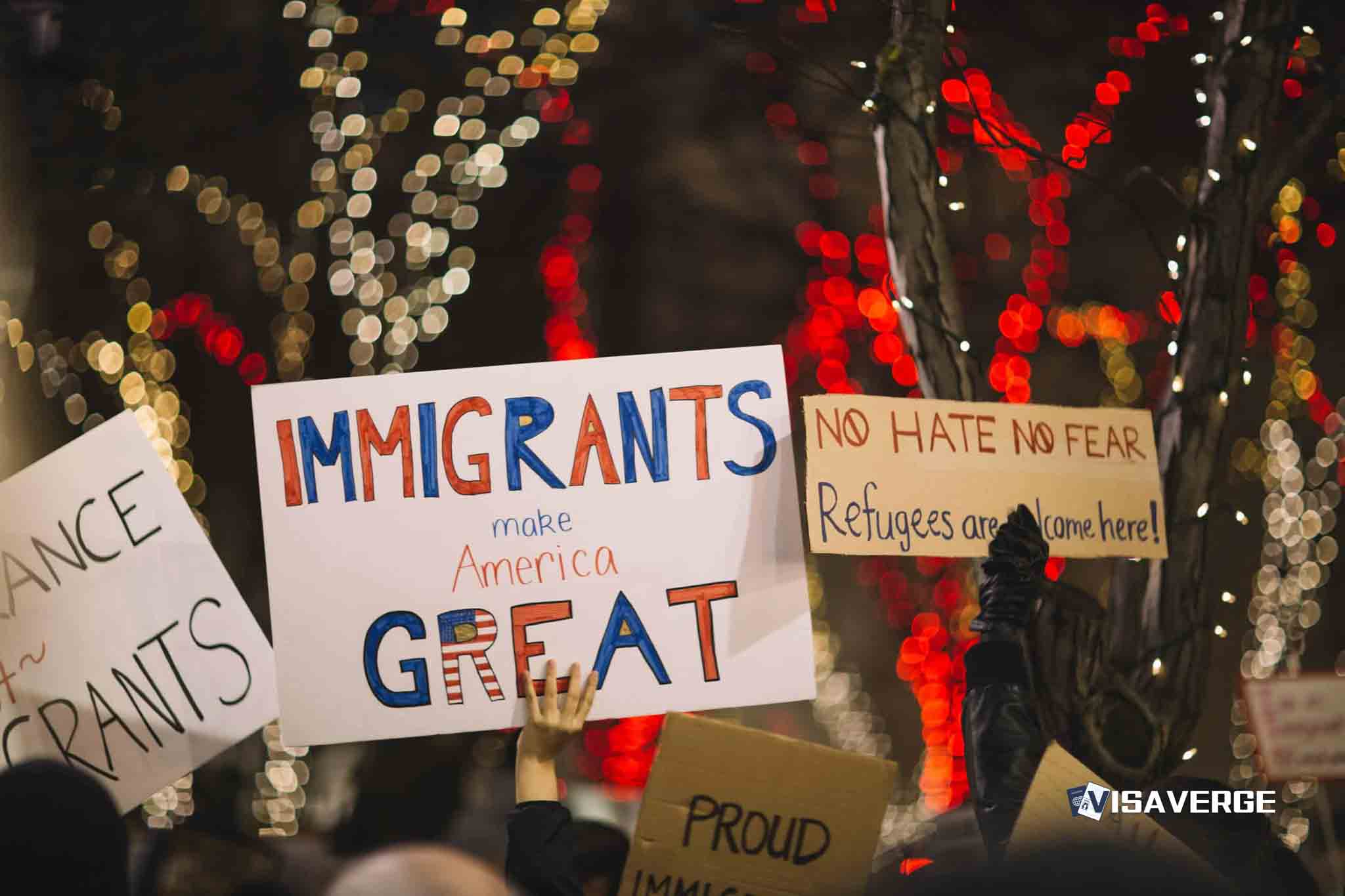
In mid-January 2026, that change collided with a high-visibility local operation and sparked protests across Highland Park and nearby East Los Angeles neighborhoods.
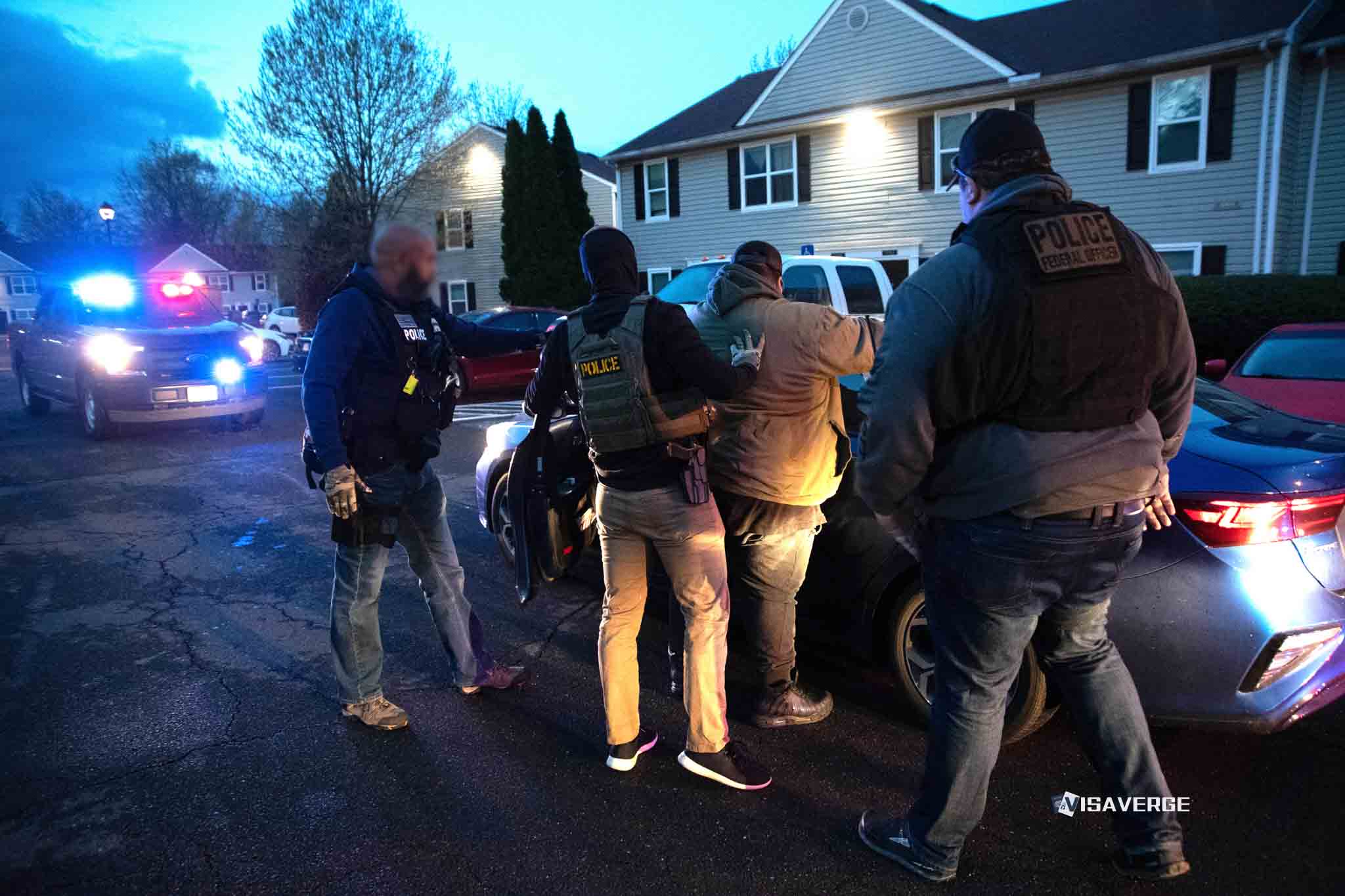
The most direct source for the policy change and current enforcement framing is DHS’s January 21, 2025 enforcement-directives announcement (posted on dhs.gov), along with contemporaneous DHS and ICE public statements in mid-January 2026. Together, those materials are now being cited by community leaders and advocates as they assess “Operation Metro Surge” and its practical effect on families and local commerce.
Warning: Even when enforcement occurs near schools or hospitals, the legal analysis is fact-specific. People should not assume an arrest was “illegal” or “valid” based solely on location.
Overview and context of Highland Park protests
Protests in Highland Park intensified in mid-January 2026 after detentions tied to street vendors, including reports of family impacts. The events centered around busy corridors near York Boulevard and Figueroa Street, with spillover into surrounding East Los Angeles neighborhoods.
Location mattered because the reported enforcement activity occurred near daily routines—school drop-offs, commuting, and vendor work. The immediate trigger, as reported locally, was a sequence of detentions and arrests linked to street vending.
Those incidents quickly became associated in public discussion with Operation Metro Surge, a DHS initiative described by the agency as a large-scale, nationwide enforcement escalation. The community response followed a familiar dynamic in immigration enforcement flashpoints: fast-moving claims, incomplete information, and fear spreading faster than verified facts.
Official DHS/ICE statements and policy framing
DHS and ICE statements during this period framed enforcement as “zero-tolerance,” emphasizing removals and public safety messaging. In practice, “zero-tolerance” is not a single legal standard in the INA; it is typically a broad operational posture.
It can mean more frequent arrests, fewer exceptions, and less discretionary restraint. DHS public messaging also addressed use of force and officer safety, often confirming training principles (“minimum force necessary”) but rarely providing the full factual record.
Body-worn camera footage, incident reports, and sworn declarations may not be immediately public. Readers should separate three categories of information: (1) verified agency statements; (2) leaked claims that may be partial; and (3) social media narratives that may omit key details.
For verification, DHS and ICE press materials are generally posted through official DHS and ICE newsroom channels on dhs.gov and ice.gov.
Key facts and enforcement details
Reportedly, on Monday, January 12, 2026, three street vendors were detained near York Boulevard and Figueroa Street. Community reporting identified one person as the parent of three LAUSD students.
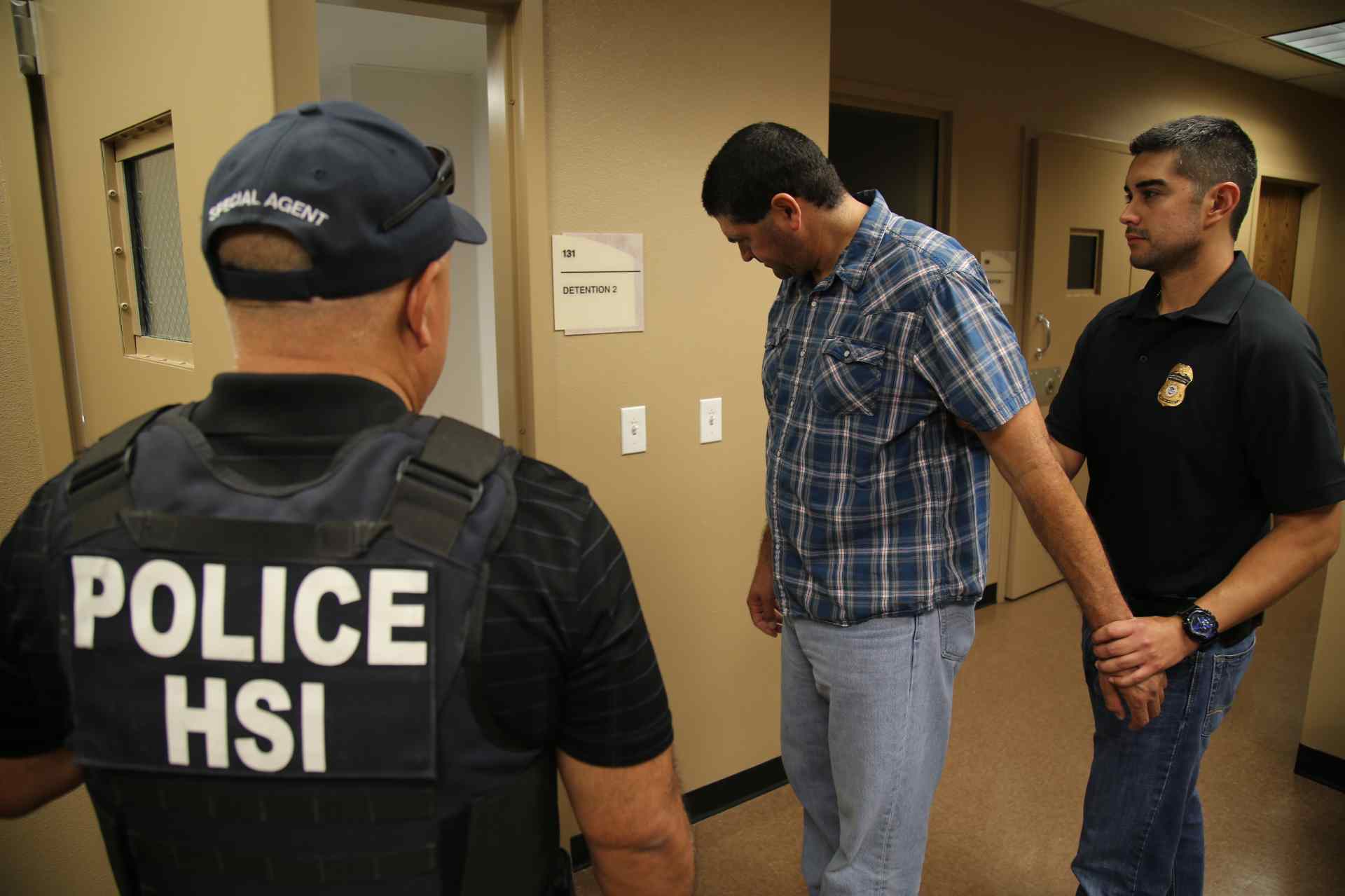
Separate DHS messaging about a Highland Park-area arrest described a person as a “criminal illegal alien” and referenced a domestic-violence conviction, while also asserting multiple warnings before force was used.
Operation Metro Surge has been described by DHS as a large nationwide initiative. DHS has publicly cited high arrest totals in Los Angeles and significant staffing increases, including hiring thousands of additional ICE officers.
Those figures, even if accurate, do not prove outcomes in individual cases. Arrest totals do not equal removal totals.
It is also important to distinguish legal stages:
- Stop or questioning may occur without an arrest. The rules vary by context.
- Arrest/detention is not the same as being “ordered removed.”
- Charging may refer to immigration charges in removal proceedings, not criminal charges.
- Criminal allegation is not a conviction.
- Removal generally requires either a valid removal order or expedited removal authority.
DHS statements have referenced percentages of arrestees “charged with or convicted of” crimes. That phrasing matters: “charged with” can include cases without convictions, and “crime” can include a wide range of offenses.
Public numbers may also reflect selection effects, depending on whom agents targeted.
Significance, local leadership, and sensitive-location context
Highland Park has a long history of immigrant activism, and that history helps explain why demonstrations escalated quickly. Local officials publicly condemned the operations, arguing they disrupted families during school routines.
The timing intensified fear because enforcement activity was reported near schools and during school-day movement. Even when DHS asserts it is acting within its authority, proximity to schools and child-care settings tends to reduce reporting of crime, depress school attendance, and discourage parents from participating in public life.
The policy shift referenced above is central here: DHS’s January 21, 2025 directive rescinded prior “sensitive locations” guidance. That rescission does not automatically authorize indiscriminate enforcement anywhere, but it does remove a prior restraint that communities had relied on as a practical buffer.
Deadline note: If someone is detained, bond requests and attorney coordination are time-sensitive. Families should try to identify the person’s location and A-number immediately.
National context and related incidents
Highland Park is not unfolding in isolation. Similar protest movements have been reported nationally alongside stepped-up enforcement operations. Some commentary has referenced incidents in other cities, including Minneapolis, to explain public anger and fear.
Comparisons should be made carefully. Separate incidents can involve different agencies, different facts, and different legal claims. A tragedy elsewhere does not establish liability or illegality in Los Angeles.
Still, national narratives can influence local tactics, media coverage, and community organizing, which in turn can shape oversight pressure and litigation strategy.
Impacts on affected individuals and communities
For families, the most immediate impact is often financial. When a primary earner is detained, rent, childcare, and medical appointments can become urgent problems within days.
Street vendors and day laborers may be hit hardest because income is daily and informal. Community-level impacts can include reduced small-business activity, vendor displacement, and lower school attendance.
Reports of “show-me-your-papers” encounters also tend to create a chilling effect. People may avoid hospitals, clinics, or public benefits, which can carry real healthcare consequences, especially for chronic conditions.
After a detention, the person may be processed locally or transferred. Timelines vary by facility capacity and enforcement priorities.
Some people may be placed in removal proceedings under INA § 240, with hearings in Immigration Court (EOIR). Others may face expedited removal under INA § 235 if the government claims they lack sufficient U.S. presence or valid entry documents.
Bond may be possible in many cases, but it depends on detention authority and criminal history. See INA § 236 and related regulations at 8 C.F.R. § 1236.
Warning: Do not carry or submit false documents. False claims to U.S. citizenship can trigger severe immigration consequences under INA § 212(a)(6)(C)(ii).
Official sources and reference materials
For confirmed updates, readers should bookmark DHS’s press releases and enforcement directives pages, and ICE’s newsroom for arrest announcements. For benefits questions, rely on USCIS updates rather than ICE statements, because the agencies serve different functions.
USCIS handles applications like adjustment of status, DACA-related filings where available, and work authorization, while ICE focuses on enforcement. Community members seeking individualized help should contact reputable legal services and local rapid-response networks.
A qualified immigration attorney can assess detention authority, eligibility for bond, possible relief such as asylum (INA § 208) or cancellation of removal (INA § 240A), and any criminal-immigration overlap.
Recommended actions and timeline
Recommended actions and timeline (next 24–72 hours): confirm detention location through official channels when possible, avoid spreading unverified claims, and schedule a legal consult as soon as practicable—especially before signing documents or accepting removal.
Families should try to identify the detained person’s location and A-number, contact reputable legal services, and coordinate bond efforts quickly when appropriate.
When evaluating public claims, separate verified agency statements from unverified social media reports and leaked information that may be incomplete.
⚖️ Legal Disclaimer: This article provides general information about immigration law and is not legal advice. Immigration cases are highly fact-specific, and laws vary by jurisdiction. Consult a qualified immigration attorney for advice about your specific situation.