- A federal funding deadline on January 30, 2026 threatens to trigger a partial government shutdown.
- Crucial services like LCA and PERM processing at the Department of Labor could face immediate suspension.
- Fee-funded agencies like USCIS may stay open, but expect significant delays in interviews and customer support.
(MINNEAPOLIS, MINNESOTA) — With federal funding set to lapse at midnight on January 30, 2026, immigration stakeholders are again facing a near-term government shutdown risk that could disrupt immigration processing and related healthcare-linked benefits timing, even where core functions technically remain “open.”
The immediate legal and operational change is not a new statute, but a funding deadline with real consequences: Congress must pass either full-year appropriations or a continuing resolution (CR) before the deadline to avoid at least a partial shutdown affecting the Department of Homeland Security (DHS) and other agencies.
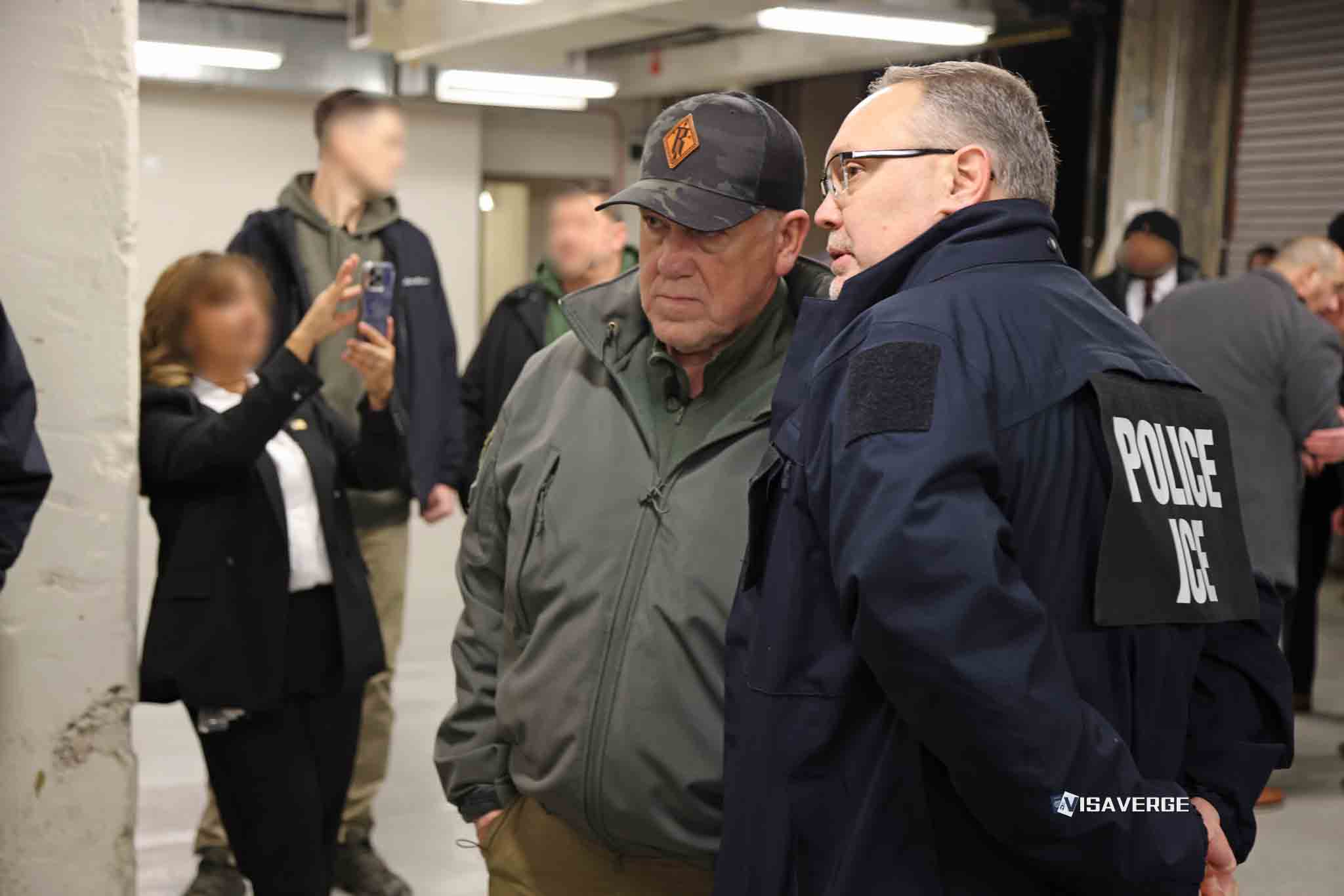
The current standoff is tied to DHS funding and immigration enforcement conditions, intensified by fallout from a fatal ICE-involved shooting in Minneapolis.
Deadline Watch (Funding Lapse): Current CR funding expires midnight, January 30, 2026. If no bill is enacted, agencies may shift to shutdown contingency operations almost immediately.
1) Overview: Why a DHS-linked shutdown threat matters for immigration
A DHS-centered shutdown fight tends to land differently than many other budget disputes. Some immigration functions are “essential” for safety and national security. Others rely on staff and support components that may be furloughed.
In prior shutdowns, DHS operations such as border inspections and detention typically continued, but many supporting functions slowed. Employers and families should read “shutdown risk” as a signal to prepare for rescheduling, slower responses, and longer queues, not as a guarantee that everything stops.
The issue is politically charged because appropriations bills can include conditions—limits on how funds may be used, reporting requirements, or oversight mandates. Here, lawmakers are explicitly linking DHS funding to enforcement constraints following Minneapolis events.
2) What agencies have signaled—and how to read it
Public statements during shutdown negotiations often mix messaging and operations. Readers should separate: (1) policy positions, (2) legal authority, and (3) what staffing can actually sustain.
DHS leadership has recently defended ICE actions in Minneapolis and emphasized agency confidence in internal reviews. DHS has also warned—during earlier shutdown negotiations—that “frontline” personnel may be required to work without pay, framing the impact as both operational and workforce hardship.
Meanwhile, a DHS “year in review” message highlighted “restoring integrity” through enhanced vetting and processing holds for certain nationalities. That kind of statement can foreshadow operational posture—more review, more requests for evidence, and slower adjudications—even without a shutdown.
When evaluating secondary coverage, prioritize primary sources. For immigration benefits, check the USCIS newsroom and account notices first.
3) Key facts: what’s stalled, what’s announced, and what “effective” really means
Several parallel actions are converging:
- Appropriations split (“minibus”) approach. The House has moved a large spending package for some agencies while DHS funding remains unresolved. That matters because immigration depends on multiple agencies—DHS (USCIS/CBP/ICE), the Department of State (DOS), and the Department of Labor (DOL). Funding one does not automatically stabilize the others.
- Visa issuance pause concept. DOS has announced an intent to pause certain immigrant visa issuances effective January 21, 2026, for nationals of 75 countries, per the source summary. “Paused processing” can mean interview slots disappear, cases sit in administrative processing longer, or posts stop final approvals while still collecting documents. Implementation often varies by consular post and system updates.
- Operation PARRIS (Minnesota). A DHS/USCIS initiative described as reexamining refugee cases with expanded verification and background checks may increase evidentiary demands and slow case completion. In refugee-related programs, delays can also affect downstream healthcare coordination, such as eligibility timing for state-supported services after arrival.
Policy announcements and operational reality can diverge for weeks. That gap is where many families and employers lose time.
If your immigration status change affects insurance enrollment or public benefit eligibility, document deadlines now and plan for delays that could shift coverage start dates.
4) Context: why shutdown backlogs outlast the shutdown
Appropriations “conditions” can be concrete: restrictions on certain enforcement actions, mandated reporting to Congress, or limits on procurement and detention contracts. Even if a shutdown is narrowly avoided, the brinkmanship itself can generate churn—canceled interviews, reduced customer support, and slower interagency coordination.
Recent history shows that backlogs can persist after funding resumes. Agencies must reopen scheduling calendars, reassign mailroom and support workflows, and triage urgent vs. routine cases. That is why the practical impact often lingers for months.
5) Who is affected and what to expect (by scenario)
Scenario 1: No shutdown (but disruption continues).
Even with a last-minute CR, agencies may still adjust priorities. Watch for changes in vetting posture, interview availability, and case-transfer decisions. Policy shifts tied to enforcement authority can also affect how cases are reviewed.
Scenario 2: Partial shutdown beginning January 30.
- USCIS: USCIS is primarily fee-funded, so many filings and adjudications may continue. Still, interview scheduling, naturalization ceremonies, and contact center response times may slow if support units are furloughed or reassigned. Employment authorization timing can be especially sensitive for healthcare workers and hospital systems.
- Consular processing (DOS): Posts may reduce appointment capacity quickly. A “pause” can mean fewer immigrant visa interviews and longer waits in administrative processing.
- Employment-based cases (H-1B, PERM): DOL functions are not fee-funded in the same way. In a shutdown, DOL may suspend Labor Condition Application (LCA) and PERM processing, freezing new filings that employers need for H-1B and green card steps. That can ripple into start dates and worksite staffing.
- CBP/ICE “essential” operations: Ports of entry and enforcement typically continue, but staffing strain and morale impacts from working without pay may slow response times and complicate coordination with counsel.
If you must file an LCA, PERM step, or time-sensitive change of status, aim to complete key submissions before January 30, 2026 where legally appropriate.
Transition and “grandfather” considerations.
Shutdowns do not usually “grandfather” benefits by themselves. However, filings properly received before a shutdown-related suspension may keep their place in line, and USCIS receipt notices can preserve eligibility windows in certain contexts. For consular cases, already-completed interviews can still be delayed at issuance if new pauses take effect.
Pending challenges or appeals.
Funding outcomes remain contingent on congressional action. Policy-based visa pauses may face litigation, but outcomes are uncertain. Courts have historically given the political branches wide latitude in admission decisions. See Trump v. Hawaii, 138 S. Ct. 2392 (2018). Consular decisions are also often insulated from review. See Kleindienst v. Mandel, 408 U.S. 753 (1972).
6) Where to verify updates (and how often)
For primary-source monitoring:
Check daily in the week before January 30, then again immediately after any CR or appropriations vote. Employers should also memorialize internal timelines and keep screenshots or PDFs of agency announcements for compliance files.
Recommended next steps (now through January 30)
- Applicants: Confirm interview dates, keep documents current, and avoid nonessential travel if your case is time-sensitive.
- Employers (including healthcare systems): Move LCA/PERM planning forward, and build buffer time into start dates.
- Everyone with complex facts (prior status issues, arrests, expedited travel): Consult counsel before making filing or travel decisions, because small timing errors can trigger status loss under INA § 245 or unlawful presence concerns under INA § 212(a)(9)(B).
This article provides general information about immigration law and is not legal advice. Consult a qualified immigration attorney for advice about your specific situation.
Resources
- AILA Lawyer Referral
- Immigration Advocates Network