- Immigration judges must protect the statutory right to obtain private counsel for detained individuals.
- The government is not required to provide or fund lawyers for standard removal proceedings.
- Confidential communication and reasonable continuances are essential for a fair legal process in detention.
(U.S.) — The Board of Immigration Appeals has held that immigration judges must take meaningful steps to protect a detained person’s statutory right to obtain counsel, including granting a reasonable continuance when warranted, but that right does not include a government-funded lawyer in ordinary removal proceedings.
That core rule—rooted in the “right to counsel at no expense to the government”—frames almost every dispute about detained immigrants, attorney access, and what facilities must do to enable confidential access to privately retained counsel. The leading BIA decision is Matter of C-B-, 25 I&N Dec. 888 (BIA 2012). In practice, it gives respondents and their attorneys a procedural foothold to ask for time and access when detention logistics make representation hard, while also underscoring the system’s central gap: there is still no general requirement for government-provided attorneys in civil immigration court.
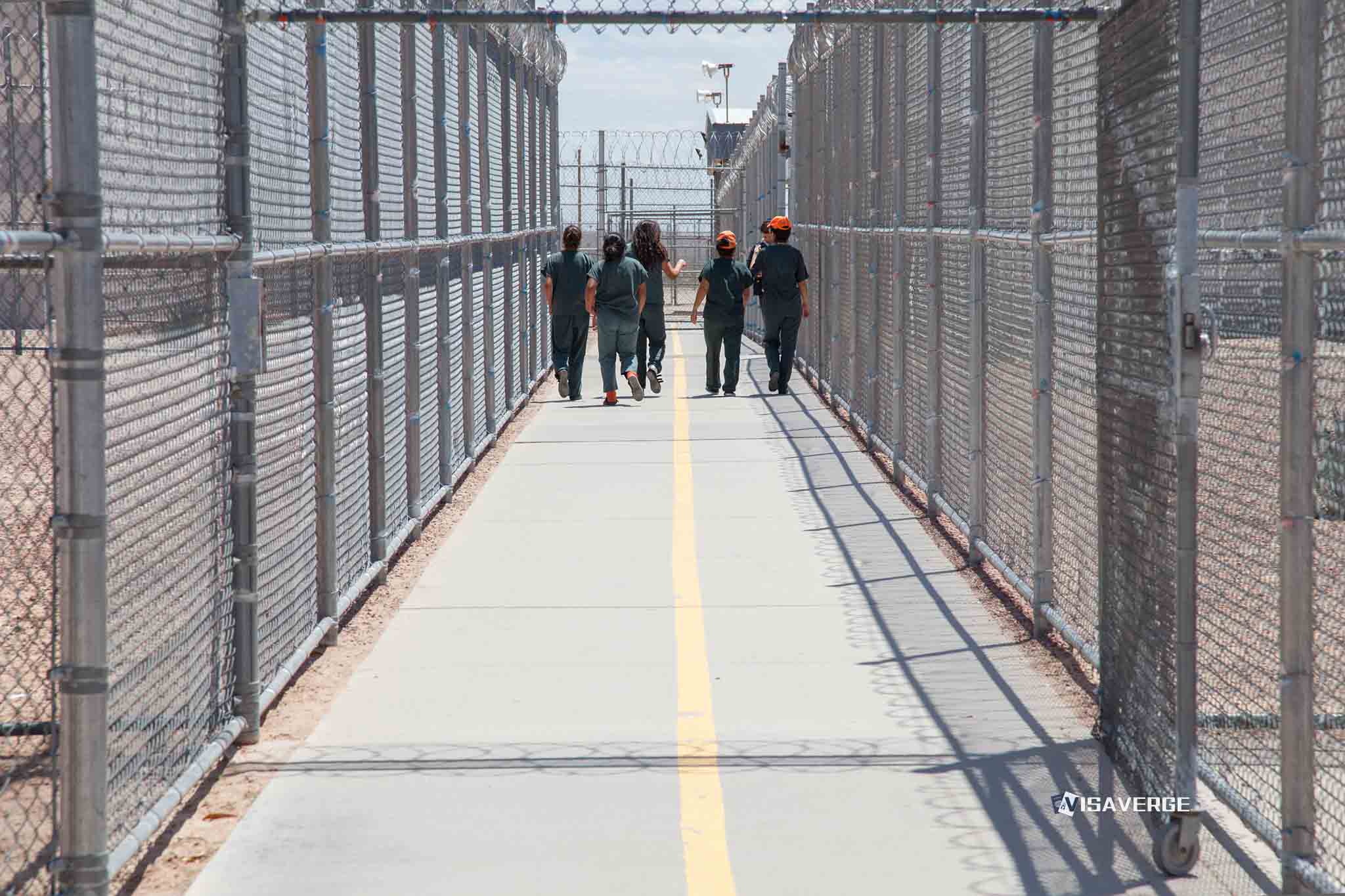
1) Overview: detained immigrants and access to attorneys
Removal proceedings are civil, not criminal. That distinction drives the counsel framework. In criminal court, the Sixth Amendment can require appointed counsel for indigent defendants. In immigration court, Congress instead provided a statutory right to be represented by counsel of the person’s choosing, at no expense to the government. The key statutory provisions are commonly cited under INA § 240(b)(4)(A) and INA § 292.
Matter of C-B- operationalizes those statutes in the courtroom. The BIA emphasized that judges must safeguard the opportunity to secure counsel. That typically means advising the respondent of the right to counsel, providing time to find counsel, and considering continuances when a respondent shows active efforts to retain an attorney. The decision matters most in detained dockets, where limited phone access, transfers, and fast hearing schedules can otherwise collapse the time needed to hire counsel and prepare evidence.
This is an early-detention issue. What happens in the first days can shape the entire case. That includes:
- Whether the Notice to Appear is correct.
- Whether the person might seek bond or parole.
- Whether deadlines for applications and supporting documents will be tight.
- Whether medical or mental health evidence must be gathered quickly for bond or relief.
Warning (practical): “Right to counsel” in immigration court usually means the government must not block your ability to hire a lawyer. It does not usually mean the government must pay for one.
For court system basics, EOIR provides immigration court information on EOIR courts.
2) Confidential access to privately retained counsel
Even without appointed counsel, detained people retain due process protections, including the ability to communicate with lawyers in ways that preserve confidentiality. The source standards most often referenced in access disputes are ICE’s Performance-Based National Detention Standards (PBNDS 2011). Those standards address confidentiality expectations for attorney visits and legal communications, including in-person meetings, phone calls, and certain electronic communications.
From a practical standpoint, “confidential access” usually means:
- Legal visits should allow one-on-one attorney-client consultation in a private space.
- Phone systems should allow legal calls that are not improperly monitored.
- Facilities should provide reasonable access hours and processes for attorney visits.
- Detainees without counsel should have workable ways to contact legal service providers.
The PBNDS framework also contemplates free or low-cost calling options for initial legal outreach and certain official contacts. That can matter in the first week of detention when a family is trying to locate someone and a lawyer is trying to collect facts. It also matters when the person is pro se and needs help contacting a sponsor, gathering records, or obtaining translations.
Detention facilities can vary significantly. Some are remote. Some use third-party phone vendors. Some have limited private meeting rooms. Those facts can drive litigation and emergency motions. When counsel can show that access barriers are undermining representation, Matter of C-B- can support requests for continuances or other case-management relief in immigration court.
For detention system orientation, ICE posts public information at ICE detention.
Deadline (common pinch point): If a detained case is set for an early master calendar hearing, counsel often must act immediately to request a continuance and to document access barriers.
3) Key rights during detention (roadmap)
Detention produces recurring “touchpoints” where people can protect themselves, or accidentally waive options, depending on what they sign and what they can communicate.
Locating a detained person and phone access. Families typically need identifying information to locate someone in ICE custody. In many cases, that includes the person’s A-number. Without it, finding the correct facility and case status can take longer. That delay can cost time for hiring counsel and preparing bond evidence.
Paperwork pressure points. Detained people are often presented with forms or asked to acknowledge documents. Some documents can have major consequences, including statements that may be used later or choices that affect hearing scheduling. Reviewing paperwork with counsel can help avoid unintentional concessions or misunderstandings, especially where language access is limited.
Bond hearing basics. Many detained noncitizens may seek a bond hearing before an immigration judge, but eligibility depends on the detention authority and criminal and immigration history. Timing varies. In many cases, people see early hearings within weeks, but there are important exceptions, including mandatory detention arguments and jurisdictional limits that may be litigated.
Consular contact. Many detainees have the right to request consular notification or contact. Consulates sometimes assist with identity documents or family coordination. That can help with release planning or obtaining civil records, but it does not substitute for legal representation.
Healthcare intersects here more often than people expect. Bond and relief applications may turn on medical vulnerabilities, disability accommodations, or mental health diagnoses. Counsel may seek detention medical records, outside treatment records, or evaluations. Those requests can be slow without reliable communications and family support.
Warning (signing documents): If you do not understand a document, you can ask for an interpreter and ask to review it with counsel before signing, when possible.
4) Representation rates and the funding landscape
The representation gap is not marginal. It is structural.
The source data reflects that about 70% of detained people proceed without counsel, and about 62% overall in immigration court lack attorneys. Those figures track what practitioners see daily: remote detention locations, limited confidential communication, and the cost of private counsel combine to make representation hard to secure.
Civil immigration court lacks a public-defender funding model. That has downstream effects:
- Evidence gathering slows down. Medical records, police reports, and declarations take time.
- Remote logistics multiply friction. Calls drop, visits are limited, and documents are hard to exchange.
- Hearing schedules compress. Detained dockets move quickly, raising continuance disputes.
- Case outcomes can shift. Representation often affects issue-spotting, eligibility screening, and the quality of filings, without guaranteeing any result.
The legal significance of Matter of C-B- is that it gives a doctrine-based reason to ask judges to slow the process when lack of access is impeding the ability to retain counsel. But it does not create funding. It addresses procedure, not payment.
For those searching for counsel, EOIR also provides general court information and links through EOIR resources.
5) Recent court actions and legal standards (what they do, and don’t, establish)
Recent litigation has tended to focus on access and oversight, not on a broad right to appointed counsel. The source highlights Neguse v. ICE (D. Colo., stayed Dec. 17, 2025), where a federal judge stayed certain DHS policies limiting congressional oversight visits under the APA’s stay authority. The practical point for detained people and lawyers is that detention policies can change quickly through court orders, stays, and settlement-driven revisions.
Still, it is critical to separate three different kinds of “authority”:
- Binding precedent: BIA precedent (like Matter of C-B-) binds immigration judges nationwide, unless limited by higher court rulings. Circuit precedent binds within that circuit.
- Persuasive authority: A district court order may be influential, especially factually similar ones, but it may not bind other courts or EOIR.
- Broad injunction effects: Some orders function broadly while in effect, but stays, appeals, and narrowed remedies can change the real-world impact fast.
Broader constitutional arguments for appointed counsel in civil detention exist, especially in cases involving mental incompetency or children, but the general rule remains: immigration court typically does not appoint counsel for adults in standard removal cases.
6) Advocacy, challenges, and pro bono resources
When confidential access is denied or meaningfully impaired, attorneys and legal service providers often build a record using:
- Written requests to the facility for private legal calls or legal visitation slots.
- Grievances and incident documentation.
- Motions for continuance or administrative closure alternatives where available.
- Targeted federal litigation where systemic barriers persist.
Advocacy proposals, including bills aimed at civil detention standards, can matter as policy signals. But proposed legislation is not law unless enacted. Families and detainees should treat it as background, not a current right.
For pro bono or low-cost help, start with reputable national directories and be ready with:
- Full name and date of birth.
- A-number, if known.
- Facility location and housing unit, if known.
- Next hearing date and the immigration court location.
- Any urgent medical or mental health issues and current medications.
- A short timeline of entries, prior orders, and criminal history, if any.
One reliable starting point is the AILA Lawyer Referral service and the Immigration Advocates Network directory.
Practical takeaway: If you can show you are actively seeking counsel and detention conditions are blocking confidential access, Matter of C-B- supports asking the immigration judge for time and procedural protection. It does not guarantee release or a favorable outcome.
⚖️ Legal Disclaimer: This article provides general information about immigration law and is not legal advice. Immigration cases are highly fact-specific, and laws vary by jurisdiction. Consult a qualified immigration attorney for advice about your specific situation.
Resources:
- AILA Lawyer Referral
- Immigration Advocates Network directory