(CANADA) — Canada’s Immigration, Refugees and Citizenship Canada set a 408,000 target for 2026 study permits as global policy tightening in the United Kingdom and the United States pushed more international students toward study-to-immigrate routes in Canada.
Canadian policy changes that took effect January 1, 2026, including exemptions for master’s and PhD students at public institutions from the national cap, have helped Canada overtake the United Kingdom as a destination for students seeking permanent residency access, according to independent immigration news sources cited in the comparison.
High-level takeaway
- Governments in the U.S., UK and Canada have introduced immigration cuts or restrictions tied to oversight, sustainability pressures, and enforcement priorities.
- Diverging rules on post-study work, family eligibility, and pathways to settlement have become central to competition for international students.
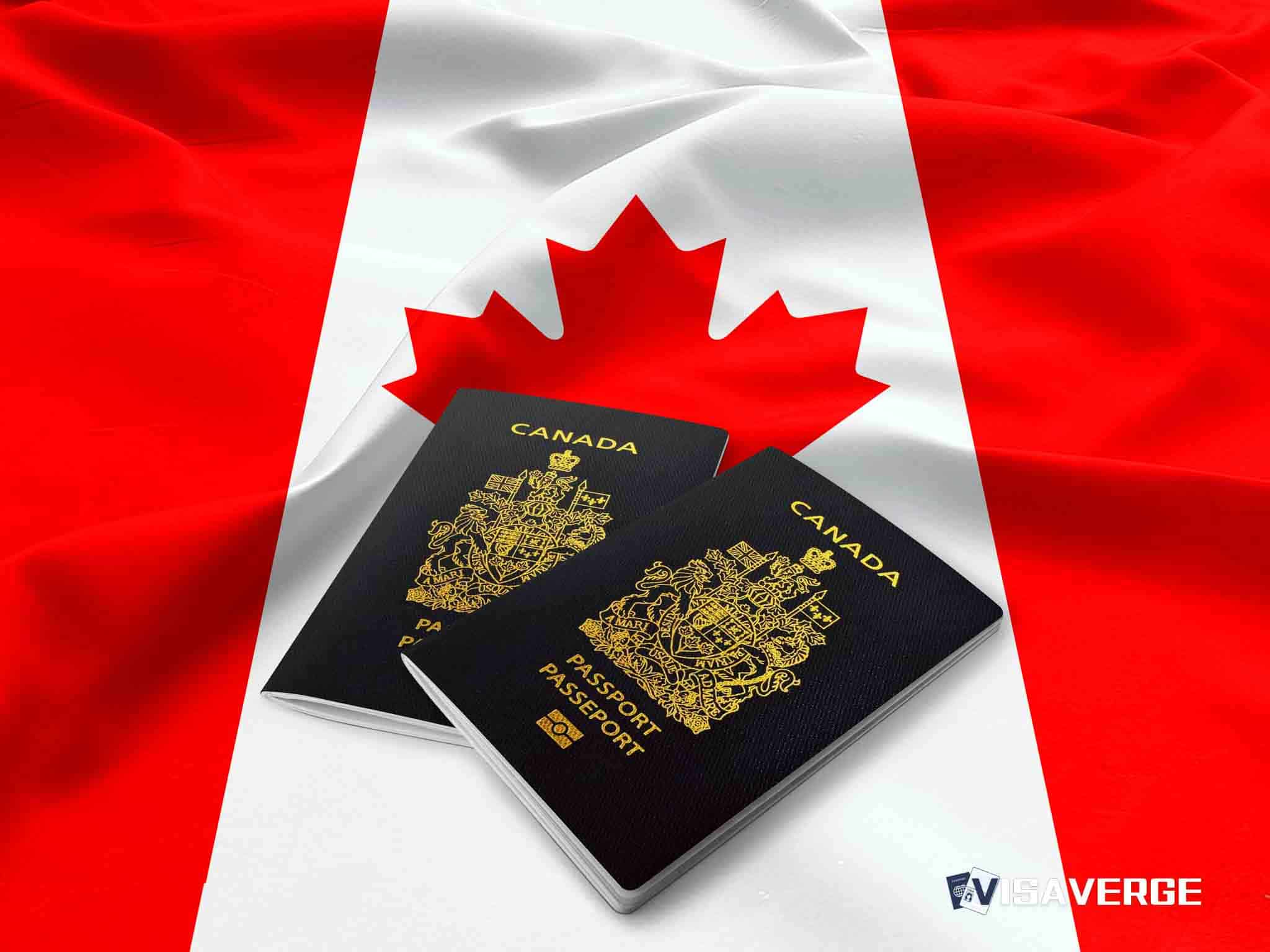
- Canada’s policy sequencing and targeted exemptions have made it comparatively more attractive for students seeking a study-to-immigrate path, especially at the graduate level.
Key Canada policy features (effective January 1, 2026)
- Study permit target for 2026: 408,000 (includes extensions).
- Exemptions: Master’s and PhD students at public institutions are exempt from the national cap beginning Jan 1, 2026.
- Post-graduation work permit: Up to 3 years for many graduates.
- Pathway to permanent residency: Possibility of qualifying for permanent residence through the Canadian Experience Class after one year of skilled work.
- Family eligibility: Spouses/partners of master’s and PhD students remain eligible for work permits—an advantage in recruiting students who weigh family considerations.
IRCC published allocations under the international student cap in the notice titled 2026 Provincial and Territorial Allocations under the International Student Cap.
Canada’s comparative advantage is not the absence of limits but the way limits are designed: targeted exemptions for advanced degrees and relatively generous post-graduation work rights.
United Kingdom policy shifts
- Graduate Route reduced: Set to be 18 months from Jan 1, 2027, down from 24 months.
- Indefinite Leave to Remain (ILR): Current path requires 5 years, with proposals referenced that could extend this to 10 years, creating uncertainty.
- Dependant restrictions: Most students barred from bringing dependants since Jan 2024.
- Economic impact: A Home Office analysis cited in the comparison estimated cuts could cost up to £4.4 billion over five years in lost tuition and tax revenue.
Relevant reference: Changes to UK Visa and Settlement Rules after the 2025 Immigration White Paper
United States policy shifts
- OPT overhaul proposed: DHS announced a proposed rule to overhaul Optional Practical Training on Nov 17, 2025 to address fraud, national security, and alignment with program goals. Source: DHS Regulatory Agenda, 2025.
- Duration of Status proposal: In July 2025, DHS revived a proposal to eliminate “Duration of Status” for F-1 and J-1 visa holders and replace it with a fixed admission period, typically four years, to tighten monitoring.
- Enforcement actions (early 2025): Visa revocations and SEVIS record terminations tied to enhanced vetting protocols by DHS and ICE.
- Presidential memo (Jan 20, 2025): Mandated increased vetting and screening for individuals seeking U.S. admission:
> “Increased vetting and screening for individuals seeking admission to the U.S. [to] monitor those within the U.S. to ensure they do not harbor hostile attitudes toward American citizens, culture, government, institutions, or founding principles.” (Executive Order, January 20, 2025). - Enrollment impact: The comparison cited a 17% drop in new international student enrollments in Fall 2025.
DHS regulatory materials referenced: DHS Regulatory Agenda – Practical Training and OPT Updates.
Comparative table: Canada vs UK vs US (selected features)
| Feature | Canada | United Kingdom | United States |
|---|---|---|---|
| 2026 study permit target / notable cap | 408,000 (includes extensions); exemptions for master’s/PhD at public institutions from Jan 1, 2026 | Moving to fewer permits overall; no graduate-level exemptions described in the comparison | No national cap for study permits; enforcement and program changes affecting student flows |
| Post-graduation work permission | Up to 3 years for many | 18 months from Jan 1, 2027 (down from 24 months) | OPT under proposed overhaul (changes pending) |
| Pathway to permanent residency | Possible in as little as 1 year of skilled work via Canadian Experience Class | ILR currently 5 years, proposals could extend to 10 years | No direct study-to-PR federal pathway; H-1B lottery system and other routes; higher perceived uncertainty |
| Family/dependant rules | Spouses/partners of master’s and PhD students eligible for work permits | Most students barred from bringing dependants since Jan 2024 | Dependant rules vary (F-2/J-2) and subject to broader enforcement changes |
| Noted economic impact | Framed as balancing pipeline to PR with housing/infrastructure concerns | Home Office analysis: up to £4.4 billion cost over five years | Enrollment declines cited; regulatory rationale includes oversight and national security |
Impacts on student flows and demand
- The UK’s dependant ban and shorter post-study period have been linked to reduced demand from major source markets such as Nigeria and India.
- The Home Office analysis suggested the UK policy package could produce significant economic losses (up to £4.4 billion over five years) from lower tuition and tax revenue.
- U.S. enforcement and policy signals (OPT overhaul, Duration of Status changes, visa revocations) contributed to a 17% fall in new international student enrollments in Fall 2025.
- These shifts have pushed more students toward Canada’s study-to-immigrate options, particularly graduate-level applicants seeking clearer settlement timelines.
Why sequencing and details matter
- Timing and length of post-study work permissions determine whether graduates can build qualifying work history for settlement programs.
- The UK’s reduction to 18 months from Jan 1, 2027 reduces time to accumulate skilled work experience, potentially requiring graduates to seek other routes or return home before meeting residency criteria.
- Canada’s alignment of a 1-year skilled-work requirement for the Canadian Experience Class with a 3-year post-graduation work permit provides a coherent pathway for many graduates.
- Family rules (work permits for spouses/partners) are a significant factor for applicants weighing household income and long-term settlement feasibility.
Framing by governments and practical effect
- All three governments frame changes as efforts to balance integrity, enforcement, and capacity.
- The practical outcome, according to the comparison, is a reshaping of student mobility — with Canada emerging as relatively more favorable for high-level international graduates due to exemptions and clearer routes to permanent residency.
- Canada’s approach aims to protect a pipeline into permanent residency while responding to domestic pressures on housing and infrastructure.
What matters for 2026 intakes
- Key considerations for prospective students include:
- Length of post-study work authorization
- Eligibility of spouses/partners for work permits
- How quickly study can lead to permanent residency
- Risk of policy changes or reduced visa durations
- For many graduate-level candidates, Canada’s exemptions and pathway timeline may present a lower-risk route from study to settlement compared with current UK and U.S. policy trajectories.
The comparison concluded that, as the U.S., Canada and the UK each tighten rules in different ways, Canada has emerged on top in the study-to-immigrate contest because its exemptions and permanent residency accessibility remain more favorable for high-level graduates.
Canada has emerged as a leader in the study-to-immigrate market by setting a 2026 study permit target of 408,000 while exempting graduate students from national caps. This contrasts with the UK’s reduced post-study work periods and the US’s increased regulatory scrutiny. By offering three-year work permits and paths to residency after one year of work, Canada attracts students seeking long-term settlement over short-term instruction.