- Greek authorities are investigating a fatal collision between a Coast Guard vessel and a migrant speedboat.
- Survivors face a complex multi-track legal process involving maritime safety, criminal inquiry, and protection screening.
- Families must navigate strict identity verification protocols across medical, immigration, and consular systems after maritime disasters.
(GREECE) — A late-night collision off the island of Chios has triggered a multi-track process: emergency search-and-rescue, a maritime safety and criminal inquiry, and—separately—immigration and protection screening for survivors.
Families looking for missing relatives, and migrants who survived the capsize, often need to move quickly to preserve evidence, confirm identity, and access legal help across more than one system.
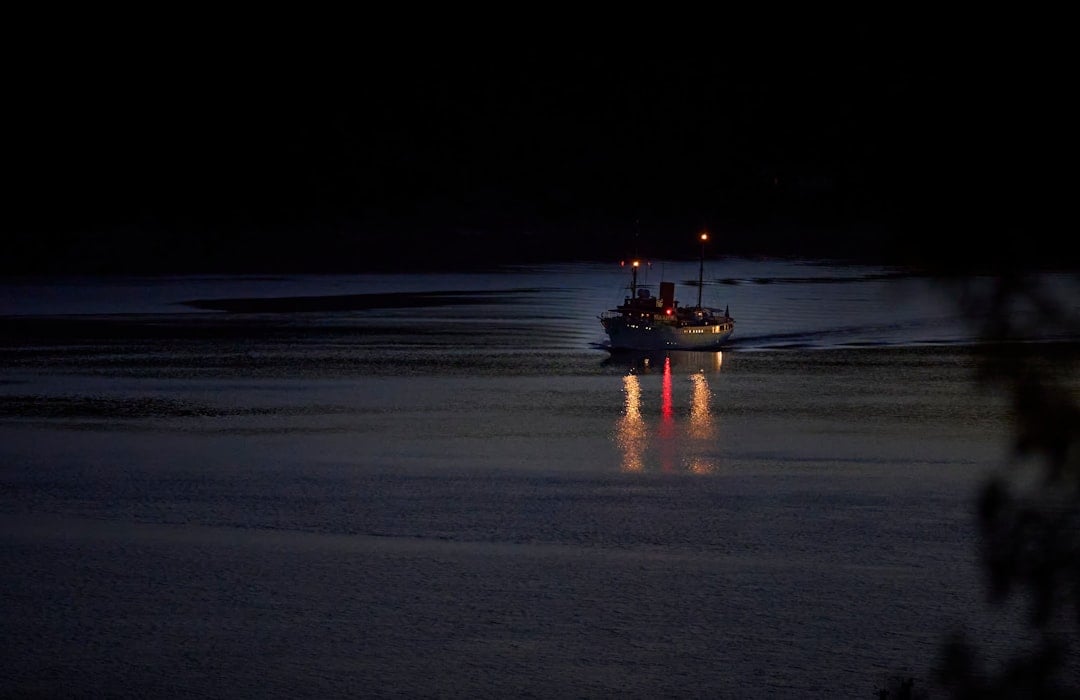
Below is a process explainer of what typically happens after an incident like the Chios crash, what documents are needed at each stage, where timelines can slip, and why early legal guidance can matter.
1) Incident overview: what happened off Chios and why it matters
Greek authorities reported that, late Tuesday night into early Wednesday, a Greek Coast Guard patrol vessel encountered a speedboat carrying migrants near the eastern coastline of Chios, in the Mersinidi–Vrontados area.
This route is high-risk because it is close to the Türkiye–Greece maritime corridor, often traveled at night in small, fast boats with limited safety equipment.
Authorities said the speedboat capsized after a collision during an attempted interception. Search-and-rescue operations followed, with public statements and updates issued the next day.
Beyond the immediate tragedy, the incident matters because it can generate parallel accountability reviews: rules-of-the-road compliance, the lawfulness of interception tactics, and documentation for future asylum or other protection claims.
2) Casualties, survivors, and medical response: why figures evolve
In maritime capsizes, the first confirmed figures typically come from three sources: bodies recovered, people pulled from the water, and hospital intake records.
Counts can change as searches continue, weather shifts, and missing-person reports are reconciled against survivor lists.
Medical providers usually prioritize life-threatening conditions seen after sudden high-speed incidents and cold-water immersion. These often include hypothermia, aspiration injuries from inhaling seawater, blunt trauma, and fractures.
Hospitals may also treat dehydration and shock. Identification and notification typically proceed in stages using personal documents recovered from clothing or bags, interviews with survivors, and forensic methods when needed.
Do not rely on early social-media lists of survivors. Names are often misspelled, duplicated, or incomplete in the first 24–72 hours.
Families are often notified only after officials are confident in an identification, which can take time after a mass-casualty event.
3) Vessel conduct and collision circumstances: what investigations examine
Greek officials reported that the speedboat lacked navigation lights and did not comply with sound and visual stop signals. They also alleged the operator maneuvered toward the patrol vessel, contributing to the collision and capsize.
Those assertions are significant because they can shape both safety findings and any criminal or disciplinary review. Investigations in cases like Chios typically examine several areas.
- Navigation rules and seamanship. Compliance with the International Regulations for Preventing Collisions at Sea (COLREGs), safe speed, lookout, and risk-of-collision decisions.
- Command decisions and procedures. Whether the patrol followed internal protocols for approach distance, illumination, warnings, and escalation.
- Communications. Radio traffic, loudhailer use, and any recorded signals.
- Electronic and video evidence. AIS and radar logs (where applicable), vessel tracking, dash or deck video, and body-worn camera footage if used.
- Witness statements. Testimony from Coast Guard crew, survivors, and nearby vessels.
- Forensic and medical findings. Cause-of-death determinations can clarify timing and mechanisms of injury.
Decision points can diverge here: a case may remain an administrative safety inquiry, become a prosecutorial investigation, or involve multiple reviews at once. Investigators usually avoid final fault findings until the evidence is collected and analyzed.
4) Nationalities and demographics: why they affect legal pathways
Greek authorities indicated that most passengers were Afghan nationals, with at least one person reported from Morocco. In protection screening, nationality can matter because asylum and subsidiary protection assessments often turn on country-of-origin conditions and individualized risk.
Age and family composition also matter. When children are involved, authorities typically must address guardianship, family unity, and vulnerability screening. Unaccompanied minors may be routed into specialized procedures and child-protection services.
Identity verification can be delayed after maritime disasters because documents may be lost at sea, damaged, or held by smugglers.
Common identity-confirmation methods include document review, survivor interviews, biometrics where legally authorized, and consular checks in limited cases.
- Document review (passports, national IDs, birth certificates, school records, photos).
- Interviews with survivors about family links, travel route, and biographical details.
- Biometrics (fingerprints and photographs) where legally authorized for immigration processing.
- Consular checks in limited cases, which may be sensitive for asylum seekers.
5) Official statements, investigations, and legal frameworks: how accountability reviews work
Greek leaders publicly expressed sorrow and confirmed an investigation was underway. In incidents involving Coast Guard interception and a loss of life, the legal framework is layered.
Key frameworks typically include duties to render assistance at sea, interception and use-of-force standards, and EU border management oversight.
- Duty to render assistance at sea: Under long-standing maritime norms and treaty obligations, vessels and coastal authorities generally must assist persons in distress when feasible.
- Interception and use-of-force standards: Reviews often ask whether actions were necessary and proportionate given the perceived threat and the foreseeable risk of capsize.
- EU border management oversight: Depending on operational involvement, EU bodies and oversight channels may review compliance and incident reporting, including Frontex-related processes.
The article also referenced U.S. Department of Homeland Security messaging on enforcement posture, issued the same day from a separate U.S. border context. That U.S. context is not a joint operational statement about Chios; it is relevant mainly as broader policy background for readers tracking parallel enforcement trends.
Survivors’ early interviews can affect later credibility assessments. Mistranslations and trauma-related memory gaps are common and should be documented.
6) Significance for migrants and families: protection screening, tracing, and documentation
For survivors, the immediate immigration question in Greece often becomes: what screening and reception steps come next, and how can a person preserve proof of identity and vulnerability?
For families, the urgent question is usually: how do we locate someone who may be hospitalized, detained, missing, or deceased?
Step-by-step: what affected people typically do next
- Confirm the official point of contact. Documents to gather: full name(s) and spellings, date of birth, nationality, photos, last known phone numbers, and any travel companions’ names. Outcome varies: officials may confirm presence only after identity is verified.
- Request missing-person tracing and hospital checks. Documents: proof of relationship if available (birth certificates, marriage certificates, family book, photos, message history). Delays: hospitals and authorities may restrict details for privacy and identification integrity.
- Reconstruct identity if documents were lost. Documents: copies of passports/IDs, scanned PDFs, school records, UNHCR documents if any, prior visas, prior asylum paperwork. Practical tip: ask relatives to email copies and keep metadata if possible.
- Prepare for protection screening. Documents: a written timeline of travel, smuggler contact information if safely known, prior threats, prior harm, and any medical records from the incident. Outcome varies: survivors may be screened for vulnerabilities and may seek asylum or other protection depending on individual facts and local procedures.
- Preserve incident evidence. Documents: photos of injuries, discharge summaries, and any official paperwork issued by authorities. Mistake to avoid: signing statements in a language you do not read without interpretation.
Deadline: If you need to challenge detention, removal steps, or a negative asylum decision, appeal windows can be short and jurisdiction-specific. Ask a local attorney immediately about deadlines.
U.S. and UK immigration significance (context)
Some families will ask whether the Chios incident helps a U.S. or UK case. It can, but only in limited, fact-specific ways.
U.S. Asylum is governed by INA § 208, withholding by INA § 241(b)(3), and CAT protection is implemented at 8 C.F.R. §§ 1208.16–1208.18. A maritime disaster may support evidence of trauma, coercion by smugglers, or fear narratives, but it does not automatically create eligibility.
If a survivor later reaches the U.S., entry processing is handled by CBP, while asylum applications are filed with USCIS or EOIR depending on posture.
UK asylum and trafficking screening follow a different statutory framework, with separate evidentiary rules. The same core issue remains: consistent identity evidence and careful documentation.
7) Official sources and how to verify updates
For evolving incidents like Chios, readers should prioritize primary sources and track revisions.
For Greek updates, monitor the Hellenic Coast Guard site.
For U.S. policy posture and related statements, use the USCIS newsroom: USCIS newsroom
Verification habits that help: save screenshots with visible timestamps, note when a statement is updated rather than reposted, cross-check numbers across official posts and reputable medical briefings, and treat “leaked lists” cautiously until confirmed by authorities.
Resources:
AILA: Find a Lawyer
This article provides general information about immigration law and is not legal advice. Immigration cases are highly fact-specific, and laws vary by jurisdiction. Consult a qualified immigration attorney for advice about your specific situation.