(CROWBOROUGH, EAST SUSSEX) Hundreds of residents have turned out over several weekends in November 2025 to protest government plans to house up to 600 asylum seekers at a former army training camp on the edge of Crowborough, deepening a local row over asylum accommodation and community safety.
The plan and timeline
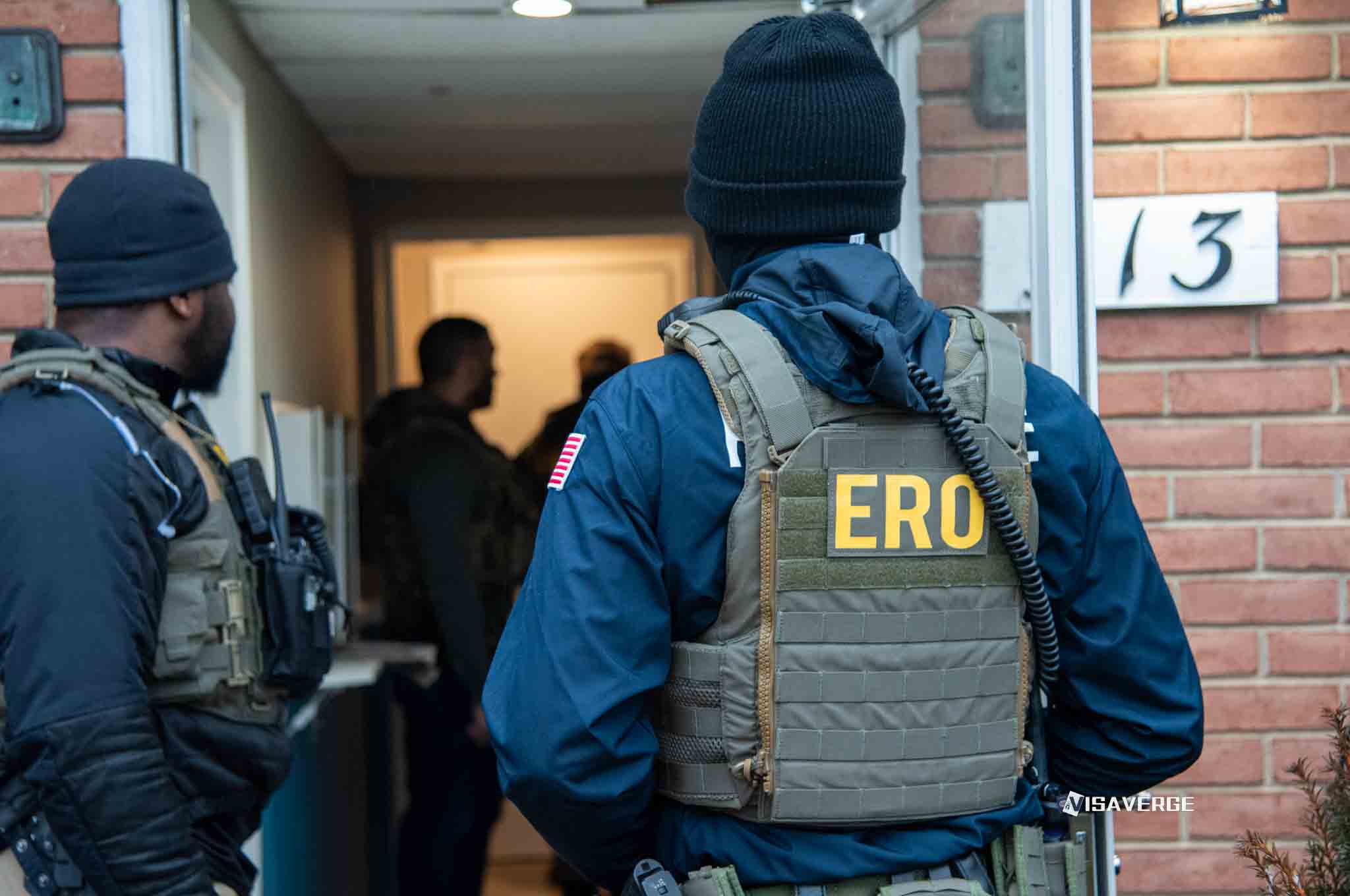
The Home Office confirmed in October 2025 that the long‑running military site on the town’s outskirts would be turned into temporary housing for asylum seekers. Ministers say the move is part of a wider push to cut the controversial use of hotels before the next general election.
Officials say they want the army training camp operational by the end of November or December 2025, though work on the ground has already stirred anger and anxiety in this East Sussex town.
Key dates and targets
- October 2025: Home Office confirmation of the site conversion.
- End of November–December 2025: Target to have the camp operational.
Scale of local response
Crowborough has seen weekend crowds estimated between 800 and as many as 3,000 people at the largest gatherings, according to local figures cited by campaigners and politicians. Protesters have:
- Lined roads near the camp entrance.
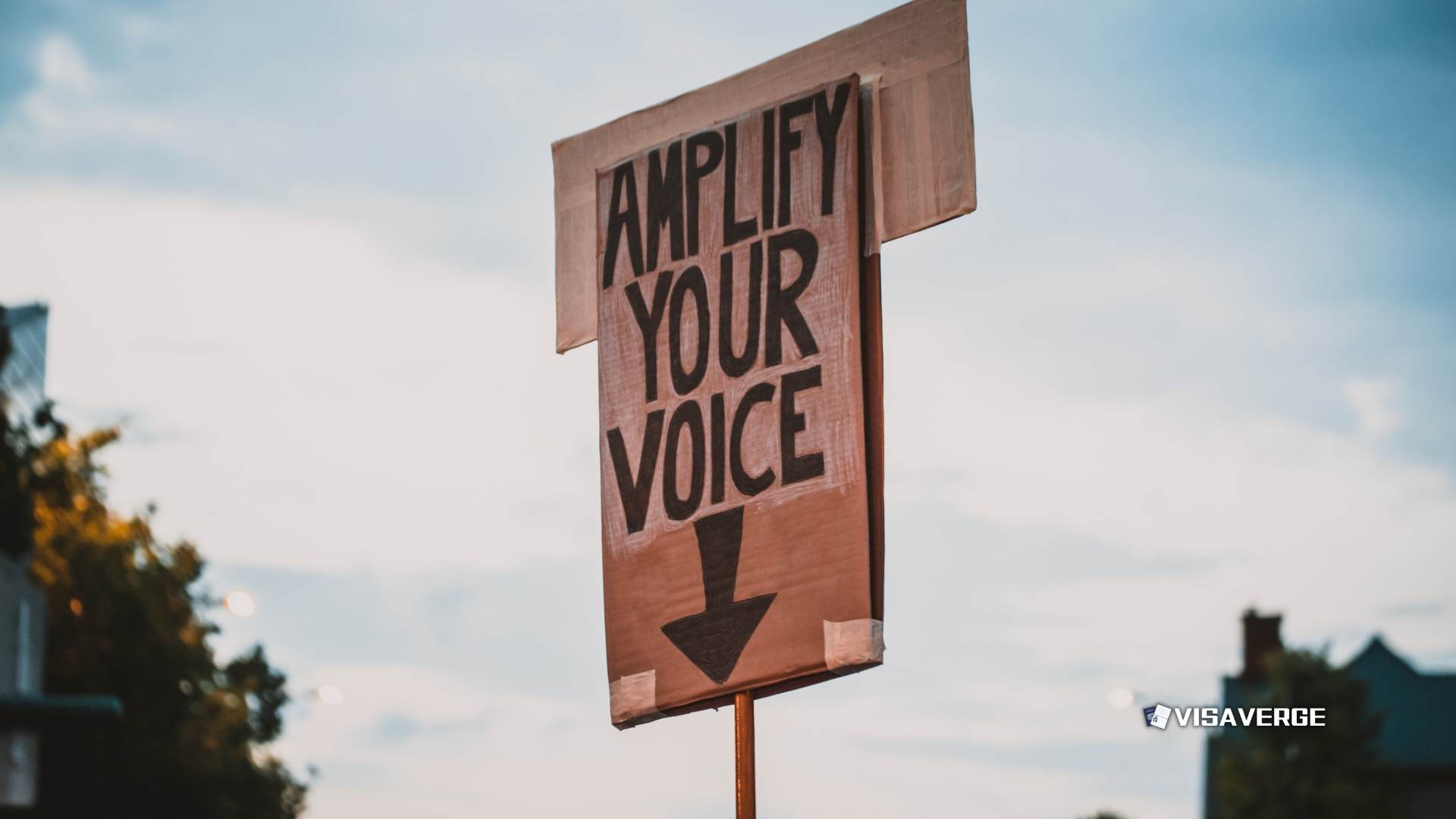
- Gathered in town carrying English flags and home‑made signs.
- Displayed placards reading “Protect our community” and “Stop 600 illegal immigrants coming to Crowborough”, reflecting a sharp split in how residents describe and think about the asylum seekers.
Many demonstrators say they are worried about public safety, the lack of formal consultation, and pressure on already stretched local services such as healthcare, policing, and schools. Parents have expressed concerns for children walking past the area and questioned who would be responsible for security inside and outside the perimeter once the site opens.
Local government response
Wealden District Council, which covers Crowborough, has taken an unusually firm stance:
- Voted unanimously to oppose the plan.
- Announced intention to pursue legal action against the government’s decision.
Councillors argue the scale of the proposal is out of step with a small town and that central government pressed ahead without proper engagement. The council’s move has encouraged protesters, who say they now feel their concerns are at least being heard in official forums.
Political and activist involvement
The protests have become a platform for national political voices on immigration. Speakers at recent rallies have included:
- Nick Tenconi, leader of UKIP
- Sarah White, from Advance UK
Both parties are noted for hard‑line positions on immigration. Their presence has drawn national attention and scrutiny from groups that monitor far‑right activity at asylum sites and planned accommodation centres.
Anti‑racist campaigners have also been active. Stand Up to Racism has criticised the protests for what it calls far‑right involvement and has tried to rally residents who want to support the asylum seekers. The group says many people in Crowborough would be ready to welcome those moved to the camp, even if questions remain about funding, services, and long‑term plans.
According to analysis by VisaVerge.com, community splits like the one now visible in Crowborough are increasingly common when large asylum sites are announced in smaller towns.
Concerns about current site use and safeguarding
The army training camp is still in active use as temporary lodging for troops and cadets. This raises additional concerns:
- Cadet units could be displaced or lose access to facilities important for young people.
- Mixing vulnerable asylum seekers with youth groups prompts questions about safeguarding standards.
- Local people with links to cadet organisations have voiced specific worries about the future use of the site.
Safety fears, evidence and counterarguments
Opponents of the conversion point to reports of criminal charges against some asylum seekers in other facilities around the country and say they fear similar problems could emerge in Crowborough. They emphasise they do not view all asylum seekers as dangerous, but argue the government has not set out clear enough rules, support systems, or enforcement plans for this specific site.
Campaigners on the other side warn that such fears risk unfairly blaming entire groups for isolated incidents.
Policing and public order
Sussex Police say they have so far treated the protests as lawful assemblies. Officers have:
- Monitored marches and static gatherings.
- Reported no arrests and no confirmed reports of serious disorder linked to the events.
The force has said it will continue to work with organisers and local leaders to maintain safety around the camp and in the town centre as plans progress.
Government rationale and local counterpoints
For the government, the Crowborough camp is part of a wider attempt to shift asylum seekers into what ministers describe as more suitable, large‑scale accommodation. The Home Office argues that using sites like the army training camp will:
- Ease pressure on local communities that host hotel accommodation.
- Bring down the overall cost of housing people who are waiting for decisions on their asylum claims.
- Maintain public safety through proper checks and controls at the Crowborough site.
Locally, campaigners counter that the government is merely moving problems from one place to another without talking to the people most directly affected. They say:
- Crowborough has a record of volunteer work and charity projects, but
- Local services are not set up for a sudden arrival of hundreds of new residents who cannot work and will depend heavily on state support while their claims are processed.
Views of residents not participating in protests
Some residents who did not join the demonstrations say they feel torn between sympathy for those fleeing war or persecution and unease about the speed and scale of the plan. They suggest alternatives they would find more acceptable, such as:
- Housing a smaller number of asylum seekers at the camp.
- Adopting a phased approach to arrivals.
- Providing clearer information on:
- How long people would stay,
- What support they would receive,
- How the town would be funded to cope.
Legal and policy context
Nationally, asylum accommodation policy sits with the Home Office, and local councils have limited formal power to block decisions, though they can challenge on planning or legal grounds.
Official information about how asylum seekers are housed, and what support they receive, is set out in the UK government guidance on asylum accommodation and support:
https://www.gov.uk/guidance/asylum-accommodation-and-support, which explains the broad framework that would apply to a site like the one planned in Crowborough.
What to watch next
As winter approaches, attention in the town is fixed on two main questions:
- Will the Home Office meet its target to have the former army training camp ready by late November or December 2025?
- Can legal action from Wealden District Council slow or reshape the project?
For the asylum seekers who may be moved there, the outcome will decide whether their next months are spent in hotel rooms elsewhere or behind the fences of a military site in rural East Sussex — under the gaze of a community still deeply split over their arrival.
Summary of stakes
- Community safety and public services vs. government aims to reduce hotel use and costs.
- Local consultation and legal challenges vs. national immigration policy authority.
- Social cohesion: residents split between opposition, conditional acceptance, and support for asylum seekers.