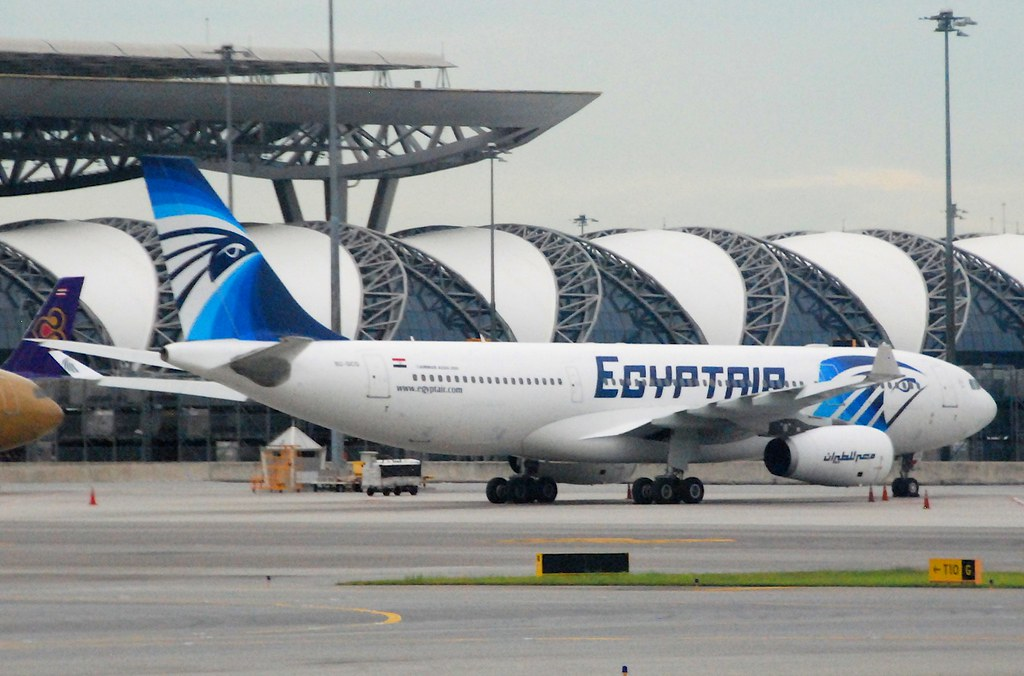
- Regional strikes and sweeping airspace closures have halted all flights at Dubai’s two major airports.
- Over 20,000 stranded passengers have received housing while 2,700 flights face cancellations and delays.
- Travelers must choose between waiting for airline recovery or paying for expensive self-rerouting options.
(DUBAI, UNITED ARAB EMIRATES) — Flights in and out of Dubai have been suspended after weekend strikes and sweeping airspace closures, and that changes the smartest move for stranded travelers right now. If you’re caught in the mess at Dubai International Airport (DXB) or connecting through Dubai this week, your best choice comes down to one question: can your airline realistically protect your trip soon, or do you need to self-reroute today?
Dubai’s hub disruption is the biggest I’ve seen since the COVID-era shock. Authorities have already housed about 20, 000 passengers in hotels, and flight tracking shows 2,700+ cancellations and 12,300+ delays worldwide as of Sunday evening. That combination creates brutal rebooking queues, thin seat availability, and long holds at hubs far beyond the Gulf.
Below is a traveler-first comparison of the two real options most people face: (A) wait for airline-provided recovery via Dubai or (B) take control and self-reroute away from Dubai, even if it means paying more upfront and claiming later.
Quick recommendation
If you’re ticketed on a major airline that has formally suspended Dubai flying “until further notice,” I’d plan for a multi-day disruption and price a self-reroute now, before inventory gets worse. If you have airline-arranged lodging and you’re not missing a hard deadline, staying put can be the least painful option.
Side-by-side comparison: Wait it out vs self-reroute
| Factor | Option A: Wait for airline recovery in Dubai | Option B: Self-reroute away from Dubai |
|---|---|---|
| Upfront cost | Often lower if hotel and meals are provided | Often higher due to last-seat pricing and one-way demand |
| Time to get moving | Uncertain; depends on airspace reopening and aircraft positioning | Potentially faster if you can find routings via open corridors |
| Stress level | Less planning, more waiting and lines | More planning, less waiting if you confirm seats quickly |
| Best for | Flexible travelers, families, those with checked bags | Business-critical trips, tight deadlines, no checked bags |
| Miles/points impact | Usually preserves original ticket value and protections | New ticket may earn differently; awards can be a lifeline |
| Elite benefits | Better chance of waivers, priority help, and lounge access | Elite perks may not apply on a new carrier or separate ticket |
| Baggage | Easier if bags are already tagged to final destination | Harder if bags are stuck airside or misrouted |
| Housing | Airline hotels can be far and crowded at check-in | You choose location, but availability and rates may be tough |
1) Overview: what happened, and why it matters operationally
The timeline anchor is clear. Strikes occurred on Saturday, Feb. 29, 2026, followed by a fast-moving wave of regional airspace restrictions. By Sunday, the disruption wasn’t just “a Dubai airport problem.” It became an en-route problem across a large chunk of the Middle East.
An “airspace closure” doesn’t mean airports are physically closed. It means aircraft can’t legally or safely fly through certain airspace. That forces airlines into three bad choices:
- Reroute around closed areas, adding flight time and fuel.
- Hold aircraft on the ground until corridors reopen.
- Cancel when crews time out or planes are out of position.
At DXB, officials reported minor damage to a concourse and injuries to four staff members. Even “minor damage” can snarl gate availability, buses, and passenger flows. When DXB stumbles, the entire connection bank suffers.
2) Airspace closures: why the region’s map matters more than the terminal
Several countries announced at least partial airspace restrictions, including Iran, Iraq, Israel, Syria, Kuwait, Qatar, and the UAE. “Partial” can mean limited corridors, timing windows, or altitude restrictions. For travelers, the practical effect is the same. Flights you assumed were “safe alternatives” may be impossible to operate.
It’s also important to separate two disruptions:
- Airport disruption: gate constraints, security re-screening, baggage access issues, terminal congestion.
- En-route airspace disruption: the route itself can’t be flown, or becomes too long for crew duty limits.
Dubai is hit by both. And Dubai has two airports that matter here:
- DXB (Dubai International Airport): the main global connecting hub with dense long-haul banks.
- DWC (Al Maktoum International Airport): Dubai’s second airport, used for some passenger flying and freight.
When constraints hit DXB, the ripple is immediate because so many itineraries rely on tight connections. When en-route airspace tightens, DWC doesn’t automatically “save the day.” The airplanes and crews still have to reach Dubai, then depart through workable corridors.
That’s why a nonstop you booked weeks ago can turn into a cancellation even if your departure airport is calm.
3) Accommodation and support: what you can reasonably expect on the ground
Dubai authorities have secured more than 12,000 hotel rooms, and about 20, 000 passengers have been housed. They also issued 250,000 meal vouchers. Those are huge numbers, but they still come with bottlenecks.
Here’s what I’ve seen in mass disruptions like this, and what you should plan for:
- Hotel blocks fill fast, and they may be far from the airport.
- Transport becomes the choke point, especially late at night.
- Check-in lines can be hours, because thousands arrive at once.
- Meal vouchers can lag, or be limited to certain outlets.
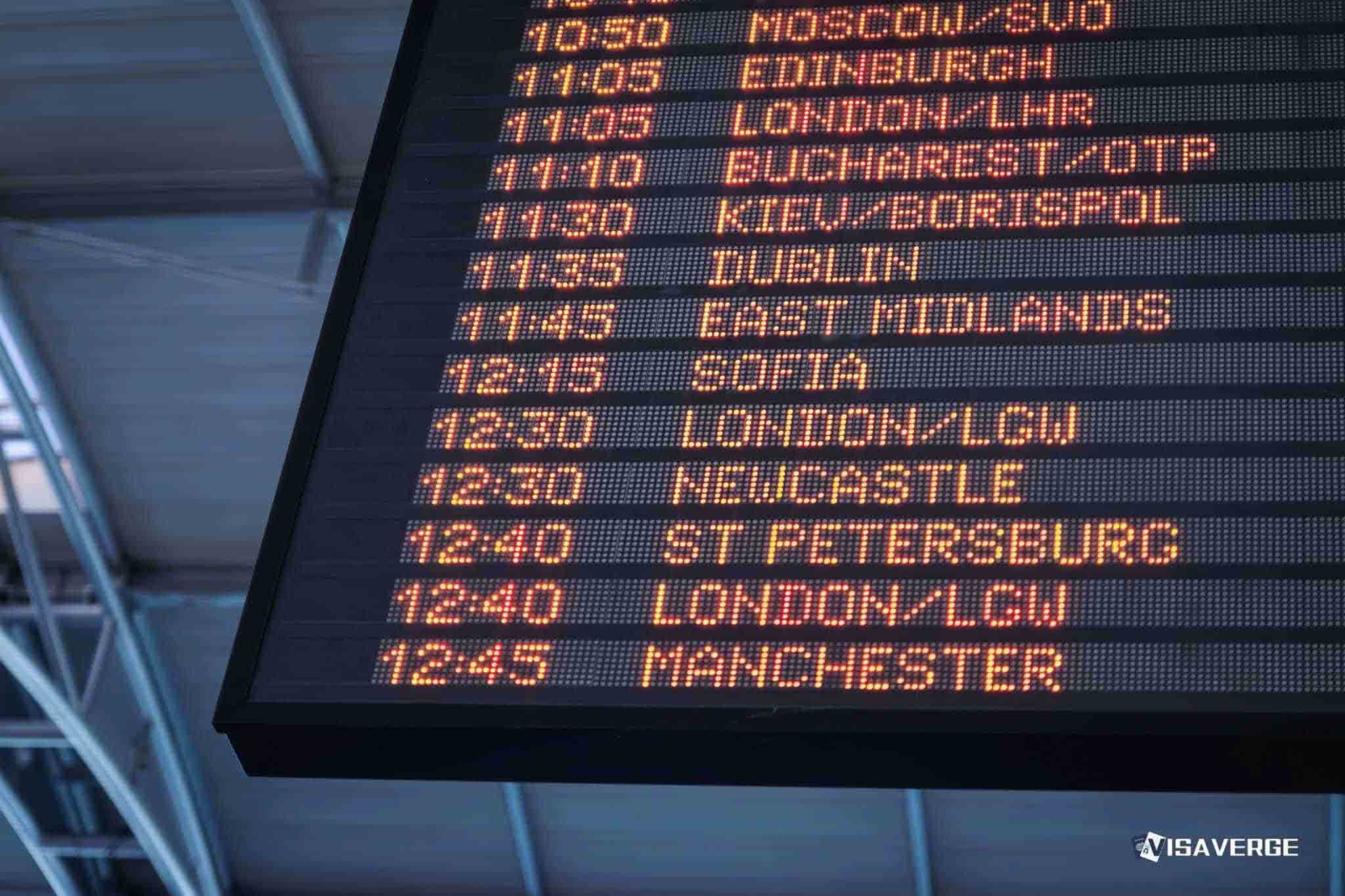
If vouchers don’t arrive quickly, you may need to buy food and claim it later. Keep receipts and take photos of posted closures or canceled flight boards when possible. Documentation is what turns a frustrating expense into a reimbursable one.
You may also see sudden terminal closures, evacuations, and re-entry procedures. That can mean security re-screening and limited access to checked baggage. If your bag is already airside, retrieving it can be slow.
⚠️ Heads Up: If you leave the airport for a hotel, assume you may need extra time to return. Re-screening and transport delays can be longer than usual.
Housing note for Dubai: if you’re arranging your own room, prioritize locations with predictable access. Hotels connected to major roads near the airport can beat “nicer” properties across heavy traffic.
4) Airline responses: what “suspended until further notice” means for your plans
Multiple carriers have canceled or suspended flying tied to the region. Among the notable examples:
- Virgin Atlantic canceled a London Heathrow–Dubai flight as a precaution.
- Lufthansa canceled flights to and from Tel Aviv and suspended some regional routes through March 7.
- British Airways canceled Tel Aviv and Bahrain flying for several days, plus a Saturday Amman flight.
- Air Canada halted Dubai and Israel routes.
The key phrase is that all flights in and out of Dubai’s two main airports have been suspended until further notice. For travelers, that usually means recovery happens in stages:
- Airlines confirm which air corridors are workable.
- Aircraft are repositioned into place.
- Crews are assigned within legal duty limits.
- Priority routes restart first, often trunk long-hauls.
If you’re inbound to Dubai, “suspension” can strand you at the origin or at an intermediate point. If you’re outbound from Dubai, it can mean days of rolling cancellations.
Codeshares add another layer. A ticket bought from Airline A but operated by Airline B can leave you stuck between call centers. In practice, the operating carrier controls the seat, but the ticketing carrier controls the wallet. That’s why elites often get faster results by working the airline that issued the ticket, while also monitoring the operating carrier’s waiver policies.
Emirates has acknowledged earlier shortcomings during congestion and confusion at the terminals. That’s an important signal for expectations. Even when flights restart, customer service wait times can stay ugly for days.
5) Global ripple effects: why prices spike and seats vanish
When airlines reroute around closed airspace, flight times grow. Longer flights burn more fuel and use more crew time. That pushes aircraft and crews out of position. Then schedules unravel worldwide.
That’s why travelers far away are also stuck. A passenger in Cape Town worried about where they would sleep. That pattern is common. When a long-haul aircraft doesn’t arrive, the next flight can’t depart.
This is also why fares jump “every 10 minutes.” It’s not price gouging so much as math:
- Fewer flights operate.
- More people need one-way travel.
- Remaining seats sell out quickly.
- The last seats price at the highest buckets.
This is where miles and points can matter more than any other week of the year. If cash fares are spiking, award pricing may still be workable, especially through partner programs. But availability will be tight, and change and redeposit rules matter.
Two practical loyalty angles to keep in mind:
- If your original ticket is protected, keeping it intact can preserve refund rights and rebooking priority.
- If you must buy a new ticket, check whether your elite status still gets bags, seats, or lounge access on that carrier.
If you’re close to status qualification, disruptions can cut both ways. A forced reroute can add segments and miles, but only if the flights actually operate and credit correctly.
💡 Pro Tip: If you rebook on short notice, screenshot the fare rules and baggage terms at purchase. Those pages can disappear after the sale.
Choose A vs Choose B: real-world scenarios
Choose Option A (wait for airline recovery) if…
- You already received hotel placement, and your schedule is flexible.
- You have checked bags you can’t easily retrieve.
- You’re traveling with kids or a group, and splitting up is a bad idea.
- Your ticket is on a carrier that is still honoring broad waivers and rebooking without fare differences.
- You need to keep the same ticket for corporate travel compliance.
This is also often best for award tickets. If your award is protected and the airline is willing to reroute you, you may keep value that would be hard to replace today.
Choose Option B (self-reroute away from Dubai) if…
- You must arrive by a fixed date for work, school, or a family event.
- You’re stuck in a city where Dubai connections were your only path onward.
- You can travel with carry-on only, and you can move quickly.
- Your airline’s phone and airport lines are not moving, and cancellations keep rolling.
- You can reach an alternate gateway that avoids the worst bottlenecks.
If you do self-reroute, you’re often looking at multi-ticket travel. That increases misconnect risk. Build longer layovers than you normally would.
Comfort, housing, and “where do I sleep tonight” in Dubai
Because “Housing” is part of the traveler reality right now, it’s worth being blunt. Even with 12,000 rooms secured, the city’s supply gets stressed when thousands arrive at once.
If your airline houses you, expect functional, not fancy. The real value is that the hotel is paid, and transport may be bundled.
If you book your own lodging, think in priorities:
- Speed to bed beats amenities on night one.
- Access to food matters when vouchers are delayed.
- Checkout flexibility helps if your flight time keeps shifting.
In Dubai, locations near DXB can reduce uncertainty, but they may be pricey in a surge. If you choose farther-out areas, confirm transport options before you click “book.”
Competitive context: how this compares to other major hubs
When London, Frankfurt, or Chicago melts down, airlines can often reroute around weather with modest detours. Middle East disruptions are different. The region’s geography means certain corridors are hard to replace at scale.
Dubai’s role as a mega-connector also raises the stakes. Many travelers don’t “start” in Dubai. They funnel through it. That makes DXB more like a global interchange than a destination airport.
Other hubs like Doha or Abu Dhabi can sometimes absorb overflow, but widespread airspace restrictions limit that safety valve. When Qatar and the UAE both face constraints, there’s less room to shift traffic.
A measured verdict, with what to do next
If you’re currently in Dubai and you have confirmed lodging through your airline, staying put is often the least risky move for the next 24 to 48 hours. You’ll avoid throwing good money after bad during peak surge pricing.
If you’re not in Dubai yet, and your itinerary relies on a Dubai connection, assume it may not operate soon. Look at reroutes that bypass the Gulf entirely, and check award seats as a hedge.
The next week will likely bring rolling schedule changes, conservative rebooking, and longer routings as airlines work around airspace constraints. Before you travel, confirm your flight is operating the same day, keep every receipt, and avoid nonrefundable hotel bookings until your new routing is ticketed and seat-assigned.