Spanish
Official VisaVerge Logo Official VisaVerge Logo
  • Home
  • Airlines
  • H1B
  • Immigration
    • Knowledge
    • Questions
    • Documentation
  • News
  • Visa
    • Canada
    • F1Visa
    • Passport
    • Green Card
    • H1B
    • OPT
    • PERM
    • Travel
    • Travel Requirements
    • Visa Requirements
  • USCIS
  • Questions
    • Australia Immigration
    • Green Card
    • H1B
    • Immigration
    • Passport
    • PERM
    • UK Immigration
    • USCIS
    • Legal
    • India
    • NRI
  • Guides
    • Taxes
    • Legal
  • Tools
    • H-1B Maxout Calculator Online
    • REAL ID Requirements Checker tool
    • ROTH IRA Calculator Online
    • TSA Acceptable ID Checker Online Tool
    • H-1B Registration Checklist
    • Schengen Short-Stay Visa Calculator
    • H-1B Cost Calculator Online
    • USA Merit Based Points Calculator – Proposed
    • Canada Express Entry Points Calculator
    • New Zealand’s Skilled Migrant Points Calculator
    • Resources Hub
    • Visa Photo Requirements Checker Online
    • I-94 Expiration Calculator Online
    • CSPA Age-Out Calculator Online
    • OPT Timeline Calculator Online
    • B1/B2 Tourist Visa Stay Calculator online
  • Schengen
VisaVergeVisaVerge
Search
Follow US
  • Home
  • Airlines
  • H1B
  • Immigration
  • News
  • Visa
  • USCIS
  • Questions
  • Guides
  • Tools
  • Schengen
© 2025 VisaVerge Network. All Rights Reserved.
H1B

Missed Your H-1B Notice by March 31? Here’s What to Do Next

If you didn’t receive an H-1B selection notification from USCIS by March 31, it likely means your application wasn’t chosen. Alternatives include exploring cap-exempt H-1B employers, other visa categories like O-1 or L-1, or applying for next year’s lottery. Consulting with an immigration attorney can provide guidance on suitable options based on your situation.

Last updated: March 25, 2025 12:05 pm
SHARE

Key Takeaways

  • March 31 marks the deadline for H-1B visa selection notifications via USCIS online accounts for fiscal year 2026 applications.
  • USCIS requires a $215 registration fee, and employers must file petitions within 90 days starting April 1 if selected.
  • Recent changes include beneficiary-centric selection prohibiting duplicate entries and additional visa options like L-1, O-1, or cap-exempt employment.

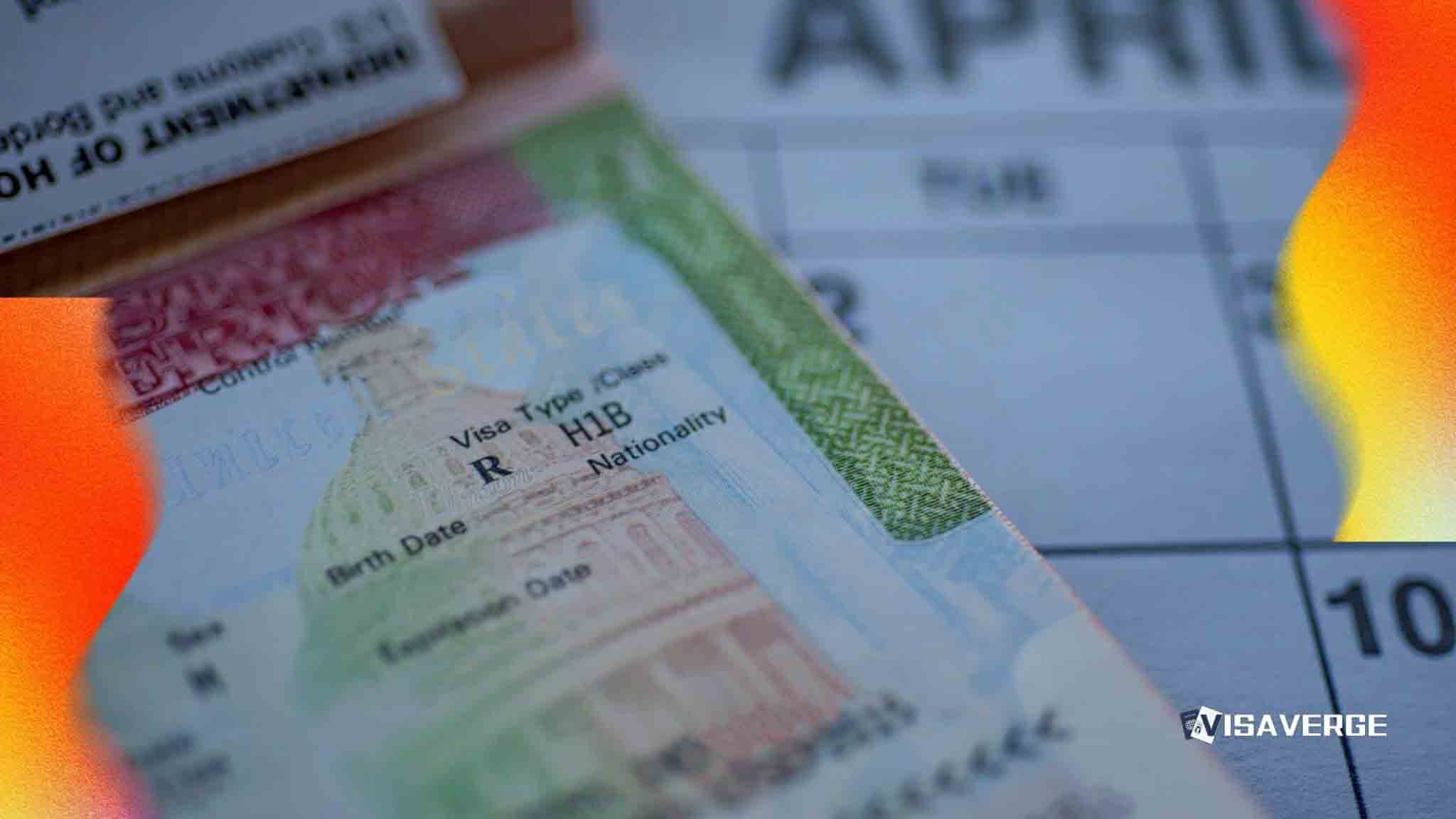
The H-1B visa process is a key pathway for U.S. employers to hire foreign professionals skilled in specialized fields like technology, engineering, and healthcare. Managed annually, this process includes critical deadlines and stages that determine whether foreign applicants secure an opportunity to work in the United States. As March 31 approaches—a crucial date for receiving selection notifications from the U.S. Citizenship and Immigration Services (USCIS)—applicants and employers frequently find themselves keeping a close watch on their USCIS online accounts. But what happens if you don’t receive a notification by this deadline? Let’s take a closer look at the H-1B filing process and what options exist for both employers and applicants who do not hear back by the March 31 cutoff.

How Does the H-1B Process Work?

Missed Your H-1B Notice by March 31? Here’s What to Do Next

The H-1B visa program allows U.S. companies to hire foreign professionals for specialized roles. These are jobs that require advanced knowledge, often in areas like STEM (science, technology, engineering, and math), finance, and healthcare. Given the high demand for this visa, only limited numbers are granted each year: 65,000 under the general category and an additional 20,000 for individuals with advanced degrees from U.S. universities. This limitation means that competition is intense, requiring an organized approach involving registration and selection.

The Timeline for FY 2026 Applications

For the fiscal year 2026, USCIS opened the registration period on March 7, 2025, and closed it on March 24, 2025. During this time, sponsoring U.S. employers or their legal representatives were required to register each applicant online via the USCIS portal, paying a $215 registration fee for every individual entered into the lottery. This fee was a new adjustment introduced by USCIS to address operational costs. Post-registration, USCIS conducted a random lottery to select which applicants would proceed to the second stage—filing an H-1B petition. By March 31, applicants and sponsoring employers were supposed to receive notifications on the status of their applications through their USCIS online accounts.

Recent Updates: Beneficiary-Centric Selection

One of the notable changes in recent years is the shift to a beneficiary-centric selection process. Starting with FY 2025, USCIS implemented this system to ensure fairness. It prohibits multiple registrations for the same individual, even if different employers wish to sponsor that person. The goal is to prevent gaming the system and reduce fraudulent entries, making the entire process more equitable.

The Significance of March 31

March 31 is an important deadline because it serves as a point of clarity for applicants and employers. By this date, USCIS aims to have issued all initial selection notifications. If your registration is chosen, you can proceed to submit a complete H-1B petition beginning on April 1. This petition must include detailed documents showing that the job role, sponsoring company, and the applicant all meet H-1B requirements. Employers have a 90-day window starting April 1 to file these petitions.

For those who don’t receive a selection notification by March 31, the waiting period can bring disappointment but also opportunities to explore alternative plans. Let’s dive deeper into both scenarios: what to do if you’re selected and what steps are available if you’re not.

What To Do If You Don’t Get a Notification by March 31

While March 31 is the target date for receiving selection updates, there are several steps you can take if no notification is received by this date. Patience and proactivity are key at this stage.

1. Wait Until the End of the Day on March 31

It’s essential to remain patient during this period. Notifications often trickle in throughout the final hours of March 31 due to high volumes or technical delays in USCIS systems. Avoid jumping to conclusions and give the process time to run its course. Many individuals only receive their updates late in the day.

2. Check Your USCIS Online Account Regularly

Selection results are posted directly to USCIS online accounts. It’s crucial for employers to verify these accounts frequently for updates, ensuring your login credentials and account settings are correct. If you encounter technical problems with your account, it’s wise to reach out to USCIS immediately to resolve the issue.

3. Consult With an Immigration Attorney

Should March 31 pass without any notification, speaking with an immigration attorney or expert can help. These professionals can explain alternative visa options, discuss potential next steps if another lottery round arises, or provide clarity on less explored paths forward based on your specific situation.

Exploring Alternatives If Not Selected

Missing out on the initial round of the H-1B lottery can be frustrating. However, it doesn’t eliminate all potential opportunities for foreign professionals or their sponsoring employers. Here’s a breakdown of alternatives to consider:

Additional Lottery Rounds

If USCIS finds that petition filings from the initial lottery do not fill all available H-1B slots, they may hold additional selection rounds. For this reason, employers should continue monitoring their USCIS online accounts even after March 31.

Other Visa Categories

Various other visa programs may address your needs if the H-1B lottery does not pan out. Some options include:

  • L-1 Visa: Ideal for employees of international companies transferring to a U.S.-based office.
  • O-1 Visa: Targeted at individuals recognized for extraordinary abilities in their field, whether in sciences, arts, business, or academia.
  • TN Visa: Open to citizens of Canada 🇨🇦 or Mexico 🇲🇽 under the U.S.-Mexico-Canada Agreement (USMCA).

Employment-Specific Routes: Cap-Exempt Employers

Some employers, such as nonprofit organizations, academic institutions, and research-based entities, are exempt from the annual H-1B cap. Employment with these organizations can bypass lottery restrictions, making it an attractive alternative for skilled individuals.

Reapply for Future H-1B Cycles

Employers with an ongoing interest in bringing skilled foreign workers to the U.S. should prepare for the next H-1B cycle. Staying informed of future trends, rule modifications, and key deadlines can improve your success rates in subsequent years.

Changes to Expect in the Future

The H-1B process has undergone several revisions in recent years, many of which impact its structure and overall costs:

  • Fee Increases: The H-1B registration fee now stands at $215 per applicant, while petition fees for larger employers were adjusted to $780. Smaller employers or nonprofits pay a reduced amount of $460.
  • Emphasis on Digital Filing: USCIS now accepts online submissions for several forms, including petition forms like Form I-129 and premium processing requests via Form I-907. Newly launched organizational USCIS online accounts also simplify registration and collaboration for employers.

All these changes reflect USCIS’s goal of staying efficient while guarding against fraud, but they also point toward one common takeaway: the necessity of staying informed and adaptable when navigating the U.S. immigration system.

Final Thoughts

The H-1B filing process continues to be one of the most competitive and highly sought-after visa pathways for foreign talent aspiring to work in the United States. March 31 remains a pivotal deadline for applicants and employers, marking either the start of the petition stage or the opportunity to explore other options. While missing out on the initial lottery can be disheartening, it’s far from the end of the road. There are diverse options for alternative visas, waitlist opportunities, and cap-exempt employment routes.

Moreover, consistent changes to the H-1B program, such as fee adjustments and online filing enhancements, emphasize the importance of preparation and flexibility. Whether you’re an employer navigating next steps or an applicant weighing other visa opportunities, strategies and persistence will remain critical toward fulfilling your goals. For the latest updates on H-1B rules and developments, accessing reliable resources like USCIS’s official website or industry platforms like VisaVerge.com can offer valuable direction as you move forward.

Learn Today

H-1B Visa → A non-immigrant visa allowing U.S. employers to hire foreign professionals in specialized fields requiring advanced skills.
USCIS (U.S. Citizenship and Immigration Services) → Federal agency managing immigration processes, including H-1B visa registration, selection, and petition filings.
Beneficiary-Centric Selection → A lottery system prioritizing fairness by prohibiting multiple registrations for the same individual, reducing fraud.
Cap-Exempt Employers → Organizations like nonprofits, educational institutions, or research entities exempt from annual H-1B visa quota restrictions.
Premium Processing → A paid expedited service by USCIS to quickly process certain visa petitions, offering faster decisions on applications.

This Article in a Nutshell

The H-1B visa process is a gateway for U.S. employers to recruit global talent in specialized fields. With strict caps and crucial deadlines, March 31 is pivotal for selection notifications. Not chosen? Don’t lose hope—alternatives like cap-exempt employers or other visa options might still unlock your pathway to U.S. opportunities.
— By VisaVerge.com

Read more:

• Canada Denies Half of Temporary Resident Applications in 2024
• H-1B Visa Applications to Be Removed Starting March 20
• Hyderabad Faces Drop in H-1B Visa Applications as Costs and Rules Tighten
• More Jobs Added to Green List for Faster Residency Applications
• USCIS Updates Form N-400 Rules, Tightens Application Process

Share This Article
Facebook Pinterest Whatsapp Whatsapp Reddit Email Copy Link Print
What do you think?
Happy0
Sad0
Angry0
Embarrass0
Surprise0
Jim Grey
ByJim Grey
Senior Editor
Follow:
Jim Grey serves as the Senior Editor at VisaVerge.com, where his expertise in editorial strategy and content management shines. With a keen eye for detail and a profound understanding of the immigration and travel sectors, Jim plays a pivotal role in refining and enhancing the website's content. His guidance ensures that each piece is informative, engaging, and aligns with the highest journalistic standards.
Subscribe
Login
Notify of
guest

guest

0 Comments
Inline Feedbacks
View all comments
Millions Face Changing Citizenship Rules Under 2025 Bills
Citizenship

Millions Face Changing Citizenship Rules Under 2025 Bills

DV-2027 Green Card Lottery: A Complete Step-by-Step Application Guide
Documentation

DV-2027 Green Card Lottery: A Complete Step-by-Step Application Guide

2026 USA Federal Holidays List Complete Guide
Guides

2026 USA Federal Holidays List Complete Guide

U.S. Immigration Fee Changes Start Jan 1, 2026: What to Expect
Documentation

U.S. Immigration Fee Changes Start Jan 1, 2026: What to Expect

January 2026 Visa Bulletin Predictions, Analysis and Understanding
USCIS

January 2026 Visa Bulletin Predictions, Analysis and Understanding

Trump Admin Reveals Fresh DV-2027 Lottery Dates and Fees
Green Card

Trump Admin Reveals Fresh DV-2027 Lottery Dates and Fees

Guide to Reaching Air Canada Customer Service with Ease
Airlines

Guide to Reaching Air Canada Customer Service with Ease

Current Rules for U.S. Birthright Citizenship in 2025 Explained
Citizenship

Current Rules for U.S. Birthright Citizenship in 2025 Explained

You Might Also Like

Trump Administration plans to close U.S. embassies worldwide
News

Trump Administration plans to close U.S. embassies worldwide

By Jim Grey
Robert Law Brings Tough Stance on Immigration to USCIS Role
Immigration

Robert Law Brings Tough Stance on Immigration to USCIS Role

By Visa Verge
Understanding the February 2025 Visa Bulletin: A Guide to U.S. Immigration Policies
USCIS

Understanding the February 2025 Visa Bulletin: A Guide to U.S. Immigration Policies

By Visa Verge
Federal Judge Blocks ICE Use of Medicaid Data for Deportation Enforcement
Healthcare

Federal Judge Blocks ICE Use of Medicaid Data for Deportation Enforcement

By Robert Pyne
Show More
Official VisaVerge Logo Official VisaVerge Logo
Facebook Twitter Youtube Rss Instagram Android

About US


At VisaVerge, we understand that the journey of immigration and travel is more than just a process; it’s a deeply personal experience that shapes futures and fulfills dreams. Our mission is to demystify the intricacies of immigration laws, visa procedures, and travel information, making them accessible and understandable for everyone.

Trending
  • Canada
  • F1Visa
  • Guides
  • Legal
  • NRI
  • Questions
  • Situations
  • USCIS
Useful Links
  • History
  • USA 2026 Federal Holidays
  • UK Bank Holidays 2026
  • LinkInBio
  • My Saves
  • Resources Hub
  • Contact USCIS
web-app-manifest-512x512 web-app-manifest-512x512

2025 © VisaVerge. All Rights Reserved.

  • About US
  • Community Guidelines
  • Contact US
  • Cookie Policy
  • Disclaimer
  • Ethics Statement
  • Privacy Policy
  • Terms and Conditions
wpDiscuz
Welcome Back!

Sign in to your account

Username or Email Address
Password

Lost your password?