(UNITED STATES) Losing an H‑1B job can feel frightening, but U.S. rules give you a 60‑day discretionary grace period to stay in the country and plan your next step. This period is short and not automatic in every case, but if used wisely, it can protect your future immigration options.
How the 60‑Day Grace Period Actually Works
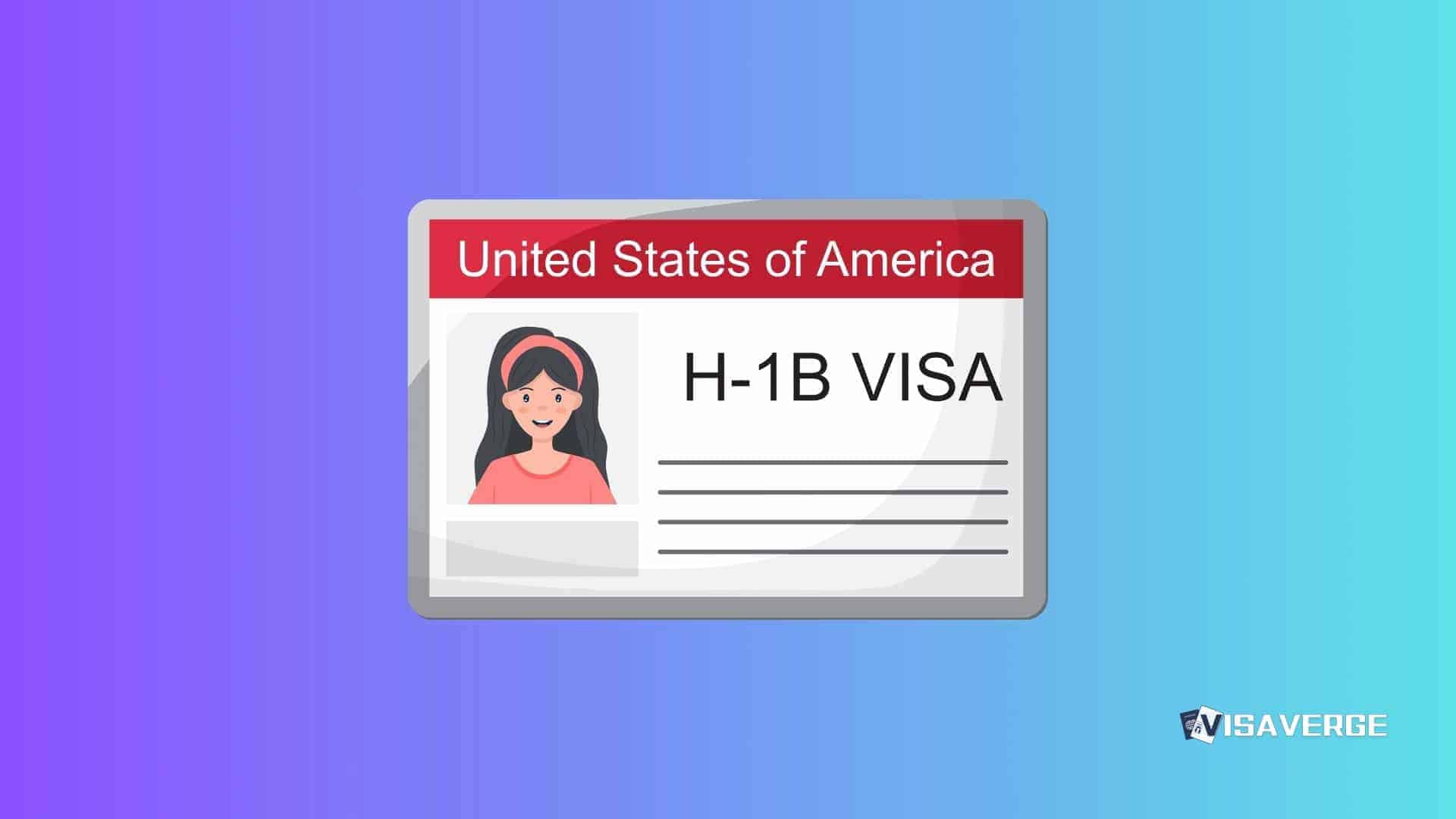
The grace period starts the day after your last day of employment with your H‑1B employer. From that point, you may stay in the United States for up to 60 days, or until your current H‑1B approval ends, whichever comes first. During this time, you’re allowed to remain in the country even though you’re no longer working for the original employer.
However, employment authorization ends immediately upon job termination. That means the moment your job ends, you must stop working. The grace period only protects your right to stay in the United States for a short time; it does not give you the right to keep working.
U.S. Citizenship and Immigration Services (USCIS) and the Department of Homeland Security (DHS) treat this as a discretionary benefit. They can shorten or even refuse the grace period in some situations. Recent reports of H‑1B workers receiving Notices to Appear (NTAs) for removal proceedings during the grace period show that DHS is sometimes using this discretion more strictly.
Because of this, reacting quickly and in an organized way is extremely important.
Immediate Actions: Day 0–3
In the first few days after you lose your H‑1B job, focus on three priorities:
- Confirm your last day of employment in writing
Ask HR or your manager to confirm the final employment date in an email or letter. Your 60‑day discretionary grace period is counted from this date. - Collect key documents
Keep copies of:- Your latest H‑1B approval notice
- Recent pay stubs
- Your employment offer letter and termination letter
These documents will help a new employer’s lawyer prepare an H‑1B transfer petition or help an attorney assess other options.
- Talk to an immigration attorney quickly
Because DHS can shorten the grace period or issue an NTA, early legal advice matters. An attorney can help you choose between:- a new H‑1B job,
- a change of status,
- green card filing, or
- departure.
According to analysis by VisaVerge.com, H‑1B workers who act early in the grace period have a much better chance of avoiding unlawful presence and keeping future options open.
Days 1–30: Main Options and What Each Step Involves
During roughly the first month, you should actively work on one or more of these four main paths:
1) New Job and H‑1B Transfer Petition
If you find a new employer willing to hire you in H‑1B status, that employer must file an H‑1B transfer petition (a new H‑1B petition for you) with USCIS within the 60 days.
Key points:
– You cannot start work for the new employer until you have proper work authorization.
The employer and their lawyer prepare and file the petition; your role is to provide documents quickly and stay in close contact.
– Filing on Day 60 is risky.
If the transfer petition is filed exactly on the 60th day, USCIS might approve the petition but deny the extension of stay. In that event, you may have to leave the United States and re‑enter with a new visa stamp before you can start work.
– Processing times vary.
Premium processing is available for many employment petitions, but the critical issue is the petition being properly filed within the 60 days.
2) Change to Another Nonimmigrant Status
If a new H‑1B job is not realistic within 60 days, you may try to change your status to another visa category, such as:
– B‑2 visitor (to wrap up affairs, job search from abroad later, or take a short break)
– H‑4 dependent if your spouse holds H‑1B status
The source material makes clear that any change of status request must be filed before the grace period ends. You can review the government’s general rules on changing status on the official USCIS “Change of Status” page.
When you file a change of status request:
– Explain clearly why you need the new status.
– Show that you meet the requirements of that status.
– Remain in the U.S. while the application is pending if you want the change to take effect without travel.
3) Filing for Adjustment of Status (Green Card)
Some H‑1B workers are already eligible to apply for a green card through adjustment of status. If eligible, you may file for adjustment during the 60‑day discretionary grace period.
Important timing rule:
– The adjustment of status filing must reach USCIS before the grace period ends.
– The application package should show you were still in a period of authorized stay when you filed.
When you file a complete adjustment package, you may also request work and travel authorization as allowed under the adjustment process, but the deadline within the 60 days is the key requirement.
4) Planning a Timely Departure
If you cannot secure a new petition, change of status, or green card filing within 60 days, you must leave the United States before the grace period expires.
If you do nothing within those 60 days:
– You will be considered out of status.
– You risk accruing unlawful presence.
– Unlawful presence can lead to serious future immigration problems, including bars on re‑entry for extended periods.
Many people underestimate how quickly 60 days pass. Building a departure plan early, even as a backup, can prevent last‑minute problems like overstaying.
Days 30–60: Tight Deadlines and Increased Risk
The second month of the grace period is when timing becomes critical.
- Check filing dates carefully.
If your employer or lawyer plans to submit an H‑1B transfer or change of status close to the deadline, ask them to confirm the USCIS receipt date will fall within the 60 days. - Understand the “Day 60” danger.
A petition filed on the 60th day might be approved but result in a denied extension of stay, forcing you to leave and re‑enter to begin work. This can be expensive and disruptive, especially if consular visa appointments are limited. - Watch for government notices.
DHS can shorten the discretionary grace period by issuing an NTA placing you in removal proceedings. If you receive an NTA during the grace period, consult experienced immigration counsel immediately to assess next steps and how this affects your options.
What Happens if You Do Nothing
If you reach the end of the 60 days without:
– a properly filed H‑1B transfer petition,
– a pending, timely change of status application,
– a filed adjustment of status application, or
– a timely departure,
you will be out of status. From that point you risk unlawful presence, which can:
– damage your ability to obtain future visas,
– create long bars on returning to the United States, and
– complicate any future immigration filings.
There is no official extension beyond 60 days (no 90‑, 120‑, or 180‑day grace period). The rule remains a maximum 60‑day discretionary grace period.
Practical Planning Tips During the Grace Period
While every situation is different, these practical steps tend to help H‑1B workers:
- Track your deadline on a calendar.
Count exactly 60 days from your last day of employment and mark that date clearly. - Work on multiple paths at once.
Search for a new H‑1B job while also preparing a possible change of status or departure plan. - Keep proof of your actions.
Save emails, job applications, and filing receipts. These records help your attorney understand your history if issues arise. - Use official sources for rules.
For broader background on H‑1B and other nonimmigrant categories, see the main USCIS website at uscis.gov for government guidance and updates.
The 60‑day period is stressful, but it is also a short, protected window specifically designed to let you regroup, explore options, and, when possible, remain in lawful status in the United States. Acting quickly, staying realistic about timelines, and getting professional legal help can make a major difference in your outcome.
After H‑1B job loss, U.S. law provides a discretionary 60‑day grace period starting the day after your last employment day. Employment authorization ends immediately at termination, so working must stop. During 60 days you can seek a new H‑1B transfer filed by a new employer, request a change of status, file for adjustment of status if eligible, or depart. Filing exactly on day 60 is risky; DHS may shorten the period or issue an NTA. Act quickly, collect documents, and consult an immigration attorney.