- Conflict in Dubai and DHS funding lapses create significant reentry risks for nonimmigrant visa holders.
- USCIS may offer discretionary relief for delays caused by unforeseen circumstances or regional hostilities.
- The suspension of Global Entry increases primary inspection wait times at all United States airports.
(DUBAI) — A conflict-driven disruption in Dubai, combined with a DHS funding lapse, creates real risks for H-1B and other nonimmigrant travelers trying to return to the United States, including potential delays at preclearance, visa stamp validity concerns, and possible extensions or discretionary relief from USCIS.
Section 1: Overview — Dubai disruption and what it means for US Visa Status
Missed return flights from Dubai are usually a travel problem first. Immigration risk starts when delays collide with fixed legal dates and documents.
Two different concepts control your situation:
- “Status” inside the United States is your lawful presence based on your I-94 record and compliance with your category (H-1B employment terms, F-1 school rules, and so on).
- “Admission” after international travel is permission to enter at the port of entry. A valid petition or approval notice may help, but it does not guarantee entry.
For H-1B holders, F-1 students, and other nonimmigrant status holders transiting through Dubai or the wider United Arab Emirates, the core question is simple: Will a missed flight cancel your status? Generally, no—not by itself. A missed flight becomes an immigration issue when it leads to any of these:
- Your visa stamp expires while you are abroad, so you cannot board to return.
- Your employment or enrollment changes, so your documentation no longer matches your classification.
- You face inadmissibility or entry restrictions that apply at inspection.
- You miss a reporting or start date tied to school or work.
March 1, 2026 is an unusually hard moment to travel because multiple pressures hit at once: regional hostilities, flight disruptions, and shutdown-related slowdowns tied to DHS.
Section 2: Official statements and policy flexibilities (2024–2026)
USCIS can be flexible in emergencies, but the agency does not “auto-extend” anyone’s stay. Discretion means officers may excuse a late filing or accept an explanation, if you prove the delay was beyond your control.
A key reference point is USCIS Emergency Flexibilities (Policy Manual Update: Dec 19, 2024). USCIS has said it may apply flexibilities for “emergencies or unforeseen circumstances,” including conflicts abroad. that can support:
- Late-filed applications to extend or change status when an emergency blocked timely filing.
- Requests to excuse a delay when you can document why you could not act earlier.
DHS’s funding lapse also changes the travel experience. A partial shutdown that began on February 14, 2026 affects what is staffed normally, what is paused as “non-essential,” and how long travelers wait.
Public warnings matter too. The Department of State (DOS) issued a DOS Worldwide Caution (Feb 28, 2026) after hostilities intensified and cited “significant disruptions to commercial flights.” That kind of public caution can help you document that the disruption was real and widespread.
None of that guarantees admission. CBP controls admission at the airport or preclearance site, even when you have a visa stamp.
Table 2: Official guidance and flexibilities timeline
| Date/Source | Key Point | Reader Impact |
|---|---|---|
| Dec 19, 2024 / USCIS Policy Manual Update | USCIS emergency flexibilities can apply in emergencies or unforeseen circumstances, including conflicts abroad | Supports requests to excuse certain late filings when you prove the delay was beyond your control |
| January 1, 2026 / Presidential Proclamation 10998 | Entry restrictions tied to certain nationals of 39 countries | A visa stamp may remain valid, yet admission can still be restricted at entry depending on facts |
| February 14, 2026 / DHS funding lapse begins | Partial DHS shutdown conditions | Expect slower processing and fewer “extras” that reduce lines |
| February 22, 2026 / Global Entry suspension | Global Entry processing suspended at all U.S. airports | Travelers who relied on kiosks should expect longer primary inspection lines |
| February 28, 2026 / DOS Worldwide Caution | Warns of hostilities and “significant disruptions to commercial flights” | Useful documentation for disruption-related explanations, but it does not extend status |
| March 2–4, 2026 / UAE consular operations | Routine appointments postponed in the UAE window | Visa stamping may become the bottleneck for returning travelers |
Section 3: Key facts and policy details (2026)
Air travel out of the Gulf can change hour to hour during conflict. Sudden airspace closures and reroutes trigger missed connections, involuntary rebookings, and overnight layovers that stretch for days.
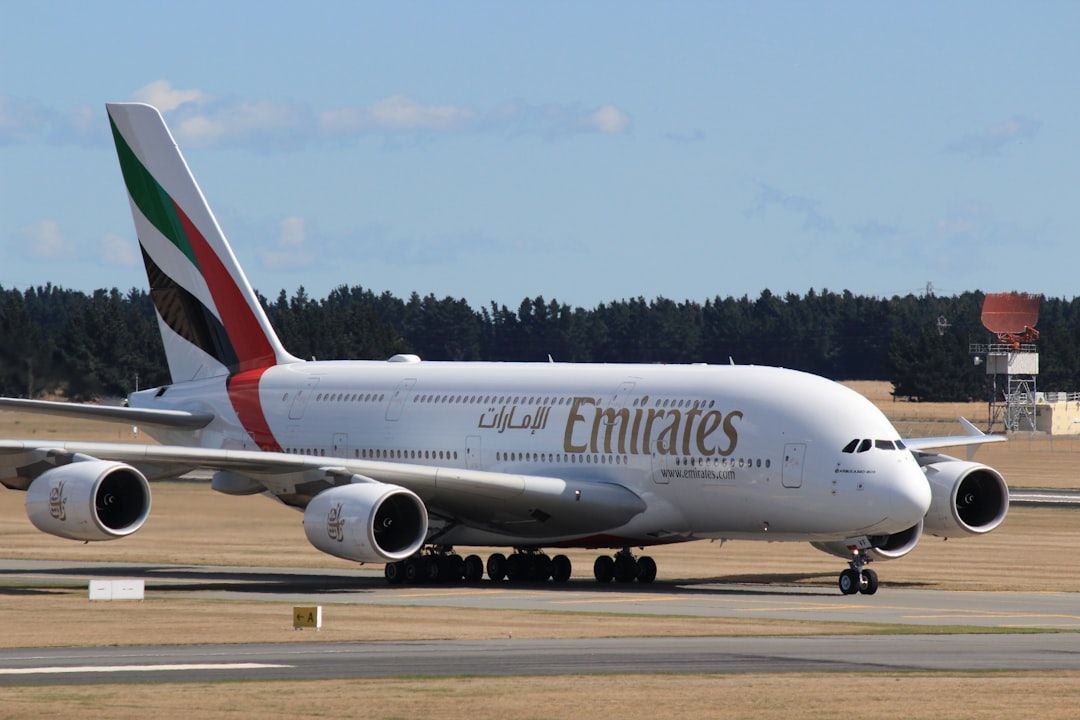
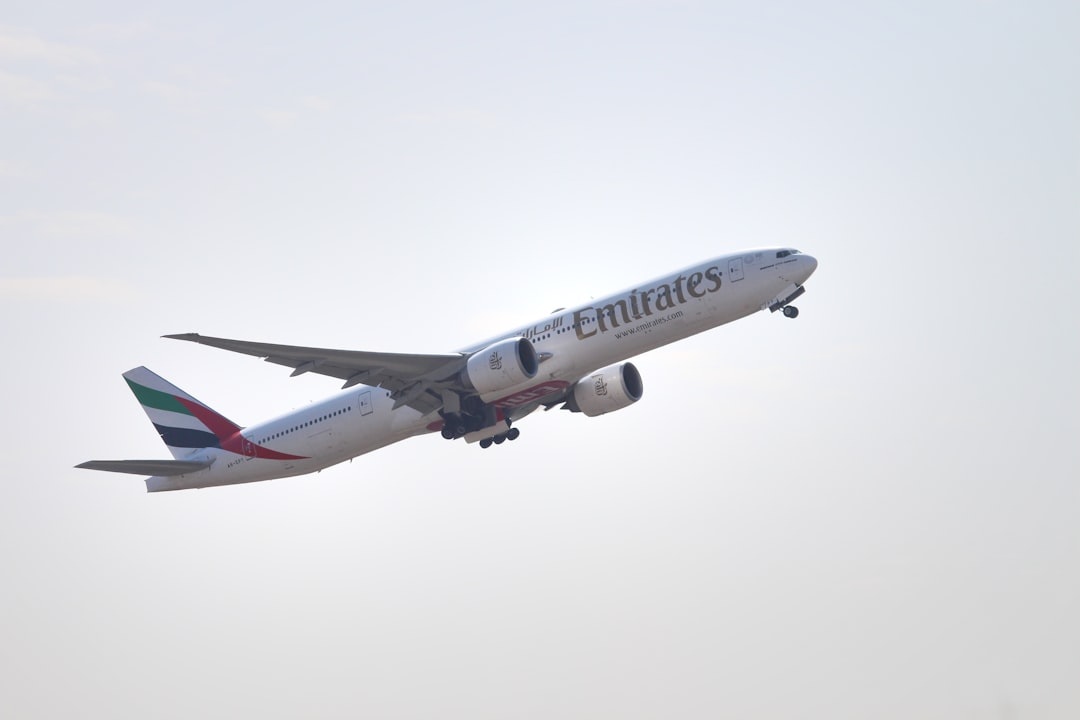
Airlines like Emirates and Qatar Airways may cancel or divert flights with limited notice. Rebooking can also force new transit points, which raises document checks at boarding.
Shutdown conditions in the United States add friction on arrival. With Global Entry processing suspended at all U.S. airports as of February 22, 2026, even fully documented travelers should plan for standard inspection queues. Reports have pointed to 15–45 minute delays in primary inspection when staffing and systems are under stress. Some people will miss domestic connections. It happens fast.
Entry rules also tightened earlier in the year. Presidential Proclamation 10998, effective January 1, 2026, restricts entry for certain nationals of 39 countries. A key distinction matters here:
- A valid visa stamp can exist.
- Admissibility can still be questioned or restricted at inspection, based on the proclamation and your personal facts.
Abu Dhabi adds another layer. In late January 2026, travelers reported Abu Dhabi preclearance issues where H-1B holders were denied boarding when their visa stamp listed a prior employer, even though they carried a valid new I-797. Preclearance can act like a U.S. entry point before you ever board the flight. Employer alignment can become the deciding factor.
Table 1: Operational realities and policy touchpoints affecting return to the U.S.
| Item | Details | Impact on Re-entry/Status |
|---|---|---|
| Regional airspace disruption | Closures, diversions, and rolling cancellations | Missed flights usually do not end U.S. status by themselves, but they can trigger visa expiration abroad or missed school/work deadlines |
| Airline rebooking and rerouting | Emirates and Qatar Airways may reroute through the UK or Europe | New transit points can create new document requirements and boarding checks |
| DHS shutdown effects | Non-essential functions may pause; staffing strain continues | Expect longer inspection lines and higher odds of missed connections |
| Global Entry suspension | Effective February 22, 2026; Global Entry processing suspended at all U.S. airports | Adds wait time even for low-risk travelers; plan buffers |
| Presidential Proclamation 10998 | Effective January 1, 2026, applies to 39 countries | Visa validity is not the same as entry permission at inspection |
| Abu Dhabi preclearance | Scrutiny of employer match for H-1B stamps vs current petition | Outdated stamps or job changes can lead to denial of boarding or a need for new stamping |
Section 4: Impact on individuals inside the U.S. vs. stuck abroad
Inside the United States, your main clock is the I-94 expiration date, not your passport visa stamp. Many people confuse these.
H-1B status is usually extended through an employer filing Form I-129. Dependents often use Form I-539. Filing on time matters. When emergencies block a timely filing, USCIS can sometimes excuse a late filing under its emergency flexibilities framework, if you show strong evidence.
Outside the United States, the rule flips. A valid I-797 approval notice helps show you qualify for H-1B, yet it does not function as a travel document. Airlines and inspection officers typically want:
- An unexpired H-1B visa stamp (unless an exception applies)
- The I-797 approval notice
- A recent employment verification letter, plus pay evidence when available
F-1 students face different pressure points. SEVIS records and school reporting rules can be unforgiving if you miss an initial arrival window. Contact your Designated School Official (DSO) quickly if you cannot arrive by the program start or required reporting date. Options often include an authorized late arrival, a deferred start, or an updated Form I-20, depending on timing and school policy.
Abu Dhabi preclearance can make these issues show up sooner. If the visa stamp reflects a prior H-1B employer, expect questions. Some travelers have been required to obtain a new visa stamp that matches current employment.
Section 5: Travel documents and transit considerations
Rerouting through the UK or Europe sounds simple, but boarding often depends on transit permissions that vary by nationality and airport layout.
UK authorities have moved toward digital travel permissions for some travelers, including ETA-style approvals in certain cases. Even a short connection can trigger checks, especially if you must re-check bags or leave the sterile transit area.
Airlines enforce these rules at the counter. If your documents do not match the routing, the carrier may refuse boarding even before you reach immigration.
Verify requirements in two places every time: 1) the transit country’s official rules, and 2) the airline’s own transit document guidance.
Section 6: Recommended actions for affected visa holders
Evidence is your safety net. Collect and save:
- Cancellation notices, delay emails, and rebooking screens
- Screenshots showing flights unavailable or airports constrained
- DOS or local security advisories tied to the disruption
- Any proof of postponed visa appointments, including date-stamped pages
Good documentation supports three practical needs: explaining a late filing request to USCIS, showing your employer or school you acted promptly, and proving to an officer that the delay was beyond your control.
Consular operations can be the choke point. If you need a new visa stamp, monitor appointment availability closely, especially with routine appointments postponed March 2–4, 2026. Plan for longer waits than usual. Stamping can take longer than the flight home.
Port-of-entry planning should be conservative during shutdown conditions. With Global Entry unavailable, build time for primary inspection and secondary screening. Keep spare funds and flexible tickets where possible. Missed domestic connections are a real risk when lines run long.
Complex cases deserve legal review. Speak to an immigration attorney if any of these apply: a recent employer change, a status expiration that is close, prior overstays or violations, or questions tied to Presidential Proclamation 10998.
📅 When to seek discretionary relief or file extensions under USCIS flexibilities: File before your I-94 expires whenever possible. If you are already late, prepare a tight timeline with proof of disruption and file as soon as you can. Keep watching consular backlogs, because stamping delays can stretch beyond your planned leave.
✅ Immediate steps for H-1B/F-1 holders stuck in Dubai: Document the disruption, contact your employer or school the same day, verify whether Abu Dhabi preclearance authorities are applying extra employer-stamp scrutiny, and monitor embassy alerts. Recheck boarding document requirements each time your routing changes.
Section 7: Official sources and where to verify information
USCIS should be your first stop for flexibilities and late-filing standards. Start at uscis.gov, especially the humanitarian and special situations pages, plus the newsroom for operational updates.
Department of State updates belong in your daily check during fast-changing events. Use travel.state.gov for worldwide cautions and security messaging, then check the U.S. mission pages for Dubai and Abu Dhabi for appointment operations and local alerts.
CBP information is useful for entry-day planning, especially if you expect longer inspections or need clarity on inspection procedures during shutdown conditions. Use official CBP traveler updates via dhs.gov pathways.
For March 1, 2026, the bottom line is practical: protect your I-94 deadlines if you are in the United States, and protect your visa stamp and employer-matching documents if you are abroad—then plan extra time for inspection delays and preclearance scrutiny before you attempt to fly home.