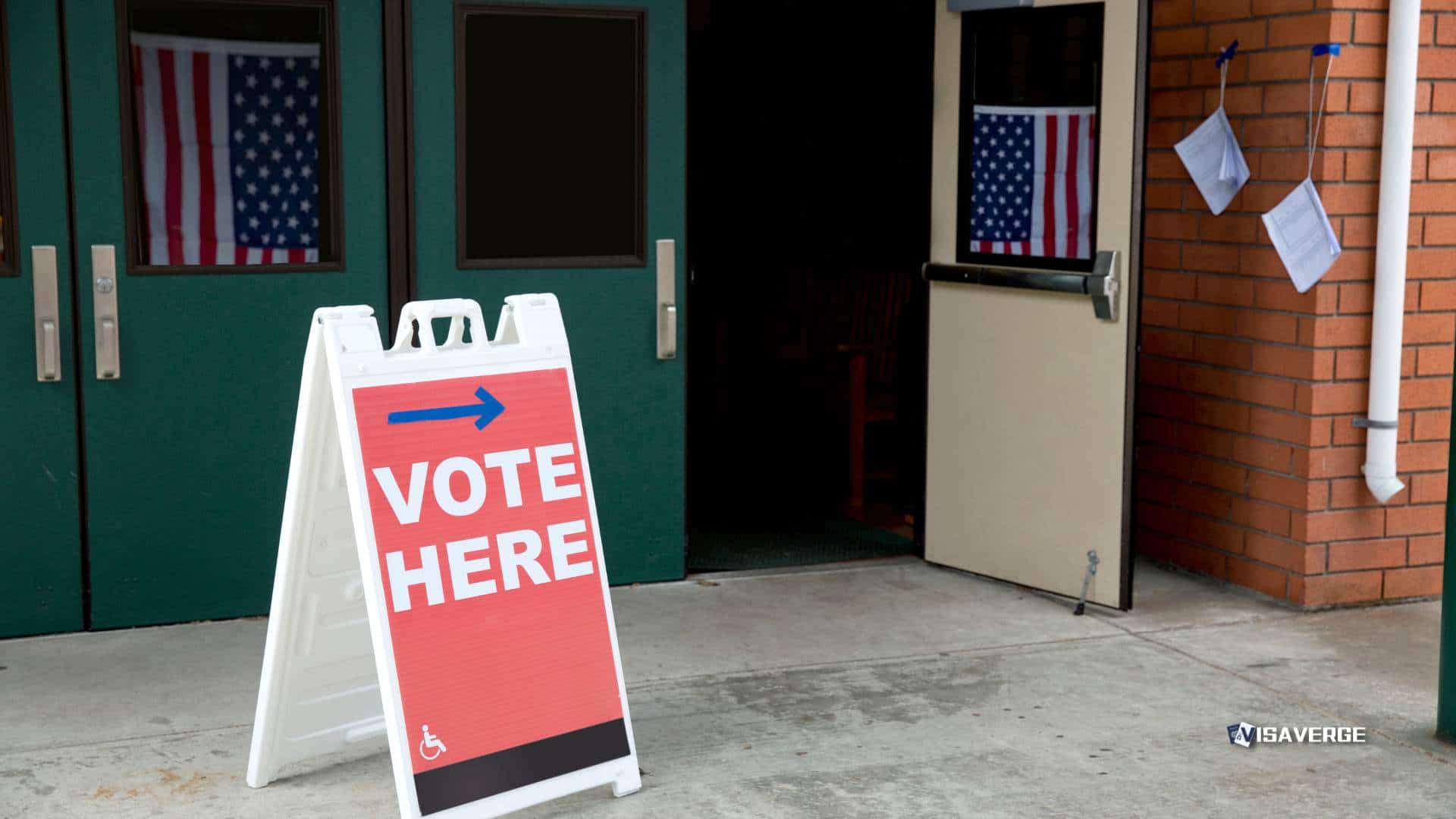
(UNITED STATES) Employers planning for H-1B Registration 2025 cannot wait until March to act. The registration window for the FY 2026 H-1B cap is expected to open at 12:00 p.m. Eastern on March 7, 2025 and close at 12:00 p.m. Eastern on March 24, 2025. During this short period, employers or their representatives must submit electronic registrations for each worker they want to sponsor and pay a US$ 215 fee per beneficiary.
Because demand usually far exceeds the annual cap, most cases will be decided by lottery under the current beneficiary‑centric system, not by filing speed. That makes clean, accurate registrations more important than ever.

Project planning: start in December and January
According to analysis by VisaVerge.com, employers who do best treat H-1B season as a full project, not a one‑day task. December and January are the months to build that project:
- Set up or fix your USCIS online account.
- Collect employer and job data.
- Gather candidate documents.
- Plan your budget and internal approvals.
This early work means that when the USCIS system opens the H-1B Registration 2025 portal in March, your team can move quickly and calmly instead of trying to solve basic problems at the last minute.
Setting up or fixing your USCIS organizational account
Every employer that wants to submit H-1B registrations must use a USCIS online organizational account. Without it, you cannot enter the lottery.
If your company has never used the online system, create an organizational account now and make sure you can log in smoothly. If you previously had a regular registrant account, USCIS may have converted it to an organizational account; log in during December to confirm this and update contact details.
Decide roles and access now:
- At minimum, designate at least one authorized signatory who can legally attest to registrations.
- Larger employers often give access to HR, in‑house counsel, and external immigration counsel.
- Clarify who will prepare drafts, review, and submit during the registration window to avoid last‑minute confusion and missed candidates.
Core employer and job details you must have ready
For each person you plan to register, you will repeat the same employer and job information. Preparing this early saves huge amounts of time in March. At minimum, confirm:
- Full legal name of the company and any “doing business as” name
- Employer Identification Number (EIN)
- Primary U.S. business address and main contact details
- Name, title, email, and phone number of the authorized signatory
- Detailed job title and description, including main duties and required skills
- Worksite location(s), including remote or hybrid arrangements
- Wage details, including offered salary and how it compares to the prevailing wage
You also need internal support to show that the job is a specialty occupation. This usually means it requires at least a bachelor’s degree in a specific field closely related to the job. Clear job descriptions and internal memos can help later when you prepare the full petition and respond to any questions from USCIS.
Collecting information from each H-1B candidate
The H-1B Registration 2025 process is beneficiary‑centric, meaning the lottery selection is based on each individual worker, not each registration. This makes it even more important that each person’s details are exact.
For every planned beneficiary, gather:
💡 Set up your USCIS organizational account now, designate an authorized signatory, and assign drafting, review, and submission roles to prevent last‑minute chaos during the March window.
- Full legal name (exactly as on the passport)
- Gender, date of birth, country of birth, and country of citizenship
- Passport or travel document number and expiration date
- Information on any U.S. master’s or higher degree, which may qualify them for the advanced‑degree exemption
- Copies of educational credentials, transcripts, and professional licenses if needed
- Signed job offer letter or contract, showing job title, duties, salary, hours, and location
Additional candidate reminders:
- International students on F‑1, OPT, or STEM OPT should confirm their I‑20s and passports are valid well beyond March 2025.
- NRIs and professionals abroad should ensure passports and degree certificates are current and available digitally so employers can use them during registration.
Labor Condition Application planning and wage compliance
Although you do not file a Labor Condition Application (LCA) during the registration window, smart employers prepare LCA details in December and January. For each planned H‑1B role, you should:
- Research and choose the prevailing wage level for the job and worksite.
- Check that the offered wage meets or exceeds that prevailing wage.
- Prepare draft LCA postings for the worksite, ready to post for at least 10 business days.
- Set up or update your public access file (PAF) so it can hold required LCA documents.
Later, if a beneficiary is selected in the lottery, you’ll file the official ETA‑9035 Labor Condition Application with the U.S. Department of Labor. Early wage planning lowers the risk of a later denial or audit based on wage level, location mistakes, or weak job descriptions.
Budgeting for H-1B fees and internal workload
Each electronic registration will cost US$ 215, paid to USCIS. But that is only the start.
If a beneficiary is selected, the employer must prepare and file a full H‑1B petition using Form I‑129, Petition for a Nonimmigrant Worker, plus related supplements and supporting evidence. Petition filing entails extra government fees (which vary by employer size/type), courier costs, and legal fees.
Recommendations:
- Employers sponsoring many workers should set a clear H‑1B budget line for the 2025–2026 cycle.
- Plan staff time: collecting documents, running wage checks, coordinating with candidates, and meeting strict filing windows can overwhelm small HR teams if everything happens at once.
Internal coordination between HR, legal, and hiring managers
H-1B sponsorship is both a legal process and a hiring decision. Many employers hold kickoff meetings in December that bring together HR, in‑house counsel, outside immigration lawyers, and hiring managers. These meetings should cover:
- Which roles the company will sponsor for H‑1B.
- Which current F‑1, OPT, STEM OPT, or J‑1 workers need sponsorship this year.
- What offer letters should say about start dates, salary, and location to fit H‑1B rules.
- Who will update candidates about lottery odds and timelines.
For universities and research institutions, confirm that hiring committees understand that H‑1B start dates for cap‑subject cases usually align with the U.S. fiscal year start (often October 1), which can affect course planning and grant timelines.
How this affects students, NRIs, and digital‑nomad workers
If you are an international student, recent graduate, NRI abroad, or a digital‑nomad moving into a formal U.S. job, December is the time to act:
- Talk with your employer about whether they will join H-1B Registration 2025.
- Share updated passports, resumes, and degree proofs so they can prepare.
- Ask about job title, wage, and worksite, because registration and later petitions must match.
- Understand that lottery selection is not guaranteed, even if the employer does everything correctly.
Freelancers and remote contractors hoping to shift to an employer‑sponsored H‑1B role should push for clear, written job offers as early as possible. Employers often need formal internal approvals before they can list you on their H‑1B candidate spreadsheet, so last‑minute verbal promises may not be enough.
Key dates and what happens after the lottery
During the March 7–24, 2025 registration window, employers and attorneys will enter beneficiary data, pay fees, and submit registrations. After the window closes, USCIS will run the lottery if total registrations exceed the annual cap — which has been the pattern for years.
Under the beneficiary‑centric system:
- Each person can have more than one potential employer.
- Duplicate registrations from the same employer for the same worker are not allowed.
⚠️ Do not submit duplicate registrations for the same worker. The beneficiary‑centric lottery treats each person once per employer, and duplicates waste the $215 fee and may jeopardize eligibility.
If a beneficiary is selected, USCIS will issue an online selection notice naming the company, the beneficiary, and the filing period for the full petition. During that filing period, the employer must submit the complete H‑1B package, including:
- Certified LCA (ETA‑9035)
- Signed Form I‑129
- Supporting evidence for the specialty occupation
- Proof of the worker’s qualifications
Official guidance is available on the USCIS H‑1B Cap Season page — employers should review it before finalizing filings.
Important: The lottery is random. Careful preparation cannot guarantee selection, but it does reduce the risk of avoidable rejections, rushed filings, and lost opportunities.
Final preparation steps for February and early March 2025
By February, well‑prepared employers will have:
- A live spreadsheet or database listing every intended H‑1B candidate, job details, wage checks, and scanned documents.
- Tested organizational account logins and agreed approval flows.
- Confirmed payment methods for USCIS fees.
- External counsel templates ready for job descriptions, LCAs, and petition support letters.
In the final weeks before the portal opens, employers should:
- Review each candidate’s data line by line to catch spelling errors, date mistakes, or mismatched passport numbers.
- Confirm internal approvals and who will submit entries during the March window.
- Send clear messages to candidates about lottery odds, next steps if selected, and backup plans if not.
Careful, early work does not control the lottery, but it does protect both employers and workers from avoidable rejections, rushed filings, and lost opportunities during H-1B Registration 2025.
H-1B Registration 2025 requires employers to submit electronic registrations between March 7–24, 2025, paying US$215 per beneficiary. Demand typically exceeds the cap, so USCIS will use a beneficiary-centric lottery to select workers. Employers should begin project planning in December: set up or verify organizational USCIS accounts, gather candidate documents, research prevailing wages, and prepare LCA details. If selected, employers must file a complete I-129 petition with a certified LCA. Early coordination among HR, legal, and hiring managers reduces errors and filing delays.