Understanding DACA and Its Impact on H-1B Visa Holders’ Children
What is DACA?
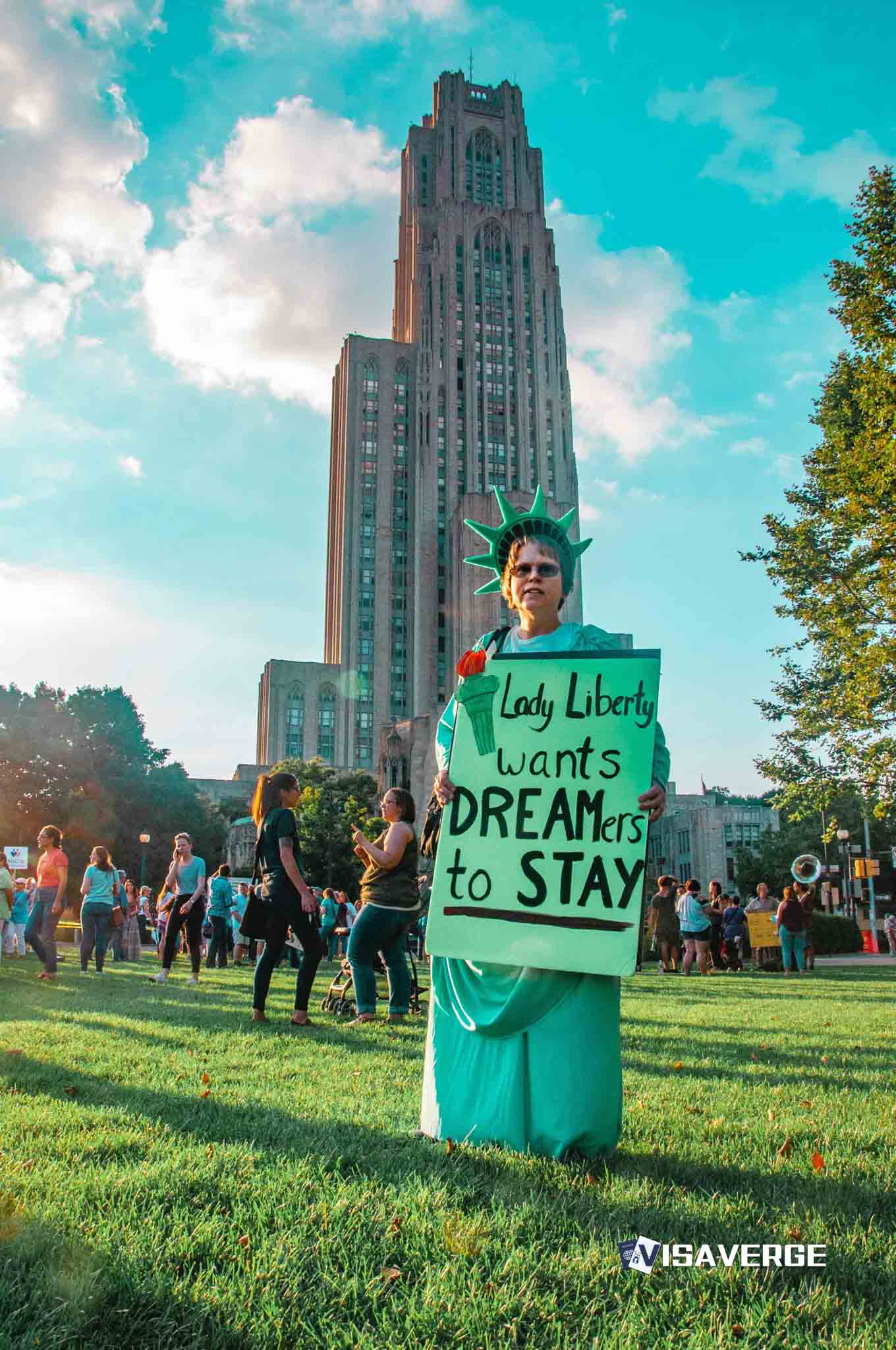
The Deferred Action for Childhood Arrivals (DACA) is a key program implemented by the Obama administration to safeguard young individuals who were brought to the United States unlawfully as children. Introduced by former Homeland Security Secretary Janet Napolitano on June 15, 2012, DACA was designed with compassion, acknowledging that these individuals grew up in the U.S. and consider it their home.
Free toolH-1B Cost Calculator OnlineDACA’s Protections and Current Legal Challenges
Under DACA, eligible youth received temporary relief from deportation, coupled with the right to work legally in the country. However, a significant legal hurdle arose when Judge Andrew Hanen of the U.S. District Court for the Southern District of Texas ruled that the program’s creation was illegal. This decision meant no new applications could be processed, although those currently under DACA’s protection would not be immediately impacted.
“The Biden Administration is, by their accounts, disappointed in this ruling,” reflects the consequences of the legal situation on those protected by DACA. Even though there is sympathy for the children’s plight, the court decision upholds the stance that the program did not follow the proper procedures when it was formed.
The Ongoing Battle for DACA
The Biden Administration has not taken the ruling lightly and is looking to safeguard DACA through a codifying rule. However, the latest judicial verdict maintains the stance of the 2021 decision. As this contentious issue unfolds, it may eventually escalate to the U.S. Supreme Court.
What This Means for H-1B Visa Holders and Their Children
As a parent on an H-1B visa, it’s crucial to understand how these legal developments may touch your family. Once children under H-1B visas age out or if they are not covered by another legal immigration status, their situation becomes precarious. Without the protections of DACA or an alternative path to lawful status, they may face difficult choices regarding their future in the U.S.
In the absence of DACA’s shield, individuals may need to consider alternative immigration paths. Returning to their country of origin to apply for re-entry into the U.S. legally is one of the options, albeit a challenging one.
Seeking Legal Alternatives and Resources
As the DACA situation continues to develop, you may search for comprehensive guidance from reliable sources. For current news and official information on U.S. immigration policies, you can visit the U.S. Citizenship and Immigration Services (USCIS) website at uscis.gov.
Should you need to explore legal options for your children, it’s advisable to consult with an immigration attorney who can provide personalized advice based on the latest laws and regulations.
Navigating the complexities of U.S. immigration law can be daunting, and the situation with DACA adds another layer of uncertainty for many families. Staying informed and prepared is key, ensuring that you and your loved ones can adapt to the changing landscape of immigration policies.
So there you have it, folks! The DACA rollercoaster keeps chugging along, leaving H-1B visa holders and their children on edge. It’s like trying to navigate a maze with a blindfold on! But fear not, my tech-savvy friends, for more insights and helpful resources on immigration, head on over to visaverge.com. They’ve got you covered, no matter how twisty and turny the immigration journey gets!
Pocket Piece:
DACA is a program protecting young individuals brought unlawfully to the US as children and allowing them to work legally and avoid deportation. However, a recent court ruling threatens the program’s future. For H-1B visa holders and their children, understanding the impacts and seeking legal alternatives is crucial. Visit uscis.gov for reliable information and consult an immigration attorney if needed.