Understanding J-1 and H-1B Visas
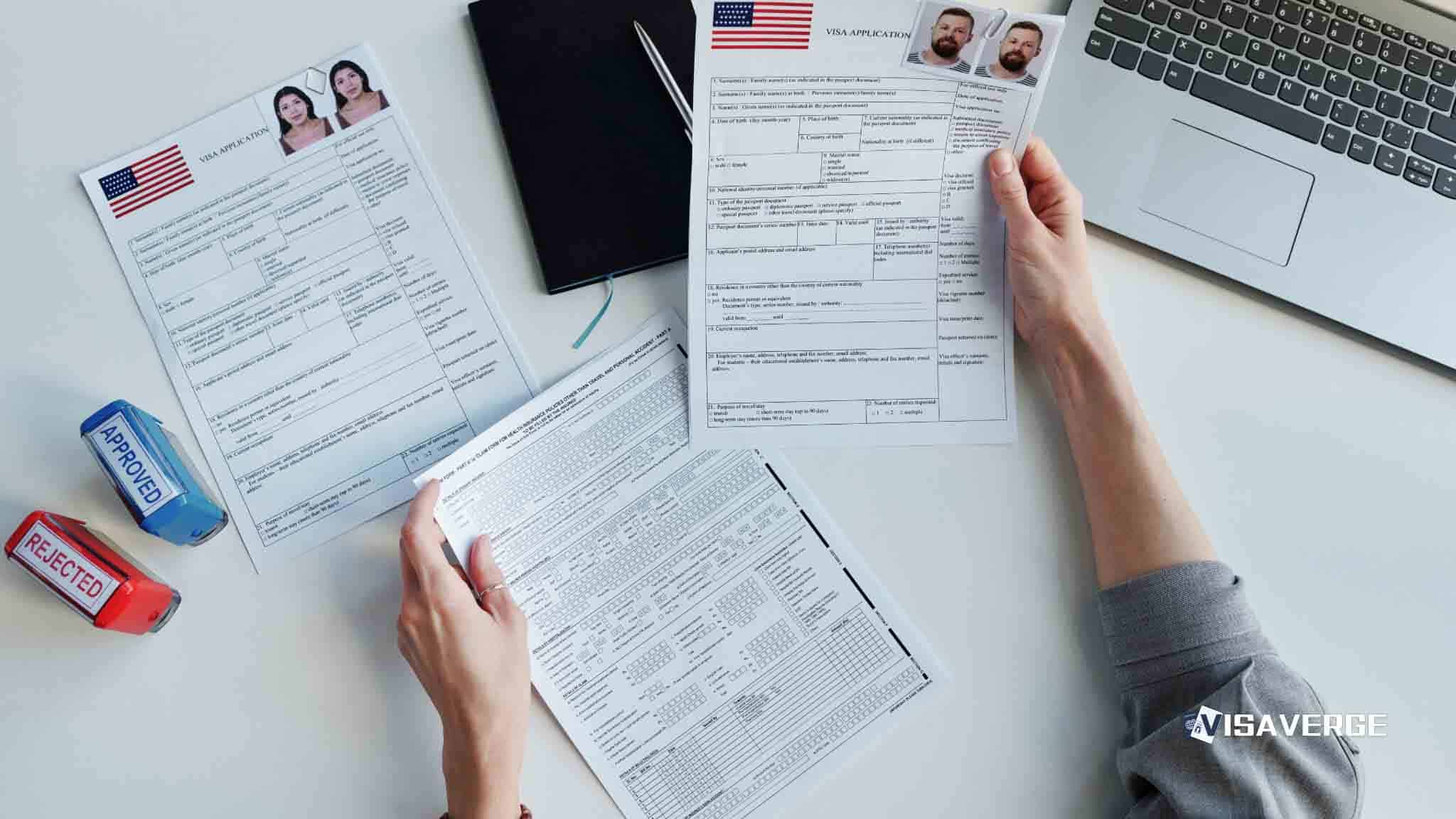
When it comes to working in the United States, understanding the visa process is crucial. If you’re considering moving to the U.S. for work or study, you’ll likely come across the J-1 and H-1B visa categories. While they both serve similar functions—allowing foreign individuals to come to the U.S.—there are important differences to consider.
What are J-1 and H-1B Visas?
J-1 and H-1B visas are non-immigrant categories that permit foreign nationals to enter the United States. The J-1 Exchange Visitor visa is for individuals who aim to promote the exchange of skills and knowledge in fields like education, arts, and sciences. Importantly, J-1 holders are expected to return to their home country after their visit to disseminate what they’ve learned.
The H-1B Specialty Occupation visa, on the other hand, is for professionals in specialty occupations, often including those working in the academic sector. Unlike J-1 visa holders, H-1B visa holders have no obligation to return home after their stay.
Key Differences Between J-1 and H-1B Visas
Duration of Stay
- H-1B: Allows a stay of up to six years.
- J-1: Professors and researchers can stay for five years.
Intent to Immigrate
- H-1B: Permits “dual intent,” which means holders can apply for a green card.
- J-1: Requires holders to return home for two years before applying for a new visa, making it more challenging to seek permanent residency.
Employment Requirements
- H-1B: Requires the visa holder to work full-time in their specialty occupation.
- J-1: There’s no specific work requirement; the focus is on knowledge exchange.
Application Process
Getting an H-1B visa involves a job offer, the PERM process, obtaining Labor Condition Approval, and potentially going through a lottery process if the job isn’t cap-exempt. Conversely, J-1 visas don’t have a lottery, and sponsors aren’t required to meet the higher wage standard that applies to H-1B visas.
Entry into the U.S.
- H-1B: Cannot enter the U.S. until the petition is approved by USCIS.
- J-1: Can apply for a visa immediately after receiving Form DS-2019.
Choosing the Right Visa for You
The choice between a J-1 and an H-1B visa depends largely on your professional goals and circumstances. J-1 visas may be more accessible and flexible for those looking to gain experience and return home. In contrast, H-1B visas are geared toward professionals seeking long-term employment and possibly permanent residency in the U.S.
Final Thoughts
Both J-1 and H-1B visas can open doors for foreign nationals looking to expand their horizons in the United States. The H-1B is often preferred for its potential path to residency, longer stay, and higher wage standards. However, the J-1 is a valuable option for its cultural and educational exchange opportunities. Carefully consider your situation and consult with immigration experts to find the best option for your needs. For official information and guidance, visit the U.S. Department of State’s J-1 Visa Exchange Visitor Program page and the U.S. Citizenship and Immigration Services H-1B Program page.
So there you have it, my visa-seeking amigos! The low-down on J-1 and H-1B visas. They’re like two sides of the same tech coin; one’s all about cultural exchange, while the other’s perfect for professionals looking to plant roots. Now, if you want to dive deeper into this whole visa world, head on over to visaverge.com for more juicy details! Trust me, it’s visa knowledge that even aliens would envy!
Pocket Piece:
J-1 and H-1B visas allow foreigners to work in the U.S. J-1 is for educational and cultural exchange, while H-1B is for specialized professionals. Key differences include duration of stay (up to 6 years with H-1B, 5 years for J-1 professors), intent to immigrate (H-1B allows, J-1 requires return home), employment requirements, and application process. Consider personal goals and consult experts before deciding.