January 4, 2026
- Updated headline to emphasize the 10-day USCIS notification requirement
- Added specific federal 10-day reporting rule and penalties (up to $200 fine, 30 days jail)
- Included three reporting methods with typical speeds and contact number 1-800-375-5283
- Clarified that USPS forwarding does not satisfy USCIS and advised saving confirmation proof
- Added special rules and timelines for F-1/J-1 students and new registration requirement effective April 11, 2025
Moving to a new home in the United States 🇺🇸 won’t cancel your adjustment of status, but it triggers a legal duty to update USCIS within 10 days. Miss that deadline and you risk lost notices, case delays, and even criminal penalties.
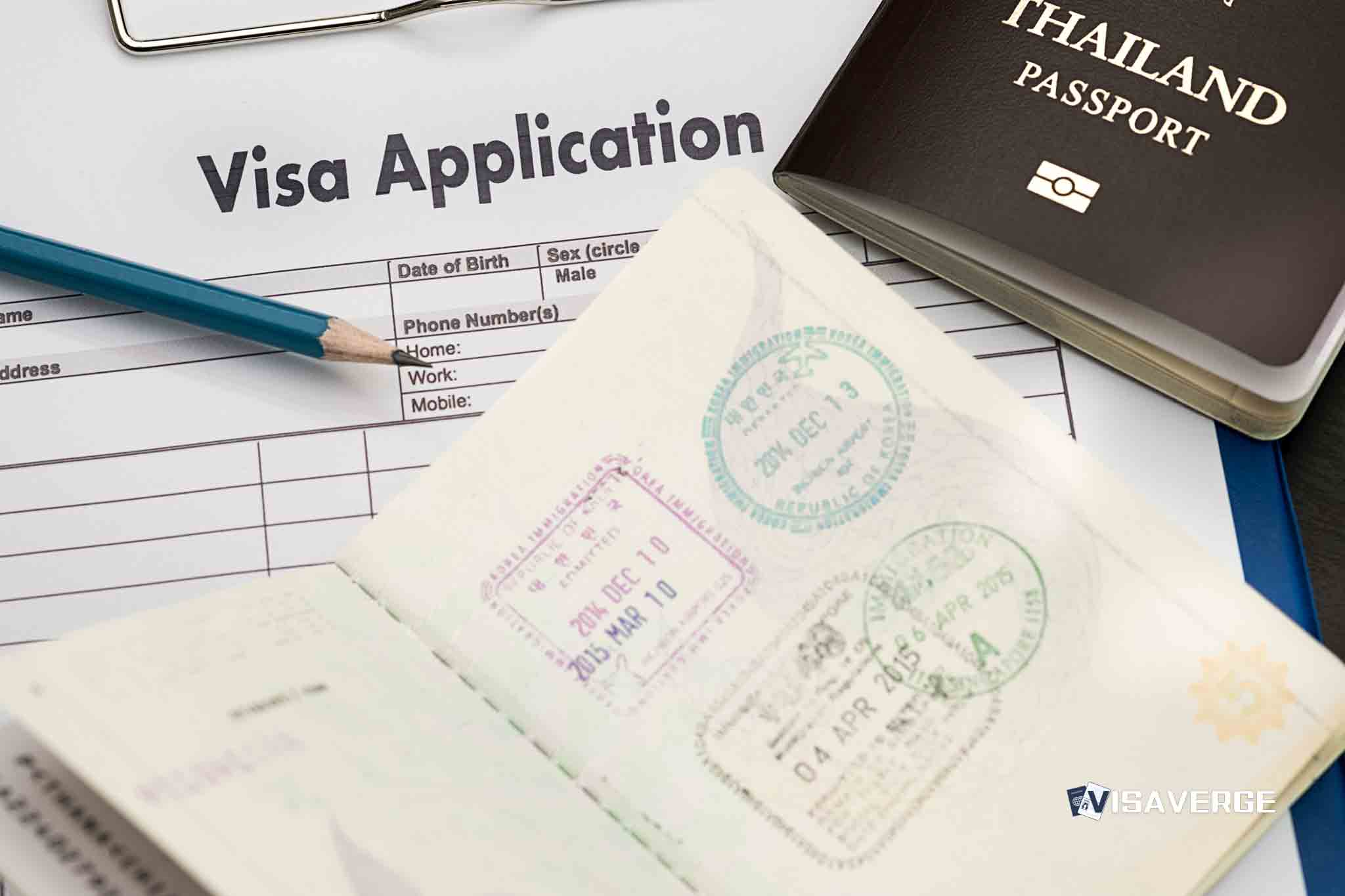
This guide explains address-change reporting during a pending Form I-485, what shifts inside USCIS after you relocate, and how to protect your appointments, mail, and proof of compliance.
The 10-day federal requirement
Federal law requires most noncitizens who stay in the country for 30 days or longer to report every address change within 10 days. The rule covers people with a pending I-485, temporary visa holders, and lawful permanent residents.
- Main exceptions: A and G visa holders and Visa Waiver visitors using ESTA.
- Penalties: DHS has signaled more prosecutions for failures to report; sanctions can include a misdemeanor charge, a fine up to $200, and up to 30 days in jail.
USCIS mail drives the entire process—from biometrics notices to interview letters to card production. If the agency sends a notice to an old address, you can:
- Miss a deadline
- Be marked as a no-show
- Lose the opportunity to respond
Address problems can also affect later proceedings. During the Trump administration in 2018, USCIS officers denied some naturalization cases after finding late address updates, treating the lapse as evidence against good moral character.
Important: failing to update your address is not a trivial paperwork error; it can have immediate and downstream legal consequences.
Don’t rely on USPS forwarding to update USCIS. The 10-day rule is strict and missing it can cause lost notices, delays, or penalties. Report directly to USCIS and save all filing proof.
Why USPS forwarding isn’t enough
A U.S. Postal Service change of address does not update your USCIS record. USPS forwarding may help you catch mail, but it does not satisfy the federal reporting requirement.
- You must submit an address change directly to USCIS.
- Keep proof you filed the change (screenshots, certified mail receipts, confirmation numbers).
- USCIS does not provide a reliable public screen showing the exact address on file, so your confirmation records often become your best evidence.
Three ways to report your move
USCIS accepts address-change reports in three main ways. The method you choose affects speed and reliability.
- Online account update — fastest; system updates almost immediately.
- Mail (Form AR-11) — usually takes 3–4 weeks to appear in records.
- Phone — call 1-800-375-5283; useful when a delivery or card is expected soon.
Comparison table
| Method | Typical speed | What to save |
|---|---|---|
| Online account | Almost immediate | Print or save confirmation screen |
| Mail (Form AR-11) | 3–4 weeks | Copy of Form AR-11; certified mail receipt with return receipt |
| Phone | Same day (agent confirmation) | Write down any confirmation number the agent gives you |
Step-by-step for each method:
- Online account update:
– Sign in, select the change-of-address tool, enter the new address.
– Print or save the confirmation screen.
- Mail:
– Download and complete Form AR-11 on the USCIS forms page.
– Copy it for your files and send by certified mail with return receipt.
- Phone:
– Call USCIS Customer Service at 1-800-375-5283.
– Provide biographic details and receipt numbers; record the confirmation number.
Linking the change to your I-485
Online updates work best when you connect the move to the right case. When you file the change through your USCIS account, the system asks for pending applications—list your I-485 receipt so the office handling adjustment of status gets the update fast.
- Do not attach a new address to an employer-owned petition receipt number. That receipt belongs to the employer, not the worker, and the online system won’t treat it as your personal mailing record.
- After reporting the move, monitor your USCIS account. Field offices and application support centers schedule appointments based on where you live.
- USCIS typically transfers jurisdiction to the field office that covers your new residence. That transfer can:
- Shift the site for biometrics or the I-485 interview
- Slow scheduling while the file moves
VisaVerge.com reports that the transfer step is one reason movers sometimes see a quiet period on their case status.
A practical move timeline
Use this checklist to avoid letting anything slip. Keep each step short and documented.
- Before moving
– Check your USCIS account for upcoming notices.
– Avoid travel that would overlap a biometrics date or interview week.
- Within 10 days after moving
– Complete address change reporting online or by phone (or mail AR-11 if necessary).
- Right after filing
– Save confirmations.
– Update USPS separately.
– Tell your attorney or employer contact the same day.
Update every adult in the household (each typically files AR-11). After filing, monitor your USCIS account, save all receipts, and keep proof until the case concludes.
- Over the next month
– Track for rescheduled appointments.
– Bring proof of your new address to any in-person visit.
Two cautions for movers:
- Do not file “retroactive” address changes for old residences. USCIS wants your current address; filing an older one can send future mail to the wrong place.
- Update every family member correctly. Each person usually files their own AR-11, except children under 14. When a child turns 14, the child must apply for re-registration within 30 days of the birthday.
Special rules for students, exchange visitors, and registration
F-1 students and J-1 exchange visitors are tracked in SEVIS and follow a different process:
- Report the new address to your Designated School Official (DSO) within 10 days.
- The school then has 21 days to enter the update in SEVIS.
- If SEVIS is updated timely, you do not file AR-11 with USCIS for the same move.
If you also have a pending I-485, confirm with your DSO that your adjustment filing does not require a separate USCIS address update.
Additional registration rules affecting address compliance:
- Effective April 11, 2025, some noncitizens who were not previously registered must submit Form G-325G online.
- Adults who are registered must also carry proof of registration at all times.
These rules are separate from Form I-485, but they shape the enforcement climate around address-change reporting. See USCIS instructions on reporting moves on the agency’s official change-of-address page.
What to expect from USCIS after you move
Once the address update is processed, USCIS will:
- Route future mail to the new location.
- Transfer your file to the local field office for the new ZIP code, if needed.
Watch for three types of notices:
- A biometrics appointment at a new Application Support Center.
- An interview notice with a new field office address.
- A Request for Evidence with a short response window.
If you already filed Form I-485, keep its receipt notice handy and check case status frequently. You can review filing basics on the official Form I-485 page.
If a card (EAD, advance parole, or green card) is close to production, speed matters even more. A late address update can mean the card is mailed to the prior residence, causing weeks of extra work with returns and re-mailing. In that window, phone reporting or an online update is the best choice. Keep your confirmation with your immigration file, along with copies of any certified mail receipt if you used AR-11.
Common moving scenarios during adjustment
Different moves create different risks. Key situations to consider:
- Moving to a different state: expect your case to transfer to the field office that serves the new ZIP code.
- Moving within the same metro area: interview location may remain the same, but mailing address must still be updated.
- Short-term stays (sublease, hotel, friend’s couch): still count as an address if that’s where you live. Choose the place where you reliably receive mail and avoid switching repeatedly.
Guidance and practical tips:
- Report the address where you sleep most nights if you maintain multiple residences.
- Keep a log of addresses and dates for your records and filings.
Reduce mail problems by building redundancy:
- Put your name on the mailbox and apartment directory.
- Turn on USPS forwarding, but treat it as backup only.
- Save every USCIS notice as a PDF in your online account when available.
- Tell trusted recipients how to alert you quickly if they get your mail.
If USCIS schedules an appointment in the old city after you moved:
- Act the same day.
- Call the contact number on the notice and keep a copy of what you sent.
- When attending biometrics or an interview, carry a lease, utility bill, or other proof tied to the new address—even if not requested.
When professional help is worth it
Most moves are manageable with careful paperwork, but missed deadlines and repeated relocations raise the stakes. An immigration lawyer can:
- Document late reporting
- Advise on appointment rescheduling
- Spot problems that could lead to a denial for abandonment
Legal help is especially important if:
- USCIS issued a Request for Evidence
- You have prior removal history
- You fear you already missed a notice
If you consult counsel, bring:
- Your AR-11 proof
- Your I-485 receipt
- Every address where you lived during the case
This helps counsel map a clear timeline and advise on remediation or defense.
This guide outlines the critical requirement for noncitizens to report address changes to USCIS within 10 days. It details the methods for reporting—online, mail, or phone—and emphasizes that USPS forwarding is insufficient. The article warns of consequences like missed appointments, case delays, or criminal sanctions, while providing a practical timeline and advice for tracking case transfers between field offices during the move.