Spanish
Official VisaVerge Logo Official VisaVerge Logo
  • Home
  • Airlines
  • H1B
  • Immigration
    • Knowledge
    • Questions
    • Documentation
  • News
  • Visa
    • Canada
    • F1Visa
    • Passport
    • Green Card
    • H1B
    • OPT
    • PERM
    • Travel
    • Travel Requirements
    • Visa Requirements
  • USCIS
  • Questions
    • Australia Immigration
    • Green Card
    • H1B
    • Immigration
    • Passport
    • PERM
    • UK Immigration
    • USCIS
    • Legal
    • India
    • NRI
  • Guides
    • Taxes
    • Legal
  • Tools
    • H-1B Maxout Calculator Online
    • REAL ID Requirements Checker tool
    • ROTH IRA Calculator Online
    • TSA Acceptable ID Checker Online Tool
    • H-1B Registration Checklist
    • Schengen Short-Stay Visa Calculator
    • H-1B Cost Calculator Online
    • USA Merit Based Points Calculator – Proposed
    • Canada Express Entry Points Calculator
    • New Zealand’s Skilled Migrant Points Calculator
    • Resources Hub
    • Visa Photo Requirements Checker Online
    • I-94 Expiration Calculator Online
    • CSPA Age-Out Calculator Online
    • OPT Timeline Calculator Online
    • B1/B2 Tourist Visa Stay Calculator online
  • Schengen
VisaVergeVisaVerge
Search
Follow US
  • Home
  • Airlines
  • H1B
  • Immigration
  • News
  • Visa
  • USCIS
  • Questions
  • Guides
  • Tools
  • Schengen
© 2025 VisaVerge Network. All Rights Reserved.
Green Card

Navigating I-140 Process During Employer Financial Difficulties: Employment-Based Green Card Concerns

If your employer is facing financial difficulties during your I-140 process for an employment-based green card, it could impact your case. It is important to stay informed and seek legal advice to explore alternative options and ensure a smooth transition.

Last updated: July 18, 2025 7:55 pm
SHARE
VisaVerge.com
Key takeaways

Understanding the I-140 process: Learn about the Immigrant Petition for Alien Worker and its significance for green card applicants.
Impact of employer financial difficulties: Financial troubles can lead to USCIS inquiries and job insecurity for green card applicants.
Actions to take: Maintain open communication, document the employer’s ability to pay, and consider alternative employers if necessary.

Navigating the I-140 Process Amidst Employer Financial Troubles

Navigating the path to an employment-based green card can be complex and stressful, particularly if you discover your employer is facing financial difficulties during the process. The I-140 petition is a pivotal phase in securing permanent residency, and stability from your sponsoring employer is crucial. Let’s delve into what this could mean for your application and the steps you might consider taking.

Understanding the I-140 Process

Firstly, it’s essential to grasp the basics of the I-140, or the Immigrant Petition for Alien Worker. This form is where your employer attests to the Department of Homeland Security that they can pay the offered wage stated in the prevailing wage determination. It is usually filed after the PERM Labor Certification approval, a prerequisite for most employment-based green card categories.

Employer Financial Difficulties: The Impact

An employer’s financial health is imperative because the U.S. Citizenship and Immigration Services (USCIS) will assess whether your employer has the ability to pay your salary as promised. Here’s where the problems can arise if your employer is struggling financially:

  • USCIS Inquiry: If USCIS becomes aware of the employer’s financial situation, they might issue a Request for Evidence (RFE) or a Notice of Intent to Deny (NOID), questioning the employer’s ability to pay.
  • Job Security: Your ongoing employment status could be in jeopardy if the company is making layoffs or drastic cost-saving measures.

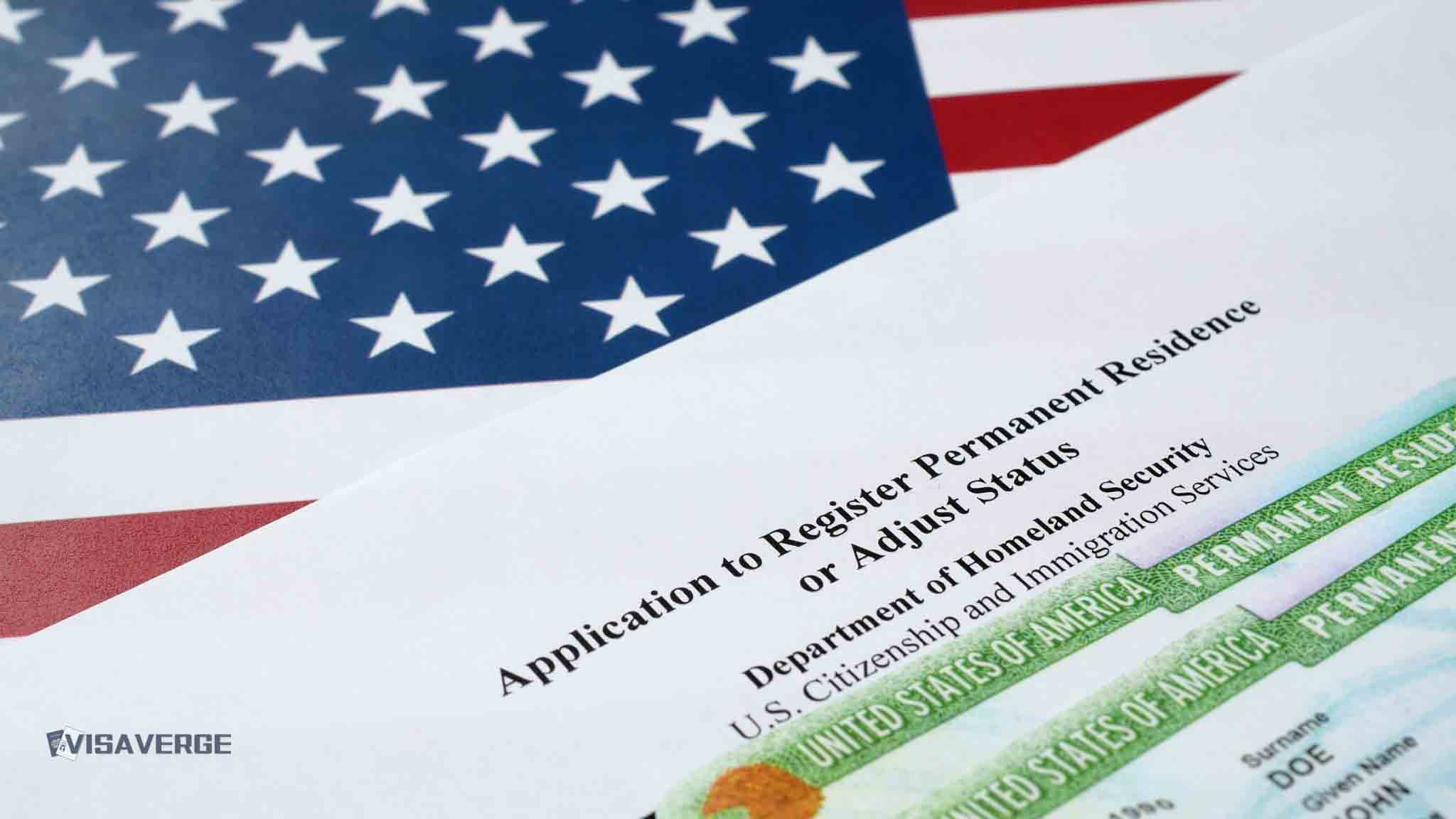
Navigating I-140 Process During Employer Financial Difficulties: Employment-Based Green Card Concerns

What Can You Do?

If your employer is dealing with such challenges, it’s important to be proactive:

  • Open Communication: Have an honest dialogue with your employer about the company’s situation and your immigration concerns.
  • Documentation: Gather robust proof of the employer’s ability to pay, such as tax returns, annual reports, or audited financial statements.
  • Explore Alternatives: If the company’s outlook seems bleak, you may need to consider finding a new employer willing to take over the green card process.

When a New Job Is the Only Option

Switching employers during the I-140 process can be tricky but not impossible. New employment means starting parts of the green card process anew, including possibly another PERM Labor Certification. However, certain classifications allow for I-140 petition portability, where you can change jobs without affecting your green card application, provided certain conditions are met.

Seeking Professional Advice

Given the complexities of immigration law, seeking professional guidance from an immigration attorney can provide clarity and direction. They can help assess your situation and advise on the best course of action, ensuring you make informed decisions throughout this challenging time.

Keeping Track of Policy Updates

Staying updated with the latest immigration policies is important, as these can influence your options. You can visit the official USCIS website for the most recent information and policy updates on the employment-based green card process.

In conclusion, while employer financial difficulties during the I-140 process may present hurdles, being aware of your choices and rights can help you navigate the situation more effectively. Remember, the key to dealing with such an unpredictable scenario is to remain informed, considerate of your options, and ready to take decisive steps when necessary.

So, there you have it – navigating the I-140 process amidst employer financial troubles can be quite the adventure! Remember to keep the communication lines open, gather all the necessary documentation, and don’t be afraid to explore alternatives if needed. And hey, if you’re hungry for more thrilling tales about visa journeys, head on over to visaverge.com for all the visa goodness you can handle. Trust me, it’s a tech enthusiast’s dream come true!

FAQ’s to know:

FAQ 1: What is the I-140 process?

Answer: The I-140 process, or the Immigrant Petition for Alien Worker, is a crucial step in obtaining permanent residency through employment. It involves your employer attesting to the Department of Homeland Security that they can pay the offered wage stated in the prevailing wage determination, usually after the PERM Labor Certification approval. It is an important component of securing an employment-based green card.

FAQ 2: Can employer financial difficulties affect the I-140 process?

Answer: Yes, employer financial difficulties can impact the I-140 process. The U.S. Citizenship and Immigration Services (USCIS) evaluates whether your employer has the ability to pay your salary as promised. If USCIS becomes aware of the employer’s financial situation, they may issue a Request for Evidence (RFE) or a Notice of Intent to Deny (NOID), questioning the employer’s ability to pay. There may also be concerns about job security if the company is making layoffs or cost-saving measures.

FAQ 3: What should I do if my employer is facing financial difficulties during the I-140 process?

Answer: If your employer is dealing with financial challenges during the I-140 process, there are several steps you can take. First, have an open and honest conversation with your employer about the company’s situation and your immigration concerns. Gather robust documentation that proves your employer’s ability to pay, such as tax returns, annual reports, or audited financial statements. It may also be necessary to explore alternatives, such as finding a new employer willing to take over the green card process. Seeking professional advice from an immigration attorney can provide further guidance and clarity during this challenging time.

What did you learn? Answer below to know:

  1. True or False: In the I-140 process, the employer’s financial health is crucial because USCIS assesses their ability to pay the offered wage.
  2. What steps can you take if your employer is facing financial difficulties during the I-140 process? (Select all that apply)
    a) Have open communication with your employer
    b) Gather proof of the employer’s ability to pay
    c) Seek professional advice from an immigration attorney
    d) Port your I-140 petition to a new employer without any conditions
  3. Where can you find the most recent information and policy updates on the employment-based green card process?
    a) Official USCIS website
    b) Department of Labor website
    c) State Department website
    d) U.S. Congress website
Share This Article
Facebook Pinterest Whatsapp Whatsapp Reddit Email Copy Link Print
What do you think?
Happy0
Sad0
Angry0
Embarrass0
Surprise0
Visa Verge
ByVisa Verge
Senior Editor
Follow:
VisaVerge.com is a premier online destination dedicated to providing the latest and most comprehensive news on immigration, visas, and global travel. Our platform is designed for individuals navigating the complexities of international travel and immigration processes. With a team of experienced journalists and industry experts, we deliver in-depth reporting, breaking news, and informative guides. Whether it's updates on visa policies, insights into travel trends, or tips for successful immigration, VisaVerge.com is committed to offering reliable, timely, and accurate information to our global audience. Our mission is to empower readers with knowledge, making international travel and relocation smoother and more accessible.
Subscribe
Login
Notify of
guest

guest

0 Comments
Inline Feedbacks
View all comments
H-1B Workforce Analysis Widget | VisaVerge
Data Analysis
U.S. Workforce Breakdown
0.44%
of U.S. jobs are H-1B

They're Taking Our Jobs?

Federal data reveals H-1B workers hold less than half a percent of American jobs. See the full breakdown.

164M Jobs 730K H-1B 91% Citizens
Read Analysis
Top 10 States with Highest ICE Arrests in 2025 (per 100k)
News

Top 10 States with Highest ICE Arrests in 2025 (per 100k)

March 2026 Visa Bulletin Predictions: What you need to know
USCIS

March 2026 Visa Bulletin Predictions: What you need to know

Spain Approves Royal Decree for Extraordinary Regularisation of 500,000 Undocumented Migrants
Immigration

Spain Approves Royal Decree for Extraordinary Regularisation of 500,000 Undocumented Migrants

ICE Arrest Tactics Differ Sharply Between Red and Blue States, Data Shows
Immigration

ICE Arrest Tactics Differ Sharply Between Red and Blue States, Data Shows

ICE Training Explained: ERO’s 8-Week Program and HSI’s 6-Month Curriculum
Immigration

ICE Training Explained: ERO’s 8-Week Program and HSI’s 6-Month Curriculum

Did Obama Deport More People Than Trump? Key Facts Explained
News

Did Obama Deport More People Than Trump? Key Facts Explained

Dutch Tax Unrealized Gains Box 3 Actual Return Tax Law January 1, 2028
Digital Nomads

Dutch Tax Unrealized Gains Box 3 Actual Return Tax Law January 1, 2028

Bali Travel Rules 2026: Visa, All Indonesia App & Tourism Levy Explained
Travel

Bali Travel Rules 2026: Visa, All Indonesia App & Tourism Levy Explained

Year-End Financial Planning Widgets | VisaVerge
Tax Strategy Tool
Backdoor Roth IRA Calculator

High Earner? Use the Backdoor Strategy

Income too high for direct Roth contributions? Calculate your backdoor Roth IRA conversion and maximize tax-free retirement growth.

Contribute before Dec 31 for 2025 tax year
Calculate Now
Retirement Planning
Roth IRA Calculator

Plan Your Tax-Free Retirement

See how your Roth IRA contributions can grow tax-free over time and estimate your retirement savings.

  • 2025 contribution limits: $7,000 ($8,000 if 50+)
  • Tax-free qualified withdrawals
  • No required minimum distributions
Estimate Growth
For Immigrants & Expats
Global 401(k) Calculator

Compare US & International Retirement Systems

Working in the US on a visa? Compare your 401(k) savings with retirement systems in your home country.

India UK Canada Australia Germany +More
Compare Systems

You Might Also Like

Marshall Islands Visa Guide 2026: Visa-Free Rules and On-Arrival Access
Knowledge

Marshall Islands Visa Guide 2026: Visa-Free Rules and On-Arrival Access

By Visa Verge
Converting from L1A Visa to Green Card: A Step-by-Step Guide
Knowledge

Converting from L1A Visa to Green Card: A Step-by-Step Guide

By Shashank Singh
Managing PERM Applications During Financial Difficulties: Tips for Immigration in Crisis
Green Card

Managing PERM Applications During Financial Difficulties: Tips for Immigration in Crisis

By Robert Pyne
Hiring Skilled Foreign Workers: H-1B Visa Guide
Knowledge

Hiring Skilled Foreign Workers: H-1B Visa Guide

By Jim Grey
Show More
Official VisaVerge Logo Official VisaVerge Logo
Facebook Twitter Youtube Rss Instagram Android

About US


At VisaVerge, we understand that the journey of immigration and travel is more than just a process; it’s a deeply personal experience that shapes futures and fulfills dreams. Our mission is to demystify the intricacies of immigration laws, visa procedures, and travel information, making them accessible and understandable for everyone.

Trending
  • Canada
  • F1Visa
  • Guides
  • Legal
  • NRI
  • Questions
  • Situations
  • USCIS
Useful Links
  • History
  • USA 2026 Federal Holidays
  • UK Bank Holidays 2026
  • LinkInBio
  • My Saves
  • Resources Hub
  • Contact USCIS
web-app-manifest-512x512 web-app-manifest-512x512

2026 © VisaVerge. All Rights Reserved.

2026 All Rights Reserved by Marne Media LLP
  • About US
  • Community Guidelines
  • Contact US
  • Cookie Policy
  • Disclaimer
  • Ethics Statement
  • Privacy Policy
  • Terms and Conditions
wpDiscuz
Welcome Back!

Sign in to your account

Username or Email Address
Password

Lost your password?