Spanish
Official VisaVerge Logo Official VisaVerge Logo
  • Home
  • Airlines
  • H1B
  • Immigration
    • Knowledge
    • Questions
    • Documentation
  • News
  • Visa
    • Canada
    • F1Visa
    • Passport
    • Green Card
    • H1B
    • OPT
    • PERM
    • Travel
    • Travel Requirements
    • Visa Requirements
  • USCIS
  • Questions
    • Australia Immigration
    • Green Card
    • H1B
    • Immigration
    • Passport
    • PERM
    • UK Immigration
    • USCIS
    • Legal
    • India
    • NRI
  • Guides
    • Taxes
    • Legal
  • Tools
    • H-1B Maxout Calculator Online
    • REAL ID Requirements Checker tool
    • ROTH IRA Calculator Online
    • TSA Acceptable ID Checker Online Tool
    • H-1B Registration Checklist
    • Schengen Short-Stay Visa Calculator
    • H-1B Cost Calculator Online
    • USA Merit Based Points Calculator – Proposed
    • Canada Express Entry Points Calculator
    • New Zealand’s Skilled Migrant Points Calculator
    • Resources Hub
    • Visa Photo Requirements Checker Online
    • I-94 Expiration Calculator Online
    • CSPA Age-Out Calculator Online
    • OPT Timeline Calculator Online
    • B1/B2 Tourist Visa Stay Calculator online
  • Schengen
VisaVergeVisaVerge
Search
Follow US
  • Home
  • Airlines
  • H1B
  • Immigration
  • News
  • Visa
  • USCIS
  • Questions
  • Guides
  • Tools
  • Schengen
© 2025 VisaVerge Network. All Rights Reserved.
Green Card

Lawsuit Challenges U.S. Green Card Freeze Targeting 75 Countries Public Charge Concern Clinic

A sweeping U.S. policy has halted immigrant visa processing for nationals of 75 countries as of late January 2026. This indefinite pause, challenged by a February federal lawsuit, disrupts family and employment-based immigration. The restrictions target immigrant visas processed abroad while subjecting domestic applicants to increased scrutiny, though nonimmigrant categories like student and visitor visas currently remain operational.

Last updated: February 2, 2026 4:07 pm
SHARE
Key Takeaways
→A new policy suspends immigrant visa processing for nationals from 75 different countries.
→Advocacy groups filed a federal lawsuit challenging the legality of the nationality-based pause.
→The restriction excludes nonimmigrant visas, such as student and temporary worker categories like H-1B.

(NEW YORK) — An indefinite pause on immigrant visa processing for nationals of 75 countries took effect Jan. 21, 2026, triggering immediate disruption for family- and employment-based green card applicants abroad and prompting a major federal lawsuit filed today, Feb. 2, 2026.

The policy was announced Jan. 14, 2026, by the U.S. Department of State, which said it would rely on “long-standing authority” to deem certain intending immigrants inadmissible on public charge grounds while it “reassesses” procedures.
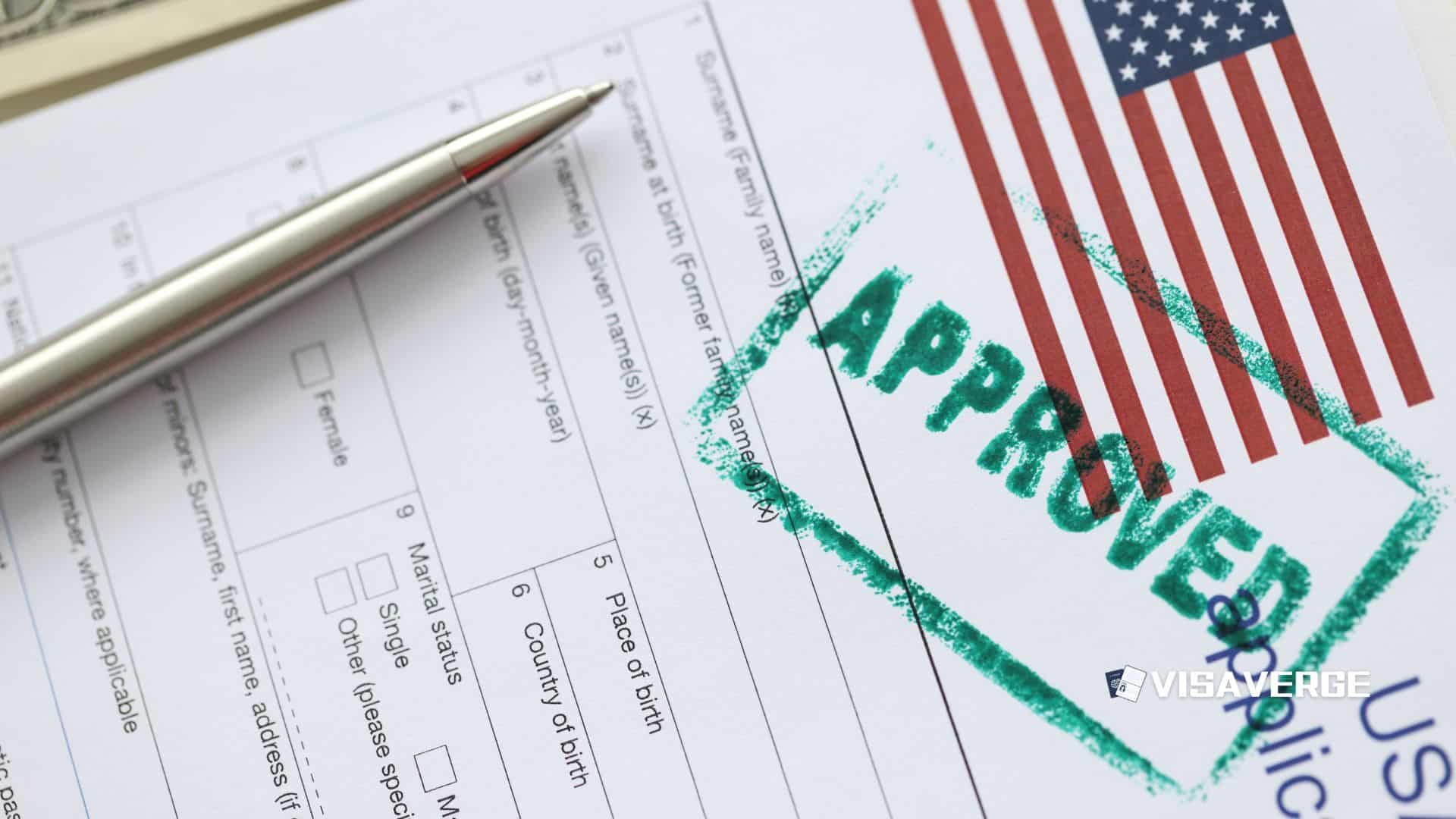
Lawsuit Challenges U.S. Green Card Freeze Targeting 75 Countries Public Charge Concern Clinic

Although public-charge inadmissibility is rooted in INA § 212(a)(4), challengers argue this pause operates like a nationality-based ban rather than an individualized assessment.

1) Policy announcement and legal challenge

In practical terms, an “indefinite pause on immigrant visa processing” means many affected applicants abroad may see immigrant-visa cases stop moving at key stages: interview scheduling, final adjudication at the consulate, and visa issuance after approval.

For many families, it can also mean longer separation even after an I-130 petition is approved.

Who the pause and re-vetting measures may affect (quick relevance check)
  • Applies to: immigrant visa applicants processing abroad (consular processing) who are nationals of the covered countries
  • May also affect: certain applicants inside the U.S. if USCIS places adjudication holds/re-vetting based on country lists described in policy guidance
  • Generally not affected by the pause: most non-immigrant visas (tourist, student, temporary work) unless separate rules apply
  • Possible exception: dual nationals using a passport from a non-covered country for travel/documentation

The sequence has been fast. The State Department announced the pause on Jan. 14, implemented it on Jan. 21, and now faces litigation challenging both the scope and the nationality-based impact.

2) Lawsuit details and legal arguments

→ Analyst Note
If you have a pending consular case, save screenshots or PDFs of your CEAC/NVC status, appointment emails, and any cancellation notices. Bring the full paper trail to any rescheduled interview and share it with your attorney or accredited representative.

The lawsuit is Catholic Legal Immigration Network, Inc. (CLINIC) v. U.S. Department of State, filed Feb. 2, 2026, in the U.S. District Court for the Southern District of New York, Case No. 1:26-cv-00858.

Plaintiffs include organizational groups—CLINIC and others—alongside U.S. citizens and individuals alleging family separation and job-related harm.

This coalition structure is typical in high-impact immigration litigation, because organizations may assert mission-based injuries while individuals show concrete, personal harm.

→ Important Notice
Do not rely on unofficial “expedite” offers or paid fixers claiming they can bypass holds or re-vetting. If USCIS places a hold, the safest path is responding to formal notices (RFE/interview) and updating your address and contact details to avoid missed correspondence.
Key dates referenced in the policy rollout and litigation
📢
Announcement date: January 14, 2026
✓
Effective date: January 21, 2026
📄
USCIS Policy Memorandum date: January 1, 2026
(PM-602-0194)
⚖️
Lawsuit filed: February 2, 2026

The complaint’s core legal theories, as described by the plaintiffs, include:

  • Nationality-based restriction claims, arguing the policy functions as an unlawful ban based on country of origin.
  • Administrative Procedure Act (APA) challenges, often framed as agency action that exceeds statutory authority, is arbitrary and capricious, or was adopted without required procedures. (APA claims generally arise under 5 U.S.C. § 706.)
  • Constitutional principles claims, including equal-protection-type arguments that government action cannot disfavor groups without sufficient justification.
  • An allegation that the government is effectively reshaping public charge adjudications through a broad categorical pause, rather than applying individualized factors as public-charge determinations typically require.
→ Note
For employer-sponsored cases, ask HR/immigration counsel to document business impact (project timelines, start dates, travel restrictions) and keep a single shared packet of filings and receipts. Consistent records help if rescheduling, re-documentation, or contingency planning becomes necessary.

In these cases, plaintiffs commonly seek declaratory relief and injunctive relief, such as a temporary restraining order (TRO) or preliminary injunction to halt implementation while the case proceeds.

Warning: Litigation can move quickly, but emergency relief is not automatic. A court may set rapid briefing deadlines, or it may decline immediate intervention.

3) State Department policy: what is paused, what is not

Primary official sources referenced (verification list)
  • ◆
    U.S. Department of State – Bureau of Consular Affairs travel.state.gov
  • ◆
    USCIS Newsroom & Policy Manual/Memos uscis.gov/newsroom
  • ◆
    DHS News/Statements dhs.gov/news
  • ◆ USCIS Policy Memorandum: PM-602-0194
  • ◆ Federal court docket reference: U.S. District Court, Southern District of New York, Case No. 1:26-cv-00858

On the consular side, the pause applies to immigrant visas processed abroad. That includes both family-sponsored and employment-based immigrant categories.

It does not simply affect “new” cases. It can also affect cases at the last step, including those awaiting interview or final issuance.

“Consular processing” usually runs through the National Visa Center (NVC) and then the U.S. embassy or consulate. Disruption can occur at multiple points: document review at NVC, interview scheduling, or post-interview issuance.

Carve-outs matter. The government has indicated the pause does not apply to nonimmigrant visas, such as B-1/B-2 visitors, F-1 students, and temporary work visas like the H-1B.

The policy also reportedly does not apply where a person is a dual national and applies using a passport from a country not subject to the pause.

Tip: If you hold dual nationality, confirm which passport was used for DS-260 processing and any consular appointment. A mismatch can create delays or refusals.

4) USCIS domestic actions and re-vetting: what changes inside the U.S.

Separate from consular operations, USCIS has described “adjudication holds” affecting certain applicants inside the United States.

According to USCIS Policy Memorandum PM-602-0194 (Jan. 1, 2026), USCIS may hold pending benefit requests—described as including green card applications, work permits, and asylum-related filings—for individuals from a subset of countries referenced in a presidential proclamation.

An “adjudication hold” typically looks like a case that stops moving without a denial, often paired with additional screening. Applicants may receive Requests for Evidence (RFEs), Notices of Intent to Deny (NOIDs), or new interview scheduling.

The memo also describes “re-vetting” for certain prior grants. That is different from routine review. Re-vetting can mean reopening scrutiny of prior approvals, potentially including additional interviews, updated background checks, and renewed evidence of eligibility.

Deadline: If USCIS issues an RFE or NOID during a hold or re-vetting review, the response deadline is usually strict. Missing it may result in denial.

Tip: Keep copies of prior filings, approval notices, and supporting documents. Re-vetting reviews often ask for updated, consistent evidence.

5) Key facts, scale, and likely impact on families and employers

A pause affecting 75 countries is unusually broad. Even without listing every country, the geographic range is substantial.

Reports have referenced countries across Latin America, Africa, the Middle East, and parts of Europe and Asia, including examples like Brazil, Colombia, Iran, Nigeria, Pakistan, Egypt, Morocco, Ghana, Guatemala, Somalia, and Russia.

The real-world consequences are predictable even if precise numbers are debated. Families may face longer separation after petition approval. Employers may lose planned start dates for sponsored hires, or face project delays.

Hospitals and research institutions can be affected when key staff cannot complete consular processing.

Impact estimates are typically derived from historical immigrant-visa issuance levels and assumptions about what share comes from the affected countries. Those estimates can shift with demand, category caps, and backlogs.

Warning: Do not assume a consular case will “auto-resume.” Indefinite pauses can last months or longer unless changed by policy or court order.

6) Official sources and documents to monitor (and what to look for)

For reliable updates, readers should prioritize official sources:

  • State Department visa operations updates
  • USCIS newsroom and policy updates
  • DHS public statements

When you review any announcement, check the issuance date, the issuing office, and whether the document says it supersedes earlier guidance.

For USCIS memoranda, confirm the memo number and publication location within uscis.gov.

7) How to interpret scope while the case proceeds

Court challenges can change timelines, but they do not always restore processing immediately. Even if a judge issues an injunction, agencies sometimes seek a stay pending appeal, and implementation practices can vary by post and by case posture.

Applicants should separate two tracks:

  1. Consular processing: track NVC messages, interview scheduling, and consular case status.
  2. USCIS domestic benefits: track online case status and mailed notices, and be prepared for additional screening steps.

Recommended actions now:

  1. Confirm whether your case is consular or USCIS-based, and where it is stuck.
  2. If you have travel plans on a nonimmigrant visa, confirm eligibility and documentation.
  3. Speak with an immigration attorney quickly if you have deadlines, expiring work authorization, or family separation issues.

Resources:

AILA Lawyer Referral

Note

⚖️ Legal Disclaimer: This article provides general information about immigration law and is not legal advice. Immigration cases are highly fact-specific, and laws vary by jurisdiction. Consult a qualified immigration attorney for advice about your specific situation.


Learn Today
Public Charge
A ground of inadmissibility for individuals likely to become primarily dependent on the government for subsistence.
Consular Processing
The procedure of applying for an immigrant visa at a U.S. embassy or consulate abroad.
Adjudication Hold
A temporary suspension of a case’s progress by USCIS, often for additional screening or policy reassessment.
Injunctive Relief
A court order requiring a party to do or refrain from doing specific acts during litigation.
VisaVerge.com
Share This Article
Facebook Pinterest Whatsapp Whatsapp Reddit Email Copy Link Print
What do you think?
Happy0
Sad0
Angry0
Embarrass0
Surprise0
Jim Grey
ByJim Grey
Content Analyst
Follow:
Jim Grey serves as the Senior Editor at VisaVerge.com, where his expertise in editorial strategy and content management shines. With a keen eye for detail and a profound understanding of the immigration and travel sectors, Jim plays a pivotal role in refining and enhancing the website's content. His guidance ensures that each piece is informative, engaging, and aligns with the highest journalistic standards.
Subscribe
Login
Notify of
guest

guest

0 Comments
Inline Feedbacks
View all comments
H-1B Workforce Analysis Widget | VisaVerge
Data Analysis
U.S. Workforce Breakdown
0.44%
of U.S. jobs are H-1B

They're Taking Our Jobs?

Federal data reveals H-1B workers hold less than half a percent of American jobs. See the full breakdown.

164M Jobs 730K H-1B 91% Citizens
Read Analysis
March 2026 Visa Bulletin Predictions: What you need to know
USCIS

March 2026 Visa Bulletin Predictions: What you need to know

Top 10 States with Highest ICE Arrests in 2025 (per 100k)
News

Top 10 States with Highest ICE Arrests in 2025 (per 100k)

ICE Training Explained: ERO’s 8-Week Program and HSI’s 6-Month Curriculum
Immigration

ICE Training Explained: ERO’s 8-Week Program and HSI’s 6-Month Curriculum

IRS 2025 vs 2024 Tax Brackets: Detailed Comparison and Changes
News

IRS 2025 vs 2024 Tax Brackets: Detailed Comparison and Changes

Federal Agents Detain 10-Year-Old Spokane Girl Karla Tiul Baltazar to Texas Detention Center
Immigration

Federal Agents Detain 10-Year-Old Spokane Girl Karla Tiul Baltazar to Texas Detention Center

Bali Travel Rules 2026: Visa, All Indonesia App & Tourism Levy Explained
Travel

Bali Travel Rules 2026: Visa, All Indonesia App & Tourism Levy Explained

REAL ID: What Documents Count as Proof of Identity
Airlines

REAL ID: What Documents Count as Proof of Identity

States Pause H-1B Visas in Public Universities and State Agencies Texas Leads
H1B

States Pause H-1B Visas in Public Universities and State Agencies Texas Leads

Year-End Financial Planning Widgets | VisaVerge
Tax Strategy Tool
Backdoor Roth IRA Calculator

High Earner? Use the Backdoor Strategy

Income too high for direct Roth contributions? Calculate your backdoor Roth IRA conversion and maximize tax-free retirement growth.

Contribute before Dec 31 for 2025 tax year
Calculate Now
Retirement Planning
Roth IRA Calculator

Plan Your Tax-Free Retirement

See how your Roth IRA contributions can grow tax-free over time and estimate your retirement savings.

  • 2025 contribution limits: $7,000 ($8,000 if 50+)
  • Tax-free qualified withdrawals
  • No required minimum distributions
Estimate Growth
For Immigrants & Expats
Global 401(k) Calculator

Compare US & International Retirement Systems

Working in the US on a visa? Compare your 401(k) savings with retirement systems in your home country.

India UK Canada Australia Germany +More
Compare Systems

You Might Also Like

Indonesia Denies Israeli Gymnasts’ Visas Ahead of Jakarta Worlds
Immigration

Indonesia Denies Israeli Gymnasts’ Visas Ahead of Jakarta Worlds

By Oliver Mercer
Georgia Governor Pitches 90-Day Korean Manufacturing Visa to Trump
Immigration

Georgia Governor Pitches 90-Day Korean Manufacturing Visa to Trump

By Jim Grey
Trump Administration Sends Deported Migrants to Panama Jungle Camp
Immigration

Trump Administration Sends Deported Migrants to Panama Jungle Camp

By Jim Grey
Healthcare Workers See High PR Rates in Canada, Data Shows
Canada

Healthcare Workers See High PR Rates in Canada, Data Shows

By Oliver Mercer
Show More
Official VisaVerge Logo Official VisaVerge Logo
Facebook Twitter Youtube Rss Instagram Android

About US


At VisaVerge, we understand that the journey of immigration and travel is more than just a process; it’s a deeply personal experience that shapes futures and fulfills dreams. Our mission is to demystify the intricacies of immigration laws, visa procedures, and travel information, making them accessible and understandable for everyone.

Trending
  • Canada
  • F1Visa
  • Guides
  • Legal
  • NRI
  • Questions
  • Situations
  • USCIS
Useful Links
  • History
  • USA 2026 Federal Holidays
  • UK Bank Holidays 2026
  • LinkInBio
  • My Saves
  • Resources Hub
  • Contact USCIS
web-app-manifest-512x512 web-app-manifest-512x512

2026 © VisaVerge. All Rights Reserved.

2026 All Rights Reserved by Marne Media LLP
  • About US
  • Community Guidelines
  • Contact US
  • Cookie Policy
  • Disclaimer
  • Ethics Statement
  • Privacy Policy
  • Terms and Conditions
wpDiscuz
Welcome Back!

Sign in to your account

Username or Email Address
Password

Lost your password?