- House Republicans are pushing a bill requiring documentary proof of citizenship for voter registration nationwide.
- The SAVE America Act mandates photo ID for mail ballots and monthly voter roll purges.
- Passage of the bill is tied to a critical DHS funding deadline on February 13, 2026.
House GOP leaders set up a vote in the coming week on a nationwide voter ID bill that requires documentary proof of citizenship to register to vote, putting a long-running election policy fight on a fast track ahead of a Department of Homeland Security funding deadline.
House Republicans moved forward on February 8, 2026, with the SAVE America Act (H.R. 7296), a measure that also mandates a photo ID to cast a ballot, including in mail voting. Rep. Chip Roy (R-TX) and Sen. Mike Lee (R-UT) introduced the new version on January 30, 2026, and lawmakers scheduled it for a House floor vote during the week of February 9, 2026.
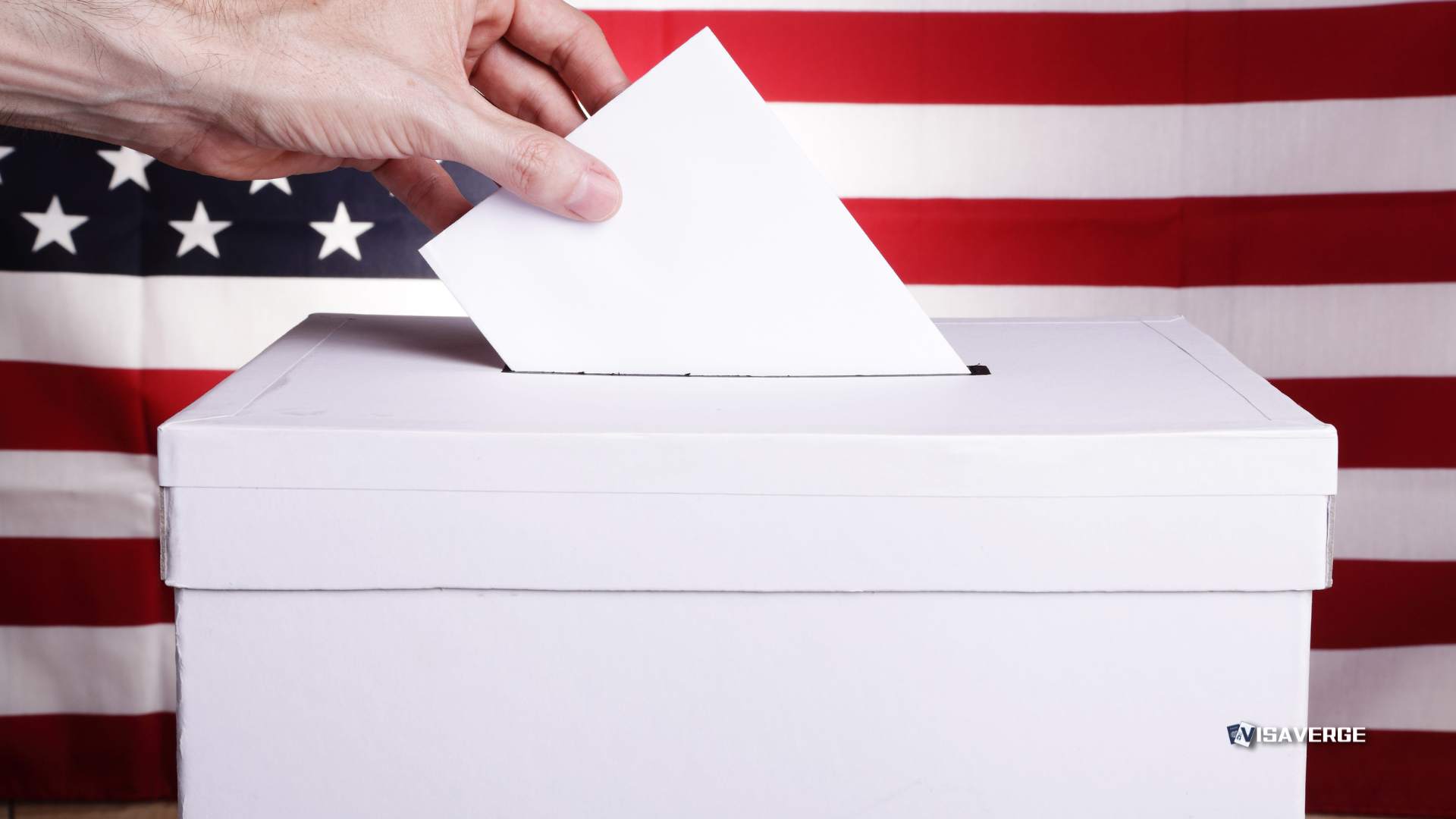
Supporters frame the bill as a uniform national standard for citizenship checks and voter ID. Critics say it could make registration and voting harder for eligible U.S. citizens who lack ready paperwork or whose records do not match across agencies.
The debate arrives as DHS and U.S. Citizenship and Immigration Services push technical and policy changes that Republicans argue would support tighter citizenship verification in elections. Those updates tie to the 2025 Executive Order 14248, “Preserving and Protecting the Integrity of American Elections,” and to the federal SAVE database that many states already use in certain eligibility checks.
USCIS spokesman Matthew Tragesser described the agency’s position in a statement dated November 3, 2025. “USCIS remains dedicated to eliminating barriers to securing the nation’s electoral process. By allowing states to efficiently verify voter eligibility, we are reinforcing the principle that America’s elections are reserved exclusively for American citizens. We encourage all federal, state, and local agencies to use the SAVE program,” Tragesser said.
Roy and other House GOP backers have centered the SAVE America Act on a requirement known as documentary proof of citizenship, often shortened to DPOC. it asks applicants to show citizenship documents when they register to vote, which is different from presenting an ordinary driver’s license or other ID that does not establish citizenship.
Under the bill, voters would have to present proof of citizenship in person at registration, and the text lists specific documents that qualify. Those include a U.S. passport, a birth certificate “with a raised seal,” a naturalization certificate, or an American Indian Card (Form KIC).
The measure also requires photo ID to vote. For voters who cast ballots by mail, the bill requires a photocopy of their ID to go with the mailed ballot, extending voter ID beyond in-person polling places.
The legislation pairs the document requirements with ongoing list maintenance. It requires states to conduct voter roll purges every 30 days to remove noncitizens, an approach that election officials and voting advocates have said can risk errors if underlying data do not match or if records lag behind real-world status changes.
Alongside the purge mandate, the bill outlines enforcement tools that reach beyond election administrators. It allows private citizens to sue election officials they believe have failed to uphold the new requirements, creating a private right of action that could shift disputes into court.
The bill also includes criminal penalties aimed at local officials who register voters without the required paperwork. Election officials could face up to five years in prison for registering an individual who fails to provide the required documentation, even if they are a citizen.
Federal officials have highlighted SAVE, short for the Systematic Alien Verification for Entitlements program, as a way to verify immigration or citizenship-related eligibility in certain contexts. DHS overhauled SAVE in late 2025 to allow states to verify citizenship using just the last four digits of a Social Security number, a method that can help route checks but does not, on its own, resolve every case without follow-up when systems return a “flag.”
DHS said over 46 million voter registration records had been run through the system by November 2025. Separate SAVE data cited in the same debate showed that out of 49.5 million registrations checked, only 0.02% were flagged as potential noncitizens, and many of those flagged were later found to be naturalized citizens.
That mismatch risk sits at the center of concerns about how tighter checks would work in practice, especially for Americans whose citizenship status changed over time. Naturalized citizens can face delays or errors when records do not update cleanly across agencies and state systems, or when data matching relies on identifiers that can vary across documents.
DHS Secretary Kristi Noem, in February 2026, coordinated with the Department of Justice to investigate potential noncitizen registrations found via the SAVE database, according to official records described in the same policy push. The administration also backed making the updates permanent fixtures of federal law, aligning executive-branch system changes with the House legislation.
House Republicans are pressing the bill in a broader negotiating fight that extends beyond election administration. The measure became a “poison pill” in talks to fund DHS, which faces a funding deadline on February 13, 2026, with House Republicans demanding its passage as a condition for DHS funding.
Senate Majority Leader Chuck Schumer has declared it “dead on arrival” in the Senate, signaling resistance that could limit the bill’s path even if the House passes it. The standoff puts election rules, immigration verification systems, and federal spending on intersecting timelines in the week ahead.
The SAVE America Act also aims to override a 2013 Supreme Court decision that previously limited states’ ability to require documentary proof of citizenship for federal elections. That history matters because election administration largely runs through state and local systems, and any national requirement would still depend on implementation details, timelines, and how states integrate federal verification checks with their own voter registration databases.
Voting rights groups and other critics argue the practical burden would fall unevenly on eligible citizens who lack immediate access to the documents the bill demands. An estimated 21.3 million Americans, or 9% of the voting-age population, lack ready access to a birth certificate or passport, a barrier that can turn a registration rule into a paperwork chase.
Name mismatches add another layer. Approximately 69 million women whose current legal names do not match the names on their birth certificates, due to marriage or divorce, would face hurdles that could require additional documentation such as marriage licenses to bridge records between citizenship documents, registration files, and identity checks.
The proposal also has implications for immigrants and mixed-status families in how it defines eligibility and what it requires to prove it. Lawful permanent residents, often known as green card holders, are not eligible to vote in federal elections, while naturalized citizens are eligible but could face new proof-of-citizenship steps if the House GOP measure became law.
Local election offices would likely bear much of the administrative load, from checking documents at registration to handling mail ballots that include ID copies and resolving cases where SAVE checks return a flag that requires follow-up. The bill’s private right of action could add legal pressure on local officials, even as federal verification tools depend on accurate, updated records to avoid mistakenly tagging citizens as noncitizens.
Readers tracking the legislation can consult primary sources for the bill’s text, amendments, and actions on Congress.gov’s H.R. 7296 page. USCIS posts official updates and statements at its newsroom page, while election administration information and related materials are available from the House Administration Committee.
The White House collects executive-branch statements and policy announcements at the White House Briefing Room. Tragesser’s November 2025 statement, urging agencies to use the SAVE program, captured the administration’s message as House Republicans moved to put the SAVE America Act to a vote: “We encourage all federal, state, and local agencies to use the SAVE program,” he said.