- Green card holders remain exempt from travel restrictions but face increased scrutiny starting January 2026.
- Absences exceeding six months trigger questioning regarding the abandonment of U.S. permanent residency status.
- Preparation requires carrying essential documentation like valid I-551 forms and proof of domestic ties.
(UNITED STATES)
Green card returns under Presidential Proclamation 10998
Green card holders are exempt from the expanded travel ban in Presidential Proclamation 10998, but reentry is not automatic when you land and meet CBP officers. The proclamation takes effect January 1, 2026, and it has already shaped how ports of entry screen travelers tied to countries covered by the full or partial bans.
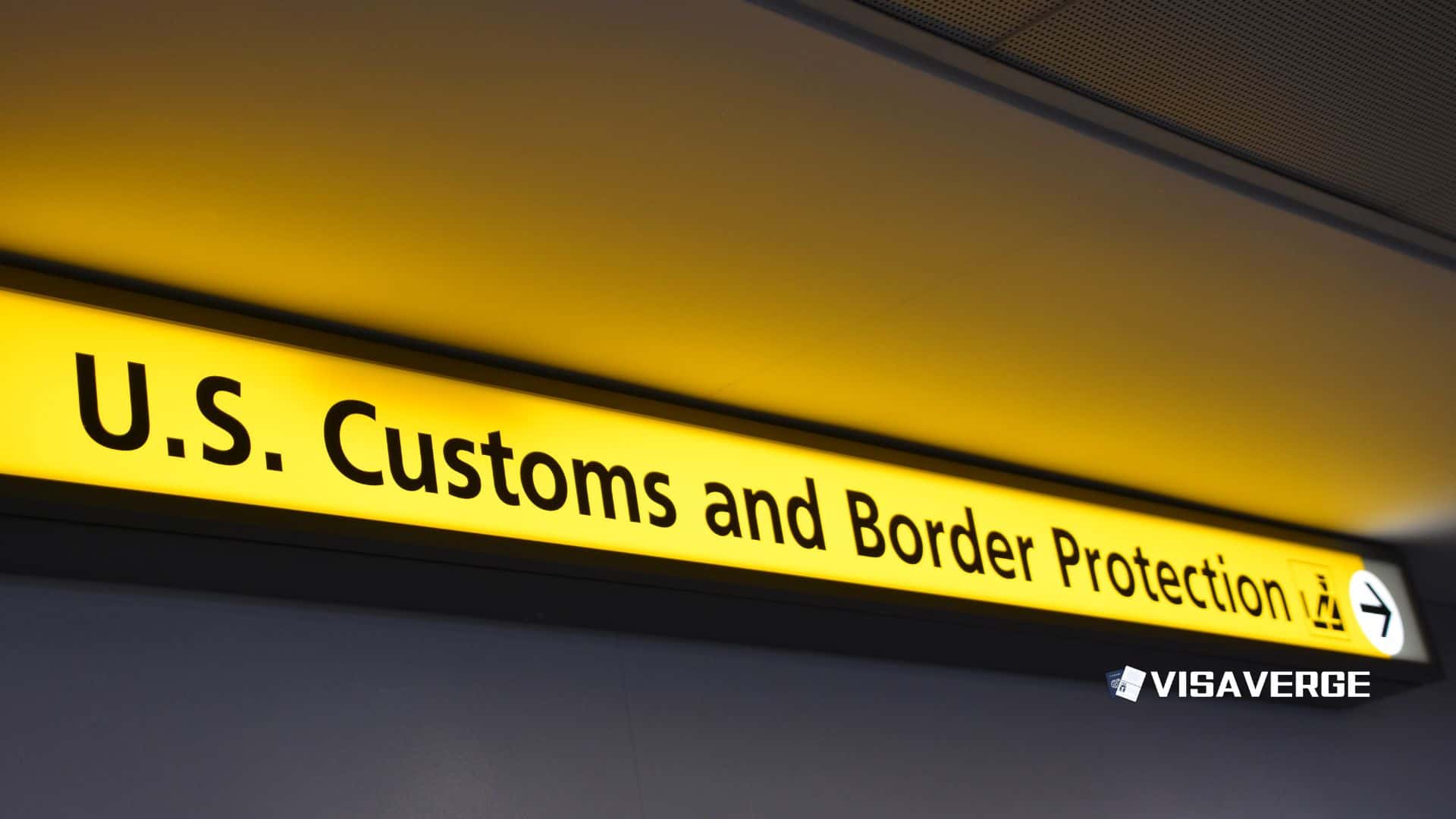
For lawful permanent residents, “exempt” means the proclamation does not cancel the green card, yet officers still run the usual admissibility checks and can ask hard questions about your life in the United States 🇺🇸. That inspection happens at primary, or in secondary inspection if the officer needs more time, more documents, or a supervisor review.
Most returning residents are admitted, but the friction is real: waits, detailed questioning, and a look at travel history and identity records. This guide walks through the journey from trip planning to inspection, with the three risk buckets that drive outcomes: time abroad, paperwork, and prior issues that expand CBP discretion.
Exemption also differs from immunity: a green card holder can still face a referral for further action if officers believe the status was abandoned or if another ground of inadmissibility applies. Think of Proclamation 10998 as a filter that raises suspicion for some travel patterns, not as a rule that bars all entry. Knowing what officers look for lets you prepare, answer clearly, and keep your inspection focused on facts rather than stress. Preparation starts before departure.
Why scrutiny rises, and when denial happens
CBP officers often increase questioning when a traveler’s recent residence, nationality, or connections match countries covered by the proclamation’s full or partial bans. Reports from affected travelers mention Afghanistan, Iran, Somalia, Yemen, Syria, and Haiti, among others, as profiles that draw more screening even for green card holders.
Screening also rises after long trips, because the law expects lawful permanent residents to live mainly in the United States 🇺🇸, not treat the card as a long-term visitor pass. A single absence of more than six months can trigger a presumption of abandonment, meaning you must show you kept your U.S. home base.
Patterns matter too, and travel history databases can show, in seconds, whether you have spent more time abroad than in the country. Denials of reentry remain rare for permanent residents, yet they happen through three routes: a finding of abandonment, a charge of inadmissibility, or identity and paperwork problems.
Inadmissibility can involve past removal orders, misrepresentation, criminal records, outstanding warrants, or prior immigration violations that the officer sees as unresolved. Pending filings can add tension, especially if your story at the airport conflicts with what you told USCIS in an application or interview request.
One widely reported example is Mahmoud Khalil, a Syrian-born Columbia student and green card holder detained under a national-security law; a federal judge ruled against detention on foreign-policy grounds and the case continues. VisaVerge.com reports that extra screening often shows up as secondary inspection delays after landing.
Time abroad, continuous residence, and reentry permits
Time outside the United States 🇺🇸 shapes both your reentry experience and your long-term path to citizenship, because “continuous residence” looks at whether your life stays centered in the country. The six-month mark is not an automatic loss of status, but it is a practical trigger for deeper questions and more requests for proof.
Officers focus on intent: did you leave for a temporary reason, or did you move your normal home abroad. Helpful facts include a U.S. lease or mortgage, a job you returned to, school enrollment, close family living in the U.S., and tax filing as a resident.
Absences that reach one year create a different problem, because the green card is treated as no longer valid for reentry unless you planned ahead. Planning ahead usually means applying for a reentry permit using `Form I-131` while you are still in the United States 🇺🇸 and before you depart.
A reentry permit supports your claim that the trip is temporary, yet it does not erase criminal issues, misrepresentation problems, or other grounds of inadmissibility. Repeated long stays abroad can still draw questions even with a permit, because the pattern can look like you really live elsewhere.
If your trip was driven by illness, a family death, or an urgent work assignment, bring records that match those facts and keep them consistent with past travel. When officers see clear ties and a believable timeline, inspection often stays short, even in tense periods today.
A travel-to-return checklist before departure and at inspection
Start planning early if you expect extra scrutiny under Presidential Proclamation 10998, because the best protection is a simple, consistent story backed by documents. Before you buy tickets, check how long you will be away, and decide whether your trip risks crossing the six-month or one-year lines.
If you may be gone for a year or more, file a reentry permit request while in the United States 🇺🇸 and finish biometrics before you leave. Conditional residents should pay close attention to timing when an `Form I-751` petition to remove conditions is pending, because you still need proof that your status remains valid. Carry the I-751 receipt and any extension notice, and keep copies in a secure online account for backup.
At the airport, primary inspection usually lasts minutes, but secondary inspection can last hours, especially when officers verify travel history or review a prior record. In secondary, expect questions about where you live, where you work, why you traveled, how long you stayed, and what you plan to do next week.
Answer directly, avoid jokes, and do not guess; if you don’t remember an exact date, anchor the timeline to documents you can show. Consider a legal review before travel if you have arrests, past immigration violations, or close ties to a listed country, because small inconsistencies can grow under pressure.
For a plain-language overview of inspection, see CBP’s official guide, What to Expect When You Enter the United States, before you fly.
Document pack that helps CBP officers decide faster
Documents do two jobs at the border: they confirm identity and status, and they show you kept your main life in the United States 🇺🇸 while abroad. Bring only what supports those points, and organize it so an officer can scan it quickly in a crowded inspection area.
The required items are your valid green card (`Form I-551`) and any USCIS receipt notices that show an extension or a pending case. The recommended supporting papers focus on U.S. ties, such as lease agreements, job letters, bank statements, tax records, and medical or death certificates that explain the trip.
If you carry many pages, create a one-page index listing each item and the date range it covers, and place documents behind tabs. Use clear labels like “home,” “work,” and “taxes,” and avoid handing over your entire financial life when two or three statements make the point.
If the officer asks for your phone, stay calm and follow instructions, but keep your explanations consistent with the documents you chose to carry. Even a perfect folder does not remove discretion, yet it often shortens secondary inspection because it answers the basic question: where is your real home.
Keep digital copies in secure storage, and leave a copy of your itinerary and document index with a trusted person in case you are delayed overnight. When questioned, offer documents one category at a time, so CBP officers can match your answers to the record they see screen.
Delays, boarding problems, and pressure to give up status
A secondary inspection delay is the most common outcome for green card holders caught in this climate, and it often feels worse than it is. Officers may take your passport and green card, run database checks, and ask you to wait while they verify dates, addresses, and prior entries.
If you have work the next day, message your employer early, because phones may be limited and you might not know the release time. Airlines can also cause trouble before you fly, especially after long travel, when a gate agent doubts whether a green card is enough for boarding.
Show the valid card, the extension receipt if you have one, and supporting proof of your continuing residence, and ask the carrier to consult its immigration help desk. For travelers with ties to ban-listed countries, questioning may start with where you last lived, which passport you used, and why you traveled there so often.
If you have an arrest history, even without a conviction, bring certified court dispositions, because missing paperwork can stretch a short stop into an all-day hold. If an officer pressures you to sign papers to abandon your green card, ask to speak with a supervisor and request copies of anything you sign or are offered.
Stay polite, keep answers factual, and contact an immigration lawyer as soon as you can, especially if you are detained or told you are being placed in removal proceedings at the airport station.