Understanding the Form DS-260 for Immigrant Visa Applications
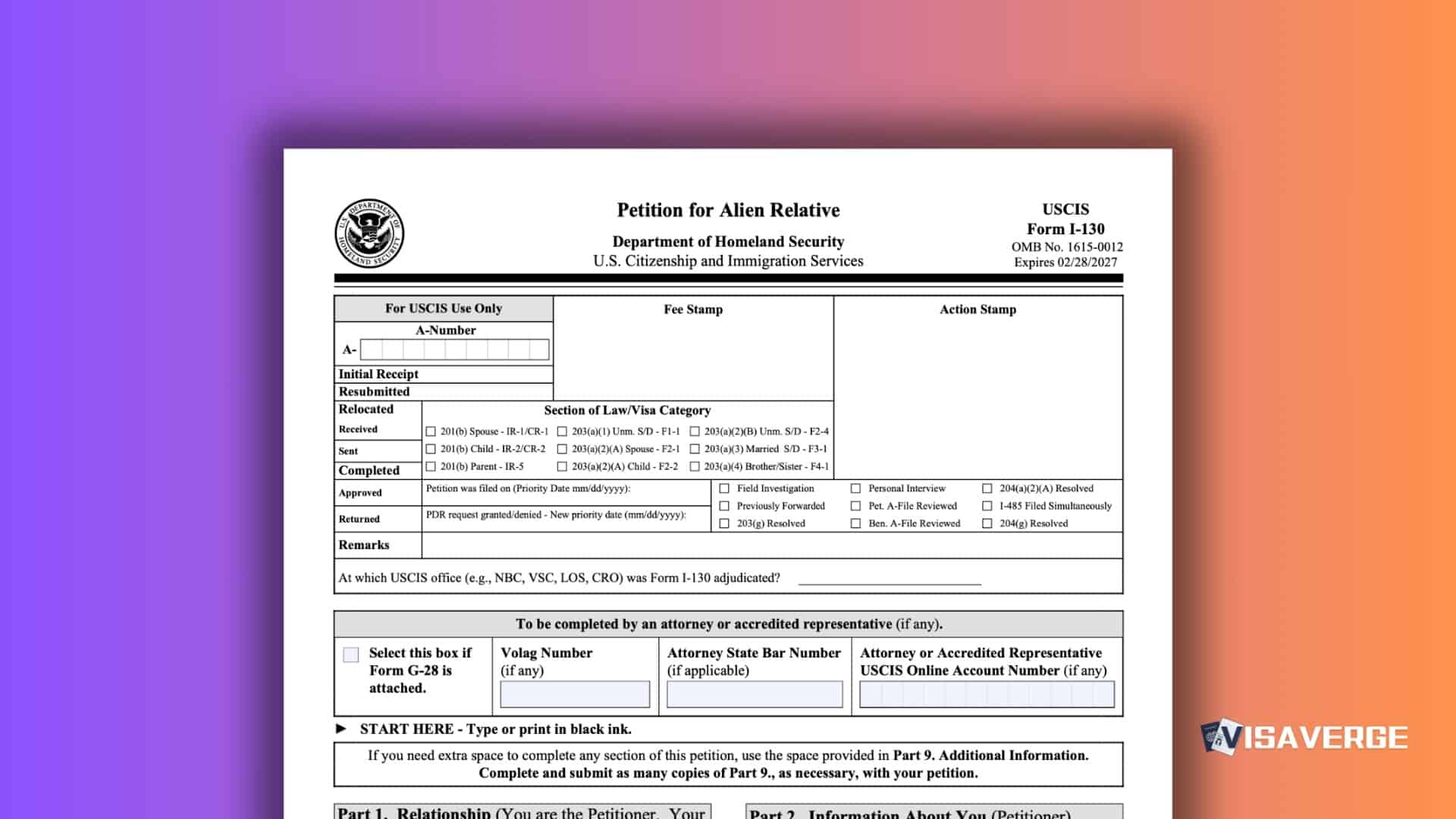
The path to obtaining a green card and making a home in the United States often begins with filling out government paperwork that might feel complex and overwhelming. One crucial step in this journey is completing the Form DS-260, also known as the Immigrant Visa and Alien Registration Application. This form is a key component of the Green card application process, especially for those applying from outside the United States.
What Is Form DS-260?
If you’re a foreign national seeking a family-based green card from abroad, you’re required to submit Form DS-260 through the Consular Electronic Application Center (CEAC). It’s a comprehensive form that collects biographical information and is critical for the National Visa Center processing of your application.
The Role of the National Visa Center (NVC) in Green Card Processing
The National Visa Center, or NVC, acts as a bridge between U.S. Citizenship and Immigration Services (USCIS) and the U.S. consulate where you’ll eventually be interviewed. Once your I-130 petition is approved by USCIS, the NVC steps in to handle the paperwork and coordinate communication between all parties involved in your immigration case.
First Steps: Filing Form DS-261
Before you can dive into the DS-260, you’ll need to complete Form DS-261: Online Choice of Address and Agent. This form allows you to designate who will receive communications from the Department of State during the application process. Once the NVC processes your DS-261, you can then pay the necessary fees and progress to filling out the DS-260.
Stepping Through the DS-260 Application
The DS-260 form is extensive and includes questions about:
- Your biographical details
- Social media profiles
- Previous U.S. travel
- Medical, work, and education history
- Family information
- Any legal issues that might impact admissibility to the U.S.
One essential tip for success:
“You can’t move on in the Consular Electronic Application Center system if you leave any important information blank. Be sure to answer every question and save your work frequently to prevent data loss.”
Required Supporting Documents
When submitting Form DS-260, you’ll need to provide a variety of supporting documents, including but not limited to:
- Proof of nationality
- Marriage certificates and divorce or death certificates for previous marriages
- Military records (if applicable)
- Police clearance letters for any past infractions
After Filing: What’s Next?
Once Form DS-260 is submitted and the National Visa Center has processed your application, they will schedule an interview at your local U.S. embassy or consulate. Before the interview, it’s necessary to:
- Complete a medical exam
- Gather and bring all required documents to the interview, including translations if needed
Following a successful interview, the consulate will issue your visa, allowing you entry into the United States.
Tracking Your Form DS-260 Status
Applicants can monitor their application progress with the National Visa Center through the CEAC Status Tracker by entering their case number. For further details on your status, you can contact the NVC directly by phone.
Final Thoughts
Completing the DS-260 is a crucial step in the green card application process. It requires attentiveness to detail and patience as the National Visa Center processes your application.
The process might seem daunting, but by breaking it down step by step, you can navigate your way through and toward your goal of residing in the United States. Remember, always provide accurate information, respond promptly to requests from the NVC, and prepare thoroughly for your interview. For further assistance or clarification, refer to the official U.S. Department of State website for immigration and visa matters.
So there you have it, the lowdown on Form DS-260 and the green card application process! It may seem like a tangled web of paperwork, but fear not, my fellow tech enthusiasts. Just remember to fill out every nook and cranny of the DS-260, gather those supporting documents, and rock that interview at the embassy. And if you’re hungry for more juicy immigration details, head on over to visaverge.com. Happy exploring, my friends! ???
This Article in a Nutshell:
The Form DS-260 is crucial for obtaining a green card. After filing the DS-261 and paying fees, the DS-260 collects biographical information and requires supporting documents. Following submission, the National Visa Center schedules an interview at a local embassy or consulate, and after a successful interview, a visa is issued.