- A multi-country immigrant visa processing pause begins on January 21, 2026, creating significant uncertainty.
- Frustrated families are choosing voluntary self-deportation after waiting over a decade for lawful status.
- Federal courts issued a temporary restraining order to block termination of the Family Reunification Parole program.
(UNITED STATES) — New federal actions announced in mid-January 2026, including an immigrant visa processing pause set to begin January 21, are reshaping risk calculations for families stuck in years-long Green Card backlogs—even when they have followed the rules and kept lawful status.
The most visible flashpoint arrived Friday, Jan. 16, 2026, when widely shared accounts described a lawfully present family choosing to “self-deport” after roughly 11 years in the U.S. immigration system.
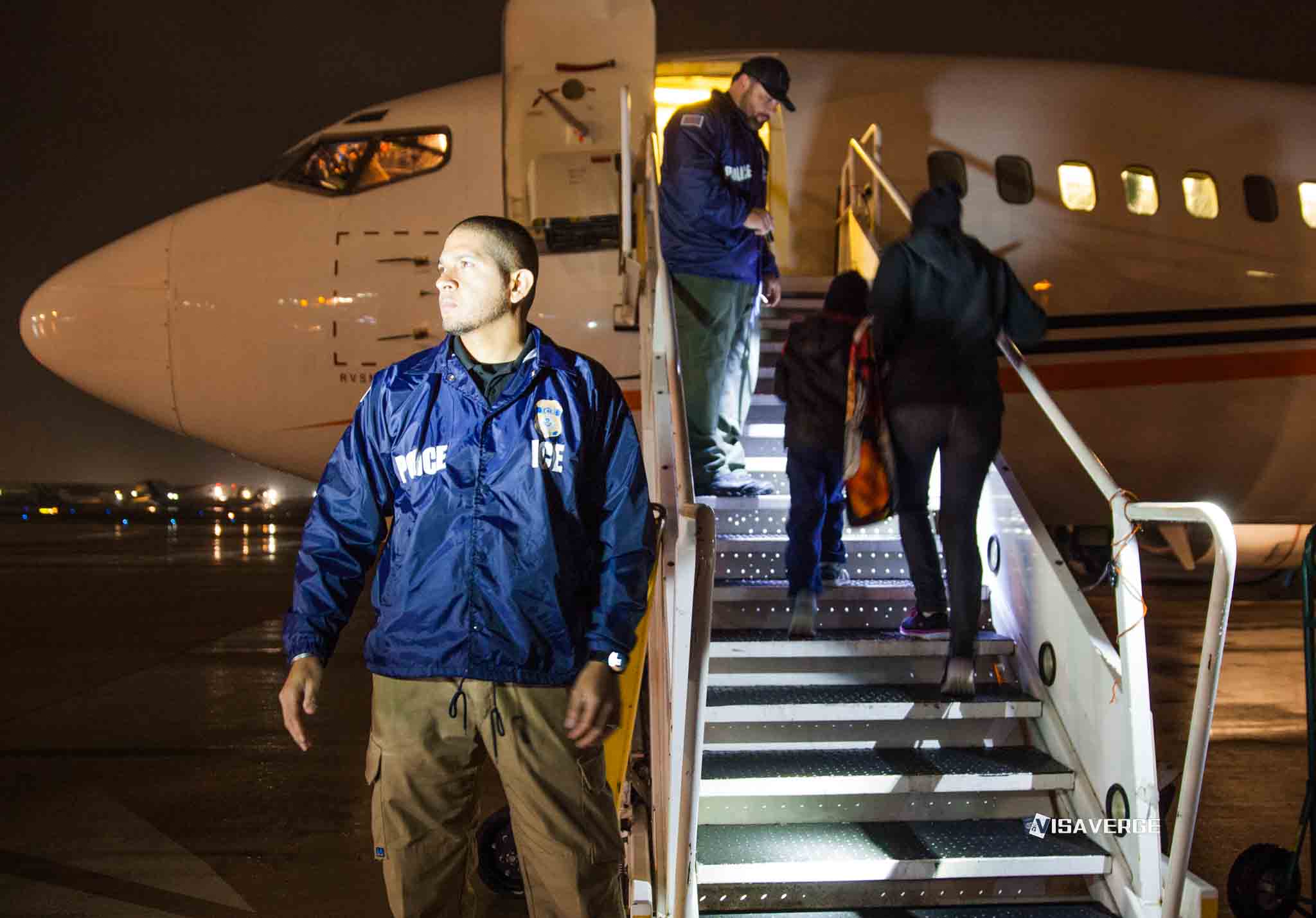
While the government has not addressed that specific case, the timing coincides with several official statements and operational shifts that can slow processing, increase scrutiny, and intensify uncertainty for applicants inside and outside the United States.
1) Case summary: a long-pending Green Card leads to voluntary exit
According to the family’s public account, their path began with asylum and later moved to adjustment of status through Form I-485 under INA § 245. They reported waiting about 8.5 years for asylum approval, then close to another year on the I-485.
They said their interview went well, yet the case remained “pending” for months afterward.
In USCIS practice, “pending after interview” can occur for reasons that are not always explained in detail. Common causes include delayed background or security checks, file transfer issues, supervisory review, or requests to reconcile inconsistencies across records.
Under 8 C.F.R. § 245.2, USCIS retains discretion to continue or delay adjudication while required checks are completed.
The family also described high personal and economic stakes. They said they built businesses, employed U.S. workers, and paid substantial taxes.
Yet prolonged limbo can still restrict planning, expansion, and travel. Even with advance parole, some applicants avoid travel due to re-entry risk and shifting policy signals.
The phrase “self-deport” is not a formal legal status. Here, it describes a voluntary departure influenced by uncertainty, stress, and fear of future enforcement complications.
It should not be treated as a default solution for pending applicants.
2) Official policy statements and timeline (January 2026)
Several mid-January federal actions are driving anxiety for families awaiting permanent residence.
- Department of State: On Jan. 14, 2026, DOS announced an indefinite pause on immigrant visa processing for certain countries, effective Jan. 21, 2026, according to public reporting of an official statement. If implemented as described, the immediate effect would likely be delays in family-based and employment-based immigrant visas processed at consulates.
- Department of Homeland Security messaging: DHS leadership has emphasized “self-deportation” messaging tied to the CBP Home app (formerly CBP One), framed as a way to depart without arrest. Messaging can influence behavior even when eligibility for benefits has not changed.
- USCIS operational posture: USCIS announced an anti-fraud review initiative re-examining certain previously approved cases. Even when targeted programs differ, families often fear spillover scrutiny into routine I-485 adjudications.
- DHS interim final rule: On Jan. 16, 2026, DHS published an interim final rule focused on religious worker continuity (Federal Register). Rules like this can relieve pressure in one category, while leaving broader backlogs intact.
A key practical point is separating policy (binding rules), operations (processing instructions), and messaging (public statements).
Families should verify changes on official sites such as USCIS and DOS rather than relying on social media summaries.
Deadline Watch: If the DOS immigrant visa pause applies to your case, Jan. 21, 2026 may affect interview scheduling and visa issuance timing at consular posts. Confirm updates through DOS and your post’s instructions.
3) Backlog, policies, and context
Backlogs operate like queues. In consular processing, cases can be “documentarily qualified” yet still wait for a visa number or an interview slot.
In adjustment of status, an applicant may have a current priority date but still face long post-interview delays.
Per-country limits and category caps drive unequal waits, especially for high-demand countries. These caps can affect both family and employment pathways.
A multi-country visa pause can also disrupt family unity indirectly, when principal applicants cannot immigrate and derivatives cannot follow.
Government “self-deportation” narratives can add pressure, but readers should verify what is being offered and the eligibility criteria. Voluntary departure differs from a formal removal order.
A removal order can trigger bars to return under INA § 212(a)(9).
The administration also faces judicial checks. On Jan. 10, 2026, a federal court reportedly issued a Temporary Restraining Order (TRO) blocking termination of the Family Reunification Parole (FRP) program.
A TRO is short-term emergency relief. It preserves the status quo while litigation proceeds.
Families tied to FRP should monitor court developments closely, because outcomes can shift quickly.
Warning: Leaving the U.S. with a pending Form I-485 can have major consequences, including possible abandonment of the application, unless a narrow exception applies. Get individualized legal advice before departing.
4) Significance, impact, and public dialogue
This story resonates because it spotlights “legal self-deportation” as a social phenomenon: people with lawful presence concluding that waiting is no longer tolerable.
For employers and family businesses, long adjudications complicate hiring, compliance, renewals, and cash-flow planning. For families, uncertainty can shape health decisions, schooling, and caregiving for relatives abroad.
At the same time, anti-fraud initiatives are not inherently unlawful. Agencies have authority to investigate fraud and security issues.
The legal concern is transparency and timeliness when checks extend for months or years without clear communication.
Readers reacting to enforcement-heavy messaging should be cautious about overgeneralizing. Outcomes vary by circuit, posture, and facts.
5) Data points, definitions, and sources
Asylum approval (INA § 208): Protection granted to qualifying applicants, often allowing later adjustment to permanent residence if statutory requirements are met.
Form I-485: Application to adjust status to lawful permanent resident in the U.S. (INA § 245).
Adjustment vs. consular processing: Adjustment occurs inside the U.S. with USCIS. Consular processing occurs abroad with DOS.
Background checks: Identity, security, and records vetting that can delay adjudication.
Visa backlog: The accumulated queue of applicants waiting for visa numbers or interviews.
Per-country caps: Statutory limits that can lengthen waits for high-demand countries.
TRO: A short-term court order temporarily blocking government action.
FRP: Family Reunification Parole, a discretionary parole pathway for certain beneficiaries.
The family’s reported timeline reflects a long arc from asylum adjudication to I-485 pendency, with months of post-interview delay.
Readers should compare their own milestones without assuming identical outcomes, because background histories and eligibility details differ.
Action Plan (Next 30–60 days): If you have a pending Green Card case, confirm your address updates with USCIS, monitor official agency releases, and consult counsel about travel, expedite options, and whether a case inquiry or litigation strategy is appropriate.
Official resources (government)
⚖️ Legal Disclaimer: This article provides general information about immigration law and is not legal advice. Immigration cases are highly fact-specific, and laws vary by jurisdiction.
Consult a qualified immigration attorney for advice about your specific situation.