- The Dutch government approved commercial flights at Lelystad Airport starting in 2027 to relieve Schiphol.
- The airport will handle 10,000 annual leisure flights focusing on short-haul European holiday destinations.
- Operations include a strict night flight ban between 11:00 p.m. and 6:00 a.m. to minimize noise.
Lelystad Airport is officially on track to start handling passenger flights in 2027, giving travelers a second Amsterdam-area option for European leisure trips. The Dutch government signed off on the shift toward commercial aviation on Jan. 30, 2026, and airlines now have a clearer runway to plan new schedules outside slot-constrained Amsterdam Schiphol. If you routinely fly short-haul in Europe, this could mean more seasonal routes, more low-cost capacity, and a different airport choice that affects transfers and ground transport.
TL;DR: The Dutch government approved Lelystad Airport’s shift to commercial aviation on Jan. 30, 2026, with a 2027 start and up to 10,000 annual leisure flights to relieve Schiphol.

Overview of the Lelystad Airport transition
The approval authorizes Lelystad Airport to move from a long-delayed plan into an operational path toward scheduled passenger service. In practice, Lelystad is being positioned as a secondary hub for the Amsterdam region. That usually means point-to-point flying, heavier leisure demand, and fewer network-style connections.
The immediate “why now” is Schiphol’s capacity pressure. The Dutch government is trying to redistribute some demand, rather than letting the region’s growth be capped solely by Schiphol’s slot limits.
Official approval details and coalition context
The decision was embedded in the new coalition agreement, “Aan de slag” (“Getting to Work”), which lays out the Netherlands’ aviation strategy for 2026–2030. The governing coalition cited in the agreement includes VVD, NSC, and BBB.
The policy goal is straightforward: treat the region as a single airport system, then route suitable traffic to the airport that can handle it. For travelers, “integrated system” language often translates into more deliberate sorting. Think leisure flying at Lelystad, and higher-yield business and long-haul staying concentrated at Schiphol.
Next steps matter for timing. Even with political approval, opening an airport to commercial service typically requires operational readiness work. That includes planning, staffing, airline contracting, and ongoing community involvement tied to noise and environmental rules.
Operational scope and capacity targets
Lelystad’s proposed scale is capped at 10,000 commercial flights per year. That works out to roughly 14 flights per day on average, though real schedules will likely bunch around weekends and summer peaks.
The airport’s target market is short-haul leisure and holiday traffic. Expect routes that look like Mediterranean sun destinations, city breaks, and peak-season services. Do not expect Lelystad to mimic Schiphol’s long-haul connectivity.
Lelystad is also planned as a dual-use facility, hosting civilian flying alongside military operations, including F-35 activity. Dual-use airports can be reliable, but they can also face occasional airspace constraints. That can affect departure spacing and recovery during irregular operations.
Infrastructure and facilities
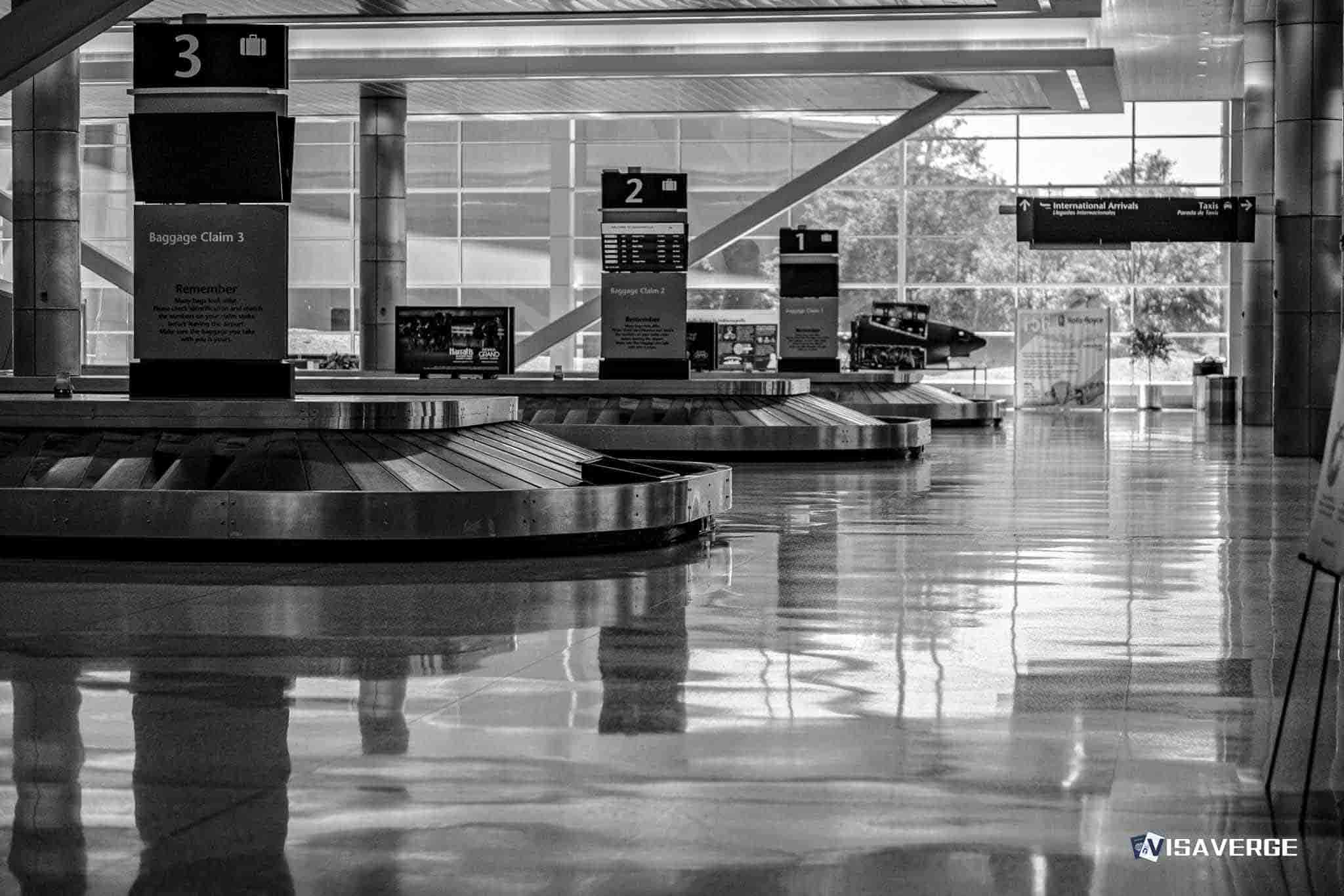
Lelystad’s new passenger terminal is nearing completion at 12,000 square meters. The space is allocated across waiting areas, retail and dining, and baggage handling. That footprint signals a designed-throughput airport, not a mega-hub.
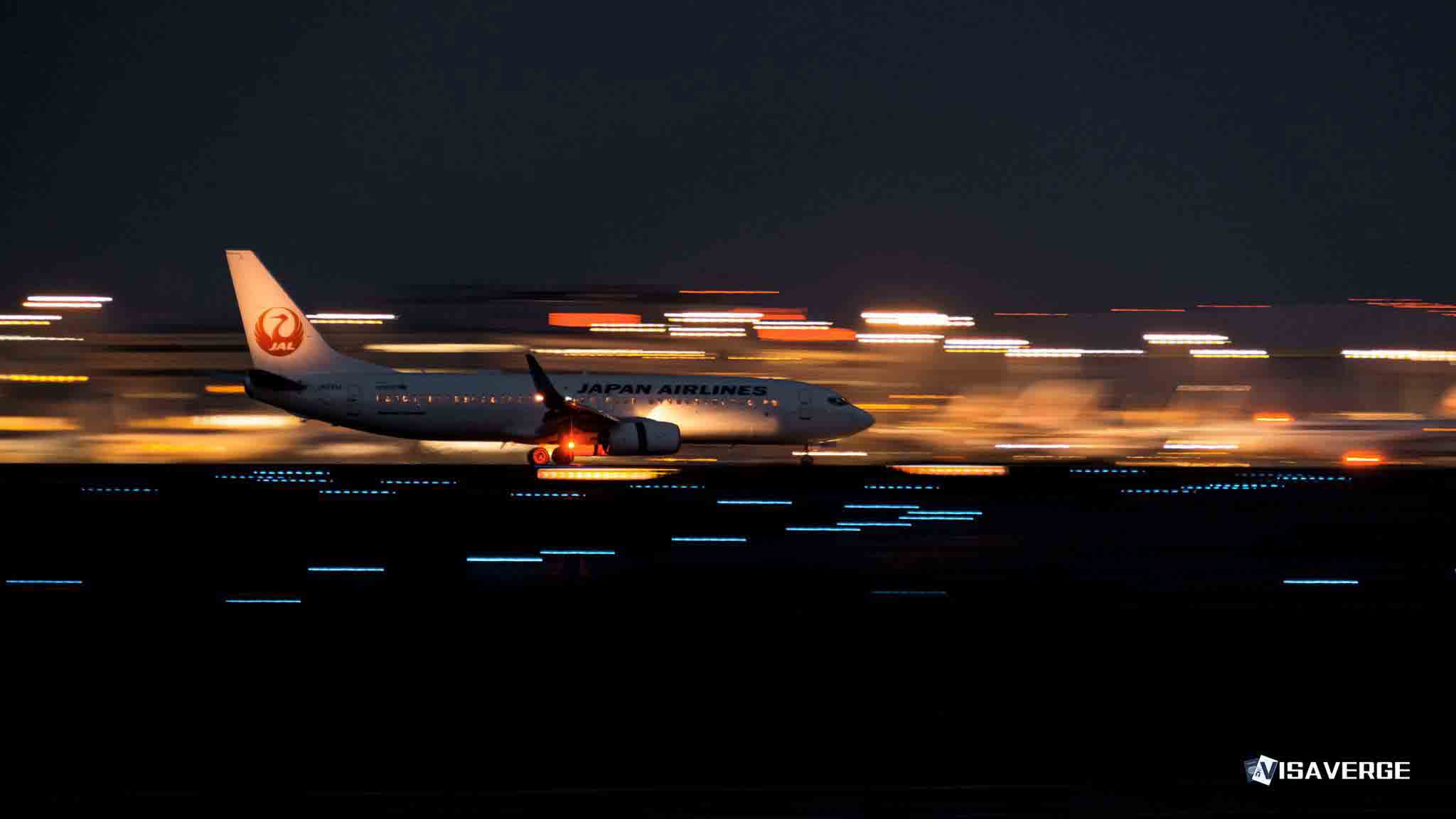
The runway has been extended and widened to 3,300 meters. That supports large narrow-body aircraft such as the Airbus A320 family and Boeing 737 variants. For travelers, that points to the planes you already see on most intra-Europe routes.
Early on, the “missing pieces” may be on the landside. Secondary airports often start with fewer amenities, fewer lounges, and less redundancy in transport options. Plan for simpler food choices and fewer last-minute rebooking desks than Schiphol.
Operational constraints and scheduling
Lelystad will have a strict operating window: 6:00 a.m. to 11:00 p.m. Night flights are prohibited, and dedicated cargo operations are banned.
That matters when delays pile up. Airports with no late-night recovery window have fewer options to “catch up” after weather or air traffic control disruptions. The practical result is more next-day re-accommodation risk for late departures.
It also affects same-day returns. If you’re planning an evening out-and-back, you’ll want a bigger buffer. A late inbound can quickly become an overnight.
Heads Up: If you book the last flight of the day from Lelystad, have a backup plan for a hotel and ground transport.
Schiphol relief and regional impact
Schiphol’s annual cap has already tightened, with the 2025–26 season reduced from 500,000 flights to 478,000. Lelystad is being pitched as a release valve, mainly for leisure flying that does not need Schiphol’s connection banks.
Here’s the key comparison for travelers:
| Topic | Amsterdam Schiphol (AMS) | Lelystad Airport (LEY) |
|---|---|---|
| Primary role | Main hub with long-haul and connections | Secondary airport focused on leisure short-haul |
| Capacity context | Flight cap reduced for 2025–26 | Up to 10,000 flights per year planned |
| Schedule recovery | More options late into the night | No night operations |
| Typical experience | More amenities and services | Likely fewer amenities early on |
For transfers, the big watch-out is airport switching. If you land at one airport and depart from the other, you’re doing a self-transfer across the region. That adds ground time, ticket risk, and baggage complexity.
For Schengen documentation, most Lelystad flying is expected to be within Europe. If you’re connecting from a non-Schengen origin, you’ll still need to follow the Schengen entry process at your first point of entry.
Official statements and quotes
Lelystad Airport CEO Jan Eerkens framed the Jan. 30 approval as a “starting signal” to open “as quickly as possible,” while emphasizing legal requirements and continued neighbor involvement. That signals community and environmental conditions will remain central to how the airport grows.
Royal Schiphol Group CEO Pieter van Oord described aviation as a “single coherent system,” hinting that route allocation across airports will be intentional, not accidental.
ACI EUROPE Director General Olivier Jankovec emphasized demand and competitiveness, a familiar theme in Europe’s airport capacity debates. For travelers, that usually correlates with more seats in peak months, plus more price competition on leisure routes.
U.S. government context and preclearance considerations
There is currently no U.S. CBP preclearance at Lelystad. If preclearance ever arrived, it would move U.S. immigration inspection to the Netherlands before departure. That can shorten arrival processing in the U.S.
Near term, Lelystad is not being set up for transatlantic flying. Its focus is intra-Europe short-haul, which is why U.S.-agency involvement is not a practical factor today.
If your trip involves switching airports or crossing borders mid-itinerary, treat documentation like a “first principles” checklist. Know where you enter Schengen, where you exit, and which airport is responsible for each step.
Significance and impact
For travelers, the upside is more choice around Amsterdam. More leisure capacity can push fares down on certain city pairs, especially in summer. The trade-off is that secondary airports can be less forgiving during disruptions, with fewer rebooking options and tighter operating windows.
Regionally, Flevoland is pitching jobs and connectivity gains, but connectivity alone does not guarantee convenient schedules or year-round routes. Growth will be shaped by environmental rules and community constraints, which can limit how fast the airport scales.
Official sources and references
- Lelystad Airport newsroom
- Dutch Ministry of Infrastructure and Water Management
- ACI EUROPE press release page (statement dated Jan. 30, 2026)
If you’re booking Netherlands flights for 2027, double-check the airport code before you buy. Then price out ground transport to both AMS and Lelystad, since the cheaper ticket can cost more once you add the transfer.