Key Takeaways
• Canada invested $1.3M in 2025 toward pilot training and aircraft parts manufacturing, addressing a growing skilled pilot shortage.
• New March 2025 rules now allow private and pension fund investments in Canadian airport upgrades via subleases and service outsourcing.
• Canada invested $11.3M in green aviation tech, funding Pratt & Whitney Canada’s development of cleaner, more efficient airplane engines.
Canada is taking bold steps to build up its aviation sector, recognizing how important it is for the country’s economic health and its connection to the rest of the world. The government, along with private companies and big investment funds, is now working together to make flying safer, more affordable, and better for people and the planet. In this article, we’ll explain what’s happening, why it matters, and what it could mean for pilots, travelers, airports, and the wider economy.
Why Canada’s Aviation Sector Matters
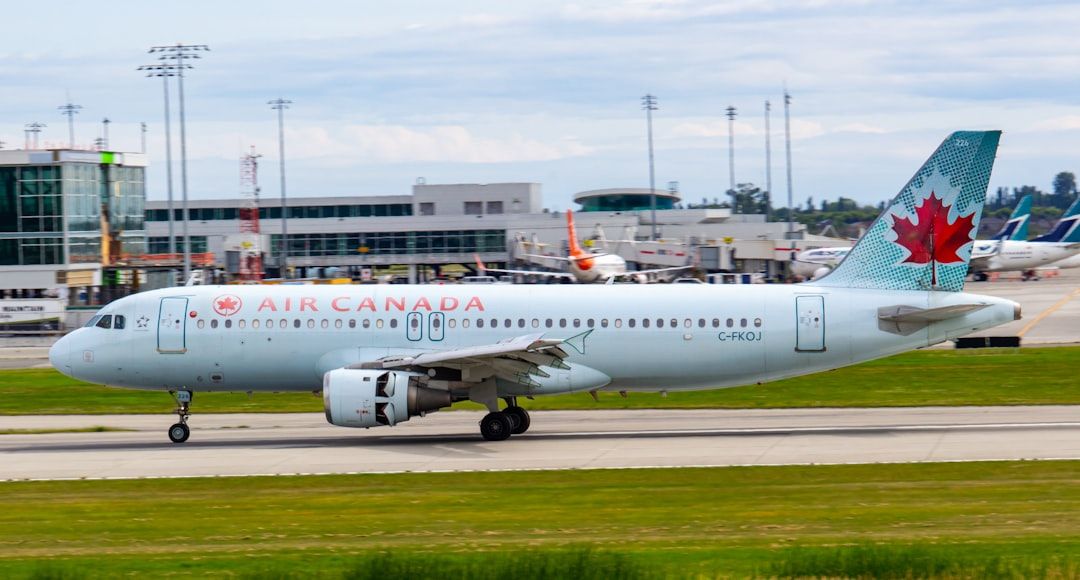
Canada 🇨🇦 is a very large country, with cities that are far apart and many towns that can only be reached by air. Air travel isn’t just a convenience here—it’s a lifeline, especially for people living in remote places. The aviation sector links communities, supports tourism, helps move goods, and creates many jobs.
Because of this, having strong airports and enough well-trained pilots is not only about business or comfort—it’s also about making sure families, workers, and companies can stay connected. With more people wanting to travel and more goods needing to be shipped by air, Canada’s aviation sector faces pressure to grow and modernize.
Recent Moves by the Government
Realizing that the sector can’t grow without help, the Canadian government has recently put new money into key projects.
- In February 2025, Canada shared that it will spend $1.3 million to help with pilot training and to support local companies that build airplane parts. This isn’t just about giving money—it’s about giving people the skills they need to fly planes and keep airports running safely.
- The main places benefiting from these training programs include the Regina Flying Club and Saskatchewan Polytechnic. There’s also investment in Miccar Aerial Ltd, a company focused on building parts for planes. All of these efforts together help fix the shortage of trained pilots—which has been getting worse every year—and give people more job opportunities in aviation.
Besides helping with short-term problems, these investments look ahead to the future. By spending more on pilot training and parts production today, Canada hopes to make sure there’s a steady supply of skilled workers and quality products for many years to come.
Focusing on Cleaner Technologies
Aviation isn’t just about moving people; it also affects the environment. Airplanes use a lot of fuel, which produces emissions that can hurt air quality and add to climate change. Because of this, Canada is pushing very hard to find cleaner and more efficient ways to fly.
- In November 2024, the Canadian government invested $11.3 million from its Strategic Innovation Fund to help Pratt & Whitney Canada work on new engine designs. These engines are supposed to use less fuel and produce fewer emissions.
- The research and development done by Pratt & Whitney Canada aims to help all future planes become more efficient. This fits with Canada’s bigger plan to be a world leader in making green aviation technology. If successful, it could also help Canadian companies sell these new systems all over the world.
Opening Airports to Private Investment
For a long time, most airports in Canada were run by not-for-profit groups that had to cover costs using passenger fees and other charges. While this system worked, it struggled to keep up with the big improvements needed as the number of travelers kept rising.
Now, the government is changing the rules so airports can get money from more places, including private investments and large funds like pensions. This is a big change from the old model and is designed to help airports find the money they need faster and more easily.
- In March 2025, new rules were put in place. Airports can now make deals with private companies and even let them own parts of airport facilities through special agreements called “subleases.”
- Airports can also hire outside companies to run services like maintenance, or make new branches of their business that let others invest money directly.
- The main hope here is to add private money to the $28 billion the government says is needed just to update runways, terminals, and other important airport features.
How Airports Are Responding
Major airport operators—including GTAAs (which runs Toronto Pearson International Airport) and ADM Aéroports de Montréal—are happy about the new rules. They see private investment as a way to fix old buildings, increase capacity, and meet the needs of more travelers every year.
- Toronto Pearson’s “Pearson LIFT” project and Montreal’s “Flight Plan 2028” are both long-term plans that depend on working with new investment partners.
- These airports are trying to make flying better for everyone—shorter lines, easier connections, and less crowded terminals—by building sooner instead of waiting for limited government funds.
These changes could also help airports buy new equipment, start more pilot training programs, or offer better working conditions for people who keep the airports running.
Why All This Investment Is Happening
Several reasons are behind the push for more money and new ideas in Canada’s aviation sector:
- Soaring Demand: In 2023, over 150 million passengers went through Canadian airports. This number is expected to keep going up as more people travel for work and pleasure.
- Rising Costs: Air travel in Canada is seen as expensive, both for travelers (who face high ticket prices and fees) and for airlines (who must pay steep landing and operations charges). This makes it harder to compete with other countries.
- Lack of Market Competition: Because there aren’t as many airlines, and airports haven’t been able to grow quickly, travelers have fewer choices and often pay more.
- Environmental Goals: Canada wants to become a leader in green technology for aviation. That means supporting airports and plane manufacturers to invent greener ways to fly.
- Skilled Worker Shortage: With more people flying, the country urgently needs more pilots, air traffic controllers, and workers who maintain aircraft. The government’s investment in pilot training responds to this real, growing need.
What Could Change
If all goes well, these new investments—from both government and private sources—are expected to bring several benefits:
- Modern Airports: More money means airports can fix old problems and build for the future. Travelers might see newer terminals, faster security, and more pleasant waiting areas.
- Higher Capacity: This means less crowding, fewer delays, and an easier experience for both passengers and airlines.
- Green Tech: Cleaner engines and better equipment could make flying less polluting and help Canada meet its environmental targets.
- More Trained Workers: With better pilot training programs and new money for jobs in the aviation sector, there should be more skilled people available.
- Competitive Prices: If airports and airlines can expand and improve, there might be more options. This could put pressure on prices and fees, hopefully making air travel less costly for people in Canada 🇨🇦.
Challenges and Careful Planning
Not everyone agrees on how to pay for airport improvements. Some worry that if more private investors get involved, fees could go higher and companies might put profit before service. Policymakers are paying close attention to these concerns and want to strike a balance—getting the money needed for upgrades without hurting the people who use airports the most.
There’s also talk about how privatization could affect the way airports are run. While private money can help get things built faster, it’s important to make sure that safety, worker conditions, and customer experience don’t take a back seat.
What It Means for Pilot Training
Pilot training is a big part of the government’s plan. With so many older pilots retiring and lots more flights planned, there’s a serious shortage of people able to fly planes in Canada 🇨🇦. By putting money into programs at places like the Regina Flying Club and Saskatchewan Polytechnic, Canada hopes to:
- Train more people from all backgrounds to become pilots
- Make pilot training more widely available and affordable
- Cut down long wait times for people to get their licenses
- Help the aviation sector grow by having enough people to meet demand
When the government supports pilot training this way, it doesn’t just help aspiring pilots—it helps every traveler, cargo shipper, and business that relies on aviation.
International Cooperation and Open Skies
Canada’s efforts also fit into a larger global trend. More countries are competing to become leaders in aviation and want to attract international travelers and airlines. By modernizing its sector and pushing for sustainability, Canada can strengthen its partnerships and stand out on the world stage.
According to VisaVerge.com, these steps could open doors for more people to come to Canada 🇨🇦 for pilot training, work at airports, or help develop new green technology. This is important not only for Canadians but also for people looking to move to Canada 🇨🇦 for education or work in the aviation sector.
The Role of Institutional Investors
Big funds like pension plans are now a focal point in Canada’s new approach. These funds manage a lot of money for workers’ retirements. By allowing them to invest in airports and related projects, Canada taps into a steady source of funding that can pay for large, long-lasting updates.
- Projects get built quicker because the money is available up front.
- Investors get stable returns, which supports Canadian workers in other ways.
- Airports don’t need to rely just on ticket fees or government grants—they can mix these funding sources for more flexibility.
Transparency, Policy, and Public Input
The government isn’t acting alone. Airport authorities are engaging with local communities, airlines, and union groups to make sure changes meet everyone’s needs. There are ongoing talks about how to keep airports fair for all and how to protect against price increases for passengers.
For updated information and official announcements, interested readers can visit Canada’s government site on aviation and aerospace developments.
Looking Ahead
Canada’s aviation sector is at a key point. The mix of government backing, private investment, and careful policy will help shape how people travel, how goods move, and how opportunities are created for workers and students. The focus on pilot training also means more chances for people at home and those thinking of moving to Canada 🇨🇦.
While challenges remain—especially around costs and making sure changes are fair—the outlook is positive. Key parts of the plan include better service for travelers, greener technology, and jobs for a growing workforce.
Canada 🇨🇦 is not only investing money but is also changing how the aviation sector works. This new way of working together is designed to help the country adapt to new pressures and lead in a world where travel, trade, and clean technology matter more than ever.
To stay updated or to learn more about Canada’s investment in the aviation sector or pilot training programs, check out the official Canadian government page. These changes aren’t just about money—they’re about connecting people, supporting communities, and preparing for a bright future in aviation.
Learn Today
Strategic Innovation Fund → A Canadian government fund that provides financial support for research, innovation, and development in priority sectors, including aviation.
Subleases → Agreements where airports allow private entities to operate or own parts of facilities, allowing outside investments and partnerships.
Pension Funds → Large investment funds managing retirement savings, now permitted to invest directly in Canadian airport infrastructure projects.
Green Aviation Technology → Innovative methods and equipment aimed at reducing aviation’s environmental impact, such as cleaner engines and efficient fuel systems.
Pilot Training Programs → Educational and certification courses focused on preparing individuals to become licensed commercial or airline pilots.
This Article in a Nutshell
Canada is transforming its aviation sector with major public and private investments. New policies support cleaner technologies, pilot training, and airport upgrades. With rules easing private investment, Canada aims to modernize aviation, boost jobs, reduce emissions, and make air travel more affordable while addressing rising demand and skilled worker shortages.
— By VisaVerge.com
Read more:
• Federal Aviation Administration bans lithium batteries in checked luggage
• Business aviation in Europe faces threat from new French solidarity tax
• Joby Aviation insider share sales raise investor concerns
• Mount Lewotobi eruption triggers strong aviation warning in Indonesia
• China aviation fuel exports hit multi-month high in March 2025