(DUBAI, UAE) — Air Canada just extended its Middle East shutdown, so if you were counting on an easy Toronto–Dubai trip, you now need a Plan B. All Air Canada flights to Dubai and Tel Aviv are suspended through March 22, with a planned restart on March 23, 2026—and that’s the longest pause among major carriers right now.
That matters even if you weren’t flying nonstop. Dubai is a huge connection point for South Asia, Africa, and the Middle East. When a carrier pulls out for weeks, seats disappear fast on the remaining routings. Award space usually goes first.
Air Canada’s Dubai and Tel Aviv suspensions: what’s actually paused
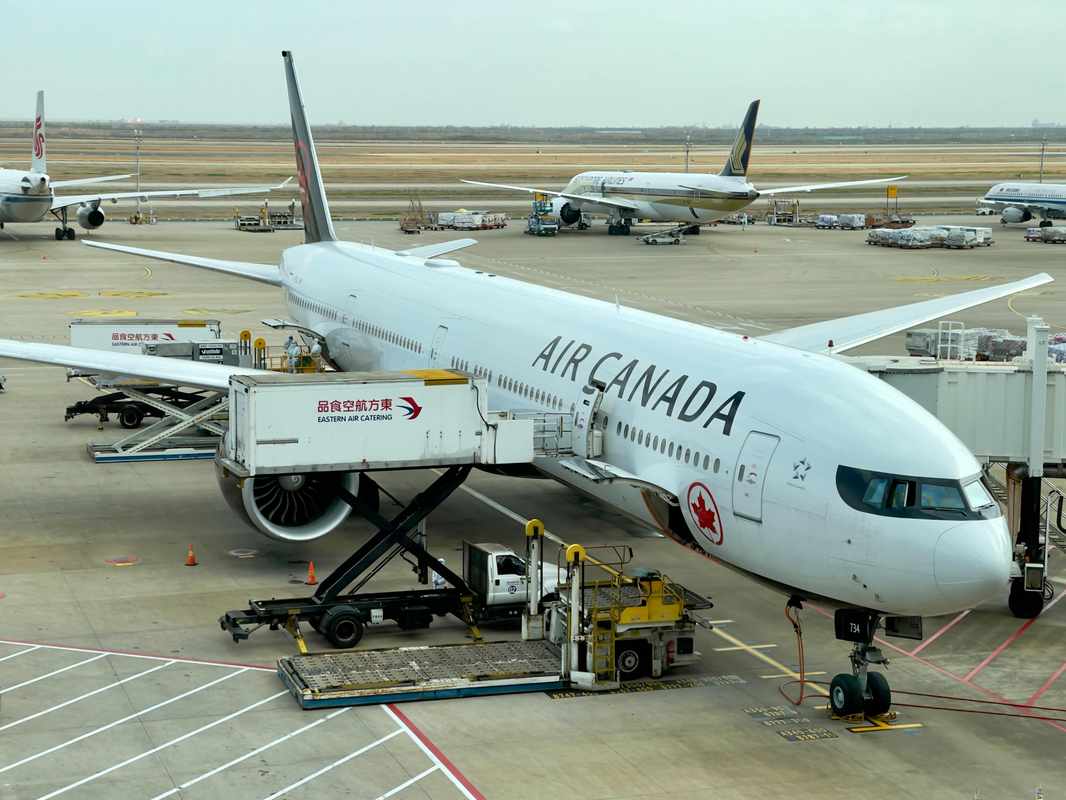
Air Canada has suspended all service to and from:
- Dubai (DXB)
- Tel Aviv (TLV)
The suspension runs until March 22, 2026, with service planned to restart March 23, 2026.
This is a big shift from Air Canada’s earlier timelines. Those had been much sooner. If your itinerary connected beyond Dubai, your risk multiplies. A missed long-haul segment often collapses the entire ticket.
Why Air Canada hit pause (and why the date can still move)
Airlines don’t love parking aircraft and losing revenue for weeks. They do it when conditions make operations hard to defend.
The drivers here are straightforward:
- Security risk is changing quickly. Carriers are reacting to ongoing military tensions in the region.
- Airspace restrictions create knock-on chaos. When multiple countries close or restrict airspace, routings get longer. Crews time out. Aircraft end up out of position.
- Regulators and airports can force rapid changes. Even if an airline wants to fly, local rules and airport operations may not support it.
Even the best “restart date” is a target, not a promise. Airlines extend suspensions when the risk picture stays unstable, or when reroutes are no longer workable at scale.
The comparison travelers actually need: wait for Air Canada, or switch?
If you’re booked to Dubai or connecting through the Gulf, your real choice usually looks like this:
- Stick with Air Canada’s rebooking options and aim for travel after March 23.
- Move to another carrier sooner, likely on a different routing.
- Cancel and reset the trip entirely, then rebook when schedules settle.
Here’s how the major options stack up right now, based on what carriers have publicly signaled.
Side-by-side comparison: Air Canada vs other major carriers (as of March 2, 2026)
| Factor | Air Canada (AC) | Emirates (EK) | Lufthansa Group (LH) | Qatar / Etihad / BA / Virgin (varies) |
|---|---|---|---|---|
| Current posture | Suspended DXB + TLV | Temporary DXB pause | Temporary Gulf pauses | Mix of suspensions, reroutes, and rolling updates |
| Latest announced timeline | Restarts March 23 | Targeted return around March 3 (afternoon) | Through March 4 | Shorter horizons, often 24–72 hours at a time |
| Best for | Travelers who can delay and want AC handling | Travelers who need DXB and can depart once ops resume | Travelers able to route via Europe when stable | Travelers who can be flexible and accept last-minute changes |
| Reliability right now | Higher clarity on AC’s “no-fly” window | Dependent on airspace clearance | Dependent on regional routings | Dependent on hub constraints and reroutes |
| Loyalty angle | Aeroplan protections, partner options, familiar rules | Skywards; partner options limited for many Canadians | Miles & More / Star Alliance | Avios / Privilege Club / others, depends on ticketing carrier |
Air Canada’s key differentiator is not “better service.” It’s a longer, clearer stop. That can be helpful for planning, even if it’s inconvenient.
How Air Canada compares to other carriers’ responses
Air Canada’s planned March 23 restart is the furthest-out date among the major airlines publicly cited so far.
Other carriers have mostly been operating on shorter decision windows, including:
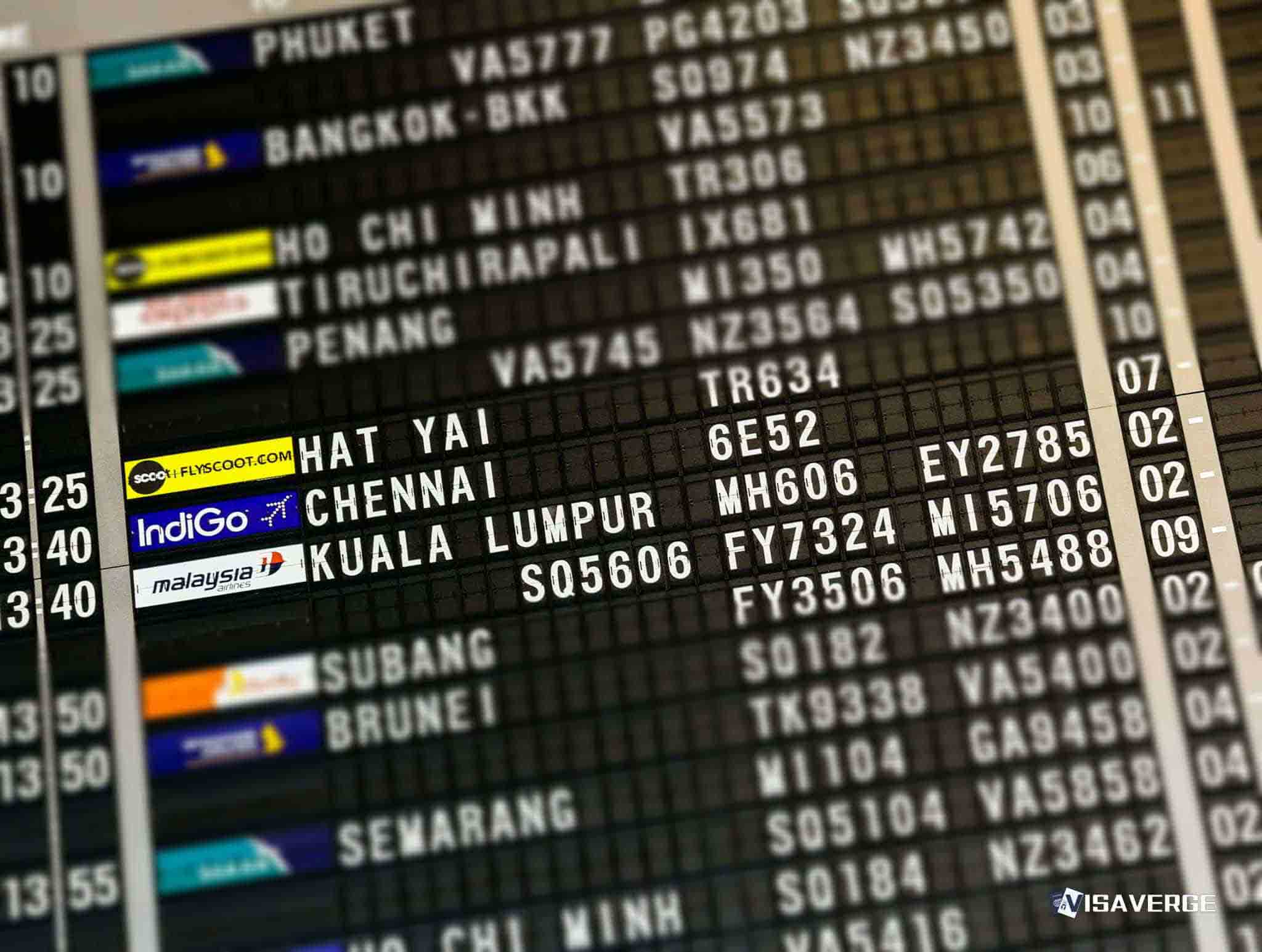
- Emirates: A shorter DXB suspension, tied to airspace safety confirmation.
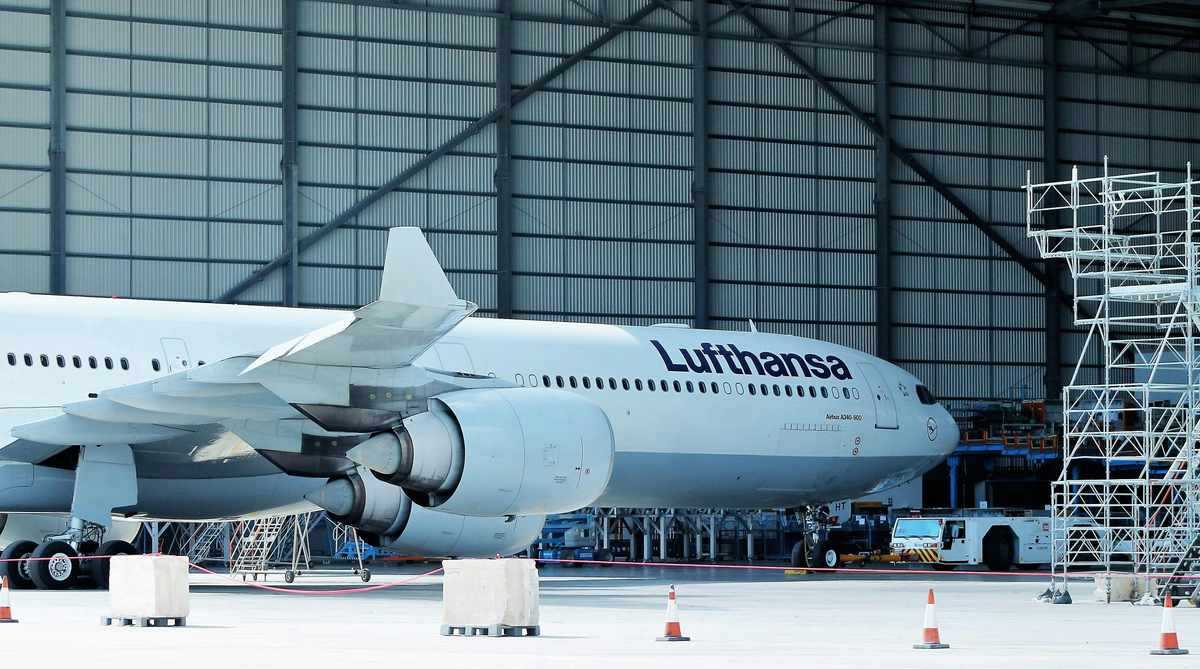
- Lufthansa: Gulf suspensions extended through March 4.
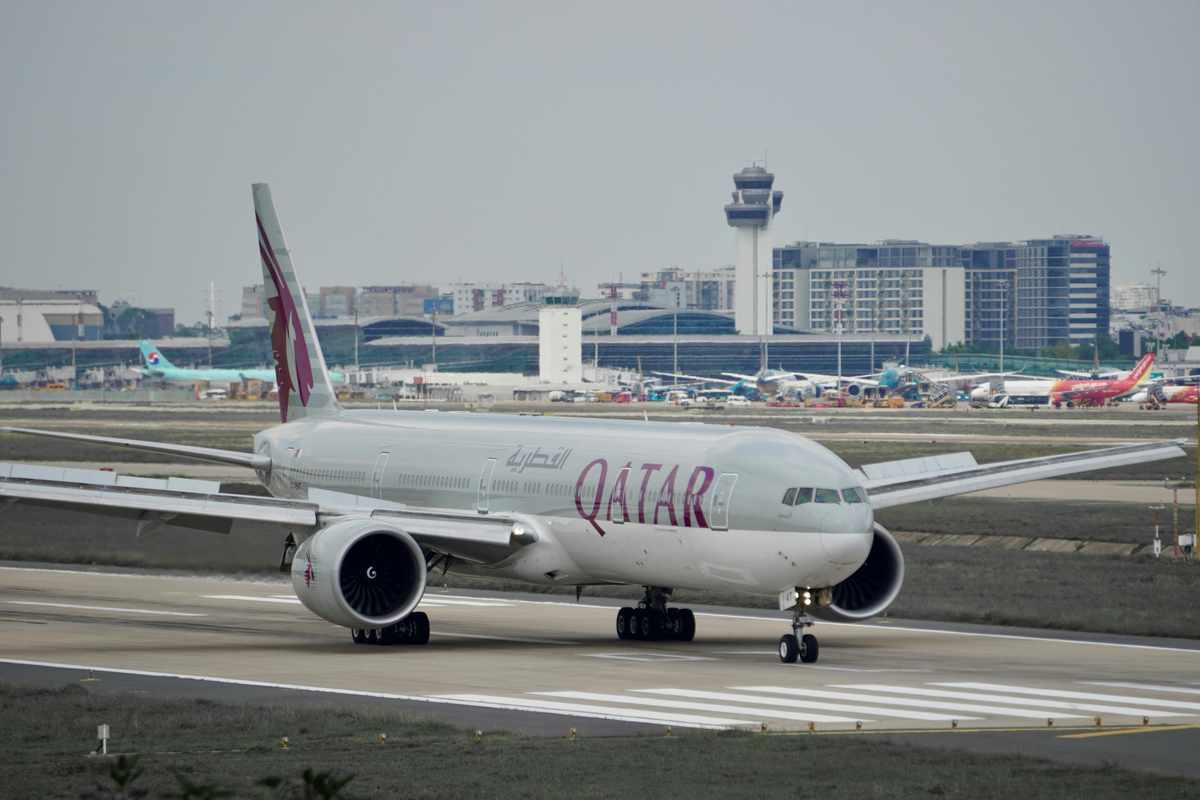
- Other big names (including UAE and UK carriers): A mix of suspensions and reroutes, with conditions changing quickly.
The region’s disruption has been massive. Flight cancellations climbed into the thousands since March 1. Dubai’s hubs normally move roughly 240,000 passengers a day, so even a short closure creates pileups.
The important comparison lesson: don’t treat one airline’s restart date as proof others are “safe.” Each carrier has different aircraft positions, crew bases, and regulatory pressures.
Rebooking and refunds: what Air Canada is offering, and how to use it
If your Air Canada flight is canceled, the typical pathways are:
- Rebook at no charge online when eligible options appear.
- Request a full refund if you no longer want to travel.
Air Canada says impacted customers are typically contacted by email or text. Don’t wait for that message if your trip is within days. Log in and check your booking status.
Voluntary changes: who qualifies and what the rules mean in practice
- Ticket must have been purchased by February 28, 2026.
- It applies to travel to/from/through several affected cities, including DXB, TLV, and other regional airports.
- Eligible travel is up to March 15, 2026 under the waiver scope.
- You can rebook up to March 31, 2026 in the original cabin, subject to availability.
- Fare differences may apply if you move outside the protected parameters.
- Full refunds are available in covered cases.
If you booked through Air Canada Vacations or a package provider, the handling is often separate. Start with the channel that took your money. That is usually the fastest path to resolution.
What to keep, in case things drag out:
- Your original e-ticket receipt and fare rules
- Screenshots of schedule changes and cancellation notices
- Receipts for rebooking-related expenses you believe are reimbursable
Air passenger compensation can get complicated fast. It depends on where you’re flying, the cause, and the operating carrier. In general, Canada’s APPR, EU rules, and U.S. DOT expectations don’t treat security-driven mass disruptions the same way as controllable delays.
⚠️ Heads Up: If you accept a reroute on a different airline, confirm whether your ticket is being “reissued” or merely “protected.” That affects refunds and seat assignments.
Miles and points: what happens to Aeroplan earning, status, and awards
This is where many travelers accidentally lose value.
If you were on a paid Air Canada ticket
- If Air Canada rebooks you onto Air Canada metal, earning usually follows your original fare brand.
- If you are reprotected onto a partner, earning and crediting can change. It depends on booking class.
- If you’re chasing Aeroplan elite status, a reroute can affect how much qualifying credit you earn.
If you booked with Aeroplan points
- Canceled flights often lead to re-accommodation, but partner award space is the constraint.
- If you choose a refund of points, you may lose a good redemption rate if awards reprice higher later.
- If you need Dubai soon, check Aeroplan partners that can still get you to the region. Then compare fees and seat availability before canceling.
One practical tip: if you can delay, keeping an Aeroplan award intact is often easier than rebuilding it from scratch during a disruption.
Government advisories and practical steps for Canadians
Airline schedules often track government advisories and operational restrictions. So do insurance policies.
If you’re a Canadian citizen or permanent resident, the smart moves are administrative:
- Register your trip with Registration of Canadians Abroad.
- Save the Government of Canada’s Emergency Watch and Response Centre contact details.
Also follow airport operator guidance. Dubai Airports have advised travelers not to come to terminals during major disruptions. That reduces crowding and prevents you from getting stuck landside with no flight.
Before you travel, update:
- Your phone and email on your airline profile
- Passport details saved in your frequent flyer account
- Any special assistance requests, so rebooking doesn’t drop them
Key dates and timeline: how to plan around March 23
Air Canada posted the extension on March 2, 2026, including updates on its website and social channels.
Here’s the timeline you should actually use for planning:
- Now through March 22: Expect no Air Canada flying into DXB or TLV.
- March 23: Planned service restart date for Air Canada.
- March 31: Rebook-by date under Air Canada’s voluntary policy for eligible tickets.
- Through March 15: Waiver window end for certain covered travel dates.
Other airlines are operating on much shorter horizons. Emirates and some European carriers have been making day-by-day calls. That can work in your favor if you need to move quickly. It can also mean another surprise cancellation.
Set a personal decision point. If you must be in Dubai for a meeting or a cruise, waiting until late March may be unrealistic. If your trip is optional, the Air Canada date gives you a clearer target.
What disruption looks like on the ground (and how to reduce your risk)
When hubs seize up, the pain points are predictable:
- Long phone and chat queues
- Limited hotel inventory and higher prices
- Bag backlogs when flights cancel after check-in
- Tight seat availability once airports reopen
Major hubs compound delays because aircraft and crews don’t rotate normally. A plane stuck out of position can cancel tomorrow’s flight too.
If you’re already en route, prioritize:
- Getting your onward segments protected before you land
- Keeping receipts for essential expenses
- Staying close to your airline’s official rebooking channels, not rumors
If you haven’t left yet, protect yourself with flexibility:
- Avoid nonrefundable hotels for the next 72 hours
- Keep one card with high travel protections available
- Pack essentials in carry-on in case checked bags lag behind
So, which option should you choose?
Choose Air Canada if…
- You can delay travel until after March 23.
- You want the cleanest path to a refund or a no-fee rebook under AC’s published policy.
- You’re trying to preserve an Aeroplan award or maintain a single-ticket itinerary.
Choose another carrier if…
- You must travel before late March and can tolerate rolling schedule changes.
- You can route via another hub without risky self-transfers.
- You’ve found a workable award or paid fare and can ticket it now.
Choose “cancel and reset” if…
- Your trip is discretionary and prices are spiking.
- Your itinerary is complex, with multiple nonrefundable pieces.
- You’d rather rebook once flight schedules stabilize.
Air Canada’s extended suspension is frustrating, but it’s also clear. If your travel can wait, build your plan around March 23 and use March 31 as your personal deadline to lock in a rebook or take the refund.