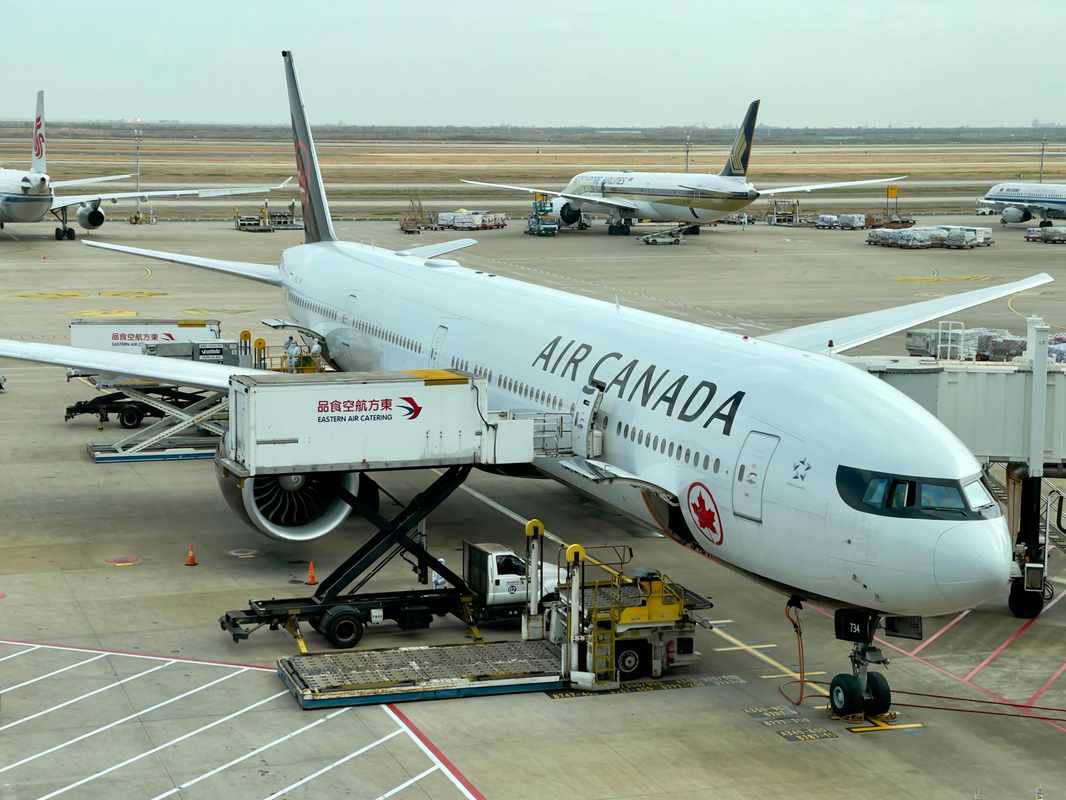
(MONTRÉAL) Air Canada has added two new transatlantic city pairs to its summer 2026 schedule, announcing that Montréal will get nonstop service to Berlin and to Nantes, France, with both flights planned on the airline’s incoming Airbus A321XLR. The carrier described the pair as “much shorter” A321XLR routes, a notable choice for an aircraft marketed for long, thin flying, and one that can reshape who can realistically travel between Canada and secondary European cities without a connection.
For Québec travelers, the Montréal–Nantes link stands out as a direct bridge to western France, while Berlin gives Air Canada another gateway into Germany from its Montréal hub. The announcement immediately caught the eye of immigration lawyers and travel advisers because new nonstop flights tend to change the rhythm of cross‑border movement: family visits become easier to plan, students can carry fewer connections, and employers can send staff with less time lost in transit.
According to analysis by VisaVerge.com, airlines’ network changes often ripple into consular demand, as more people decide that a direct flight makes a short stay, a business trip, or even a first exploratory visit feel possible.
Operational choice and passenger impact
Air Canada has not released detailed operational timings in the brief notice, but the decision to assign the A321XLR to Berlin and Montréal–Nantes signals that the airline is willing to use the jet on flights that are not the longest in its portfolio. That matters for travelers whose immigration status depends on tight calendars.
A missed connection can mean:
- arriving after the start date on a work assignment,
- losing the first day of a conference, or
- failing to reach a border post while it is open for a pre‑booked appointment.
A single‑aisle aircraft also changes the passenger experience: there are typically fewer seats than on a wide‑body, which can affect fare levels and the availability of last‑minute travel for urgent family needs.
Travel agents in Montréal said that direct service tends to draw a mix of passengers—tourists, people visiting relatives, and business travelers—and each group brings its own paperwork questions.
Entry and visa considerations
- Canadians often travel visa‑free for short stays within the Schengen area.
- Residents of Canada who hold other passports may need a Schengen visa and may be required to show strong ties to Canada.
- European visitors flying into Montréal must check whether they need a Canadian visitor visa or an electronic travel authorization (eTA) before boarding.
The Canadian government explains those entry rules on its official immigration site at Canada.ca’s eTA page, and airlines can deny boarding if documentation is missing.
Advisers warned:
People who plan to study, work, or perform paid services cannot rely on visitor entry rules and should confirm the right permit or visa well before tickets go on sale widely.
Effects on people on temporary status and family travel
For people who live in Canada on temporary status, the announcement can feel personal in ways route maps do not show.
- A Montréal resident from France waiting on a work permit renewal may avoid traveling through another European hub because re‑entering Canada can already be stressful; a direct flight reduces the number of touchpoints where a delay can trigger an overstay.
- German or French nationals who must time a Canadian trip around an application window, biometrics appointments, or expiry of a current authorization can also benefit from fewer connections.
Even Canadian citizens may see routine changes. Nantes is familiar to many Québec families through exchanges and cultural ties; Berlin is a frequent stop for tech and research travel. When journeys require a connection, travelers often build in an extra day each way as a cushion—difficult for parents with school schedules or workers with limited vacation.
Airline schedule changes also affect border planning:
- A direct flight concentrates arrivals into fewer time slots, which can increase pressure on airport inspection lines.
- Mixed documents and multiple languages among arriving passengers can slow processing.
- Advisers recommend keeping copies of status documents and travel history handy, since airlines and border officers can ask for proof even during routine visits.
Because Air Canada framed the flights as “much shorter” for the A321XLR, some travelers hope the aircraft’s range will later open more point‑to‑point options from Montréal without a hub stop.
What this signals about demand and timing
The new routes also carry a message about how Air Canada sees demand out of Montréal. Airlines typically add international links when:
- local passengers can fill enough seats, and
- onward connections at the destination can add extra traffic.
Possible traffic patterns:
- Berlin — may attract Canadians connecting deeper into Europe for work, seasonal tourism, or academic terms.
- Montréal–Nantes — may be more local and tied to family networks; today many travelers to western France connect via another European airport.
Timing matters for people dealing with immigration paperwork. Summer 2026 is distant enough that many readers will still be in the middle of renewals, citizenship applications, or family sponsorship files by the time tickets are sold. That lag can be helpful:
- It gives applicants time to match travel plans to their legal status rather than buying fares prematurely.
- It gives governments and airports time to prepare for any shift in passenger flows, even if absolute numbers remain modest.
Air Canada’s move—and the A321XLR’s entry into its fleet—will be watched by other carriers serving Montréal, because competition can change how easy it is to reach a consulate appointment, attend a court hearing, or return for a landing interview after permanent residence approval.
Practical next steps for travelers
- Check whether your nationality requires a Schengen visa, Canadian visitor visa, or eTA well before booking.
- Confirm the correct permit if you plan to study, work, or perform paid services—do not rely on visitor rules.
- Keep digital and paper copies of status documents and travel history accessible during travel.
- Allow extra time around visa expiry dates, biometrics appointments, or application windows when planning travel.
- Monitor Air Canada for published fares and exact schedules before making irreversible travel plans.
Until Air Canada publishes fares and exact schedules, treat the announcement as a signal, not a ticket in hand. For anyone who measures life in visa expiry dates, a promised nonstop option can be the difference between postponing and going next summer.
Quick reference: new routes (announced)
| Route | Aircraft | Season |
|---|---|---|
| Montréal — Berlin | Airbus A321XLR | Summer 2026 |
| Montréal — Nantes | Airbus A321XLR | Summer 2026 |
Air Canada has not yet released operational timings or fares. Travelers should use the announcement to plan and prepare their documentation, but wait for published schedules before finalizing travel bookings.
Air Canada will launch nonstop Montréal–Berlin and Montréal–Nantes flights in Summer 2026 using the Airbus A321XLR. The routes are shorter uses of the A321XLR and could reshape travel for Québec residents, easing family visits, student travel, and work trips while affecting consular demand and airport processing. Travelers should confirm visa or eTA requirements, ensure correct permits for paid activities, keep documentation accessible, and wait for published schedules and fares before booking.