- A federal judge denied United Airlines’ bid to dismiss a lawsuit over windowless window seats.
- The class-action lawsuit represents over one million passengers seeking millions of dollars in damages.
- Plaintiffs claim United misled consumers by charging for window seats that only face solid walls.
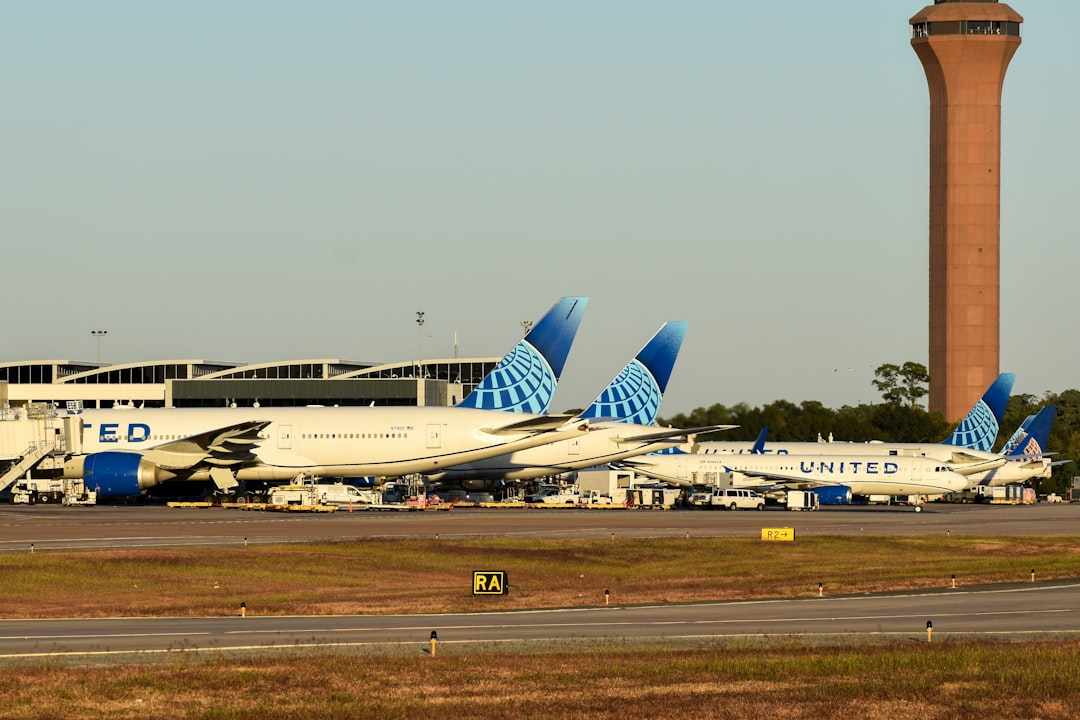
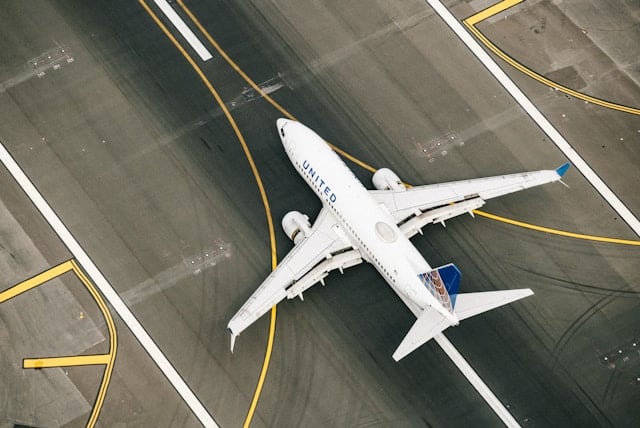
(SAN FRANCISCO, CALIFORNIA) — U.S. District Judge James Donato denied United Airlines’ bid to dismiss a proposed class-action lawsuit that accuses the carrier of charging passengers for “window seats” that do not have actual exterior windows, allowing the case to move forward in federal court.
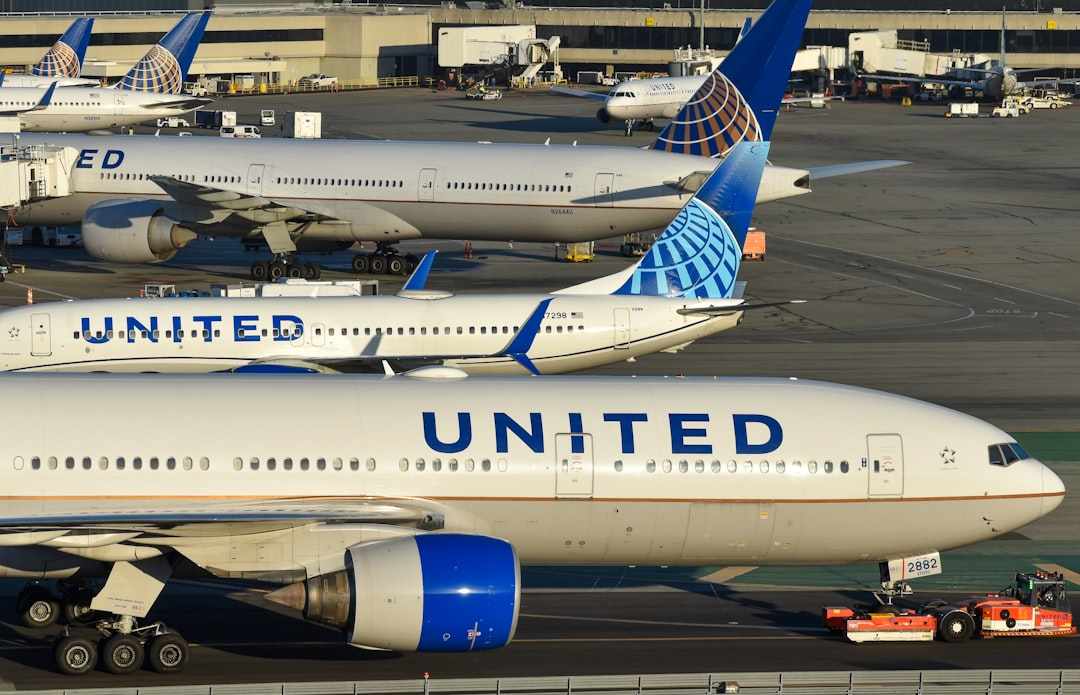
Donato ruled on Monday, July 6, 2026, that United must keep defending claims that it misled consumers by selling seats labeled as “window” even when those seats sat next to a blank wall rather than a window. The case is Brenman et al. v. United Airlines Inc., Northern District of San Francisco, No. 25-06995.
The decision rejected two central arguments from United Airlines: that the word “window” describes seat position only, and that federal law blocks the passenger claims. At this stage, the ruling does not decide liability, award refunds, or certify a class.
“When consumers choose to book an airplane seat adjacent to the wall, they expect it to have a window.”
“No more is needed at this stage for the breach claims to go forward.”
The lawsuit, filed in August 2025, seeks to represent more than 1 million passengers and recover damages that plaintiffs say run into the millions of dollars. Named plaintiffs include Marc Brenman of San Francisco and Aviva Copaken of Los Angeles.
United filed its motion to dismiss on November 11, 2025, after arguing in a filing dated November 10, 2025 that “The use of the word ‘window’ in reference to a particular seat cannot reasonably be interpreted as a promise that the seat will have an exterior window view.” The airline also argued that federal law largely preempts lawsuits over airline fees and surcharges, including seat selection charges.
Donato found that the passengers had plausibly stated breach claims because United’s own booking materials matter. He pointed to ticketing terms, boarding passes and reservation screens that identify the seats as window seats, and he noted that United’s contract of carriage incorporates the “terms and conditions printed on or in any ticket.”
The dispute centers on seats aboard certain aircraft where a passenger can sit against the fuselage wall but not next to a window opening. Plaintiffs say that mismatch appears on Boeing 737 aircraft, including the 737-800 and 737 MAX families, Boeing 757 aircraft, and Airbus A321 aircraft, including the A321neo.
According to the complaint, those windowless placements result from aircraft design features such as air-conditioning ducts, electrical wiring, overwing exits, door plugs or other structures. Passengers, the suit says, still see those seats labeled as window seats in booking flows and pay premiums for them.
The complaint says the label matters because people do not pay extra for a wall. Plaintiffs argue that travelers often choose a window seat for the view, to help with motion comfort by focusing on the horizon, or to keep children occupied during a flight.
Copaken’s experience sits near the center of the complaint. She said United refunded her on two flights where she sat in a windowless window seat, but denied a refund on a third flight, a difference the plaintiffs cite as evidence of uneven remedies.
Brenman also alleges that he paid for a window seat and found no window beside him. Together, their claims frame the case as a dispute over whether a paid label promised a feature or merely described a location.
Carter Greenbaum, counsel for the plaintiffs, called United’s position “contrary to the reasonable expectations of countless passengers who unknowingly paid extra money for windowless window seats.” He added that “consumers deserve better than empty promises and United’s word games.”
United has argued that ancillary revenue helps offset operating costs and keep base fares lower. But the judge’s ruling means that defense will not end the case before discovery, where both sides can demand records and other evidence.
The case does not stand alone. Plaintiffs say the same seat-labeling problem appears across the industry, though their complaint draws distinctions between carriers that allegedly disclose missing windows and those that do not.
In the complaint, Alaska Airlines and American Airlines are described as carriers that flag which seats lack windows during booking. United Airlines and Delta Air Lines, the plaintiffs allege, do not display that information on booking pages.
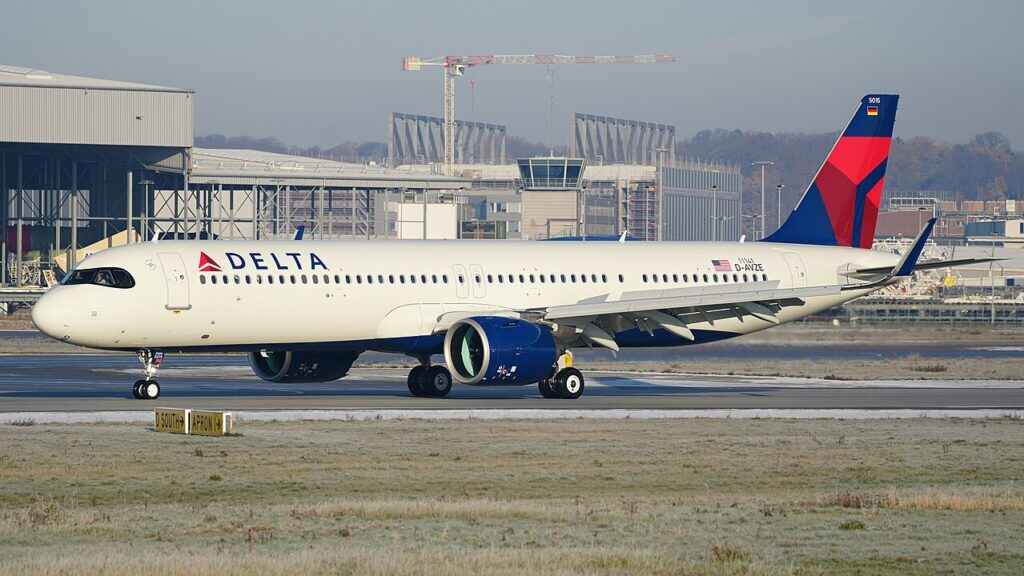
A related class action against Delta is pending in Brooklyn federal court, led by Nicholas Meyer of Brooklyn. Delta, like United, has argued that a “window seat” refers to the seat’s position against the aircraft wall, not a guarantee of an exterior view.
The price difference gives the dispute its financial edge. Plaintiffs allege United charges more than $50 for some basic-economy window seats, while Delta charges more than $30 for similar selections in basic economy.
Those figures are part of why the court fight has moved beyond a narrow complaint about cabin design. Plaintiffs argue that once an airline attaches a separate fee to a seat labeled “window,” the meaning of that label becomes part of the bargain.
Donato’s ruling agreed that the passengers had stated a claim strong enough to proceed. He rejected United’s request to end the case before evidence gathering, a step that keeps alive the possibility of class certification later.
That next phase matters because the proposed class would cover a very large pool of travelers. The complaint says more than 1 million passengers were affected by the practice and seeks damages measured in the millions of dollars.
The ruling does not establish that every challenged United Airlines seat map was inaccurate. It also does not order immediate refunds, and it leaves open whether the plaintiffs can meet the standards for class treatment.
Still, the order marks a setback for the airline’s attempt to resolve the matter on legal grounds alone. United now faces discovery demands tied to how its booking pages, boarding passes and contract language describe a windowless window seat.
The case also puts attention on a detail that frequent flyers sometimes know well but casual travelers may not. A seat can sit in the outermost position of a row and still line up with solid interior paneling instead of a cabin window.
Plaintiffs argue that airlines should disclose that fact on their own seat maps rather than rely on passengers to check outside tools. Some travelers use third-party maps such as SeatGuru to identify rows with missing windows, but the complaint says that burden should not fall on consumers paying a premium.
United’s argument asked the court to treat the word “window” as a positional term with no promise of an exterior view. Donato declined to accept that reading at the pleading stage, relying instead on what an ordinary consumer could reasonably expect and on the airline’s own ticket language.
His order keeps the case alive at an early but important point in the litigation. United has not been found liable, but the plaintiffs cleared the first barrier and can press ahead with claims that the carrier sold a product description that did not match what some passengers received.
If the case advances, discovery will likely focus on how often the seat mismatch occurred, how United described the seats during booking, and how the airline handled refund requests from affected travelers. The answers may shape whether the suit remains centered on two named plaintiffs or broadens into a class action covering more than 1 million passengers.
For now, the federal court has left in place a simple dispute with expensive implications: whether passengers who paid United Airlines extra for a seat sold as “window” bought a view, or bought a place beside the wall.