- United Airlines now mandates headphone use within its formal contract of carriage starting February 2026.
- The policy classifies loud audio as a safety and order issue rather than just courtesy.
- Non-compliance can result in denied boarding or removal from the aircraft under Rule 21.
United Airlines just turned “please use headphones” from cabin etiquette into a legal condition of travel. As of Feb. 27, 2026, the airline’s contract of carriage now explicitly lets United refuse transport or remove you if you play audio or video without headphones. If you’re flying United soon, pack a working set and don’t assume a gate agent or flight attendant will treat this as a gentle reminder.
1) Policy Overview: what changed, where it lives, and when it applies
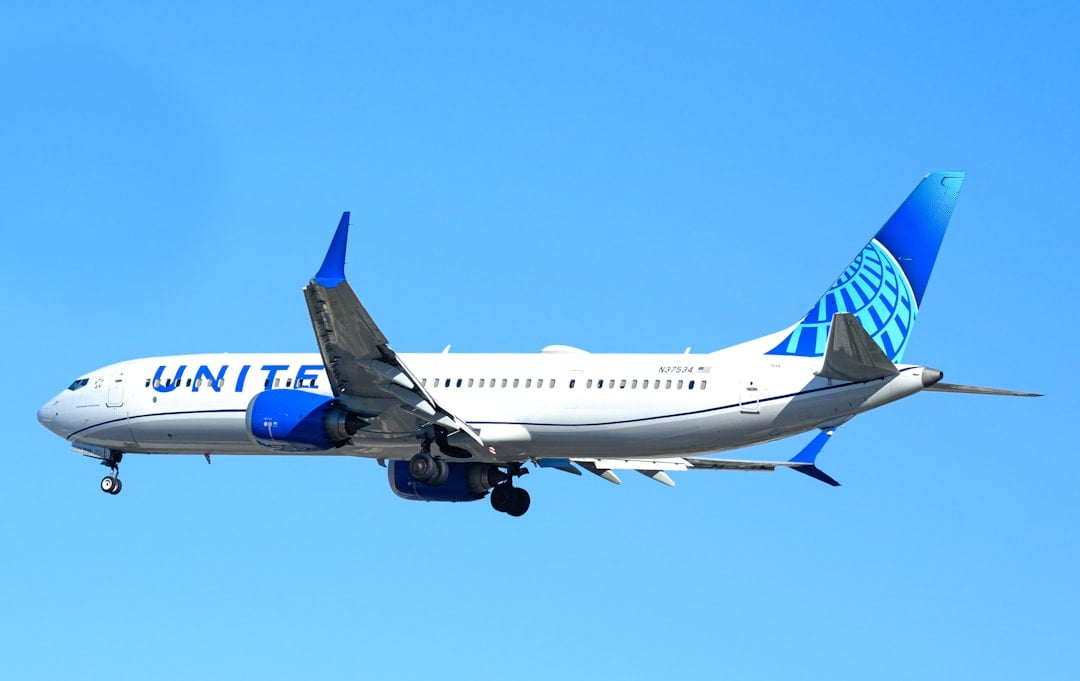
United added a new headphone requirement to its contract of carriage, which is the binding agreement you accept when you buy a ticket and board. That matters because the contract is what United can point to when it takes enforcement action. It is not a “customer courtesy” poster.
Here’s the exact placement, since it’s the core of the change: Rule 21 (Refusal of Transport), Section H (Safety), item 22. In plain English, United is treating speaker-blasted TikToks and movies as a safety-and-order issue, not just a manners issue.
Effective date: February 27, 2026.
“Effective” is about when you travel, not when you bought your ticket. If you booked before Feb. 27 but you fly after that date, you’re still traveling under the updated terms. The contract is tied to carriage, not your purchase nostalgia.
Before/After: what’s different for passengers
| Before Feb. 27, 2026 | After Feb. 27, 2026 | |
|---|---|---|
| Headphone use for audio/video | Typically framed as courtesy or informal crew instruction | Explicit requirement embedded in the contract of carriage |
| Enforcement footing | More “cabin management” discretion | Clear contract-backed reason to refuse transport or remove |
| Passenger risk level | Usually a warning-first scenario | Higher stakes if you refuse or escalate |
2) Enforcement and passenger responsibility: how this can play out onboard
Most flights won’t turn into a courtroom over a phone speaker. But the point of inserting this into Rule 21 is that it gives United a cleaner, more consistent path to act when a situation spirals.
In real life, enforcement usually follows a ladder:
- A flight attendant asks you to use headphones or mute.
- If you refuse, a lead flight attendant may escalate.
- At the gate, United can deny boarding.
- Onboard, United can remove you, including returning to the gate if needed.
The contract language also supports broader outcomes. That can include a temporary or permanent ban from flying United. The big trigger is not forgetting headphones. It’s refusing to comply and creating a conflict.
United also emphasizes passenger responsibility for costs. If your behavior causes “loss, damage, or expense,” the contract allows the airline to seek reimbursement. That can mean costs tied to disruptions, diversions, or operational delays, depending on what happened.
This is also about crew authority. Rule 21 sits in the part of the contract that covers safety and refusal of transport. So United is positioning “no speakers” as part of maintaining a controlled cabin. That gives crew instructions more weight when tensions rise.
Mileage and points angle: getting removed is more than embarrassing. It can turn into a same-day walk-up purchase on another carrier, which is often expensive. If you’re chasing MileagePlus status, a misstep can also cost you a flight segment and the PQP you expected to earn. And if you booked an award ticket, you risk losing time, availability, and possibly redeposit fees depending on how the rebooking is handled.
3) Additional policy changes: video calls are now clearly included
United didn’t only address headphone use. It also expanded its onboard call restrictions to explicitly include video calls under Rule 21.
The operational window matters. The restriction applies:
- After the aircraft doors close
- During taxi
- While airborne
That phrasing is designed to remove gray areas during the most crew-sensitive phases. It also avoids the “but we haven’t taken off yet” argument.
Common questions passengers are already asking:
- “Can I text or message?” Messaging is not the same as a voice or video call. Quiet typing is generally fine.
- “What if I’m watching quietly with headphones?” That’s exactly what United wants. The headphone requirement targets audio playing out loud.
- “What counts as a call?” If you’re speaking back-and-forth in real time, especially on speaker with an active conversation, you’re in the danger zone. Video calls make it more obvious.
This is one of those rules you’ll mostly notice when someone ignores it. United is trying to reduce those moments before they become cabin-wide problems.
⚠️ Heads Up: If a crew member tells you to stop speaker audio or end a call, treat it like a seatbelt sign. Compliance is the difference between a normal flight and a denied-boarding report.
4) Headphone availability: what United provides, and what you should plan for
United says it offers free, basic wired headphones onboard if you forget yours. That’s helpful, but it’s not a perfect safety net.
The practical problem in 2026 is device compatibility. Many phones and tablets no longer have a standard 3.5mm headphone jack. If United hands you basic wired earbuds and your device is USB‑C only, you may need an adapter. If you’re all‑Bluetooth, battery life becomes your Achilles’ heel on a long day of delays.
A few real-world planning notes that matter more than brand names:
- If your device lacks a headphone jack, pack the correct adapter.
- If you rely on Bluetooth, charge before boarding and consider a small backup option.
- If you plan to use seatback entertainment, wired headphones usually work easiest.
This is also where families get tripped up. Kids’ tablets at full volume are a common flashpoint. A cheap wired backup in a backpack can prevent a mid-boarding scramble.
5) Context and industry position: why this contract move is a big deal
Lots of airlines want quiet cabins. What’s different here is where United put the rule.
By embedding headphone use into the contract of carriage, United is moving from “we ask you to” to “we can remove you for.” That shift matters because it reduces ambiguity for crews and gives the airline a stronger posture when a passenger insists the request is optional.
United’s likely goal is consistency. Cabin conflicts often start small, then become arguments about fairness and enforcement. A contract clause gives staff a straightforward answer: this is a condition of flying.
How does this compare to other major U.S. airlines? In broad strokes, most competitors have historically treated headphone use as policy guidance, announcements, or onboard reminders. United is taking a more formal route by spelling it out inside a refusal-of-transport rule.
That doesn’t mean United will suddenly start kicking people off for accidental sound bursts. But it does mean the airline has clearer backing when someone won’t stop.
📅 Key Date: United’s updated Rule 21 terms are effective Feb. 27, 2026. If you fly on or after that date, pack headphones and a compatible adapter.
If you have a United trip coming up this spring, do a quick gate-check before boarding: headphones packed, adapter ready, Bluetooth charged. It’s a small habit that can save you from a very expensive, very avoidable travel day.