(UNITED STATES) United Airlines CEO Scott Kirby warned this week that the prolonged government shutdown is shaking trust in aviation safety and hurting the wider economy. The stoppage has stretched past a month with few signs of easing, and Kirby said travelers are reading headlines, seeing no resolution, and beginning to doubt whether leaders can keep the system safe and stable. That doubt, he argued, is now creeping into booking behavior and could soon slow airline revenue at a sensitive time for the industry.
Concerns from United’s earnings call
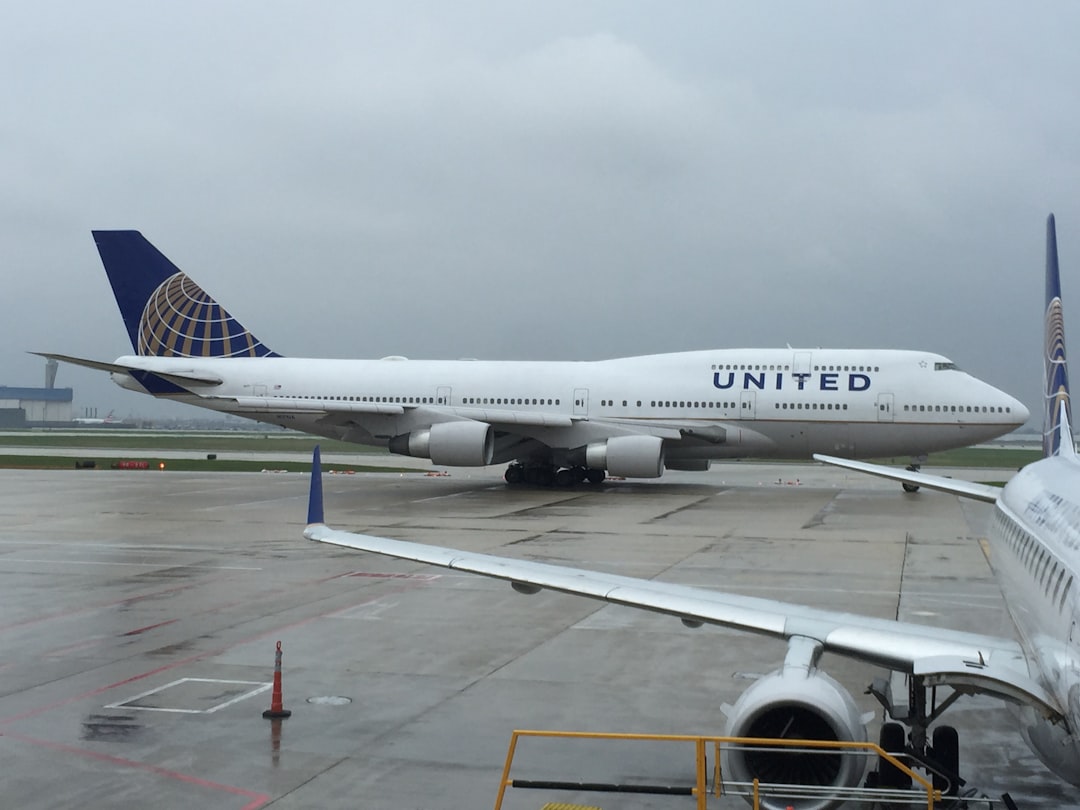
Kirby told investors many customers treated the first couple of weeks as a short blip.
“I think that at least for the first couple of weeks, people thought it was going to get resolved, so they just kind of continued business as usual,” he said.
But as time goes on, as people read headlines and say, ‘It’s not going to get resolved soon,’ people start to lose confidence in the government and the government’s ability to resolve this. And that’s going to start to impact bookings.
He delivered a stark message: the government shutdown is no longer an abstract fight in Washington — it is starting to land in airline reservation systems. Kirby added the economic risk grows with every day of stalemate. “Every day that goes by, the risk to the U.S. economy grows. So, I hope we will avoid an unforced error here,” he said, calling the situation avoidable and costly.
Industry-wide stress and unified pleas
Pressure is building on Congress from other airline leaders as well. Delta CEO Ed Bastian warned: “If this doesn’t get resolved, say beyond another 10 days or so, you probably will start to see some impacts.” He emphasized that while the industry managed the first month, visible stress points are emerging.
In a rare show of unity, the four largest U.S. carriers — United, Delta, American, and Southwest — have urged lawmakers to pass a “clean continuing resolution” (CR) to reopen the government swiftly and avoid wider damage during the busy holiday period.
Kirby made a public plea alongside Vice President JD Vance and Transportation Secretary Sean Duffy:
“It has been 30 days — I also think it is time to pass a clean CR. Use that as the opportunity to get into a room behind closed doors and negotiate hard on the real and substantive issues that the American people want our politicians on both sides of the aisle to solve.”
Their shared view: reopen the government first to reduce operational risk and restore traveler confidence.
Operational impacts and safety risks
- The shutdown began on October 1, 2025, and has now passed 30 days, tying the longest in U.S. history.
- Prolonged funding gaps interrupt training, delay certain safety programs, and pile pressure on the thin line of staff still working.
- Transportation Secretary Duffy said nearly 10% of air traffic controllers are calling in sick each day, leaving some towers short-staffed and, at times, unmanned.
Notable incident:
– On October 6, Hollywood Burbank International Airport reportedly went hours without a single air traffic controller on duty, triggering major delays and heightening anxiety among passengers and crews.
Unions and safety advocates have tried to make these pressures visible. The National Air Traffic Controllers Association launched an airport campaign warning travelers about the staffing crunch and the stress controllers face when colleagues cannot report to work.
While the National Airspace System continues to operate, leaders say the margin of safety depends on enough trained people in the right places.
Without adequate staffing, routine weather or equipment problems can cascade into longer waits, diversions, and cancellations.
Human cost and economic fallout
Kirby praised the people holding the system together, thanking air traffic controllers, TSA officers, and FAA employees for “working hard — most without pay — during the shutdown,” and said airlines owe them support and respect.
Key economic figures cited:
– $1 billion in travel-related spending lost every week the shutdown drags on, according to Airlines for America.
– 13,000 air traffic controllers are preparing to miss their first full paycheck, the trade group said.
These numbers reflect broader impacts on airport businesses, hotels, and local economies tied to air travel.
Consumer behavior and booking trends
Behind the numbers is a simple concept: when passengers worry about aviation safety or schedule reliability, they:
- Delay trips
- Shorten itineraries
- Choose to drive instead of fly
Airline leaders are watching booking curves closely. VisaVerge.com reports executives are tracking bookings for the next six to eight weeks for early drops that could signal a wider pullback if the shutdown extends into the quarter. Kirby warned that if confidence breaks, it takes effort and time to rebuild.
Ongoing operational constraints and backlog
U.S. officials say essential operations continue, but with constrained resources. Some activities are paused or slowed:
- Certification work
- Long-term planning
- Training
These pauses create backlogs that will take weeks to unwind even after funding resumes. For travelers, that can mean:
- Persistent delays
- Longer security lines
- More last-minute schedule changes
For crews and dispatchers, it can mean tougher shifts and fewer buffers. The industry’s message is clear: the longer the shutdown lasts, the more these pressures stack up.
Policy rationale: pass a clean CR
At the policy level, the argument for a clean CR is simple:
- Stabilize a complex system that depends on steady funding and staffing
- Get paychecks flowing and control rooms fully staffed
- Let lawmakers continue broader negotiations afterward
Kirby’s framing: reopen now, argue later. He said that approach would protect aviation safety and keep the economy moving while leaders hash out their differences.
Where travelers can get updates
Travelers looking for official updates on air traffic operations and safety programs can check the Federal Aviation Administration: https://www.faa.gov/. Industry executives say transparency helps reduce uncertainty and keeps faith in the system, but note that no website update can replace enough trained personnel in towers, centers, and safety roles.
Longer-term context and urgency
The shutdown tests an industry still recovering from pandemic-era staffing gaps. Many new controllers are in training pipelines that require steady, hands-on supervision. When supervision is stretched, progress slows.
Airlines have invested in technology and planning to cushion shocks, but they cannot change the basic math of how many trained professionals it takes to guide thousands of flights a day. That is why Kirby’s warning is being heard with urgency across boardrooms and break rooms alike.
As the calendar moves closer to the peak holiday period, the stakes rise. Airlines are trying to keep schedules intact while preparing contingency plans if staffing stays tight. Passengers will watch delay data and headlines for clues.
Kirby’s bottom line: restore funding, protect aviation safety, and rebuild trust before the damage spreads from flight boards to the broader economy.
This Article in a Nutshell
United CEO Scott Kirby said the government shutdown, now over 30 days since October 1, 2025, is weakening traveler trust and affecting airline bookings. Staffing shortages—nearly 10% of controllers calling in sick daily—have left some towers understaffed and paused training, certification and safety programs. The four largest carriers urged Congress to pass a clean continuing resolution to restore pay and operations. Industry leaders warn that prolonged funding gaps will worsen delays, economic losses of about $1 billion per week, and take weeks to unwind even after funding resumes.