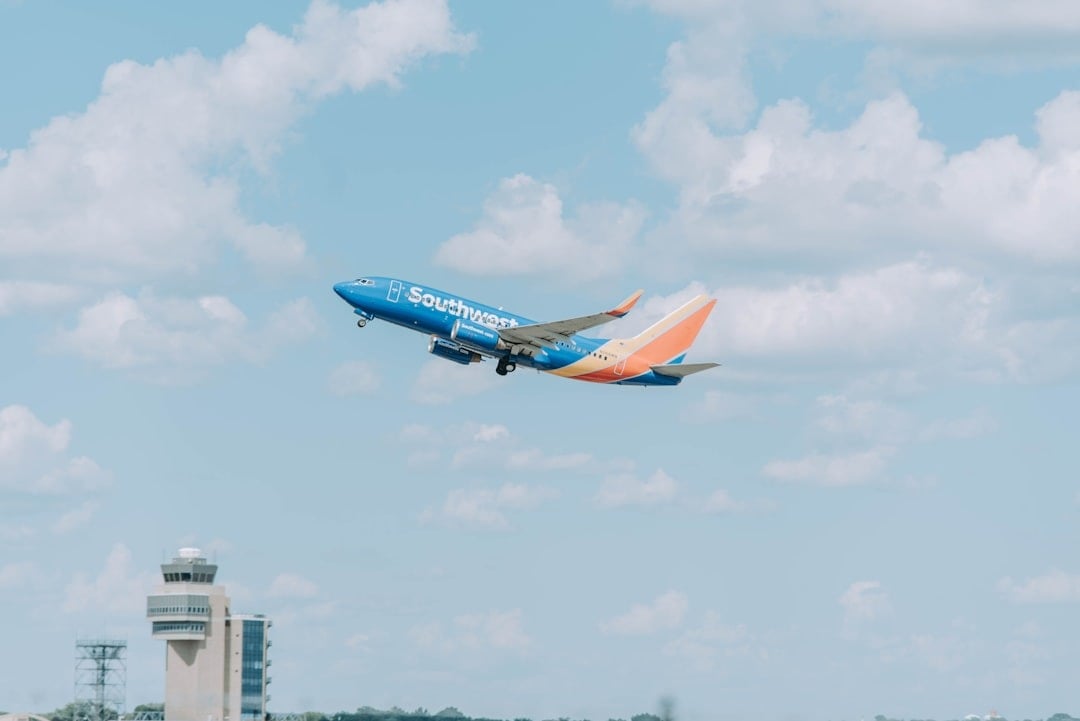
Southwest will launch nonstop flights between Las Vegas (LAS) and Hilo (ITO) on August 6, 2026, giving you a simpler way to reach the Big Island without a connection. If you live in Las Vegas, NV and you’re a non‑U.S. citizen (or you travel with noncitizen family), this matters because domestic air travel still triggers ID checks, and Hawaii trips can bring extra questions if your documents are incomplete.
You do not pass U.S. immigration just because you fly to Hawaii. Hawaii is part of the United States. But you still need the right photo ID to board, and you should carry immigration proof that matches your status in case you’re questioned during travel.
Why this new Las Vegas–Hilo nonstop flight matters for immigration planning
A nonstop route reduces missed connections, rushed document checks, and last‑minute rebooking—helpful when you’re traveling with fragile documents, pending cases, or tight deadlines.
“We saw an opportunity in the marketplace, so we jumped on it both to provide people in Hilo town and East Hawaii to get to the mainland, but also to bring visitors and business people to Hilo…”
— Andrew Watterson, Southwest Chief Operating Officer
If you’re traveling for family, work, or a legal appointment, fewer moving parts makes the trip easier. Southwest network executive Adam Decaire also emphasized the scale of Vegas connections — “We heard you, Hilo,” noting as many as 272 departures a day, which matters if you need backup options for work shifts, court dates, biometrics appointments, or family commitments.
Flight details you should know before you plan your trip
Southwest’s new service runs 3 times weekly on Mondays, Thursdays, and Fridays.
Schedule
- LAS → ITO (westbound)
- Departs 9:30 a.m. (local)
- Arrives 12:35 p.m. (local)
- ITO → LAS (eastbound)
- Departs 8:45 p.m. (local)
- Arrives 5:10 a.m. next day (local)
This timing affects return-day logistics (early-morning arrival) and backup planning if you can’t miss time-sensitive obligations.
Who this guide is for (and when you should be extra careful)
This is for you if you’re flying Las Vegas ↔ Hilo and any of the following apply:
- You’re a lawful permanent resident (green card holder)
- You’re in the U.S. on a nonimmigrant visa (F‑1, H‑1B, O‑1, L‑1, E‑2, B‑1/B‑2, etc.)
- You have a pending USCIS application (adjustment of status, asylum, TPS, DACA)
- You’re undocumented and still plan to fly (high risk—plan carefully)
- You travel with a spouse, parent, or child who is not a U.S. citizen
Be extra careful if you have any of the following:
- A recent arrest or an open criminal case
- A final order of removal or past deportation order
- A pending asylum case or other case where travel triggers questions
- A document that is expired, damaged, or has the wrong name
Eligibility and prerequisites: what you need before you book
Before you commit to a trip, confirm all of the following:
- You can show an acceptable ID to board your flight.
- Your immigration documents match your current status.
- Your trip to Hawaii won’t break any status rules (e.g., missing required classes, work limits, or court dates).
- If your name changed, your documents create a clear chain of evidence (old name → new name).
If you’re waiting on a replacement card or extension notice, you can still travel — travel with stronger paperwork and proof of your pending request.
Step-by-step: how to prepare for a smooth Las Vegas–Hilo trip
1) Confirm your boarding ID and name match
Airlines and TSA focus on identity. Make sure the name matches across:
- Your ticket
- Your photo ID
- Your immigration documents
If you recently married, divorced, or changed your name, bring proof of the change (see the “If your name doesn’t match” section).
2) Carry immigration proof that fits your status
TSA doesn’t always require immigration papers to board domestic flights, but carrying them can prevent problems during rebooking, security incidents, or questioning.
Choose documents that match your situation:
- Green card holders: green card and a backup copy
- Nonimmigrants: passport and current status proof
- Pending cases: USCIS receipt notices and EAD (if applicable)
If you need your entry record, you can pull it here: CBP I-94.
3) Prepare for the return flight timing
The Hilo → Las Vegas flight arrives 5:10 a.m. next day local time. Early arrivals increase the risk of lost wallets, dead phones, and missing printouts.
Before you leave:
- Save clear photos of documents to a secure offline folder
- Print a small travel pack with key documents
- Pack documents in your personal item, not a checked bag
4) Avoid choices that create immigration risk
Domestic travel is legal for many noncitizens, but some choices quickly raise risk. Avoid:
- Traveling with expired status proof when you have no extension evidence
- Entering restricted areas at airports “just to ask”
- Taking side trips that violate your status (work/school/court rules)
If your situation is complicated, consult an immigration lawyer before you fly.
Documents you should carry (by status)
Bring originals when available, plus copies, in a slim folder. Keep documents accessible — not in checked baggage.
If you’re a green card holder
- Permanent Resident Card (green card)
- State ID or driver’s license (for airport ID)
- If the card is expired and renewal is pending: bring USCIS extension evidence (original notice)
If you’re in the U.S. on a visa (nonimmigrant status)
- Passport (unexpired)
- Current status evidence, such as:
- Form I-797 approval notice (if applicable)
- Form I-20 (F‑1) or DS-2019 (J‑1), with valid travel signatures if required
- Paperwork showing employer or school changes, if relevant
If you have an Employment Authorization Document (EAD)
- EAD card
- A second photo ID (if available)
- USCIS receipt notice for any pending case tied to the EAD
If you have a pending USCIS case
- USCIS receipt notices
- Biometrics or interview notices (if scheduled soon)
- Copies of the full filing packet cover page (helps match case types)
If you are traveling with children
- Child’s passport (if available) and any U.S. immigration documents
- Birth certificate (copy is usually fine)
- If one parent is not traveling: a notarized consent letter is recommended, especially if last names differ
If your name doesn’t match across documents
Bring one of the following as proof of name change:
- Marriage certificate
- Divorce decree
- Court order for name change
Fees and timeline: what to expect for this route
- The nonstop service begins on August 6, 2026 and operates Mondays, Thursdays, and Fridays.
- Airline fares vary frequently; this guide does not list prices.
- Budget for:
- A backup night in case you miss the return flight
- Replacement costs if you lose an ID while traveling
- Ground transportation on both ends
Common mistakes that cause airport trouble (and how to avoid them)
Mistake 1: Packing immigration documents in checked luggage
If your bag goes missing, you face a document crisis. Keep originals on your person.
Mistake 2: Flying with an ID that doesn’t match the ticket name
Fix ticket name mismatches before travel. Don’t assume TSA or the airline will allow discrepancies.
Mistake 3: Traveling while a serious issue is unresolved
Active removal cases, warrants, or recent arrests require legal advice—do not guess.
Mistake 4: Not preparing for questions during irregular travel
Delays, reroutes, and security incidents happen. Solid paperwork helps you stay consistent.
Mistake 5: Confusing Hawaii travel with international travel
Hawaii is domestic travel, but federal law enforcement can be present. Carry status proof that makes sense for your situation.
Next steps: what you should do now if you plan to fly Las Vegas–Hilo
- Create your personal travel document kit this week. Put your ID, immigration proof, and any name-change records in one folder.
- Check expiration dates and request replacements early. Start renewals before you book if anything is close to expiring.
- Plan your return-day logistics around the early arrival. Arrange rides, access to keys, and work schedules so you’re not stranded without your documents.
- If you have a pending case or past immigration problem, get a legal screening before you travel. A short consult can prevent a long crisis.
- For more practical immigration guides written for everyday travel and life planning, visit VisaVerge.com.
Southwest Airlines begins nonstop service between Las Vegas and Hilo on August 6, 2026. This route simplifies travel for non-U.S. citizens by reducing connections and potential document friction. However, travelers must still carry valid identification and proof of immigration status to ensure compliance with federal requirements. Proper preparation, including document kits and checking flight schedules, is essential for a smooth trip across state lines for all residents.