- Senators are pushing the ROTOR Act for faster action on air safety after a deadly midair collision.
- The bill mandates ADS-B In technology to ensure pilots can see nearby traffic on cockpit displays.
- A tiered approach suggests passing narrow legislation first before moving to a more comprehensive safety package.
Senators just signaled they want faster action on air safety legislation after last year’s deadly D.C.-area midair collision. For travelers, the practical question is simple: do you want Congress to pass a narrow bill that could move faster, or a broader package that may take longer but fixes more at once? My quick recommendation: pass the ROTOR Act quickly as a “first step,” then follow with a larger safety bill—because near-term gains in cockpit awareness around the busiest airports are worth taking, even if broader reforms are still needed.
That debate is now front and center after the Senate unanimously approved the ROTOR Act. The bill targets a specific gap in U.S. airspace surveillance: many aircraft can broadcast their position, but not all can receive and display nearby traffic in the cockpit. The push comes with fresh urgency after the January 29, 2025 midair collision near Washington, D.C., where 67 people died when an American Airlines jet and a Black Hawk helicopter collided over the Potomac River.
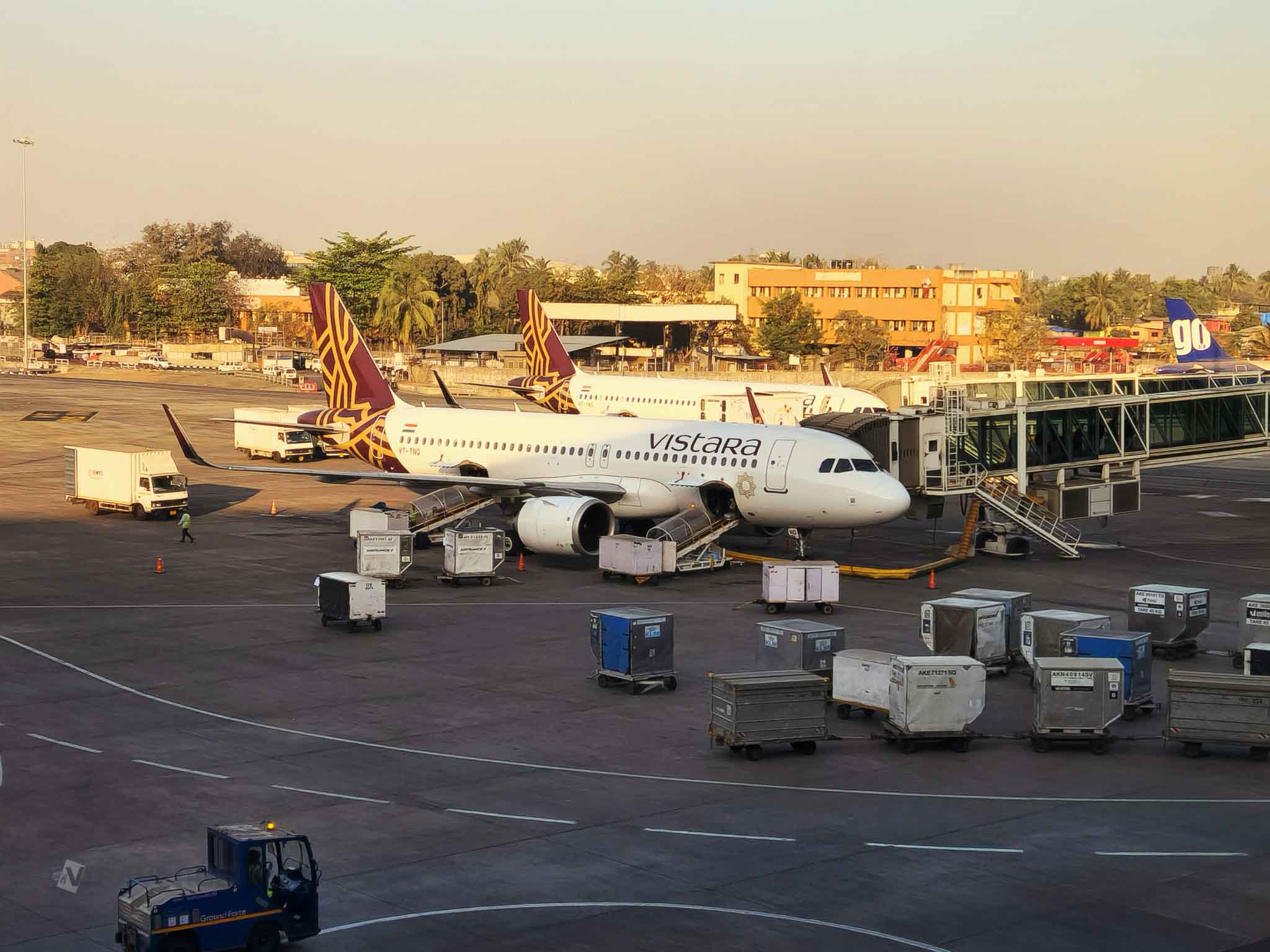
Below is how the two paths stack up for airlines, pilots, airports, and you.
ROTOR Act vs “comprehensive” House bill: side-by-side comparison
| Category | ROTOR Act (standalone) | Comprehensive House package (broader NTSB agenda) |
|---|---|---|
| What it targets | Mandates ADS-B In equipage around busy airports | Could bundle multiple safety upgrades and rule changes |
| Likely speed | Often faster, since scope is tight and Senate already passed it | Often slower, due to bigger scope and more negotiating |
| Who feels it most | General aviation, helicopters, business jets near major airports | Wider set of operators, FAA processes, and safety programs |
| Safety benefit | More cockpit traffic awareness where airspace is busiest | Potentially larger total benefit, but uneven timing by provision |
| Implementation complexity | Moderate: avionics, training, enforcement geography | Higher: many moving parts and rulemakings |
| Traveler impact | Mostly indirect, through risk reduction and fewer airspace disruptions | Indirect, plus possible operational rule changes across the system |
| Political risk | Narrow bills can stall in the House, but are easier to message | Big bills attract more disputes and add-ons |
A second comparison matters just as much: ADS-B Out vs ADS-B In, which is the core technical issue inside the ROTOR Act.
1) Overview: why Congress is moving quickly now
The U.S. aviation system already has layers of safety tech. Still, the January 29, 2025 collision near Washington, D.C. became a catalyst because it was both high-profile and preventable in the public mind. It also happened in complex, busy airspace where airlines, helicopters, and government operations mix.
That’s why you’re seeing Senators talk about urgency and “don’t wait for another accident” messaging. Unanimous Senate passage is a strong signal. It says the politics, at least in one chamber, are aligned around quick action.
Unanimous approval does not mean the ROTOR Act is law. It means the bill cleared one big hurdle. The House can still slow it, rewrite it, or fold it into a bigger package.
For travelers, this matters because “safety legislation” often has a long runway. The faster a requirement becomes real, the sooner it can influence cockpit routines and risk in congested airspace.
2) ROTOR Act: requirements and the current ADS-B landscape
To make sense of the bill, you need one plain-language distinction.
ADS-B Out is a broadcast. Your aircraft tells the world, “Here’s my position and speed.”
ADS-B In is a receiver plus cockpit display. Your aircraft can “listen” to other aircraft and show nearby traffic to pilots.
The baseline: ADS-B Out has been required since 2020
Since 2020, many aircraft flying in certain U.S. airspace have had to carry ADS-B Out. That requirement improved air traffic control’s picture and helped other equipped aircraft see broadcasts.
But “Out” alone is not the same as “pilots can clearly see traffic in the cockpit.” That’s where “In” comes in.
What the ROTOR Act adds: ADS-B In around busy airports
The ROTOR Act would require both systems for aircraft flying around busy airports. The aim is better real-time situational awareness in the cockpit, especially in complex terminal areas.
Operationally, that can mean:
- More time to spot converging traffic
- Clearer position cues for pilots, not just controllers
- Better redundancy when radio calls are missed or stepped on
Why implementation details matter
Equipage rules are never “everyone, everywhere, immediately.” They’re usually shaped by:
- Where you fly (specific airspace rings and classes)
- What you fly (aircraft categories and operations)
- How you operate (commercial, private, public, training)
That’s why the final map matters. A rule that hits only the most congested terminal areas can deliver benefit with less burden. A broader rule can raise costs fast, especially for smaller operators.
3) NTSB perspective and why repeated recommendations matter
The National Transportation Safety Board has been pushing for this for a long time. NTSB Chair Jennifer Homendy told Senators that the D.C.-area collision would not have happened if the ROTOR Act’s concept was already in place and both aircraft were equipped.
She also highlighted a key historical point: the NTSB has recommended broader “In + Out” equipage in busy airspace since 2008. This is not a new idea that suddenly appeared after one crash.
Repeated recommendations matter in aviation policy for three reasons:
- Trends are rarely one-off. Aviation risk often repeats in similar airspace and mission types.
- Implementation barriers persist. Cost, certification timelines, and uneven operator budgets slow adoption.
- Incremental fixes can save lives. Aviation safety often improves through layers, not one silver bullet.
It’s also why today’s ROTOR Act push is framed as “finally closing a known gap,” not inventing a new system.
4) Technical details that actually affect outcomes
This debate can get technical fast. Still, three mechanics are worth understanding because they connect directly to real-world outcomes.
“Warning time” changes pilot decisions
In collision avoidance, warning time is the seconds a crew has to:
- Detect a conflict
- Confirm what they’re seeing
- Decide who moves and how
- Execute the maneuver safely
In the D.C. collision discussion, the difference cited was stark. A receiving-and-display setup could provide close to a minute of awareness, versus a much shorter alert from an existing collision system.
That extra time matters because pilots do not react like robots. They verify. They coordinate. They avoid trading one conflict for another.
ADS-B In can improve situational awareness, even before an alert
Traditional collision systems may issue alerts late, by design, to avoid nuisance warnings. An ADS-B traffic display can give crews earlier context. It can show trend lines and relative motion. It helps pilots build a mental picture sooner.
That doesn’t replace collision-avoidance alerts. It can reduce the chance the alert is the first time the crew realizes there’s a problem.
System status matters more than most people realize
One sobering detail in the D.C. collision discussion is that the helicopter’s ADS-B Out was not turned on and working properly during the crash.
That highlights a hard truth: a “broadcast” safety net fails if it’s not broadcasting. It also underlines why policymakers focus on terminal areas. Busy airspace has less margin for non-standard equipment status.
From a traveler perspective, the big takeaway is that tech mandates work best when paired with:
- Clear operating procedures
- Training and compliance
- Practical enforcement
A rule that exists on paper does less than you think. A rule that changes daily cockpit habits does more than you’d expect.
5) Political dynamics: why unanimous Senate passage can still stall
Senate passage was unanimous, which is rare and meaningful. It shows urgency and a clean message: add cockpit traffic awareness in the busiest places.
Still, the House often moves differently. House committee leaders have indicated interest in drafting a comprehensive bill that addresses a wider set of NTSB recommendations, rather than immediately taking up the ROTOR Act as-is.
For travelers, here are the process points to watch:
- Committee markup: where details get amended, narrowed, or expanded
- Floor scheduling: a bill can sit even after committee work is done
- Reconciling differences: if the House passes a different version, the two chambers must align
- FAA rulemaking: even after a bill becomes law, the FAA typically writes the actual operating rules
That last point is why timelines stretch. “Passed” is not the same as “installed in aircraft next month.”
6) Who pays, who benefits, and what you’ll notice as a traveler
The implementation burden won’t fall evenly
Major airlines already fly aircraft packed with surveillance and collision-avoidance tools. The heavier lift will likely fall on:
- Helicopter operators near major hubs
- Business aviation and air taxi fleets
- Flight schools and training aircraft in busy terminal areas
- Public aircraft operations that mix with civil traffic
The costs are not just hardware. They include installation downtime, maintenance programs, training, and software updates.
Airports and ATC also feel it. More equipped aircraft can change traffic flows, training needs, and procedures.
Why it takes time even when everyone agrees
Even with political will, aviation equipage is slow because:
- Avionics shops have limited capacity
- Some aircraft need custom integration
- Certification and approval steps take time
- Training has to be standardized
- Enforcement usually includes grace periods
So the “real” timeline is often phased. High-activity operators equip first. Edge cases come later.
What travelers might notice
Most of the benefit is behind the scenes. Still, travelers could see indirect effects:
- Fewer airspace ground stops after close-call investigations
- Smoother operations in complex terminal areas over time
- Procedural changes that can briefly add taxi or routing constraints
If you care about loyalty points, the near-term impact is mostly about irregular operations. Safer, more predictable ops can mean fewer misconnects. That matters for:
- Elite travelers protecting upgrade lists and rebooking priority
- Anyone trying to keep a tight mileage run or same-day turn intact
- Award tickets, where last-seat rebooks can be harder
Competitive context matters here. The U.S. is not alone in pushing surveillance and cockpit awareness upgrades. Still, America’s mix of dense airline hubs and high helicopter activity makes the “busy airport ring” approach especially relevant.
Choose ROTOR Act now vs wait for a broader bill: practical scenarios
Choose “pass ROTOR Act now” if:
- You want the fastest path to more cockpit traffic awareness near major airports.
- You prefer a targeted rule that’s easier to implement and enforce.
- You fly GA or rotorcraft and want clear, narrow boundaries to plan around.
Choose “wait and pass a comprehensive House package” if:
- You believe a narrow equipage mandate misses other known hazards.
- You want Congress to address many NTSB items in one legislative push.
- You’re comfortable trading speed for scope.
The most traveler-friendly path is not either-or. It’s sequencing.
Pass ROTOR quickly, then move the broader package through without losing momentum.
On Friday, February 13, 2026, the smartest thing to watch is the House calendar. If committee markup starts moving in the next few weeks, the ROTOR Act could either pass cleanly or become the first chapter of a larger bill. Either way, if you operate anywhere near major hub airspace, it’s time to price ADS-B In installations and get on a shop schedule before the rush hits.