- Rapid City Regional secured a $20 million federal grant for terminal expansion and gate modernization.
- Travelers must choose between RAP for convenience or Sioux Falls for more frequent flight options.
- Expansion projects aim to reduce peak-hour crowding and improve winter operational reliability by 2026.
Flying to (or from) western South Dakota is about to get a lot more comfortable. RAP Airport just landed a $20M federal grant that kicks its terminal expansion into a new phase, and it matters because gate space and holdrooms are the difference between a smooth peak-hour bank and a cramped, delay-prone mess.
At the same time, Sioux Falls is also expanding. That sets up a question many South Dakota travelers actually face: Should you fly through Rapid City (RAP) or Sioux Falls (FSD)? The answer depends on your route, your tolerance for construction, and whether you care more about price, schedule, or miles.
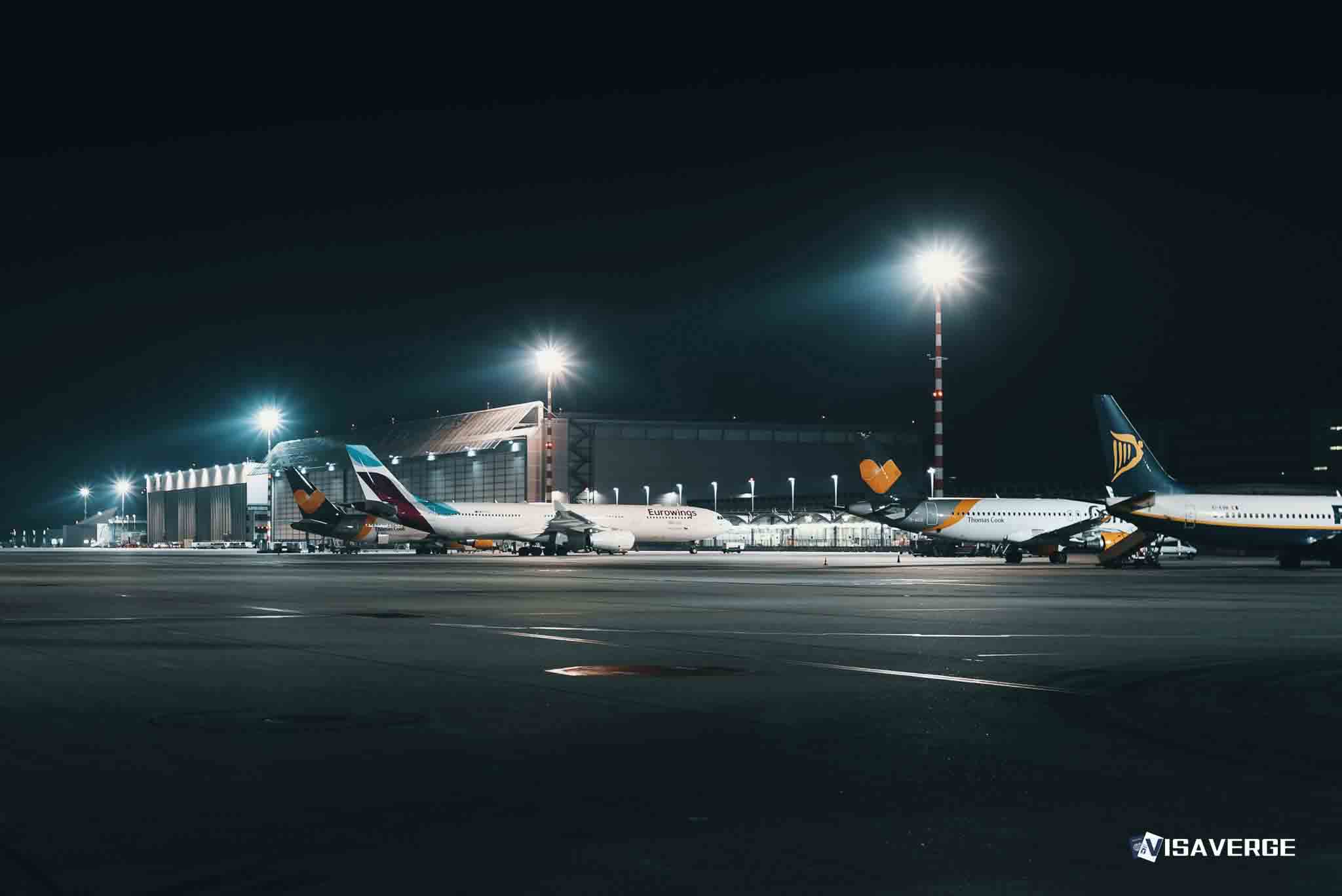
RAP vs. Sioux Falls: quick recommendation
- Choose RAP Airport if you’re headed to the Black Hills, Mount Rushmore, or Rapid City itself, and you value shorter ground time over slightly more flight choice.
- Choose Sioux Falls (FSD) if you want more daily frequencies, more fallback options during weather, and often better same-day rebooking odds.
Both airports are investing heavily. The difference is how that investment matches your trip.
Side-by-side comparison: RAP vs FSD for 2026 travel
| Factor | Rapid City (RAP) | Sioux Falls (FSD) |
|---|---|---|
| Best for | Black Hills trips, western SD | Eastern SD, more connection choices |
| Terminal trajectory | Major expansion phase triggered by the new federal grant | Terminal expansion also funded, moving in parallel |
| Crowd pressure | Spiky peaks tied to leisure waves | More consistent business + leisure flow |
| Flight options | Fewer total routes and frequencies | More total flights and schedule depth |
| Irregular ops recovery | Fewer same-day backups | More rebooking paths via more departures |
| Typical traveler win | Shorter drive and simpler logistics | Better odds of a convenient connection |
| Miles & status strategy | Great when nonstop fits your plan | Often easier to “build” segments and protect status plans |
| Construction risk | Higher near-term chance of detours and temporary layouts | Also possible, but usually with more space to absorb it |
What changed: the February 2026 funding, in plain English
Rapid City Regional’s new funding is the trigger for a bigger push on passenger space. In practice, this phase is aimed at three things you’ll notice immediately:
- More places to park an airplane (added gates).
- More room for you to wait (bigger holdrooms, less gate-area crowding).
- A terminal that works better for more travelers (accessibility upgrades and passenger-facing improvements).
The grant came through Congressionally Directed Spending in the Transportation-HUD appropriations process. Think of this as lawmakers steering set-aside federal dollars to specific projects back home. Airports pursue it because it can fund big chunks of work that are hard to cover with local revenue alone.
South Dakota’s other big recipient is Sioux Falls, which also secured terminal money. Together, the state’s two main commercial airports are scaling up at the same time, instead of leapfrogging each other.
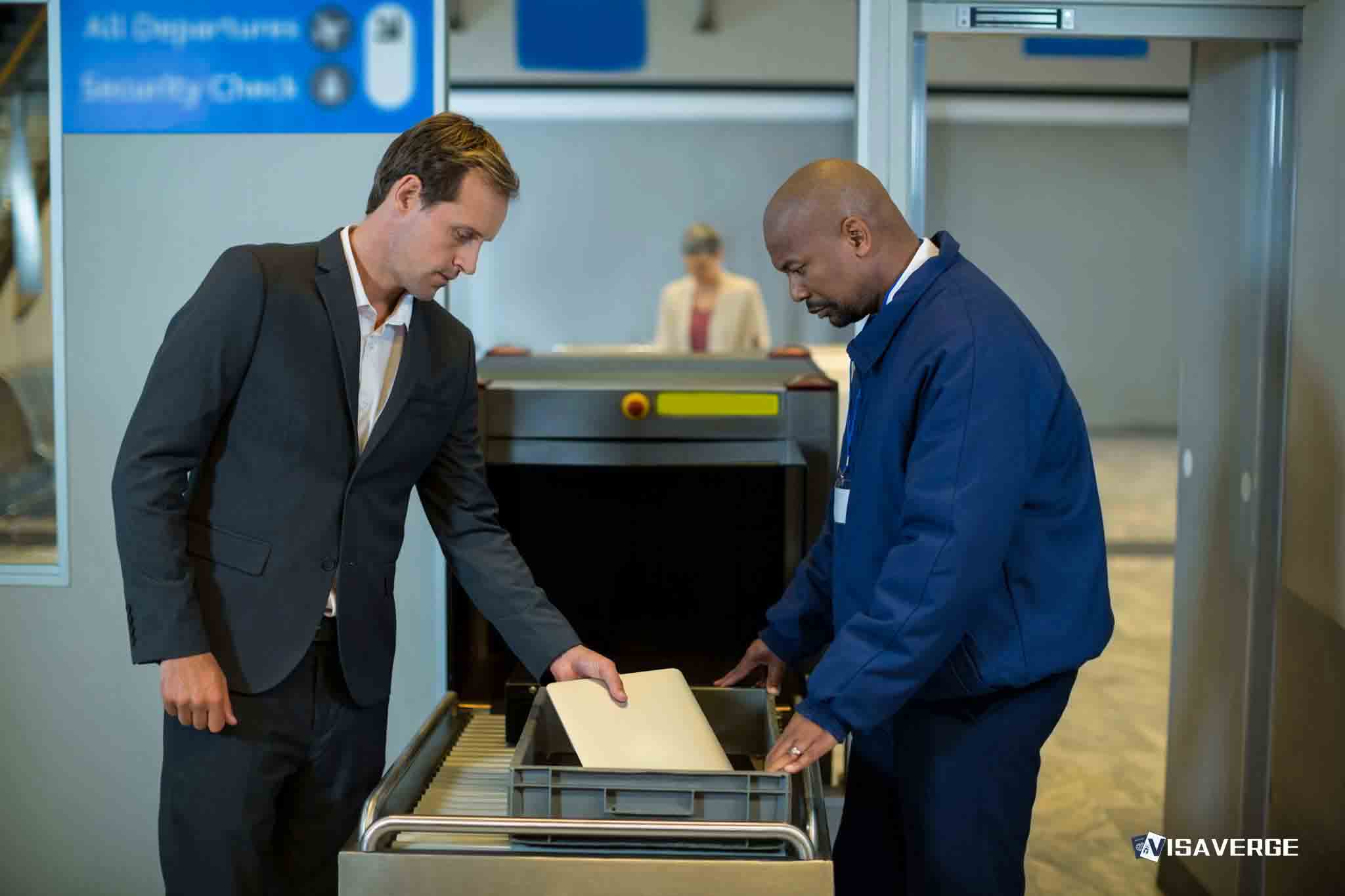
⚠️ Heads Up: Construction often reshuffles curbside drop-off, ticketing, and TSA approaches. Plan extra time during peak summer weekends.
Why RAP and Sioux Falls both get attention: traffic concentration and “enplanements”
South Dakota’s airline traffic is concentrated. Most commercial passengers start their trips at either Rapid City or Sioux Falls, with far fewer at smaller fields. When traffic clusters like this, federal and state funding tends to follow the same pattern, because that’s where gate shortages and processing bottlenecks show up first.
Airports and grant programs often justify projects using enplanements. An enplanement is one passenger boarding a plane. If you fly roundtrip, you typically count as two enplanements.
That metric matters because terminals are built around passenger flow. When an airport posts record boarding totals, it’s a strong argument for more gates, more seating, and better checkpoint and baggage layouts.
Just as important, passenger volume influences airline planning. Airlines are more likely to defend a route when the airport can handle peak-hour surges without turning every Saturday into a line-and-crowd experience.
What the RAP Terminal Renovation and Expansion Project actually changes
Airport project lists can read like alphabet soup. Here’s what it means in traveler terms, versus behind-the-scenes operations.
What you’ll notice as a passenger
- More gate seating and breathing room during the busy departure banks.
- Smoother circulation between ticketing, TSA, and the gate area, with fewer pinch points.
- Accessibility improvements that make the terminal easier for everyone, including travelers using wheelchairs or needing step-free routes.
What you won’t see, but you’ll feel
Two behind-the-scenes items are especially important at a winter-prone airport like Rapid City.
Inline baggage screening: This means checked bags are screened by TSA equipment that’s integrated into the baggage system, instead of relying on ad hoc layouts that can eat up public lobby space. Inline systems usually require different room shapes, conveyor runs, and secure-area planning. The payoff is better flow and fewer awkward chokepoints near ticketing.
Apron expansion and deicing capacity: The apron is the paved area where aircraft park, push back, and get serviced. A deicing apron is a dedicated space for spraying deicing fluid before takeoff. More deicing capacity matters because it can reduce winter gridlock. It can also protect turn times, which protects the whole day’s schedule.
Airports also use growth forecasts when sizing gates and holdrooms. The goal is to build for steady demand increases without building a half-empty terminal in the off-season. That’s why you’ll hear planners talk about growth rates and multi-year projections.
Miles, points, and elite status: how your strategy changes by airport
Terminal projects don’t change award charts. They do change your day-of-travel reliability, which can be just as valuable if you’re chasing status or protecting an international connection.
If you care about earning status
- More frequencies usually help status goals. Sioux Falls often gives you more ways to add segments and recover from a missed connection.
- RAP can still be the better status move when a nonstop or clean one-stop is available. Fewer legs means fewer failure points.
If you care about redeeming miles
– Smaller airports like RAP can have tighter award inventory on the most convenient flights. When seats appear, they can disappear quickly around summer leisure peaks.
– Sioux Falls’ larger schedule often means more award flight combinations, especially on connection-heavy itineraries.
Practical advice for award bookings into RAP
- If you see saver-level space to RAP for summer dates, book it. Leisure demand to the Black Hills is real, and seats can dry up.
- If your program allows free changes or easy redeposit, lock something in early and adjust later.
Competitive context: how this stacks up against other small-city airports
RAP’s five-new-gate direction is a classic small-hub play. The airport is trying to stay ahead of crowding so airlines keep schedules attractive. In other regions, the opposite story is common: small airports lose flights when terminals feel constrained, or when irregular operations cascade into missed connections.
By improving gate space, baggage flow, and winter ops support, RAP is making a clearer case to airlines that the airport can handle growth without melting down on peak days. That’s especially important when carriers are constantly reallocating aircraft to the highest-return markets.
How airport projects move: milestones, phases, and what you experience
Airport expansions don’t happen in one clean burst. They move through a predictable sequence:
- Board approvals to pursue funding and authorize planning.
- Grant applications to specific programs.
- Awards announced and accepted, often with conditions and reporting requirements.
- Procurement and contractor selection, then a formal notice to proceed.
At RAP, earlier phases included groundwork like expanding baggage areas, relocating TSA checkpoint functions, and remodeling ticketing. A contractor award and subsequent construction activity followed.
Phased construction is the only realistic way to keep an airport operating. It also explains why your experience can change month to month. One trip might have a temporary TSA entrance. The next might reroute you past construction walls near ticketing.
If you’re flying RAP during active work, expect:
- Temporary wayfinding signs and detours.
- Shifts in where lines form for check-in and security.
- Occasional gate-area crowding if multiple flights overlap.
Who’s responsible, and what the quotes really signal
RAP’s executive director has framed the grant as an infrastructure investment that keeps air service viable. That’s not just civic pride. It’s a message to airlines: “We’re building the capacity and passenger experience you need to keep flying here.”
Elected officials play a different role. Congressionally Directed Spending is not the same as routine formula funding. Formula dollars tend to be based on set criteria and recurring allocations. Directed spending is more targeted, and it often takes sustained advocacy.
Day-to-day execution usually sits with airport management and their contractors, plus coordination with TSA for screening changes and secure-area impacts. That TSA coordination is a quiet driver of timelines, especially when checkpoints or baggage screening footprints change.
The master plan: why RAP talks about long-range gates and big-dollar visions
An airport master plan is a blueprint for growth. It typically covers:
- Demand forecasts and passenger trends.
- Facility needs, like gates, baggage, and curb space.
- Phasing plans that match likely funding windows.
- Planning groundwork that helps later design and environmental steps.
RAP’s earlier studies fed today’s choices. That includes a larger gate buildout concept and a multi-phase, higher-cost vision that won’t be built all at once. The point of that long-range concept is optionality. The airport can build what’s needed now, then add pieces later when traffic and funding align.
Choose RAP if… / Choose Sioux Falls if…
Choose RAP Airport if:
- You’re visiting the Black Hills and want the shortest drive.
- You’ve got a good nonstop or an easy one-stop.
- You’re traveling with family and value fewer connections.
- You’re arriving in winter and want to avoid a long post-flight drive across the state.
Choose Sioux Falls if:
- Your schedule is tight and you need multiple daily backup flights.
- You’re connecting onward and want more same-day rebooking options.
- You’re chasing elite status via segments and want more itinerary choices.
- You’re price-shopping and can tolerate a longer drive to the Black Hills.
Nuanced verdict for 2026 travelers
RAP’s terminal expansion, boosted by the $20M federal grant, is the kind of investment that can change an airport’s feel for decades. More gates and better passenger space mean fewer pressure-cooker moments during peak departures. The behind-the-scenes work matters too, especially for winter reliability.
But in the near term, Sioux Falls will still win on schedule depth. More flights usually means more flexibility, which is priceless when weather or maintenance hits.
If you’re booking summer 2026 trips to Rapid City, lock flights early, especially on the most convenient departure banks. If you’re flying during construction windows, pad your arrival by 30 minutes and keep connections conservative, because terminal detours and crowded peaks are when small delays pile up fastest.