- A major ethics scandal threatens Qatar Airways’ expansion across the European Union due to improper gift acceptance.
- Former transport chief Henrik Hololei violated ethics rules by accepting free business-class flights during air deal negotiations.
- While current flights continue, the controversy may stifle future route growth and increase scrutiny from aviation unions.
Qatar Airways’ ability to launch (and scale) flights across Europe is facing fresh political pressure in Brussels. The trigger is an ethics scandal inside the European Commission tied to free Qatar Airways business-class travel during the EU–Qatar air deal talks. For travelers, this isn’t an “all flights canceled tomorrow” situation. But it could shape future route growth, flight frequencies, and competition on Europe-bound itineraries via Doha.
Route details: what’s effectively on the table
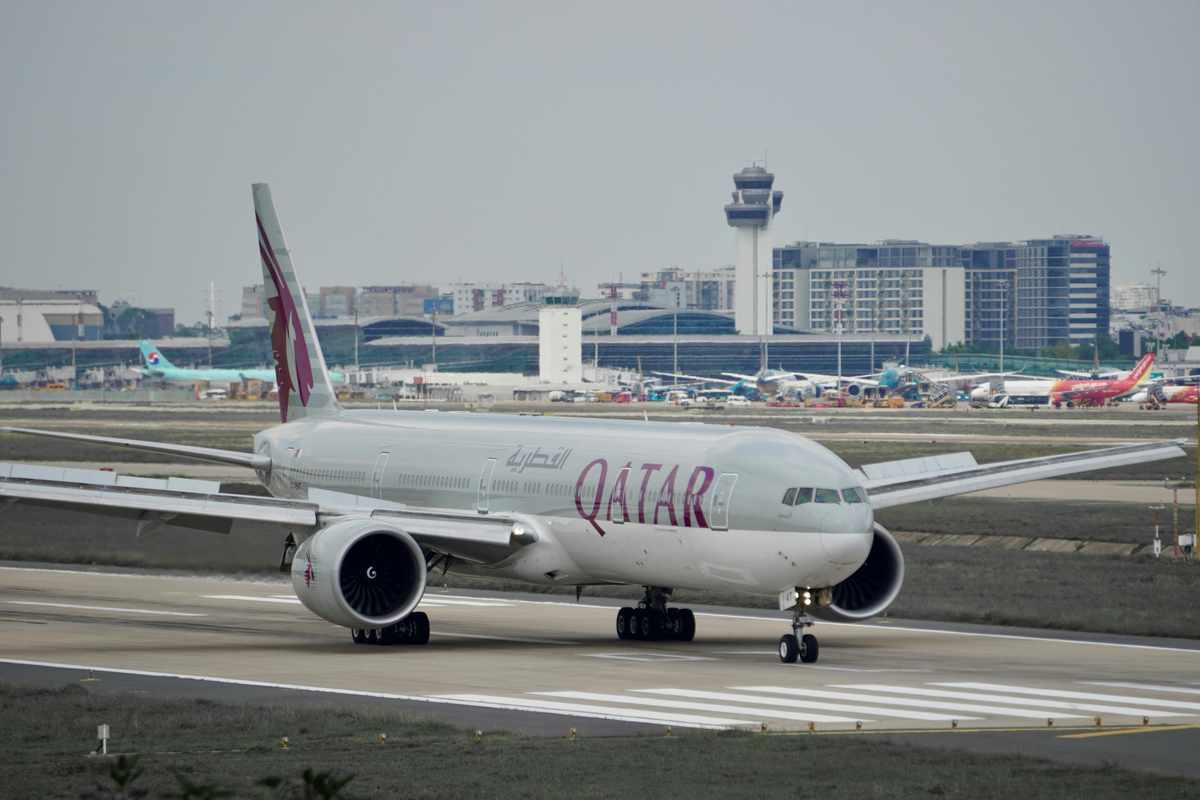
While this isn’t a single newly announced city-pair, the EU–Qatar Comprehensive Air Transport Agreement is, in practice, a “route expansion permission slip” for Qatar Airways across the EU. That’s why the controversy matters to anyone who relies on Doha connections into Schengen Europe.
| Detail | Information |
|---|---|
| Origin | Doha (DOH) |
| Destination | EU-wide access (any EU member state), subject to airport slots |
| Frequency | Varies by market; airline can add capacity where slots exist |
| Aircraft | Varies by route (commonly widebodies on high-demand markets) |
| Start Date | Agreement finalized in 2019; still applied provisionally as of Feb. 2026 |
Overview of the controversy
At the center is a senior European Commission official who accepted free premium travel connected to Qatar Airways during the period when the EU-Qatar air deal was being negotiated. The fallout has been swift on the personnel side, and louder on the politics side.
Why you should care: EU aviation agreements are built on trust and process. When that credibility takes a hit, airlines and unions often push for tougher scrutiny, delays, or reversals. None of that automatically grounds aircraft. But it can chill future approvals and expansion momentum.
Qatar Airways is central because the agreement gives it broad market access across the EU. That access is exactly what labor groups and some European airline voices have criticized for years.
The official and the ethics breach: what is known
Henrik Hololei led the European Commission’s transport and mobility department, a post that sits close to the heart of airline negotiations and aviation policy.
Commission findings say Hololei violated ethics rules after accepting benefits over several years. Those benefits included complimentary business-class flights and hotel stays, with some travel linked to Qatar Airways and some funded via third parties. Timing matters because the accepted hospitality overlapped with the period when aviation policy and access were being debated.
The process moved through multiple stages rather than a single headline moment. There was an internal investigation and later an investigation by the European Anti-Fraud Office (OLAF). In late January 2026, a Commission vice president publicly confirmed the ethics breach. Hololei’s contract was terminated, with his exit scheduled for mid-February 2026.
Even if an air agreement stays legally intact, an ethics breach can be gasoline on a political fire. It gives critics a simple argument: the negotiation wasn’t clean, so the outcome deserves rechecking.
The EU–Qatar Comprehensive Air Transport Agreement: what it changes in practice
The EU-Qatar air deal, finalized in 2019, is best understood through two concepts: market access and constraints.
- Market access: Qatar Airways can serve the EU broadly rather than being boxed into tighter, country-by-country limits.
- Constraints: The real limiter is often airport slots. If an airport is slot-constrained, “permission” doesn’t guarantee a usable takeoff and landing time.
European airline and union critics have long argued reciprocity is lopsided. The core complaint is commercial reality. Qatar Airways gets wide access to many EU markets, while EU carriers’ comparable “right” is largely to serve Doha. That can be less attractive on a pure demand basis, depending on the carrier’s network and home market.
For travelers, these agreements tend to show up as:
- More one-stop options to Europe via Doha
- More pressure on fares when capacity rises
- More schedule choices, especially from secondary cities—when slots exist
Calls for suspension and reactions from aviation stakeholders
European aviation unions have called for an immediate suspension of the agreement while corruption-related questions are addressed. The European Cockpit Association has echoed concerns about an “unequal playing field” and wants deeper scrutiny of EU–Qatar relations.
The unions’ point is less about whether a single clause was “bought,” and more about whether the negotiation process can be trusted when the top transport official accepted major hospitality from a state-owned airline that benefits from the deal.
It’s important to separate calls from action. A demand to suspend is political pressure. A suspension would require formal steps by EU institutions.
⚠️ Heads Up: A suspension debate is more likely to hit future growth first—new routes, extra weekly frequencies, and seasonal increases—before it affects flights already operating.
Current status (February 2026) and what a review could mean for flights
As of Tuesday, February 10, 2026, the agreement remains in force on a provisional basis, and Qatar Airways continues operating its extensive European network. The European Commission has not announced a formal review or suspension.
“Provisional” matters because it can leave more room for reassessment and political leverage than a fully settled, politically quiet agreement. That doesn’t mean travelers should expect immediate disruption. But it does define what to watch if tensions rise.
If the situation escalates into formal action, the most realistic operational pinch points are:
- Capacity growth slowing on contested markets
- Route launches being delayed or reconsidered
- Administrative friction around approvals
- Knock-on disruption if schedules are reshuffled, especially at slot-constrained airports
For passengers, the practical concern is rebooking risk. If you’re connecting via Doha into a tight Schengen itinerary, any frequency reduction can reduce same-day backup options.
Miles and points: earning and redemption angles
Qatar Airways’ Privilege Club uses Avios, and that’s a big deal for points collectors.
Earning:
- Paid Qatar Airways flights can earn Avios and tier credit in Privilege Club.
- You can also credit many Qatar flights to other oneworld programs, depending on fare class.
Redemption:
- Avios are flexible because you can move Avios between Qatar Airways Privilege Club and British Airways Executive Club at a 1:1 rate.
- That flexibility can matter if one program shows better pricing or availability for the same Qatar-operated flight.
If you’re based in (or transiting) the UAE, Doha is often a short hop that opens up a huge European map. This controversy doesn’t change Schengen entry rules. It only touches air-service permissions and politics.
Competitive context: who else can get you there?
On many Europe–Gulf itineraries, Qatar Airways competes most directly with:
- Emirates (via Dubai)
- Etihad (via Abu Dhabi)
- Direct flights on European carriers, where they exist
If EU–Qatar access became more constrained, the practical “Plan B” for many travelers would be routing via the UAE hubs. That usually means similar one-stop travel times, but different award seats and partner options.
What to watch next
Real-world signals that matter more than social media noise:
- European Commission statements about review or suspension steps
- Parliamentary questions that force formal answers on the record
- OLAF updates tied to process outcomes
- Airline schedule filings that quietly trim frequencies or delay launches
- Slot usage shifts at constrained European airports
This route framework is ideal for travelers who want one-stop access to a wide range of Schengen cities via Doha, especially when nonstop options are limited. If you have summer 2026 travel in mind, book flights with at least one solid same-day alternative and keep an eye on schedule-change emails, since capacity politics tends to show up there first.