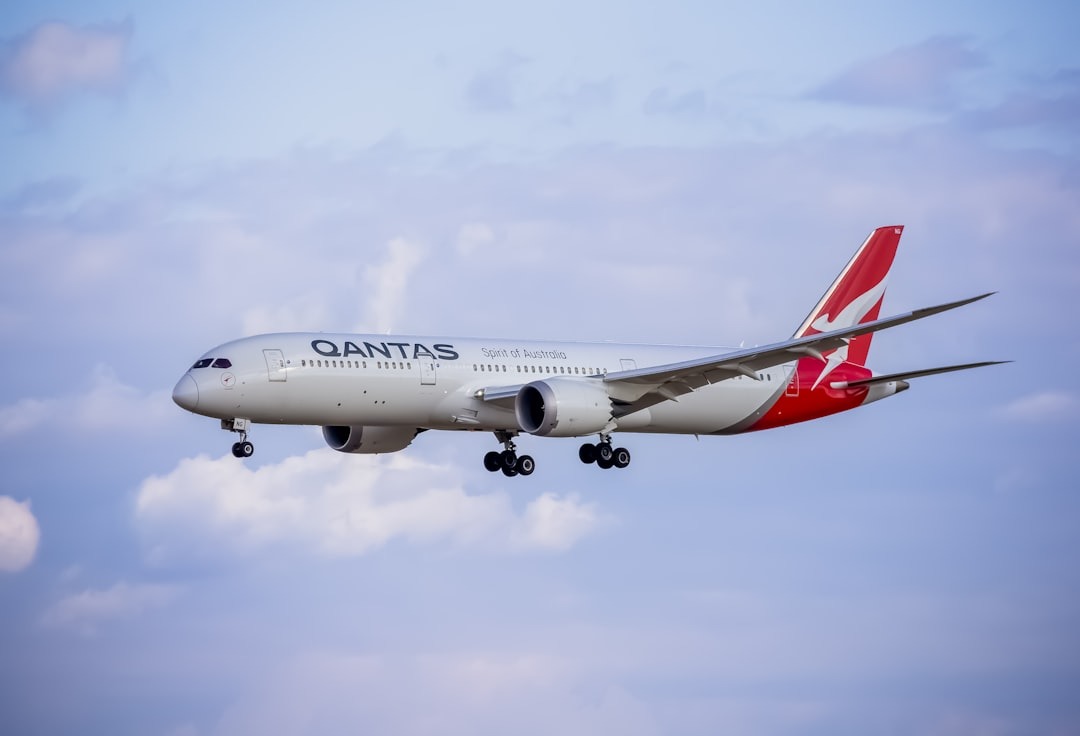
(SYDNEY, AUSTRALIA) A routine domestic departure from Sydney Airport turned into a serious safety incident when a QANTAS Boeing 737 took off nearly 10,000 kilograms heavier than its pilots believed, leading to a tailstrike that investigators later traced to basic but critical data entry errors on the flight deck. On August 1, 2014, Qantas flight QF842, carrying 77 people, scraped its tail on the runway during takeoff after pilots entered the wrong takeoff weight and incorrect engine settings into the aircraft’s iPad performance system, according to findings by the Australian Transport Safety Bureau (ATSB).
What went wrong: the data entry errors
The ATSB reported the most serious mistake was a simple transposition of numbers. Instead of entering the correct takeoff weight of 76,400 kilograms, the crew typed 66,400 kilograms into the tablet application that calculates speeds and thrust for departure.
That 10,000‑kilogram gap — almost 10 metric tons — meant the software treated the aircraft as far lighter than it really was. As a result, the tablet gave the pilots rotation speeds and power settings that were too low for the actual weight of the aircraft sitting at the end of Sydney’s runway.
In a second error, the pilots selected an engine temperature setting of 51 degrees instead of the correct 35 degrees, further reducing the thrust the engines would deliver for takeoff.
Immediate aerodynamic consequence
- The wrong weight and incorrect temperature setting together caused the aircraft to accelerate more slowly.
- The aircraft lifted off in a condition investigators described as “overpitch” — climbing at too steep an angle for the conditions.
- As the nose rose, the tail dipped just enough to scrape the runway surface.
Damage, warnings and potential risks
Although the tail contact was slight, investigators emphasised the potential severity:
- The tail contact did not trigger the aircraft’s dedicated tailstrike sensor.
- A warning appeared in the cockpit heads‑up display.
- Cabin crew reported hearing a “squeak” at the moment of rotation.
Planes are not designed to drag their rear sections along the runway. Damage to the tail can:
– Weaken the jet’s ability to keep cabin pressure,
– Compromise structural integrity,
– Create risk of loss of control if structural panels fail later in flight.
Investigators stressed that even a slight scrape had the potential to be far more serious.
Why the procedural checks failed
The ATSB concluded the data entry errors were “inadvertent” and noted the crew were properly rested. Rather than fatigue, the report pointed to weaknesses in the procedures intended to catch such mistakes.
Key findings about checks and procedures:
– The system required pilots to compare calculated takeoff speeds as a verification step.
– Investigators found the procedure for crew comparison of the calculated speed could be misinterpreted, negating the effectiveness of the check.
– In simple terms, a safety net meant to protect against human error could itself fail if crews misunderstood how to use it.
Changes implemented after the incident
Qantas revised its procedures in response:
- Both pilots must now verify all figures entered into the iPad app before departure.
This change improves redundancy and ensures two sets of eyes confirm any critical input.
Broader lessons: small errors, large consequences
VisaVerge.com analysed the event and noted parallels with immigration and border security systems where small typing mistakes (names, passport numbers, dates of birth) can cause major downstream issues such as delays, questioning, or denied boarding.
A single mistyped code in a complex system can quickly multiply into dozens of downstream failures.
The QF842 case is a reminder that:
– Electronic tools are aids, not replacements for independent human judgment.
– Front‑line staff must treat every data field as a decision with real consequences.
– Multiple independent checks are essential in high‑risk processes.
Relevance to travellers and migration
For travellers, the incident underscores that safe air transport underpins modern migration and long‑haul movement between countries such as Australia and the United States 🇺🇸. Many people heading to new lives abroad, or returning to renew visas and residence permits, rely on aircraft like the QANTAS Boeing 737 and trust that crews, airlines, and regulators have layered protections against simple but dangerous mistakes.
Official agencies such as the Australian Transport Safety Bureau publish detailed reports precisely so operators can learn from events like QF842 and tighten procedures before a more serious disaster occurs.
Final perspective and reminders for aviation professionals
The fact that this QANTAS Boeing 737 tailstrike did not lead to injuries offers limited comfort. Safety specialists note the critical issue was how many barriers failed to catch the errors before the aircraft was already accelerating down the runway:
- Mis‑entered weight
- Wrong temperature selection
- Misinterpreted comparison procedure
- Failure of any additional cross‑check
Together these created the potential for a “catastrophic” outcome.
For pilots and airlines, the event reinforces an important professional habit: slow down, read back every critical number, and have two people confirm figures that affect performance. Training departments can use this case study to:
- Remind crews to verify inputs and question anything that looks unusual.
- Emphasise that electronic calculations should be sanity‑checked against independent judgment.
- Improve procedural clarity so verification steps cannot be misinterpreted.
For future passengers on routes within Australia and beyond, the real measure of QF842’s impact will be flights where nothing unusual happens — because one more crew member paused, questioned a number, and corrected it before takeoff.
On August 1, 2014, Qantas flight QF842 scraped its tail during takeoff at Sydney after pilots entered the wrong weight (66,400 kg instead of 76,400 kg) and an incorrect engine temperature (51°C vs 35°C) into a tablet performance app. The 10,000‑kg discrepancy and reduced thrust produced low acceleration and an overpitch condition. The ATSB cited misinterpreted verification procedures; Qantas now requires both pilots to confirm all iPad inputs to improve redundancy.