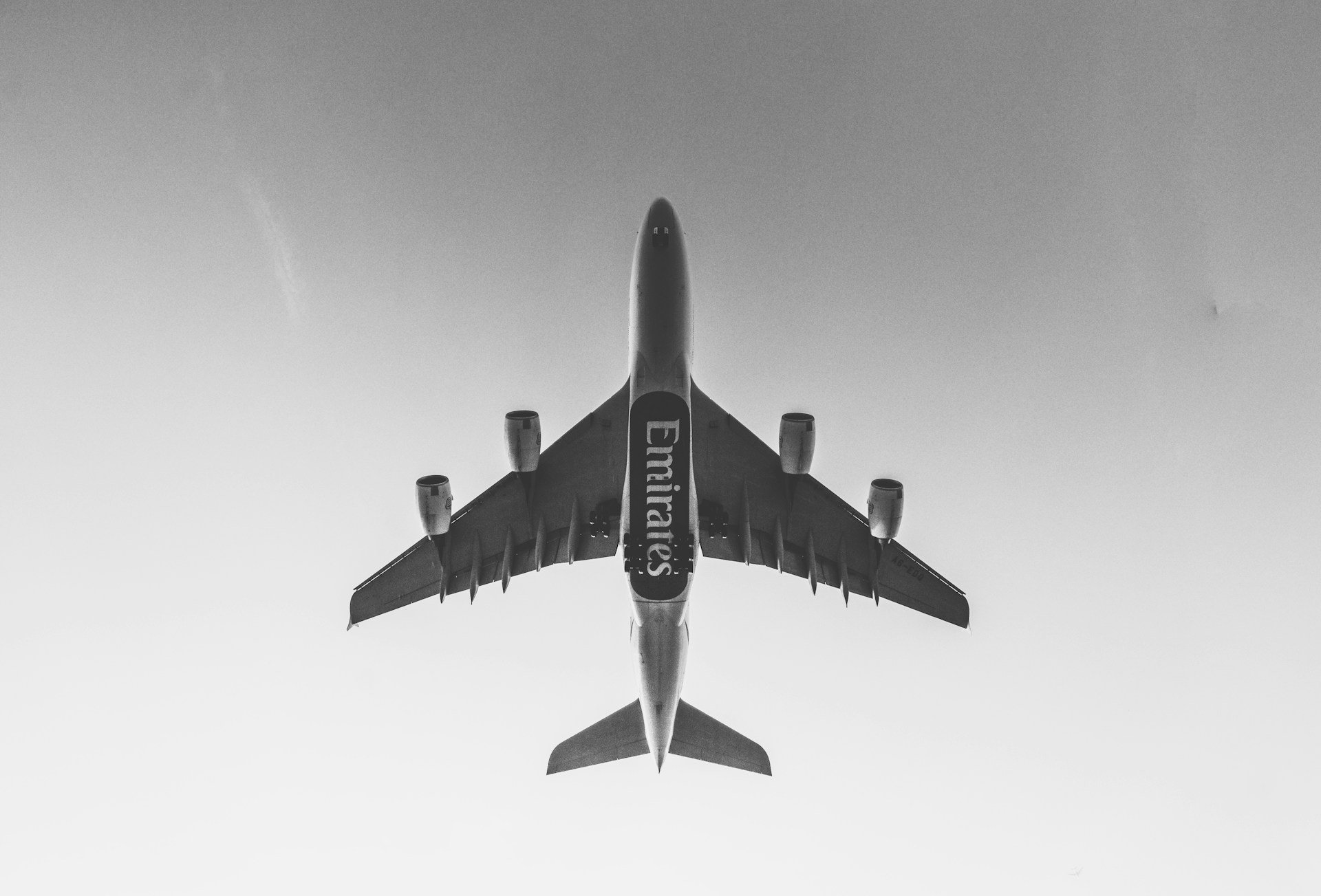
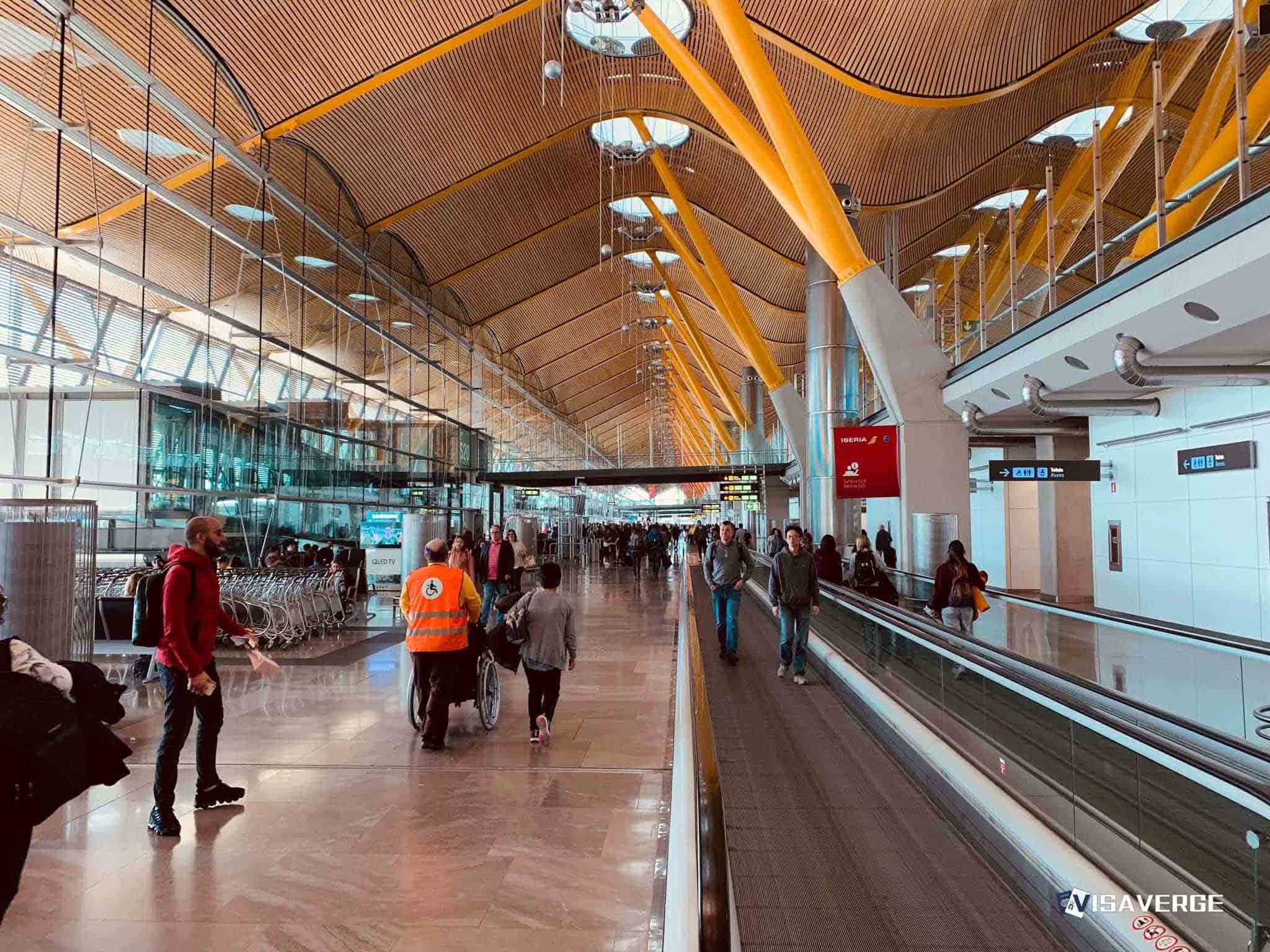
- Dubai International Airport is facing short-term flight suspensions and rolling cancellations through early March 2026.
- Emirates offers the best long-haul options while flydubai is recommended for quick regional rebooking.
- The UAE government is footing welfare bills for stranded passengers, including meals and hotel extensions.
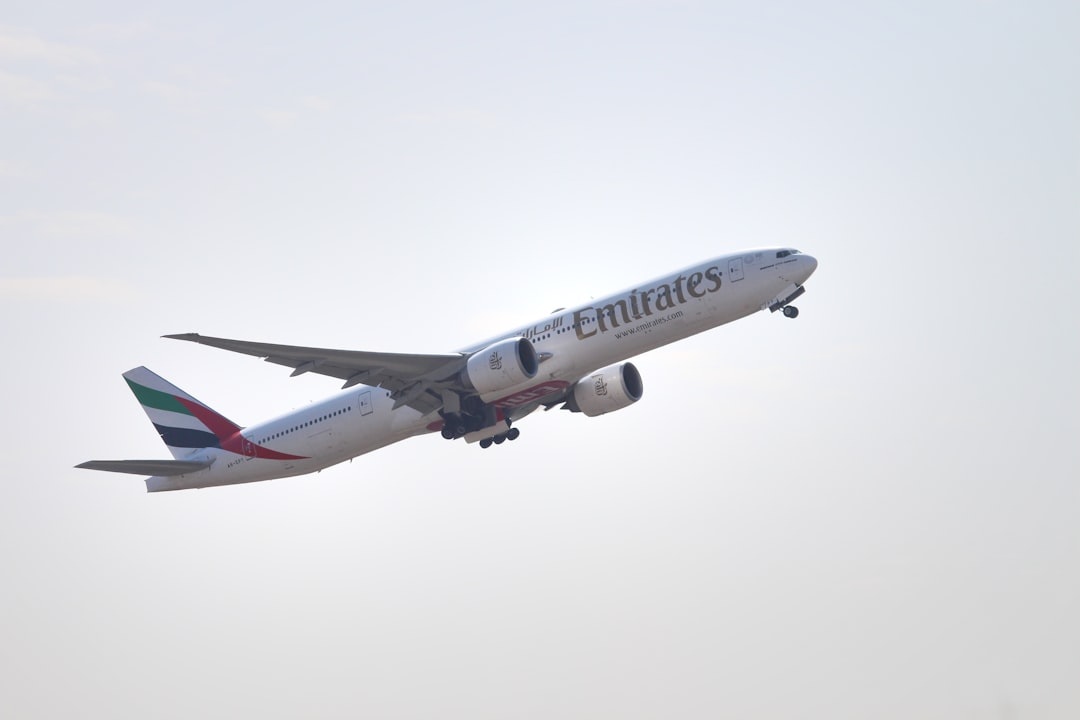
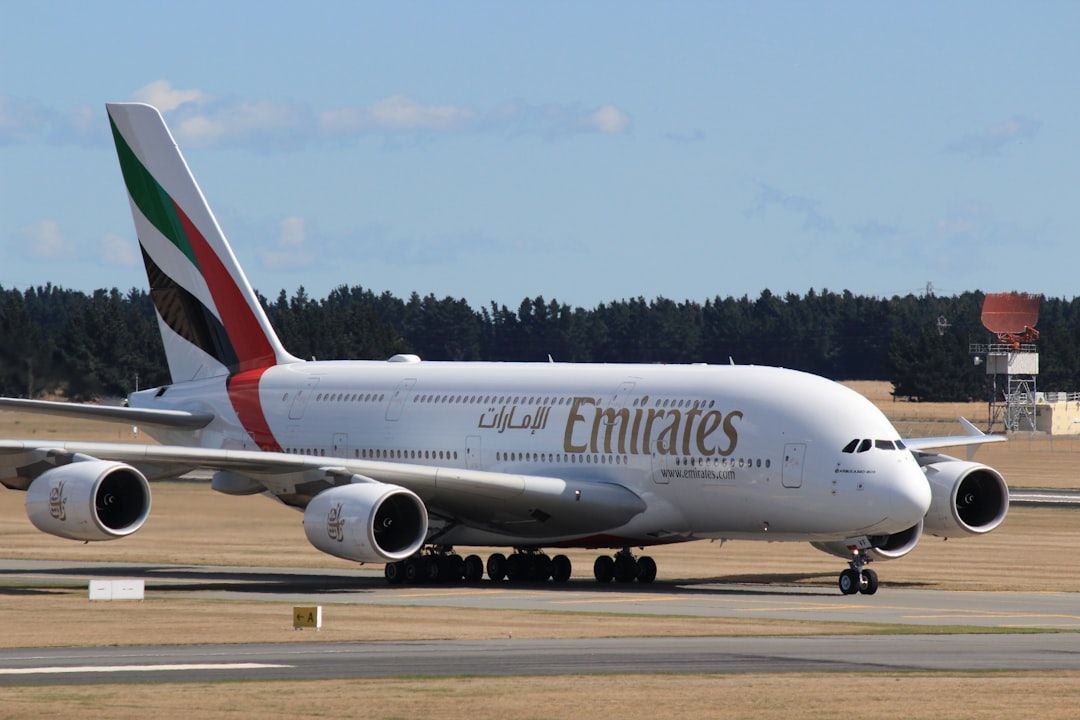
(DUBAI, UAE) — Flights through Dubai International Airport are still facing a short-term suspension and rolling knock-on cancellations, so the “best” airline right now is the one that can rebook you fastest without costing you a fare difference. For most travelers, that means Emirates if you need long-haul lift and broad reroute options, and flydubai if you’re staying regional and want quick, simple reaccommodation.
This is also one of those rare disruptions where the UAE government is directly footing a lot of the immediate welfare bill. That matters if you’re stuck airside with nowhere to sleep.
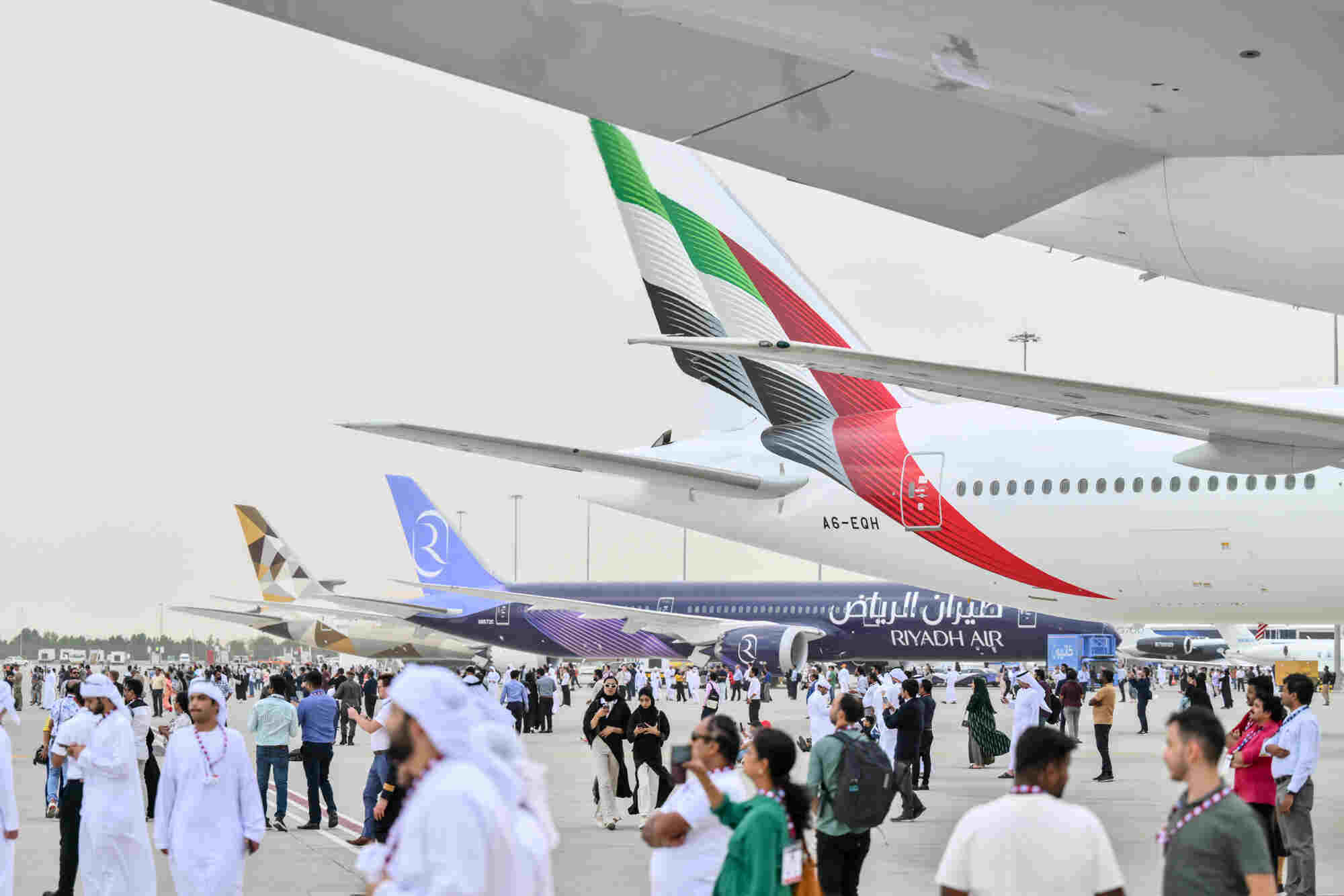
Below is how the main UAE and regional carriers stack up during the current disruption, plus exactly how I’d play it depending on what kind of trip you’re on.
At a glance: which airline gives you the best odds of getting moving?
Quick recommendation
- Choose Emirates if you’re on a long-haul trip, need premium cabins, or want the most alternative routing choices.
- Choose flydubai if you’re flying short-haul and just need the earliest available seat to the same country.
- Choose Etihad if you can pivot via Abu Dhabi and want a clean rebook or refund path.
- Choose Air Arabia if price matters most and you’re comfortable waiting for the network to steady.
- Choose “other carriers” only if you have a protected connection and your ticket is already under airport control.
Side-by-side comparison (policies and practical realities)
| Factor | Emirates (EK) | flydubai (FZ) | Etihad (EY) | Air Arabia (G9) | Other carriers (e.g., India-based airlines) |
|---|---|---|---|---|---|
| Best for | Long-haul, connections, premium cabins | Regional hops, quick reaccommodation | Re-routing via AUH, cleaner reset | Budget trips, flexible plans | Point-to-point, protected itineraries |
| Typical rebooking flexibility | Same or different destination within the same country | Same or different destination within the same country | Free rebooking on future dates | Flexible rebook per conditions | Varies by airline and fare rules |
| Rebooking window (high level) | Roughly 2–3 weeks from original date | Roughly 10 days from original date | Future dates allowed | Airline-defined | Standard disruption windows |
| Booking eligibility (high level) | Applies to certain tickets booked before a stated cutoff | Applies to affected tickets during the event | Applies to affected flights | Applies to affected flights | Depends on ticket and advisory |
| Near-term priority | Heavy focus on the next 72 hours | Heavy focus on the next 72 hours | Depends on AUH availability | Depends on station recovery | Depends on each carrier’s resources |
| Refund path | Direct bookings via airline form; agency via agent | Contact airline; terms vary | Refund option offered | Refund option offered | Airline portal or issuing agent |
| What you should expect at the airport | Biggest queues, but most staff and options | Faster decisions, smaller network | Less DXB pressure if you move to AUH | Limited handholding | Policy inconsistency across airlines |
Competitive context: This is where the UAE “big three” model shows. Emirates and Etihad can flex widebody capacity and shift flows, while low-cost carriers tend to recover in smaller chunks. That often means more waiting, but sometimes fewer premium-cabin headaches.
UAE Government Support for stranded passengers: what you can actually count on
When disruptions hit this scale, the biggest traveler pain point is basic: a place to sleep, food, and a safe terminal. In this event, the General Civil Aviation Authority has stepped in with a rare and traveler-friendly move.
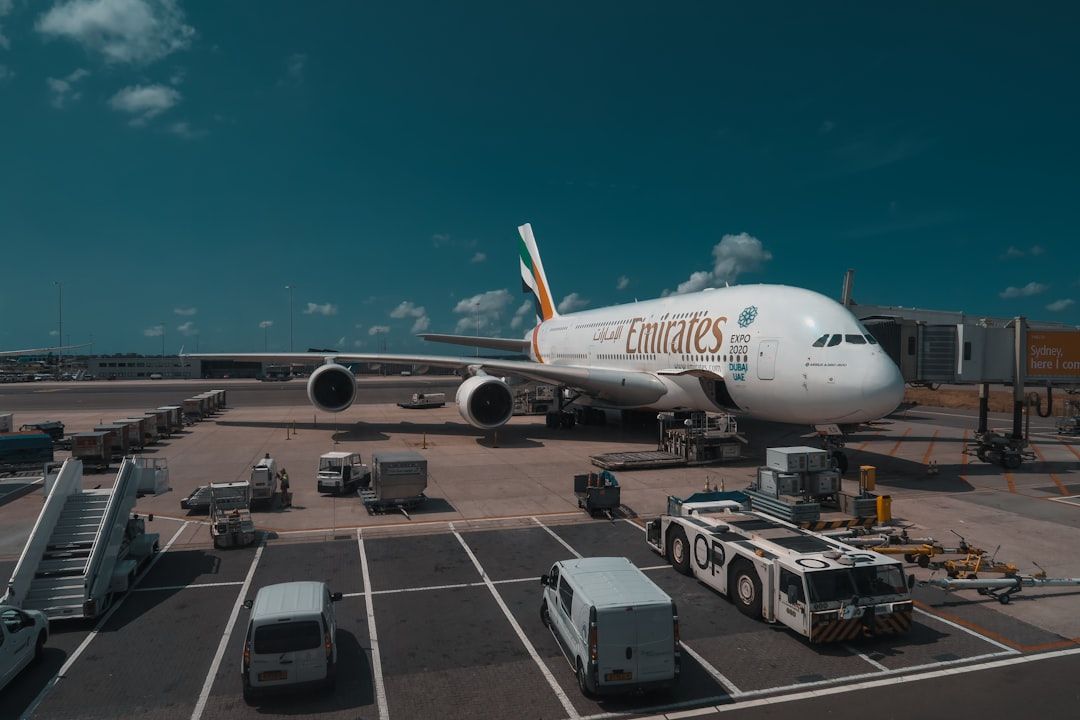
UAE authorities are covering accommodation, meals, refreshments, and hosting-style logistics for affected passengers. Temporary airport facilities have already handled around 20,000 passengers. Think rest areas, controlled holding spaces, and staff support that keeps terminals from becoming unsafe.
There’s also a hotel angle that matters if you’re in Dubai or Abu Dhabi already. Local authorities have directed hotels to extend stays without immediate checkout pressure or extra costs for guests who can’t depart. That keeps families and long-haul passengers out of the terminal. It also reduces crowding at check-in and immigration.
This support is aimed at affected and stranded passengers, not people choosing to show up early “just in case.” If you aren’t confirmed to travel, staying away from the terminal helps everyone.
Stage 3 Irregular Operations at Dubai Airports: what it means in real life
Dubai Airports has activated Stage 3 Irregular Operations. this is an escalation level used when the airport needs extra controls to keep people safe and moving.
Here’s what changes for you inside Dubai International Airport:
- More crowd control and queue management. Expect re-routed lines, cordons, and more “follow staff” moments.
- Extra staffing and security presence. This is about safety and flow, not customer service polish.
- Basic comfort measures. You may see cots or rest areas, plus meal voucher style support in certain cases.
Stage 3 is also a signal that the airport expects disruption to be sustained, not a one-hour hiccup. Your best move is to treat DXB like a managed environment. Follow airport signage and airline instructions. Don’t freelance your own plan in the terminal.
Heads Up: During Stage 3 conditions, counters can restrict service to passengers departing soon. That’s normal, even if it feels harsh.
Flight suspension timeline: why “reopened airspace” doesn’t mean your flight is fine
A suspension at Dubai International Airport means some flights simply won’t operate for a defined window. In this case, the current pause runs until about mid-afternoon UAE local time on Monday, March 2, 2026.
Regional airspace closures create a second problem that lasts longer: aircraft and crews end up out of position. Even after reopening, airlines must rebuild the chessboard:
- Aircraft may be stuck at diversion airports.
- Crews may have timed out legally.
- Maintenance schedules get scrambled.
- Gates get saturated by delayed arrivals.
That is why you can see cancellations continue even after the official “until” time.
For status checking, stick to official sources:
- Your airline’s app and website, using your booking reference.
- Dubai Airports advisories and terminal updates.
- Direct “Manage booking” tools, not social reposts.
If your flight shows “scheduled” but check-in is closed, treat that as a warning. In big disruptions, check-in status often tells you more than the timetable.
Airline policies compared: rebooking windows, refunds, and the fastest contact path
The hard truth: during mass disruption, the policy is only half the battle. The other half is execution. That means queue times, app reliability, and whether the airline can actually seat you within a few days.
Emirates (EK): most options, biggest volume
Emirates is usually your best bet if you’re long-haul, connecting, or trying to protect a premium cabin booking. The trade-off is volume. When EK gets hit, everyone gets hit.
What Emirates typically allows during this event:
- Rebooking to the same destination, or a different destination within the same country.
- A rebooking window that can stretch roughly two to three weeks from your original date.
- Priority attention to departures in the next 72 hours.
Refunds:
- If you booked direct, refunds typically run through an online form or self-service path.
- If you booked via an agency or OTA, the issuing agent controls the refund and reissue.
Miles and points angle:
- If you’re ticketed in a higher fare bucket, push to keep the same cabin and fare family. That protects elite credit on some programs.
- If you used Skywards miles, a disruption can be a chance to switch dates without paying a change fee. Inventory is still the limiter.
flydubai (FZ): fast rebooks, tighter network
flydubai tends to be more straightforward if you’re staying within the region. The rebooking window is typically around 10 days from the original travel date, with near-term seats prioritized.
A key operational move: flydubai has at times disabled app check-in during disruption periods. That’s meant to discourage unnecessary airport trips. It also forces you into online status checks first.
Refunds:
- Policies can be less uniform than full-service carriers. Expect case-by-case guidance through official channels.
Miles and points angle:
- If you credited to a partner program, save screenshots of the original itinerary and ticket number. Posting can get messy after mass reissues.
Etihad (EY): a clean reset if you can pivot to Abu Dhabi
Etihad’s biggest advantage right now is geographic. If you can reroute through Abu Dhabi, you may avoid some DXB terminal pressure.
Etihad is offering:
- Free rebooking on future dates for affected travelers.
- A refund option for eligible tickets.
If you’re holding points:
- Etihad Guest awards can be easier to salvage if you’re flexible. Partner seats may still be scarce in the first few days after operations resume.
Air Arabia (G9): budget-friendly, but expect more waiting
Air Arabia is a value play, but disruptions hit low-cost networks differently. You may see pauses, then a gradual ramp-up.
They have indicated:
- Flexible rebooking or refund options under disruption conditions.
- Standard contact center and website channels.
If your trip is discretionary, G9 can still be fine. If you must be somewhere tomorrow, I’d rather be on a bigger network.
Other carriers: wide variance, less room to bend rules
For airlines outside the UAE majors, the rules depend heavily on:
- Where the ticket was issued.
- Whether you’re on a through-ticket or separate tickets.
- Whether the carrier has strong local staffing at DXB right now.
If you booked via an OTA, expect slower reissue times. The airline may refuse changes until the agent requests them.
Pro Tip: If you’re on separate tickets, protect the long-haul first. Rebook the feeder flight after you’ve locked the intercontinental seat.
Choose X if… (real-world scenarios that match how people travel)
Choose Emirates if…
- You have a long-haul itinerary and missed connections matter.
- You need a realistic shot at business class seats after the restart.
- You want more alternative routes within the same country.
Choose flydubai if…
- Your trip is within the Gulf, Levant, Caucasus, or nearby regions.
- You’re fine in economy and just want the earliest seat.
- You can travel light and stay flexible with departure times.
Choose Etihad if…
- You can reposition to Abu Dhabi without turning it into a fiasco.
- You want a clearer “rebook or refund” choice.
- You have family travel and want less terminal chaos than DXB.
Choose Air Arabia if…
- Price is your main driver and your schedule has slack.
- You’re comfortable managing your own lodging and meals if needed.
- You can wait for the network to normalize.
Stick with another carrier if…
- You’re on a protected, single-ticket itinerary and the airline can endorse you.
- You’re flying to a destination the UAE carriers don’t serve well.
- You have elite status with that carrier and can access priority lines.
Immediate actions that actually save you time (before you go, and while you wait)
Your goal is to avoid the classic mistake: showing up at DXB with no confirmed flight, then joining the biggest line of your life.
Before you leave for the airport:
- Confirm your flight is operating and that check-in is open.
- Screenshot your booking, ticket number, and any advisory text.
- Pack essentials in your carry-on in case checked bags get delayed.
At the airport:
- Assume premium cabins are the first bottleneck after restart. Seats will be scarce.
- Expect long-haul reaccommodation to get priority over short-haul, especially at peak banks.
- If you’re stranded, use official support channels first. Don’t burn cash before you must.
Dubai’s practical upside right now is that the city can absorb people. Many venues remain open. Spending the night in a hotel beats sleeping under fluorescent lights.
Policy applicability, booking channels, and a sane routine for staying updated
These waivers apply to specific affected flights and tickets, not every flight touching the UAE. Eligibility can also change as operations stabilize.
Booking channel matters more than most people realize:
- Booked direct: the airline can usually reissue or refund fastest through self-service tools.
- Booked via an agency or OTA: the issuing agent controls the ticket. The airline may not touch it.
For updates, keep it boring and reliable:
- Airline travel advisories and manage-booking tools first.
- Dubai Airports updates second.
- Official government aviation notices third, including GCAA updates when issued.
If you’re making a new booking during the recovery, pick itineraries with longer connections. Add a buffer day if the trip is critical.
The most practical move right now is simple: don’t head to Dubai International Airport unless your flight is confirmed and check-in is open, and plan around disruption effects continuing past mid-afternoon Monday, March 2, 2026.