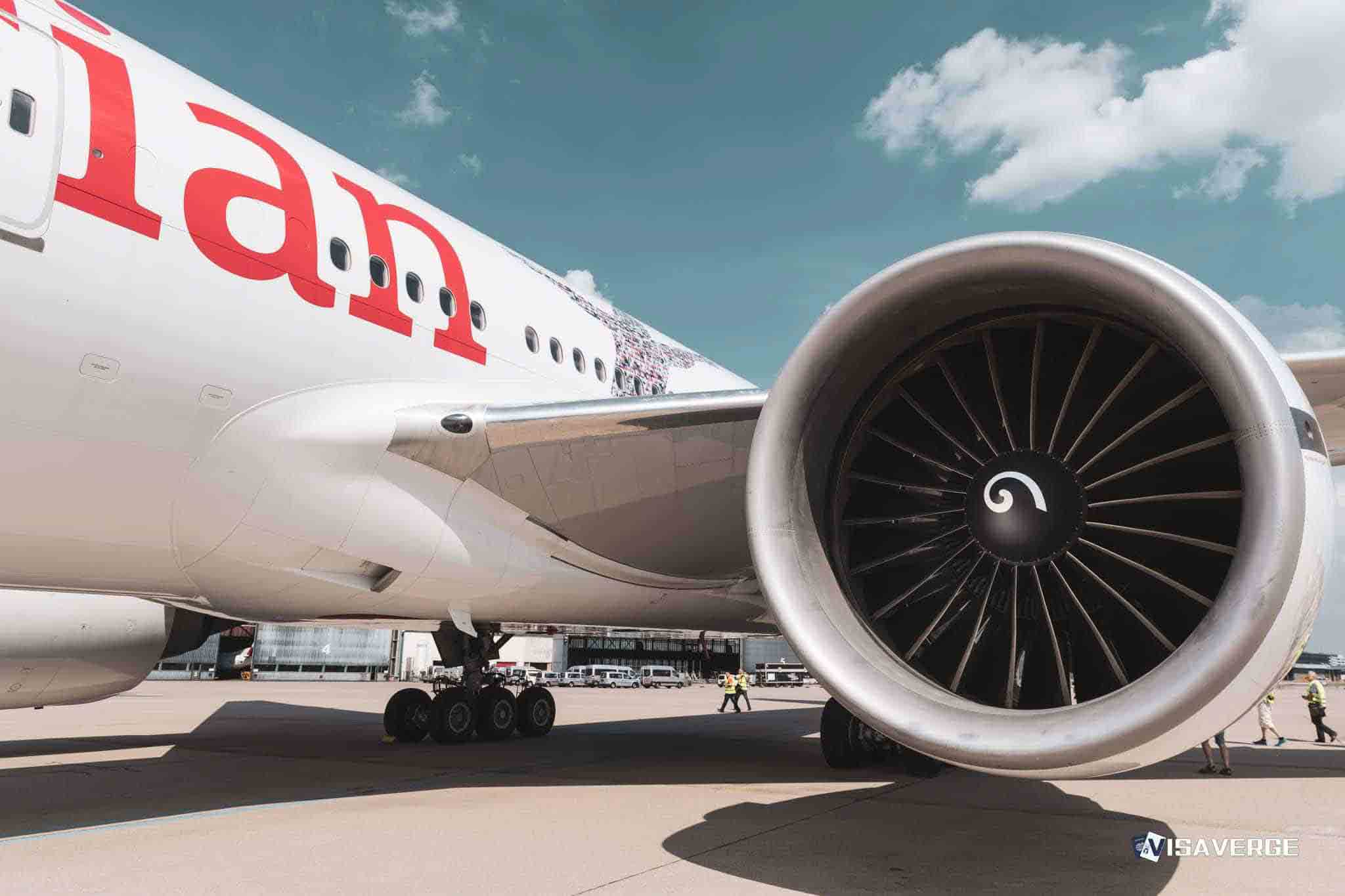
- Ethiopian Airlines ordered nine Boeing 787-9 Dreamliners for long-haul expansion between 2031 and 2033.
- The deal includes 11 Boeing 737 MAX narrowbody aircraft to bolster regional hub connectivity.
- The carrier aims for a 39-aircraft Dreamliner fleet to modernize routes and improve fuel efficiency.
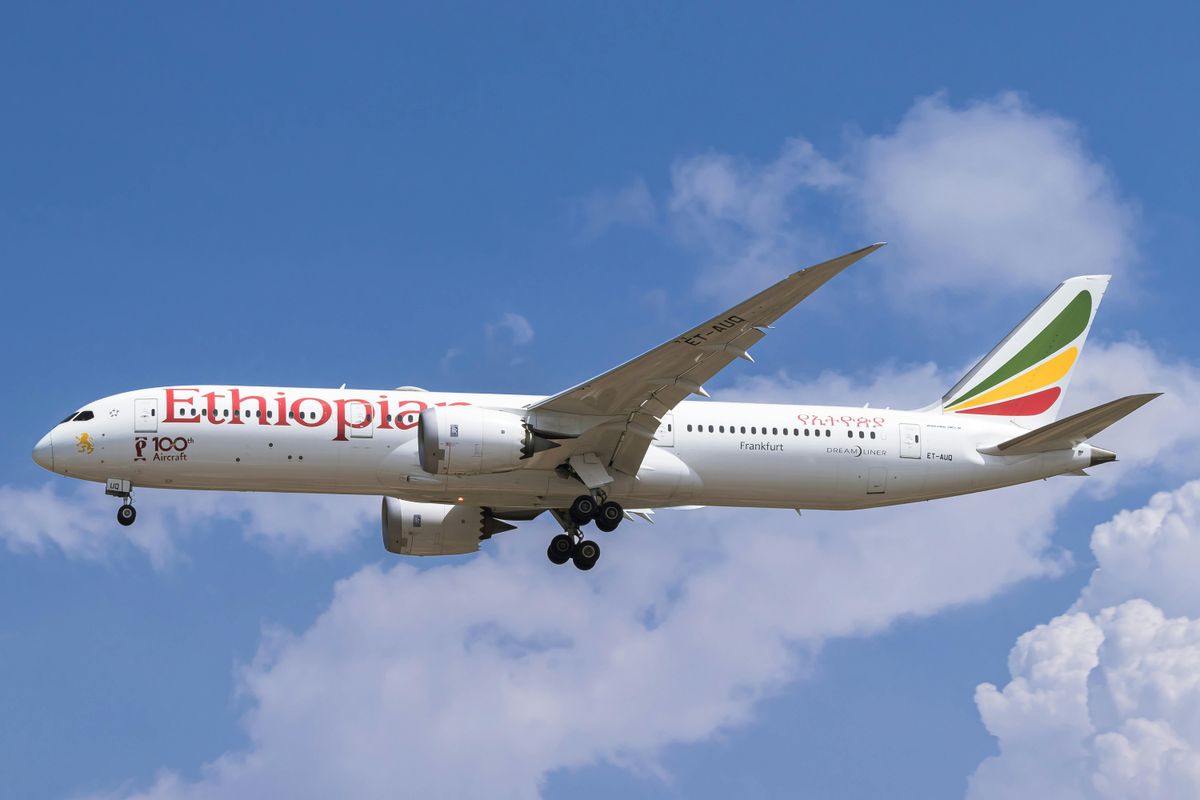
Ethiopian Airlines just put more long-haul growth on the board for the next decade. The carrier confirmed an order for nine Boeing 787-9 Dreamliner jets, with deliveries slated for 2031 to 2033. For you, that signals more chances to find one-stop itineraries via Addis Ababa with a modern widebody, plus more competition on long-haul Africa flying.
The timing matters too. Ethiopian finalized the purchase agreements in December 2025, then made the announcement public on Tuesday, January 20, 2026. That gap is common with big aircraft programs because delivery slots are scarce and airlines often lock them in well before they talk about them.
Route details (what’s actually changing)
No single new route was announced today. This is a capacity and fleet story that can translate into more flights and new city pairs later, once deliveries start.
| Detail | Information |
|---|---|
| Origin | Addis Ababa (ADD) hub, plus network-wide deployment |
| Destination | Ethiopian Airlines’ long-haul and international network (145 international destinations) |
| Frequency | Not announced (depends on final schedules and deliveries) |
| Aircraft | Boeing 787-9 Dreamliner |
| Start Date | Deliveries scheduled 2031–2033 |
1) Summary of the order: what Ethiopian bought, and why the dates matter
Ethiopian Airlines ordered nine Boeing 787-9 Dreamliner aircraft. The delivery window is far out, stretching from 2031 through 2033.
That long lead time tells you this is not about a quick capacity bump next summer. It is a fleet-planning move and airlines use far-out deliveries to do two primary things: replace older widebodies and add growth aircraft to open markets or add frequencies.
- Replace older widebodies as they age out of the fleet.
- Add growth aircraft to open markets and add frequencies.
With widebodies, it can take years to line up production slots, financing, and configuration choices. That is why a deal can be “done” months before it is widely advertised.
2) Fleet impact: what “on order” vs. “in service” means for travelers
This order deepens Ethiopian’s Dreamliner pipeline. After this deal, Ethiopian has 20 Boeing 787-9s on order. Once all 787 deliveries are complete, the airline projects a total 787 fleet of 39 aircraft.
Today, Ethiopian operates 30 Dreamliners, split across 20 Boeing 787-8s and 10 Boeing 787-9s. “In service” means planes flying passengers right now, while “on order” means aircraft are contracted but not delivered yet.
For travelers, the difference is simple. In-service fleets shape today’s schedule and seat map. On-order fleets shape what routes and frequencies are realistic later.
Airlines also stagger deliveries for flexibility. Some frames will backfill retirements while others will add capacity on strong routes, which can mean more weekly departures, not just more destinations.
💡 Pro Tip: If you care about the onboard product, set an alert for aircraft swaps after you book. Ethiopian’s widebody mix can change by season, even on the same route.
3) Network and capability implications of the Boeing 787-9 Dreamliner
The 787-9 is the larger Dreamliner variant Ethiopian already flies and is a natural tool for long-haul growth from Addis Ababa. It can also support the airline’s “thinner” international markets where a very large widebody may be too much.
Here’s what extra 787-9 capacity can mean in practice, without promising specific new routes:
- More nonstop chances: Additional widebodies can make new long-haul city pairs feasible.
- More frequencies on existing routes: A second daily flight can be more useful than a new destination.
- Better recovery during disruptions: More fleet depth helps when a jet goes tech or weather hits.
For passengers, the best-case outcome is more schedule choice and more consistency. If Ethiopian deploys a larger share of 787s on key routes, you may see fewer last-minute downgrades to older cabins.
Cabin details will still depend on final configuration decisions.
Mileage and award options: how to earn and burn on Ethiopian
Ethiopian Airlines is a Star Alliance carrier, which gives you real flexibility for earning and redeeming miles.
Earning miles
You can credit paid Ethiopian flights to several programs, including the carrier’s own program and major Star Alliance partners. Earnings depend on fare class and program rules.
- Ethiopian Airlines ShebaMiles
- United MileagePlus
- Air Canada Aeroplan
- Avianca LifeMiles
- Lufthansa Miles & More
Deep-discount economy tickets usually earn less, while premium cabins often earn more and may help with status goals.
Redeeming miles
You can often book Ethiopian-operated award seats through Star Alliance partners, which means you can compare pricing and fees across programs. Some programs add higher surcharges than others on international itineraries.
The practical play is to check at least two programs before you transfer points since award pricing and cancellation rules vary a lot across Star Alliance.
4) How this fits Ethiopian’s broader fleet strategy
This isn’t Ethiopian betting on one aircraft type; it is building a balanced pipeline across narrowbodies and widebodies. Alongside the 787-9 order, Ethiopian also finalized a commitment for 11 Boeing 737 MAX aircraft.
Narrowbodies usually do the unglamorous work that makes long-haul networks function: feeding the Addis Ababa hub, adding regional departures, and improving connection banks for Europe, Asia, and North America.
On the widebody side, Ethiopian also firmed an order for six Airbus A350-900s in early December. Mixed widebody fleets give flexibility on capacity and availability but can also create variation in the passenger experience, including cabin layouts and seat styles.
5) What executives are signaling, in plain language
Ethiopian CEO Mesfin Tasew framed the order around modernization, fuel efficiency, customer service, and “sustainable aviation.” That usually translates to lower operating costs, better dispatch reliability, and more aircraft available to schedule.
Boeing’s messaging focused on partnership and the 787 family’s comfort and efficiency. Executive quotes are part commitment, part aspiration: the commitment is the order and delivery slots; the aspiration is how fast new routes and product changes show up.
6) Efficiency and environmental claims: what “25%” usually means
Ethiopian points to the 787’s typical claim of about 25% lower fuel use and emissions versus the aircraft it replaces. Percentage claims like that depend on the baseline aircraft and the mission flown.
A long sector and a short sector won’t look identical. Newer aircraft can reduce per-seat emissions and lower trip costs, which can support route viability and help fares stay sharper over time.
Still, outcomes hinge on load factors, cabin density, and operations.
⚠️ Heads Up: A “new aircraft” order does not guarantee a “new cabin” on day one. Configuration choices and retrofits can lag deliveries by years.
This route-driven fleet growth is ideal for travelers who value one-stop global reach via Addis Ababa, want more schedule options on long-haul Africa flying, and collect Star Alliance miles for flexible award bookings.
If you’re planning Africa trips in the next few years, keep booking based on today’s aircraft and schedules and revisit once Ethiopian publishes its 2031-era route and frequency updates.