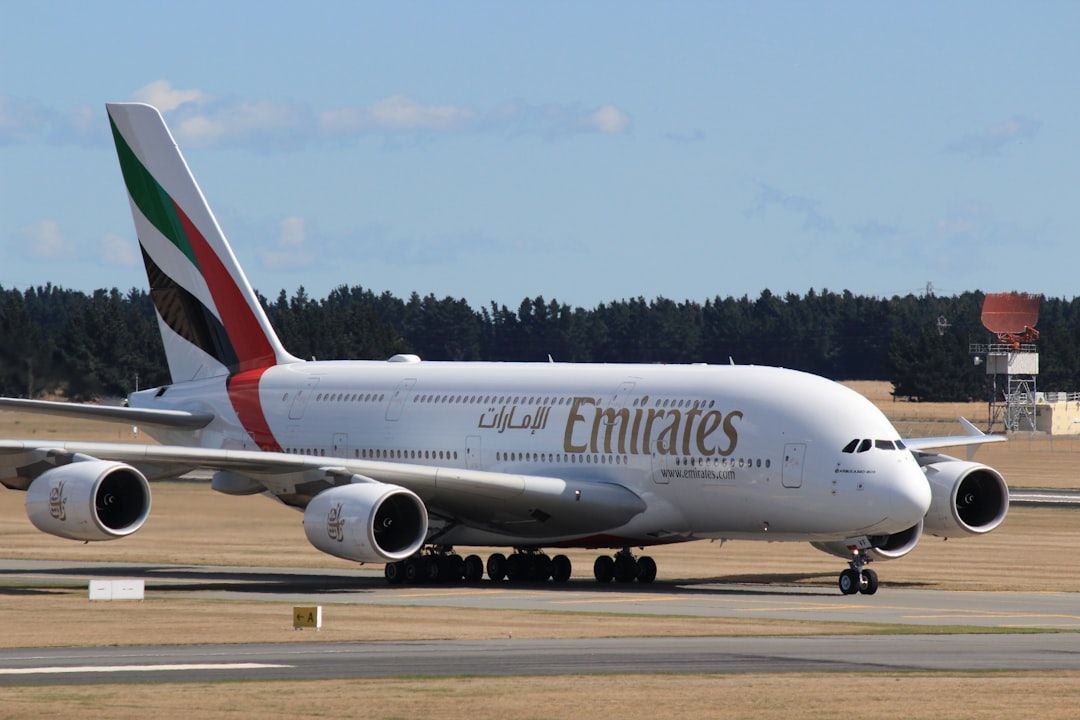
(DUBAI) — Emirates has restarted limited flight operations as of March 2, 2026, and that changes the game for disrupted travelers who need a seat fast. If you’re holding an affected ticket, you now typically have a clearer choice within the rebooking window: take a new flight for travel on or before March 20, or pivot to a refund, depending on how your itinerary was changed.
The trigger is regional airspace closures tied to the Iran–Israel war. That kind of disruption doesn’t just cancel flights. It can also force longer routings, new tech stops, and missed connections, especially through the Gulf.
What you should do first is simple and practical: confirm your flight’s status, confirm whether the change was airline-initiated, and gather your booking details before you contact Emirates. Those three steps decide how quickly you get reaccommodated, and what you can ask for without extra cost.
Overview: what “limited flights” really means, and why the window matters
“Limited” operations usually means Emirates is flying a reduced schedule, with constrained routing options and rolling updates. You may see:
- Fewer daily frequencies on popular city pairs
- More last-minute aircraft swaps
- Longer connection times in Dubai
- Rebookings that push you onto less convenient departure times
During resumptions, inventory is the bottleneck. Seats that look open in one channel may not be available for disruption reaccommodation in another. That’s why the rebooking window is so important.
If your affected travel is on or before March 20, Emirates is generally treating this as disruption reaccommodation rather than a normal voluntary change. the rules often become more flexible than your original fare allows. But outcomes still depend on ticket rules, ticket stock control, and how the itinerary was issued.
Before you do anything else, get these items in front of you:
- Booking reference (PNR) and passenger names, exactly as ticketed
- Original flight numbers and dates
- Your preferred alternative flights, including “good enough” backups
- Any constraints, like transit visa limits or maximum travel time
That prep work matters even more if you’re traveling between the UAE and high-demand markets like India, the UK, or the U.S., where rebooking space can vanish quickly after service resumes.
How the Priority Rebooking Queue works in real life
During mass disruption events, airlines triage contacts. Emirates is no different. The Priority Rebooking Queue is the practical sorting system that can decide whether you get a same-week reroute or a “next available” option that’s days later.
In general, Emirates and peer carriers prioritize based on factors like:
- Skywards tier and fare/cabin purchased
- Time sensitivity, including imminent departures
- Connection complexity, including multi-segment itineraries
- Special situations, including medical or accessibility needs
This is where being a Skywards elite member can pay off fast. Status can move you up the line for an agent and can also change what solutions are explored first. Premium-cabin tickets can have a similar effect, even without top-tier status.
Just as important: an agent can often do things the website cannot. That includes manual revalidation, protected connections, and alternative routings that don’t appear in self-serve tools. When operations are “limited,” those manual moves are sometimes the only path to a workable itinerary.
When you contact Emirates, present your request like a dispatcher would. Keep it tight:
- “My booking reference is X. My flight EK___ was cancelled.”
- “I can depart today or tomorrow. I must arrive by __.”
- “I can connect via __. I cannot transit via __.”
- “I’m willing to switch cabins if needed.”
The goal is to reduce back-and-forth. That’s what gets you confirmed while seats still exist.
What changes by Skywards tier (and what usually doesn’t)
The exact tier ladder matters because it often influences queue placement and how quickly your case is handled. At a high level, higher tiers and premium cabins tend to receive faster handling during disruption recovery.
Here’s how the impact typically breaks out.
Non-elite (basic Skywards member, or no membership)
You may still qualify for fee-free reaccommodation if the change is airline-initiated. The biggest downside is time. You’re more likely to wait longer for an agent, and self-serve options may be picked over.
What to watch:
- Multi-passenger bookings can split across flights if you accept the first option shown
- Seat assignments may not carry over after a reissue
- Special meals and bassinets can drop off and need re-requesting
Silver tier
Silver can help with call handling and, in some cases, earlier access to workable routings. The real advantage is speed, not magic inventory.
Best move:
- Call early, and ask to keep your party together on the same flights
Gold tier
Gold is where disruption handling often starts to feel meaningfully different. You may see faster agent access and more proactive solutions, especially if you’re also in a premium cabin.
What to verify after reissue:
- Lounge eligibility on the new itinerary, especially on mixed-cabin rebooks
- Your seat assignments, since aircraft swaps can reshuffle the cabin map
Platinum tier
Top-tier members often receive the fastest handling and the broadest set of options. That can include being walked through alternatives step-by-step rather than being offered a single “take it or leave it” itinerary.
White-glove disruption handling can include faster callbacks, proactive alternatives, and efforts to protect a comparable cabin when space exists. It’s never a guaranteed upgrade, and it still depends on availability.
⚠️ Heads Up: After any reissue, assume your seats, meals, and add-ons may reset. Re-check them immediately in Manage Your Booking.
Are you earning fewer miles during this disruption? Usually, no.
This is a loyalty story, so it’s worth being clear: disruption rebooking typically changes your flights, not the earning formula. If Emirates moves you to a different flight or routing, you generally earn based on what you actually fly, and what fare/class is ticketed after reissue.
Still, reissues can change booking class. That can change Tier Miles or bonus eligibility on some fares. It’s rare, but it’s real.
A simple way to think about the change:
| Item | Before the disruption | After rebooking during the window |
|---|---|---|
| Skywards Miles earning | Based on flown itinerary and fare/booking class | Usually the same principle, but verify new booking class |
| Tier Miles / tier credit | Based on eligible flown segments | Usually unchanged in concept, but reissues can affect eligibility |
| Elite perks | Based on tier and itinerary | May need re-attachment after reissue (seats, meals, services) |
If you’re chasing status this membership year, check your updated e-ticket receipt or booking details for the new booking class. That’s where earning surprises usually hide.
Competitive context matters here. In similar disruptions, Qatar Airways Privilege Club and Etihad Guest members also see priority handling tied to tier and cabin. The difference is execution. Emirates’ Dubai hub creates heavy connection dependency, so reroutes can be more constrained when regional airspace tightens.
When calling beats the website (and how to structure the ask)
Online tools are great when the airline is running normally. During a resumption, phone agents can be faster for outcomes, even if the wait is longer. The reason is control. Agents can manually piece together routings and protect connections.
Call instead of relying on self-serve when you have:
- A tight or high-stakes connection in Dubai
- A multi-city itinerary
- A family booking that risks split seating
- Medical needs or accessibility requirements
- A last-minute departure where every hour matters
- A premium cabin ticket where cabin protection is important
When you get an agent, make three requests clearly:
- Your earliest acceptable arrival time
- Your acceptable connection cities and any “no-go” transits
- Your flexibility on dates within the rebooking window, and on cabin
You’re trying to give the agent enough room to solve the puzzle quickly.
Automated vs. manual priority: what Manage Your Booking can (and can’t) do
Emirates’ self-serve tools are useful for straightforward changes and for confirming what the system is offering you. They are less useful when “limited flights” and scarce seats turn rebooking into a negotiation.
Self-serve is strongest for:
- Viewing your updated itinerary and any offered alternatives
- Simple date adjustments when offered by the system
- Re-adding seats, meals, and passenger details
It struggles with:
- Seeing all protected disruption inventory
- Forcing a connection that needs manual protection
- Handling complex partner or multi-ticket itineraries
- Applying human triage to urgent cases
A practical trigger: if the online options add an unreasonable layover, break your party apart, or downgrade your cabin without a clear explanation, stop clicking and call.
Recognizing an airline-initiated change (and why notifications matter)
Emirates typically communicates disruption changes through email, app alerts, and account messages. Look for language like cancellation, schedule change, or reroute. Screenshot or save those messages. Documentation helps if you need a refund review or a correction later.
If you booked through a travel agency or online platform, remember one rule: whoever controls the ticket often controls the reissue. Emirates may see the disruption, but the agency may have to push the final ticketing step. That’s why airline and agency messages can arrive at different times, and sometimes conflict.
If you’re UAE-based and booking via corporate travel, loop in your travel desk early. Corporate tickets can have additional servicing steps, especially with multi-carrier routings.
Step-by-step playbook: getting priority access without losing benefits
- Confirm your disruption status in the app or Manage Your Booking. Note that Emirates is operating limited flights, and the rebooking window applies to travel on or before March 20.
- Prep your essentials before contacting anyone. Have your booking reference, passenger names, and two or three acceptable alternates ready. Include transit constraints, including visa limits.
- Call and request reaccommodation. Ask the agent to confirm they see your Skywards number and tier, and your original cabin. Then confirm every segment, not just Dubai.
- If you used a third party, contact the agency to complete the reissue. Ask for written confirmation that the ticket number has been reissued, not just the itinerary email.
- After rebooking, re-check the details. Confirm seats, special meals, baggage entitlements, and name formatting on U.S.-bound itineraries. Small name mismatches can cause check-in issues.
💡 Pro Tip: Don’t check in until your reroute is finalized and ticketed. Check-in can complicate last-minute reaccommodation and seat work.
Fare families, ticket rules, and real-time updates when flights resume
Even in a waiver situation, fare family and booking class still matter. Some tickets are inherently more flexible than others, and some reissues preserve your original rules more strictly. During disruptions, agents may be able to apply waivers, but outcomes can vary by route and who owns the ticket stock.
When speaking to an agent, ask them to confirm two things in plain language:
- Whether your rebooked itinerary keeps the same fare family category
- Whether you retain refund eligibility if the new plan still doesn’t work
Then monitor your flight in real time. During resumptions, a “scheduled” flight can still slide to a delay, swap aircraft, or change gates and terminals with little notice. Those shifts can break tight connections in Dubai.
If you’re traveling in the next few days, treat your itinerary as live. Re-check it the night before, then again the morning of departure, and head to the airport with extra buffer time.
The smartest move today: if you have travel on or before March 20, lock in the best acceptable reroute as soon as you see it, then immediately verify your seats, meals, and Skywards number on the reissued ticket.