British Airways reversed its short-lived ban on hot water bottles for cabin crew after immediate union pushback. If you fly British Airways (or any airline) for an immigration appointment, this episode is a reminder to check the carrier’s rules before you pack comfort items, because airline policies can change fast.
This matters most when you’re traveling for something you can’t miss, like a U.S. visa interview, biometrics, a court date, or a USCIS appointment. A “small” packing issue can turn into a delayed boarding, extra screening, or having to surrender an item at the airport.
Why the British Airways hot water bottles ban matters for immigration travel
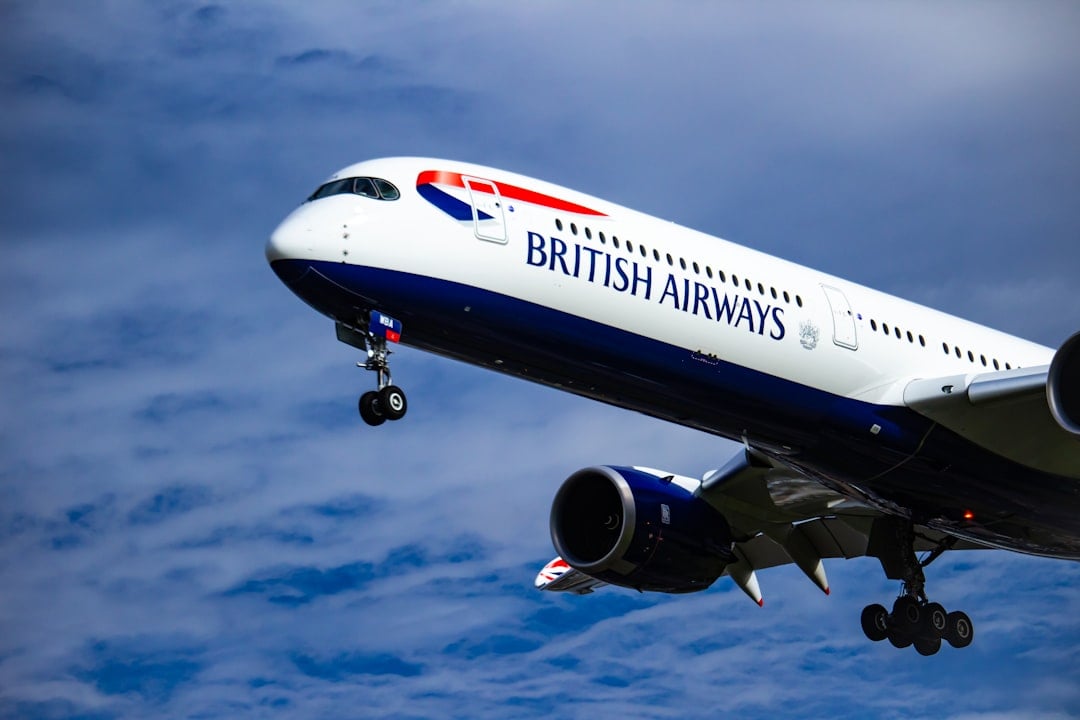
British Airways health and safety managers told cabin crew that hot water bottles were “banned with immediate effect” on all flights. Their concern was simple: they could not safely inspect or guarantee every personal hot water bottle brought onboard.
Cabin crew pushed back hard because hot water bottles are common on long night flights, especially on aircraft without proper hidden crew rest bunks. Some crew said they rely on them for period pain and warned they would call in sick if they could not use them. The BASSA union objected to the lack of consultation and moved quickly.
British Airways then rescinded the restriction within hours, completing a full U-turn just two days after announcing it.
For you as a traveler, the lesson isn’t about internal airline politics. It’s about predictability. When your travel is tied to your immigration status, you want fewer surprises at the airport.
Who should follow this guide (and what you need before you start)
You should use this guide if any of these apply:
- You’re flying British Airways (or connecting on another airline) and you want to pack hot water bottles or similar heat therapy items.
- You’re traveling for a time-sensitive immigration purpose, such as:
- A U.S. consular interview (processing through a U.S. embassy or consulate abroad)
- A biometrics appointment
- A USCIS interview
- An immigration court hearing
- A same-week emergency trip tied to an immigration filing or deadline
- You get cramps, chronic pain, cold sensitivity, or another condition where heat helps you function during long flights.
Before you pack, make sure you can answer three questions:
- Will you carry the item on, or check it?
- Will it be empty, or will it contain liquid or gel?
- Do you have a medical reason that’s worth documenting in case staff question it?
Step-by-step: How to travel with hot water bottles without airport drama
1) Check your airline’s current cabin and crew rules
Start with your operating carrier’s policy, not the airline printed on your ticket. Codeshares can trip people up.
What to look for in the rules:
- Items allowed in carry-on vs checked baggage
- Restrictions on liquids, gels, and heating elements
- Any special limits for “medical” or “assistive” items
If you’re flying British Airways, pay close attention to how it treats personal items brought onboard. The recent ban shows the airline can act quickly when safety teams raise concerns.
2) Choose the safest format: empty bottle, no plug, no liquid
If you want the least resistance at security and boarding, pack:
- An empty hot water bottle (no liquid inside)
- No attached heating element
- No fuel or chemical heating packs that activate on their own
If you need heat during the flight, plan to fill it after you pass security.
Practical approach that works on long-haul flights:
- Pack the bottle empty in your carry-on.
- After security, ask an airport café for hot water.
- Onboard, ask crew for hot water only if airline service and safety rules allow it.
Don’t pressure crew to break policy. If they say no, treat it as final and move to your backup plan.
3) Prepare a simple “why I need this” explanation
Airport and airline staff respond better when you’re calm and clear.
Use a short script:
- “I use this for cramps/pain management.”
- “It’s empty for screening.”
- “I will fill it after security.”
If you have a medical reason, support your explanation with a doctor’s letter (one paragraph is often enough). You don’t need to disclose private details beyond what’s necessary.
4) Build a backup plan for heat therapy
Immigration trips are high-stakes. You need redundancy.
Options that usually cause fewer issues than a filled hot water bottle:
- Adhesive heat patches (non-powered, non-liquid)
- A warm layer for cabin temperature swings
- A small blanket scarf
- Over-the-counter pain relief that you already know works for you
If you have severe symptoms, pack what keeps you functional — just pack it in a way that passes screening.
5) Protect your immigration schedule from travel disruption
When your trip is tied to an appointment, plan for worst-case outcomes.
Before departure:
- Keep appointment notices and travel details in your phone and on paper.
- Know your last acceptable arrival time.
- Have the contact method for rescheduling if you hit a delay.
For U.S.-bound travel and inspection questions, review official travel guidance at CBP Travel.
Documents you should carry for immigration-related flights (plus comfort items)
Use this checklist to avoid last-minute scrambling.
Immigration and identity documents (carry-on, not checked)
- Passport (and prior passports if your visa history is spread across them)
- U.S. visa (if applicable) or proof of status
- Appointment notice (biometrics/interview/court) if relevant to your trip timing
- Printed itinerary and boarding passes (or screenshots)
- Your attorney’s contact info (if you have representation)
Comfort item support (especially if staff questions your hot water bottle)
- Doctor’s note stating you use heat therapy for pain (one paragraph is enough)
- Prescription list or medication summary (if relevant)
- A short personal note listing:
- what the item is
- that it is empty for screening
- how you plan to fill it after security
Packing and screening helpers
- A clear zip pouch for anything that might be screened closely
- Photos of the item (empty) in case you need to explain what it is without unpacking everything
⚠️ Important: Don’t pack a filled hot water bottle through security. Liquids create screening problems fast.
Fees and timeline: What to plan for (without adding costs)
You won’t pay a government fee just because you travel with a hot water bottle. Your real “cost” is time.
Timeline to stay in control:
| When | Task |
|---|---|
| 48–72 hours before departure | Re-check your operating carrier’s rules and your connection airports |
| 24 hours before departure | Pack the bottle empty. Add your backup heat option |
| Day of travel | Arrive early enough to handle extra screening without missing boarding |
| After security | Fill the bottle only if you can do it safely and discreetly |
| Onboard | Follow crew instructions. Cabin crew handle safety compliance first |
Common mistakes that lead to confiscation, delays, or missed appointments
- Packing it filled (or trying to fill it before security) — invites delays or confiscation.
- Assuming “it was fine last time” — airline rules change quickly.
- Bringing a powered or chemical heating device without checking rules — these raise safety flags.
- Relying on crew to solve the issue onboard — crew have limited options and follow internal safety direction.
- Letting a packing issue derail your immigration plan — arrival-related priorities outweigh comfort.
Next steps: Do this today if you’re flying soon
- Check your operating airline and aircraft type and decide if a hot water bottle is worth the risk for this trip.
- Pack your bottle empty and add a backup heat option that doesn’t involve liquid.
- Put your immigration documents together tonight in one travel folder (paper + phone).
- If pain management is medically necessary, ask your clinic for a short letter before you fly.
- If you want more practical immigration travel and appointment guides, visit VisaVerge.com.
The recent policy reversal by British Airways regarding hot water bottles serves as a vital reminder for immigration travelers. Sudden changes in airline rules can lead to security delays or confiscated items, jeopardizing time-sensitive appointments like visa interviews. Travelers are advised to pack empty containers, prepare medical explanations, and carry backup heat sources. Prioritizing predictability and compliance ensures that personal comfort needs do not interfere with essential immigration milestones.